- ► Operation Epic Fury has struck nearly 2,000 targets in Iran within 100 hours.
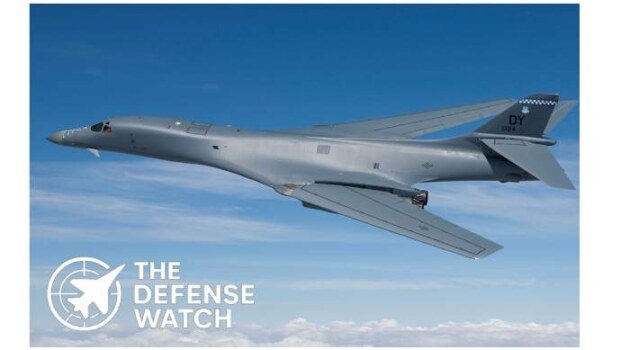
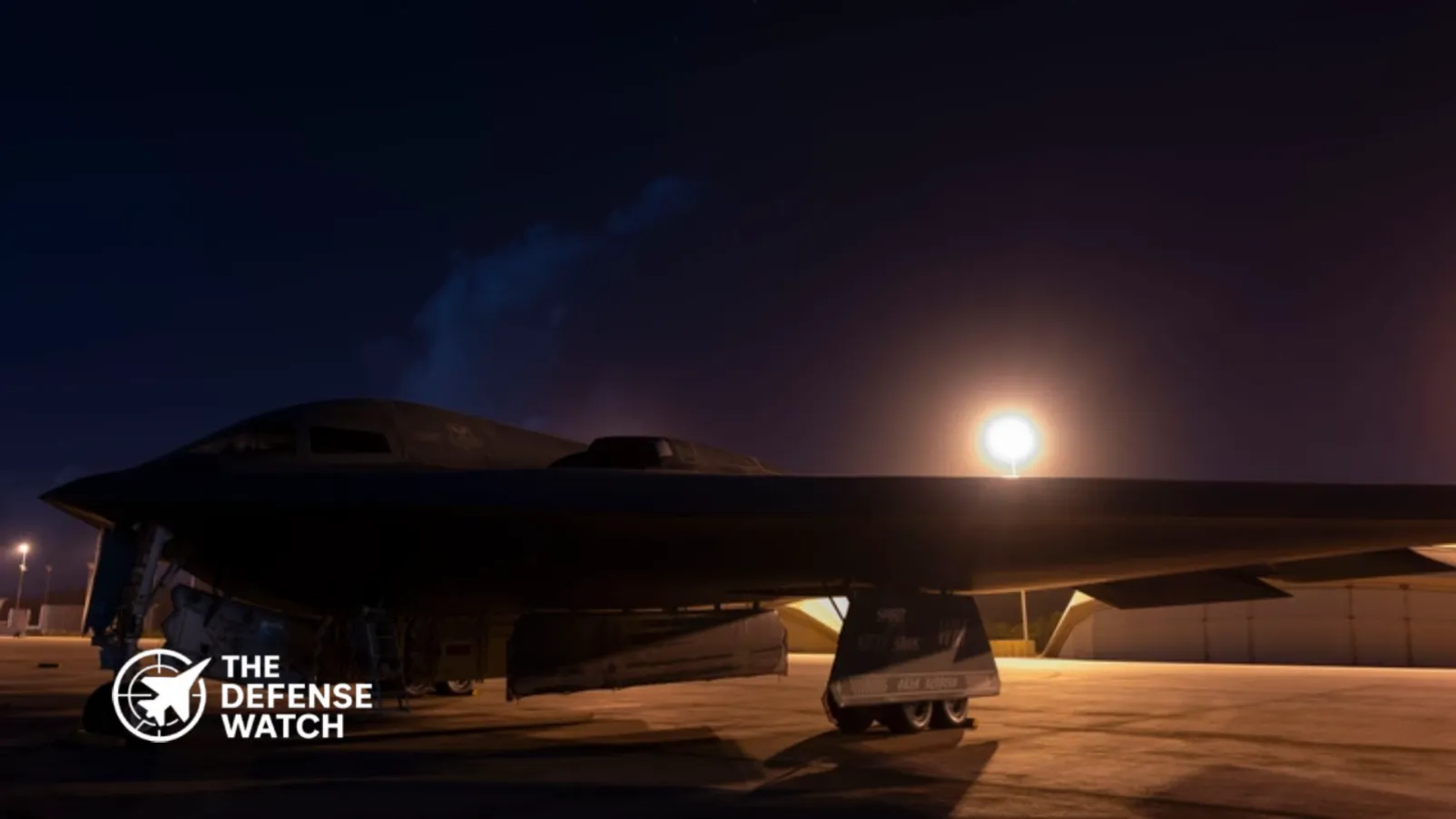
- ► Over 200 fighter jets and B-2, B-1B, and B-52 bombers conducted deep strike missions.
- ► U.S. forces used more than 2,000 munitions, degrading Iranian air defenses and missile forces.
- ► Naval strikes destroyed 17 Iranian ships, including a submarine.
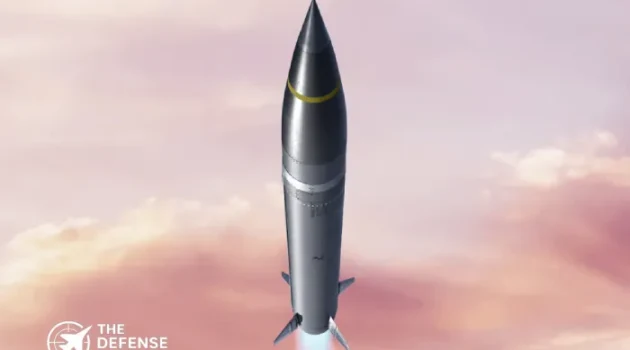
- ► PrSM missiles and LUCAS loitering munitions were used in combat for the first time.
Operation Epic Fury Expands As US Strikes 2,000 Targets Across Iran
Operation Epic Fury has struck nearly 2,000 targets across Iran in just over 100 hours, according to the commander of U.S. Central Command.
Gen. Brad Cooper said U.S. forces have employed more than 2,000 munitions, targeting air defense systems, ballistic missile stockpiles, launchers, drones, naval vessels, and command centers.
The scale of the opening phase was described as nearly double the intensity of the 2003 shock and awe air campaign during the Iraq War.
More than 200 fighter aircraft participated in the initial wave. Strategic bombers including the B-2 Spirit, B-1B Lancer, and B-52 Stratofortress struck hardened missile sites and command nodes deep inside Iranian territory.
At sea, U.S. naval forces reportedly destroyed 17 Iranian vessels, including at least one submarine. Two carrier strike groups are now operating in surrounding waters, reinforcing maritime dominance.
Air Defense Suppression And Missile Hunt Intensify
A central objective of Operation Epic Fury is the systematic degradation of Iran’s integrated air defense network.
According to CENTCOM, hundreds of ballistic missiles, mobile launchers, and drones have been destroyed. U.S. forces are now focused on hunting remaining transporter erector launchers that can relocate rapidly after firing.
Mobile missile launchers remain one of the most difficult targets in modern warfare. They can disperse across civilian infrastructure, complicating detection and increasing the intelligence burden.
The use of stealth bombers in the opening hours suggests a deliberate strategy to dismantle radar coverage and command nodes before expanding to broader target sets. This approach mirrors U.S. doctrine seen in previous large scale air campaigns, where air superiority is established before sustained strike operations.
First Combat Use Of PrSM And LUCAS Drones
Operation Epic Fury also marks the first reported combat use of the Precision Strike Missile, known as PrSM. Developed to replace the Army Tactical Missile System, PrSM provides extended range and improved accuracy for ground launched deep strikes.
In addition, LUCAS loitering munitions were used in operational missions. These systems are designed to search, identify, and strike targets autonomously within a defined area, offering flexibility against time sensitive targets such as mobile missile units.
The introduction of both systems in a high intensity conflict signals an evolution in U.S. long range precision strike doctrine. It reflects the Pentagon’s ongoing push toward distributed, networked fires that combine air, land, and maritime assets.
Iranian Response And Escalation Risks
Iran has responded with more than 500 ballistic missiles and over 2,000 drones, according to U.S. military figures. The exchange underscores the scale of the confrontation and the resilience of Iran’s missile inventory despite sustained strikes.
The presence of two U.S. carrier strike groups around Iran signals readiness for prolonged operations. Carrier based aircraft extend sortie generation capacity and provide air defense for naval and regional assets.
More than 50,000 U.S. personnel are now involved in Operation Epic Fury. Officials have stated there is no fixed end date for the campaign.
From a strategic standpoint, the tempo suggests a phased operation rather than a short duration punitive strike. The initial air campaign appears aimed at dismantling Iran’s strategic deterrent systems before transitioning to sustained pressure on remaining launch capabilities.
The comparison to the 2003 Iraq campaign highlights scale, but there are key differences. Iran’s missile forces are more dispersed, hardened, and mobile than Iraq’s infrastructure two decades ago. That reality may prolong efforts to fully neutralize remaining capabilities.
Strategic Implications
Operation Epic Fury demonstrates the U.S. military’s capacity to integrate stealth aviation, long range missiles, naval power, and autonomous systems in a compressed timeframe.
The early use of PrSM and loitering munitions suggests confidence in next generation precision weapons. It also provides real world operational data that will likely inform future modernization programs.
However, the sustained missile exchanges indicate that Iran retains retaliatory capacity. The coming phase may depend less on air superiority, which appears established, and more on intelligence driven targeting against mobile assets.
For now, the campaign continues without a declared timeline, leaving regional stability closely tied to the pace and scope of further strikes.
Get real time update about this post category directly on your device, subscribe now.