
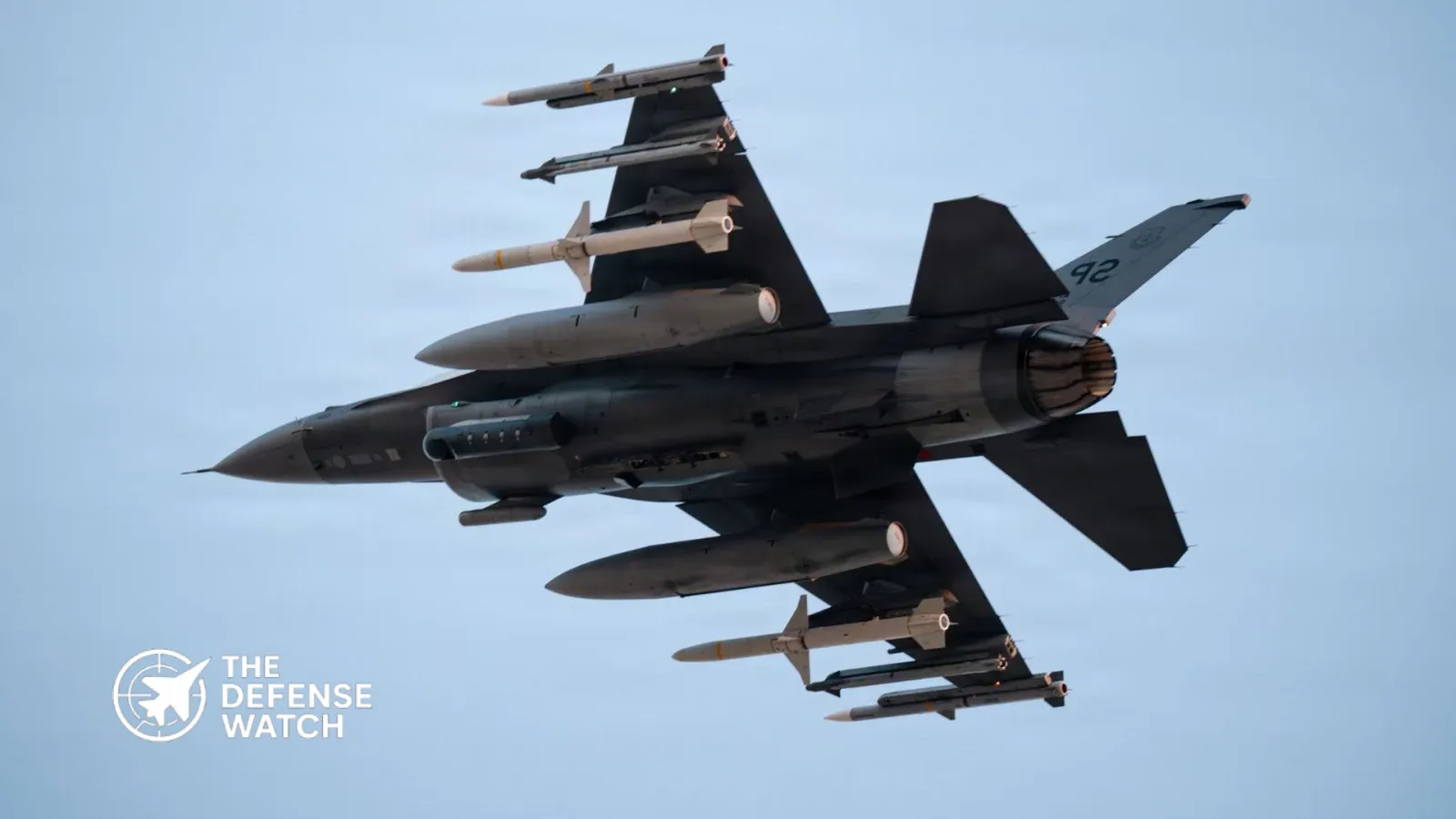
- The United States has conducted over 6,000 combat sorties against Iran since Operation Epic Fury began.
- Operations involve a mix of strike, ISR, and support missions across multiple domains.
- The scale signals a sustained high intensity air campaign in the Middle East.
- The campaign reflects ongoing escalation following initial strikes earlier in 2026.
- Airpower remains the primary tool for U.S. force projection against Iranian targets.
US Conducts 6,000 Combat Sorties Against Iran
US combat sorties against Iran have surpassed 6,000 under Operation Epic Fury, marking one of the most sustained American air campaigns in the region in recent years. The figure reflects a high operational tempo and signals a prolonged military effort targeting Iranian-linked assets and infrastructure.
The Big Picture
U.S. airpower remains central to Washington’s approach to managing escalation in the Middle East. Operation Epic Fury demonstrates how the Pentagon continues to rely on precision strike capabilities, ISR networks, and rapid deployment forces to maintain operational pressure without committing large ground formations.
This campaign aligns with broader U.S. military priorities, including maintaining regional deterrence, protecting allied forces, and countering state and proxy threats. It also reflects lessons learned from past conflicts in Iraq and Syria, where sustained air operations enabled strategic effects with reduced troop exposure.
What’s Happening
U.S. forces have conducted more than 6,000 combat sorties since the launch of Operation Epic Fury in 2026. These missions include:
- Precision airstrikes on Iranian military and proxy targets
- Intelligence, surveillance, and reconnaissance flights
- Electronic warfare and suppression of enemy air defenses
- Aerial refueling and support operations
The campaign spans multiple operational areas, with aircraft operating from regional bases and carrier strike groups. The scale of sorties indicates continuous operations rather than limited or symbolic strikes.
Why It Matters
The volume of US combat sorties against Iran highlights a shift from episodic strikes to sustained air warfare. This level of activity requires significant logistical coordination, including tanker support, munitions supply chains, and maintenance cycles.
It also underscores the maturity of U.S. joint operations. Modern campaigns integrate air, cyber, and space assets to achieve persistent battlefield awareness and strike precision. This reduces risk to pilots while increasing the effectiveness of each sortie.
From a policy perspective, the campaign shows that Washington is willing to sustain long duration military pressure without rapid escalation to full scale war.
Strategic Implications
The sustained sortie rate strengthens U.S. deterrence by demonstrating both capability and endurance. It signals that American forces can maintain pressure over extended periods, complicating adversary planning and limiting operational freedom.
At the same time, the campaign raises questions about escalation management. Continuous strikes increase the risk of retaliation, miscalculation, or broader regional conflict involving proxy groups or allied states.
The operation also reinforces U.S. commitments to regional partners, particularly those concerned about Iranian missile and drone capabilities.
Competitor View
Iran is likely to interpret the 6,000 sortie milestone as evidence of a long term U.S. campaign rather than a limited response. This may drive Tehran to rely more heavily on asymmetric tactics, including proxy operations and dispersed assets.
China and Russia will view the campaign through a different lens. Both countries monitor U.S. operational patterns to understand force readiness, logistics resilience, and airpower doctrine. The ability to sustain thousands of sorties provides insight into U.S. capacity for prolonged high intensity conflict.
Regional actors will assess whether the campaign enhances stability or increases the risk of wider confrontation.
What To Watch Next
Future developments will focus on whether sortie rates remain consistent or begin to decline. A sustained pace would indicate ongoing operational objectives, while a reduction could signal mission completion or strategic recalibration.
Analysts will also watch for:
- Deployment of additional air assets or carrier groups
- Shifts in targeting priorities
- Integration of new technologies such as autonomous systems
- Diplomatic efforts aimed at de escalation
Capability Gap
Operation Epic Fury addresses a key challenge in modern warfare, the need for persistent, precision strike capability without large ground deployments. Airpower fills this gap by providing rapid response and scalable force.
However, limitations remain. Air campaigns alone rarely achieve decisive political outcomes. They depend on intelligence accuracy, partner coordination, and clear strategic objectives. Sustained operations also strain logistics and maintenance systems over time.
The Bottom Line
The 6,000 US combat sorties against Iran reflect a sustained, high intensity air campaign that underscores Washington’s reliance on airpower to project force and manage regional conflict.
Get real time update about this post category directly on your device, subscribe now.
