
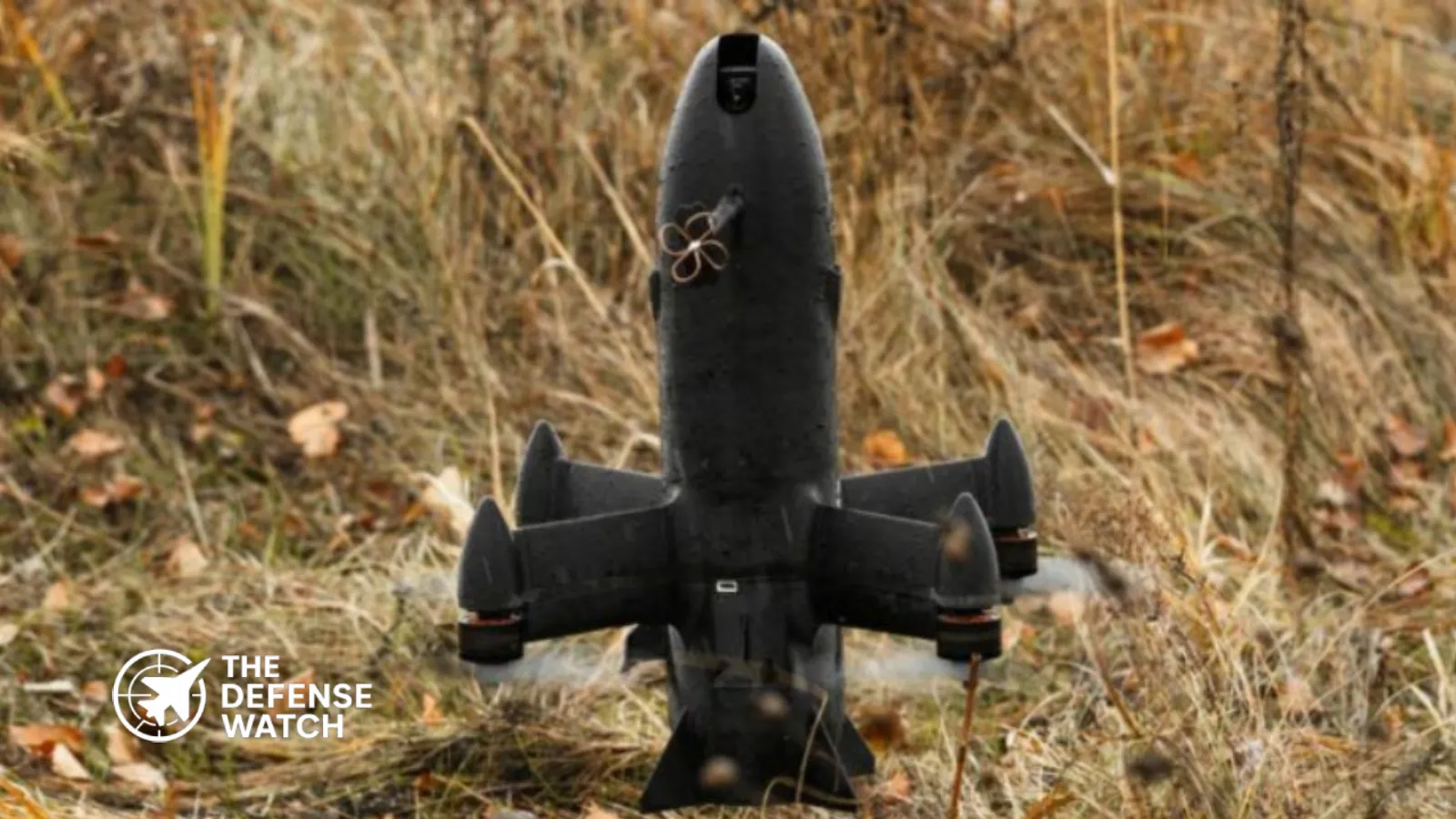
Ukraine Downs Russian Shahed Drone With Rear-Mounted Missile
Ukraine has shot down a Russian Shahed attack drone equipped with a rear-mounted air-to-air missile, a previously unseen configuration that signals an evolving threat to Ukrainian aircraft engaged in counter-drone operations.
According to Ukrainian border guard forces, the drone was intercepted on February 8 by the 105th Border Guard Detachment using a P1-SUN interceptor system. Footage released via the tgp_news Telegram channel showed wreckage confirming the presence of a Soviet-era R-60 missile mounted in a backward-facing orientation.
The Institute for the Study of War assessed the configuration as a notable departure from earlier Shahed adaptations documented since December 2025, which featured forward-mounted missiles.
First confirmed rear-facing missile configuration on Shahed drones
The downed Shahed represents the first confirmed case of a rear-mounted R-60 missile on a Russian one-way attack drone. Previous imagery and battlefield reporting indicated Russian forces had begun experimenting with air-to-air missiles mounted forward on Shahed platforms, likely intended to threaten Ukrainian helicopters and slow-moving aircraft engaged in drone interception.
The backward-facing orientation suggests a different tactical purpose. Analysts assess the missile placement is likely intended to counter pursuing aircraft, particularly Ukrainian helicopters, light aircraft, or interceptor drones that approach Shaheds from behind during shootdown attempts.
The R-60, originally developed by the Soviet Union as a short-range infrared-guided air-to-air missile, remains widely available in Russian stockpiles. While obsolete by modern fighter standards, it retains sufficient maneuverability and seeker sensitivity to threaten low-speed aerial targets when employed at close range.
Ukrainian interception and confirmation
The 105th Border Guard Detachment confirmed the shootdown using a P1-SUN interceptor system, a portable air defense solution increasingly employed by Ukrainian forces to counter Shahed drones. Video evidence published online shows debris consistent with Shahed construction, alongside identifiable missile mounting hardware and missile fragments.
The Institute for the Study of War reviewed the footage and confirmed the backward-facing missile configuration, describing it as a new adaptation not previously documented in open-source reporting.
Ukrainian authorities did not report any damage or casualties resulting from the attempted attack.
Tactical implications for Ukrainian air defense and aviation
The emergence of missile-armed Shahed drones presents additional challenges for Ukraine’s layered air defense and counter-drone operations. Ukrainian forces routinely rely on helicopters, fixed-wing aircraft, and interceptor drones to hunt Shaheds before they reach critical infrastructure.
A rear-mounted missile complicates pursuit tactics, potentially forcing Ukrainian pilots to alter engagement profiles or maintain greater standoff distances. This adaptation may also increase reliance on ground-based air defense systems and electronic warfare rather than airborne interception.
Military analysts note that while the R-60’s effectiveness on a Shahed platform is limited by sensor integration and launch constraints, even a low-probability threat can alter operational behavior and increase risk to aircrews.
Part of a broader Russian drone evolution effort
Russia has steadily modified Shahed drones since their introduction into large-scale combat operations, adding improved navigation systems, electronic countermeasures, and now experimental weapon configurations.
The backward-mounted missile highlights Russia’s continued effort to adapt inexpensive loitering munitions to impose higher costs on Ukrainian defenses. By forcing Ukraine to devote more resources and caution to drone interception, even marginal upgrades can deliver operational value.
The Institute for the Study of War noted that such adaptations reflect Russia’s willingness to accept limited effectiveness in exchange for forcing tactical adjustments by Ukrainian forces.
Ukrainian response and outlook
Ukrainian air defense units continue to adapt to evolving Shahed threats through a combination of mobile air defense teams, interceptor drones, electronic warfare systems, and layered radar coverage.
Officials emphasize that missile-armed Shaheds do not fundamentally change the balance of the air threat but underscore the need for continued Western support in air defense systems, counter-UAV technologies, and early warning capabilities.
The February 8 shootdown demonstrates Ukraine’s ability to identify and neutralize new Russian adaptations quickly, limiting their operational impact.
Get real time update about this post category directly on your device, subscribe now.
