
Russia Shoots Down 15 Moscow-Bound Drones, Mayor Says
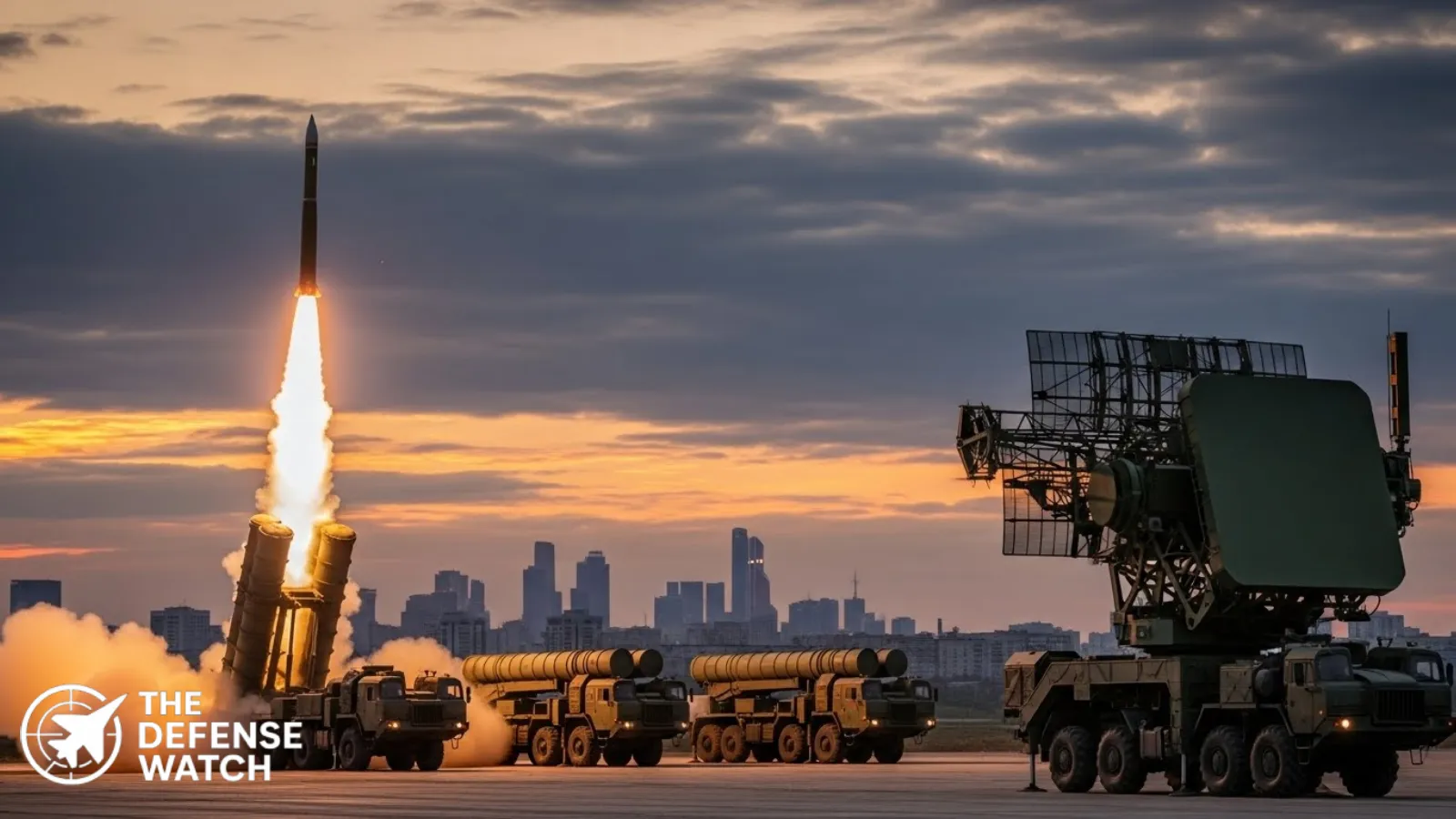
Russian air defenses shot down 15 drones headed toward Moscow on the evening of December 10, the city’s mayor reported Wednesday, underscoring the growing use of unmanned aerial systems in the Ukraine conflict and Moscow’s ongoing efforts to protect its airspace.
Moscow Mayor Sergei Sobyanin posted on his Telegram channel that the intercepts occurred over a period of just over three hours, with one drone also downed earlier in the afternoon. Emergency crews were sent to deal with debris, but the mayor gave no immediate indication of injuries or damage to property.
Background on Drone Strikes Against Moscow
Attacks employing unmanned aerial vehicles (UAVs) on Russian territory have become more frequent as the war between Russia and Ukraine continues. Both sides have developed and deployed a range of drones, with Ukraine increasingly using them to strike deep inside Russian territory, including near key infrastructure and the capital.
Moscow’s air defenses have previously reported shooting down multiple drones on separate occasions. Incidents in 2025 have included larger waves of UAVs being intercepted, temporary closures of Moscow airports, and claims of Ukrainian drones targeting industrial sites in regions beyond the capital.

The use of drones in this conflict is part of a broader trend of battlefield transformation. Ukraine has expanded its unmanned arsenal to include both aerial and sea drones, aiming to disrupt Russian logistics, oil infrastructure, and military positions. Russia, meanwhile, fields layered air defense networks that include traditional surface-to-air missile systems and electronic warfare units designed to detect and neutralize incoming threats.
Details of the December 10 Intercepts
Sobyanin’s Telegram updates form the primary public account of the December 10 incidents. He stated that:
- Fifteen UAVs were intercepted en route to Moscow over a three-hour period on Wednesday evening and into the night.
- One additional drone was downed earlier in the afternoon.
- Emergency personnel were deployed to examine fallen debris.
- No official report of casualties or specific damage was released at the time.
Russia’s official Defense Ministry did not immediately issue a statement on the intercepts, leaving the mayor’s Telegram posts as the key source of information on the number of drones and how they were handled.
Air Defence Systems and Capabilities
Russia’s air defence network is among the most complex in the world, featuring integrated systems ranging from long-range radar and surface-to-air missiles to short-range point defence weapons and electronic countermeasures. These systems are designed to detect, track, and engage aircraft, cruise missiles, and UAVs at varying ranges and altitudes.
Despite these capabilities, drones pose a unique challenge because of their small radar cross-section, low flight paths, and low heat signatures. Intercepting swarms or multiple UAVs in quick succession strains even robust air defense architectures. Recent claims of hundreds of drones intercepted in single events reflect both the intensity of the threat and the demands on air defense operators.
Expert Perspective
Analysts say the repeated drone engagements near Moscow illustrate several key trends in modern conflict.
First, the growing use of commercially derived drones equipped for military missions points to a sustained asymmetric threat. Ukraine has adapted a variety of commercial and militarised UAV platforms for strikes, reconnaissance, and disruption of Russian logistics and command nodes.
Second, defending dense urban airspace remains complex. Moscow’s air defence units must balance the need to neutralise threats with the risks of debris falling over populated areas, a problem that complicates civilian risk calculations even when intercepts succeed.
Finally, the ongoing use of drones reflects broader strategic pressure. Ukraine’s employment of long-range UAVs serves both tactical and psychological aims, forcing the Kremlin to allocate more resources to homeland defence rather than front-line operations.
Policy and Strategic Implications
For NATO and U.S. defence planners, the Moscow drone incidents reinforce the enduring shift toward unmanned systems in high intensity conflict. The United States and allies are investing in counter-UAV technologies, layered air and missile defence systems, and improved sensor networks to counter similar threats.
In addition, the incidents highlight the importance of resilient civil aviation systems. Temporary airspace closures and airport disruptions in past drone attacks have had economic and social impacts, drawing attention to the need for coordinated civil-military responses to UAV threats.
What to Watch Next
As winter advances, weather could influence the operational patterns of UAV attacks and defence responses. Observers will be looking for:
- Official statements from the Russian Ministry of Defense on the December 10 incidents.
- Any indication of damage, disruption to transport, or shifts in drone attack frequency.
- Advances in counter-UAV systems or changes in Russian air defence doctrine.
Get real time update about this post category directly on your device, subscribe now.


1 comment
[…] defensive operations, describing the situation as unsustainable for Moscow. He compared the current conflict to the Soviet Union’s decade-long war in Afghanistan during the 1980s, noting that Moscow is now losing in a single month what took ten […]