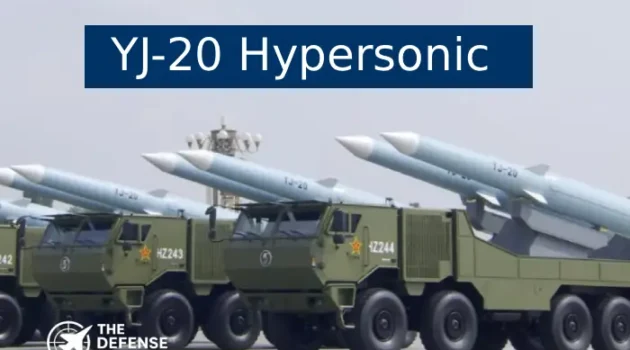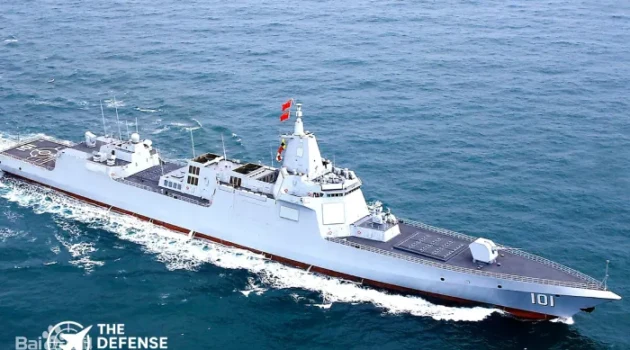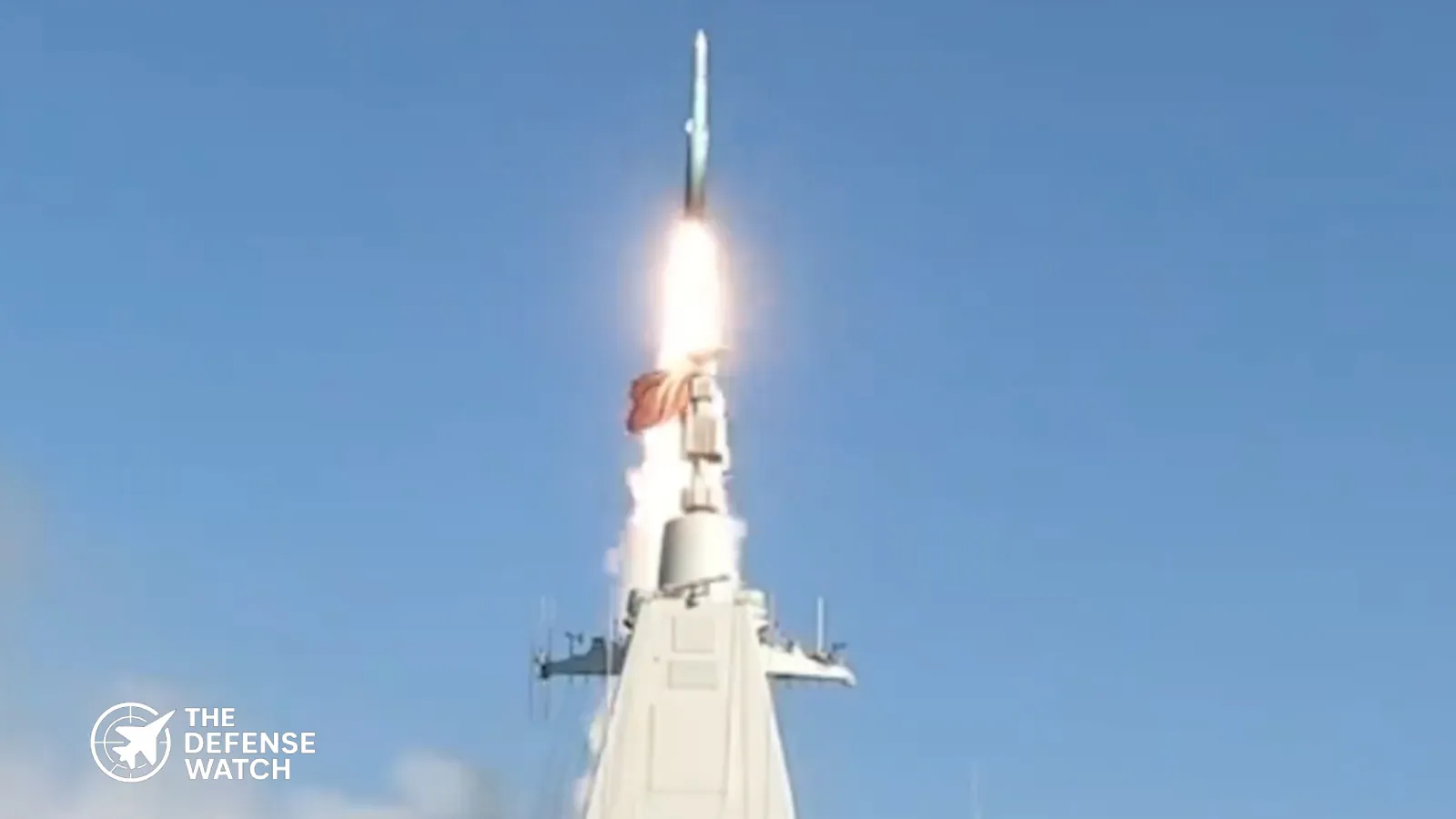
China’s recent test of the YJ-20 hypersonic anti-ship missile aboard a Type 055 destroyer matters because it shows how Beijing is pushing ahead with high-speed strike capability that could challenge Western naval power at range. This test, and the broader push into hypersonic weapons, adds a new layer to strategic competition between China, the United States, and allied navies in the Indo-Pacific and beyond. The main keyword here is China YJ-20 hypersonic missile.
What It Is
China YJ-20 Hypersonic Missile
The YJ-20 hypersonic missile is a Chinese anti-ship weapon designed to fly faster than five times the speed of sound and maneuver in flight. This gives it a harder-to-intercept path compared to traditional cruise missiles.
Type 055 Destroyer
The Type 055 is a large modern surface combatant in the PLA Navy. With advanced sensors and vertical launch systems, it serves as a key element of China’s effort to project naval power. The recent test shows the YJ-20 firing from one of these vertical launch cells aboard the destroyer.
How It Works
A hypersonic missile like the YJ-20 uses a rocket booster and a glide vehicle that travels at hypersonic speeds. Its maneuverability and speed reduce the time for an enemy to react and make interception difficult. In the footage released by Chinese sources, the missile was launched from a vertical cell and destroyed its test target.
Compared with older anti-ship missiles such as the Russian P-800 Oniks or the US Harpoon, the YJ-20’s hypersonic speed and terminal maneuvering aim to overcome layered naval defenses. This type of capability is similar in concept to Russia’s Kinzhal, though the platforms, guidance systems, and shipboard integration differ.
Information on precise range and guidance is limited publicly and should be treated as speculative, based on expert commentary in open sources and comparisons to similar systems.
Why It Matters in Strategic Competition
Regional Power Balance
A sea-launched China YJ-20 hypersonic missile expands China’s ability to strike moving naval targets at long range. That matters for Taiwan Strait, South China Sea, and broader Indo-Pacific security dynamics. U.S. and allied navies rely on layered air and sea defenses to protect carrier strike groups and amphibious forces. A credible hypersonic threat complicates these defenses.
Naval Strategy Evolution
Western navies have invested in integrated air-and-missile defense, electronic warfare, and layered surface-to-air missiles to counter advanced threats. Hypersonic weapons change this calculus because their speed compresses decision cycles. Analysts have noted that navies must rethink how they detect, track, and intercept these fast threats, much like the shift after anti-ship cruise missiles first appeared in the 1970s.
Broader Military Technology Race
China is pushing hypersonics across domains, including land and air launched variants. This fits into broader competition with the United States over future strike systems, missile defense, and control of key sea lanes. The U.S. has its own hypersonic programs, but operational deployment at sea remains limited. The PLA’s testing feeds Beijing’s goal to build deterrence and, if needed, anti-access capabilities.
Strategic Impact for Major Actors
China
This test underscores China’s focus on modernizing the PLA Navy with advanced strike tools. It strengthens deterrence and supports Beijing’s maritime strategy, which aims to secure territorial claims and expand influence in adjoining seas.United States
The test highlights a gap U.S. forces must address in layered defense. It could accelerate U.S. investment in hypersonic defenses and countermeasures, affecting force posture in the Pacific.Allied Navies
Japan, Australia, India, and European partners will watch closely. They may deepen cooperation on missile defense, ISR (intelligence, surveillance, reconnaissance), and joint operations to counter advanced strike weapons.Get real time update about this post category directly on your device, subscribe now.