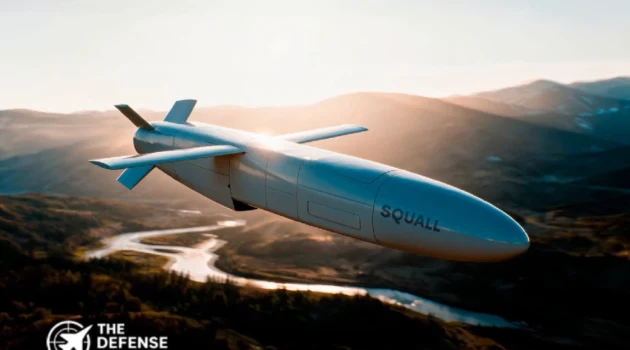
Executive Summary: Spanish defense company Indra has unveiled SQUALL, a new low-cost cruise missile designed to strike strategic targets more than 300 kilometers away. The company says the weapon can be launched from land or naval platforms and is designed for low-altitude flight, precision targeting, and resistance to jamming and spoofing. Indra is also positioning SQUALL for coordinated mass attacks intended to saturate air defenses. The company has not publicly disclosed key specifications including missile dimensions, speed, warhead size, propulsion system, unit price, test schedule, or entry-into-service date.
Indra Introduces SQUALL Cruise Missile
Indra has unveiled the SQUALL cruise missile, a new Spanish-developed weapon designed to conduct precision strikes against targets more than 300 kilometers away.
The company presented the system at UNVEX 2026 in San Javier, Murcia, on September 16. Indra describes SQUALL as a low-cost cruise missile intended for attacks against targets in the adversary’s rear area, including command and control centers, air defense systems, and other high-value military infrastructure.
Indra says SQUALL is designed for both individual precision missions and coordinated attacks involving larger numbers of missiles. The latter concept is intended to create saturation effects against defensive systems.
The company has emphasized that the missile is being developed around a national supply chain, with the aim of maintaining production capacity during periods of disrupted international logistics.
SQUALL Missile Specifications
Indra has released only a limited set of technical information about SQUALL. Several characteristics normally used to evaluate a cruise missile remain undisclosed.
Characteristic SQUALL Manufacturer Indra Country Spain Type Cruise missile Stated range More than 300 km Launch platforms Land and naval platforms Launch methods Ramps, containers and tactical vehicles Flight profile Low altitude, according to Indra Guidance Multiple guidance and navigation systems Electronic warfare resilience Designed to resist jamming and spoofing Intended targets Command and control, air defense and high-value military infrastructure Employment concept Precision strikes and coordinated saturation attacks Unit cost Not disclosed Speed Not disclosed Warhead Not disclosed Propulsion Not disclosed Development schedule Not publicly specified The absence of these specifications is significant. Range alone does not establish the overall capability of a cruise missile, because effectiveness also depends on speed, signature, navigation accuracy, warhead effects, survivability, sensor performance, launch integration, and production capacity.
Low-Altitude Flight and Electronic Warfare
Indra says SQUALL is designed to fly at low altitude. Such flight profiles can reduce radar detection opportunities because the curvature of the Earth and terrain can limit the line of sight available to ground-based sensors.
The company describes this as part of the missile’s ability to operate with a high degree of stealth. That should not be interpreted as evidence that SQUALL is a stealth missile in the same technical sense as systems specifically designed around very low radar cross-section characteristics. Indra has not publicly released a radar cross-section figure or detailed signature data.
SQUALL also incorporates multiple guidance and navigation systems intended to maintain the weapon’s ability to reach its target when subjected to jamming or spoofing.
That feature reflects a central challenge for modern long-range precision weapons. Satellite navigation signals can be disrupted or manipulated, while other navigation and guidance methods introduce their own requirements for sensors, computing, mapping, target information, and system integration.
Indra has not publicly detailed the individual guidance technologies used by SQUALL. It therefore remains unclear how the missile combines navigation sources or how it performs terminal target acquisition.
Designed for Saturation Attacks
One of the most important elements of the SQUALL concept is its intended cost structure.
Indra describes the weapon as low cost compared with conventional missiles. The company says this would allow SQUALL to be used in small numbers for precision attacks or in larger coordinated salvos designed to saturate air defenses.
The concept is closely linked to the changing economics of modern air warfare. Defending against a large number of incoming weapons can require expensive interceptors, radar coverage, command and control capacity, and multiple defensive layers.
A lower-cost offensive missile can therefore change the number of weapons a force can procure and deploy. However, the actual economic advantage of SQUALL cannot yet be quantified because Indra has not disclosed a unit price or production rate.
The same limitation applies to claims about production scale. A missile can be designed around low-cost components while still facing challenges involving propulsion, seekers, electronics, testing, quality control, and supply-chain capacity.
Land and Naval Launch Options
SQUALL is being designed for integration with both land and naval platforms.
Indra says the missile can be launched from ramps, containers, or tactical vehicles. This suggests an emphasis on launcher flexibility rather than dependence on a single specialized platform.
For land forces, containerized or vehicle-based launch could potentially allow cruise missiles to operate from dispersed positions. For naval forces, compatibility with containerized launch arrangements could provide additional integration options, although Indra has not identified specific ships or launch systems that will carry SQUALL.
The distinction between planned compatibility and demonstrated integration is important. At the time of the September 2026 unveiling, the company had not publicly identified a completed operational launcher configuration.
A New Layer in Indra’s Defense Portfolio
SQUALL expands Indra’s activities beyond its established work in sensors, electronic systems, air defense, command and control, and unmanned systems.
The company is also presenting the DRIZZLE effector drone and the TARSIS unmanned aircraft family at UNVEX 2026. Indra says DRIZZLE is intended to intercept drones and attack light targets at ranges of up to 130 kilometers, while TARSIS platforms provide attack, intelligence, surveillance, reconnaissance, and target-designation capabilities.
Indra says these systems are designed to operate within a broader multilayered air defense architecture and combat cloud.
The broader significance is the integration of sensors, command and control, unmanned systems, counter-drone capabilities, and long-range strike effects into a connected architecture. For European militaries, such integration is increasingly important as forces seek to combine relatively inexpensive systems with more sophisticated and expensive weapons.
Why SQUALL Matters for European Long-Range Strike
SQUALL arrives as European defense industries are placing greater emphasis on domestic production capacity and long-range precision weapons.
The missile’s stated range of more than 300 kilometers places it in a class of systems capable of engaging targets well beyond the immediate tactical battlespace. Its intended targets also indicate an emphasis on operational-level effects, particularly command nodes and air defense infrastructure.
For Spain, domestic development could also provide an additional source of sovereign long-range strike technology. Indra specifically highlights control over the supply chain as part of SQUALL’s design philosophy.
That aspect could become important during a major conflict, when demand for precision weapons can rise sharply and international supply chains may face competing requirements from multiple countries.
For the United States and its European allies, the development is relevant to the wider effort to increase the depth, volume, and resilience of allied precision-strike inventories. It also illustrates a shift toward considering not only the performance of individual weapons but the number of weapons that can be produced and sustained during a prolonged conflict.
What Remains Undisclosed
SQUALL remains a newly unveiled system, and several important questions remain unanswered.
Indra has not publicly released the missile’s maximum speed, dimensions, launch weight, warhead configuration, propulsion system, seeker architecture, radar signature, exact unit cost, production rate, flight-test schedule, or operational entry date.
The company also has not publicly announced a procurement contract for SQUALL from the Spanish Armed Forces.
These details will be important for assessing the system’s eventual military value. In particular, the combination of production cost, manufacturing rate, guidance resilience, survivability, and demonstrated accuracy will determine how SQUALL compares with other long-range precision weapons.
For now, the September 2026 announcement establishes SQUALL as a Spanish cruise missile development focused on range, precision, launch flexibility, electronic warfare resilience, and scalable production.
The Defense Watch Assessment
SQUALL’s most notable feature is not simply its stated range of more than 300 kilometers. The larger design objective is to combine long-range precision strike with a lower-cost production model capable of supporting larger salvos.
That approach addresses a practical problem in modern warfare: sophisticated air defenses can be effective against individual threats, but maintaining sufficient interceptor inventories against sustained attacks can become a major logistical and economic challenge.
Whether SQUALL can deliver that intended balance will depend on information that Indra has not yet released, particularly its production cost, propulsion performance, guidance architecture, survivability, test results, and manufacturing capacity.
The September 2026 unveiling therefore represents the beginning of a development story rather than evidence of an already operational cruise-missile capability. Further testing, industrial commitments, and potential Spanish or international procurement decisions will provide the information needed to assess how the system develops.
Covenant Anthem Cruise Missile Enters U.S. Affordable-Strike Market
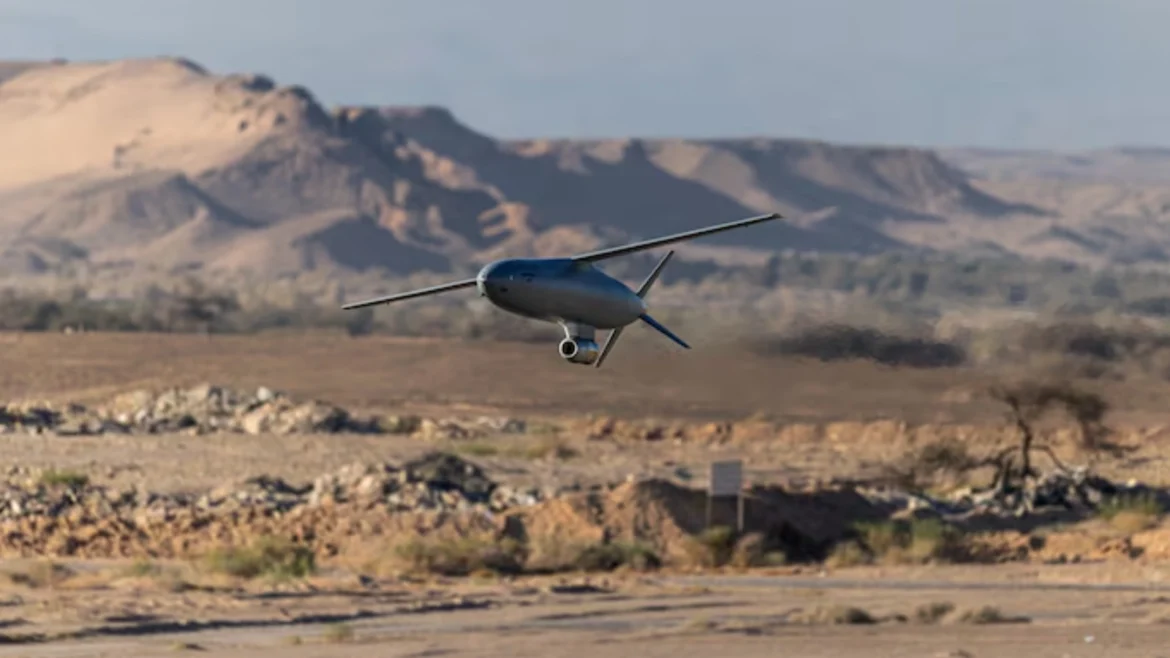
Covenant has unveiled the Anthem cruise missile, a ground-launched, heavy-payload weapon that the U.S. defense startup says is designed for rapid mass production at a significantly lower cost than many existing long-range strike systems. Reuters reported on September 9 that Covenant is targeting a mid-six-figure unit price and has already accumulated roughly $150 million in orders.
Takeaways
Covenant has unveiled Anthem, a ground-launched cruise missile designed around a lower-cost, high-volume production model as the United States and its allies seek larger stocks of long-range precision weapons.
The announcement comes as the United States and its allies seek to rebuild precision-strike inventories while changing how long-range weapons are procured. The U.S. Air Force is already funding programs intended to put large numbers of lower-cost cruise missiles into production, making Covenant’s approach part of a wider shift rather than an isolated industry development.
What Is the Anthem Missile?
Anthem is a ground-launched cruise missile designed to carry a payload of more than 200 kg, or about 441 pounds. Covenant says the weapon is intended to complement more expensive and more sophisticated systems rather than replace them.
Reuters reported that Anthem uses a solid rocket motor for launch and a heavy-fuel jet engine for cruise flight. Covenant says the missile has completed more than 200 test flights over the past year.
The company has not publicly disclosed a complete set of operational specifications, including the missile’s exact maximum range, speed, dimensions, guidance architecture or final production configuration. Those omissions are important when comparing Anthem with established weapons such as Tomahawk and JASSM-ER.
| Feature | Anthem |
|---|---|
| Manufacturer | Covenant |
| Type | Ground-launched cruise missile |
| Payload | More than 200 kg |
| Launch propulsion | Solid rocket motor |
| Cruise propulsion | Heavy-fuel jet engine |
| Reported testing | More than 200 flight tests |
| Target unit cost | About $500,000 at full-rate production |
| Planned U.S. production | Up to 5,000 annually |
| Planned German production | Up to 5,000 annually |
| Planned Israeli production | Up to 2,000 annually |
| Reported orders | About $150 million |
| U.S. deliveries | Planned for 2027 |
The figures above are based primarily on Covenant statements reported by Reuters and should be treated as company targets or reported results where indicated.
Production Capacity Is the Main Story
The most significant aspect of Anthem may not be its individual technical specifications but the production model Covenant is pursuing.
Reuters reported that Covenant’s facilities in Dallas and Saxony, Germany, are each designed to reach production rates of about 5,000 missiles per year. A smaller facility in northern Israel is planned for approximately 2,000 annually, giving the company a potential combined capacity of about 12,000 missiles per year.
The German facility is expected to begin production in early 2027. Covenant says its initial rate will be approximately 1,000 missiles per year before increasing toward a 5,000-per-year rate by 2028.
That distinction matters. Designing a missile for mass production is different from demonstrating that a company can actually manufacture thousands of flight-qualified weapons every year. Engine availability, electronics, propulsion components, testing capacity, quality control and supply-chain resilience can all become limiting factors during a production surge.
Covenant says it has attempted to reduce this risk by avoiding dependence on a single supplier. The company has reportedly secured three solid-rocket-motor suppliers, with a fourth under development, and long-term agreements covering more than 4,000 jet engines over the next two years.
Why Low-Cost Cruise Missiles Matter
The strategic argument for weapons such as Anthem is straightforward: long-range precision weapons are valuable, but limited inventories can restrict how commanders employ them during a prolonged conflict.
Traditional high-end missiles provide capabilities that justify substantial development and procurement costs, including sophisticated guidance, survivability and long-range strike performance. But using only expensive weapons against large numbers of targets can create an unfavorable cost and inventory equation.
A lower-cost missile can instead provide additional capacity for missions where the highest-end weapon is not required.
The concept is already visible in U.S. Air Force planning. The service’s FY2027 budget identifies the Family of Affordable Mass Missiles, or FAMM, as a low-cost, standoff cruise missile program intended to provide affordable mass and complement more complex weapons. The budget requests procurement of 5,300 FAMM weapons in FY2028, 5,920 in FY2029 and 7,700 in FY2030, with a total planned procurement quantity of 26,910 through FY2031.
The Air Force also says FAMM is intended to provide long-range affordable mass capable of stressing enemy defensive inventories. That approach is directly relevant to the operational rationale behind Anthem.
Anthem and the U.S. Long-Range Strike Requirement
Covenant’s missile is entering a market where the U.S. military is already seeking greater quantities of affordable standoff weapons.
The Air Force has described its Extended Range Attack Munition, or ERAM, as a next-generation air-launched cruise missile intended to provide cost-effective long-range strike capability in large numbers. In January 2026, the service reported a successful live-warhead test that met all primary objectives.
FAMM represents another part of the same broader acquisition direction.
Covenant’s Anthem differs in an important way because it is designed as a ground-launched weapon. That potentially allows the missile to be deployed without consuming aircraft hardpoints or relying on manned aircraft to enter or approach the launch area.
Reuters reported that Covenant developed Anthem with the Pacific in mind, including the possibility of ground-launched weapons operating from allied territory. The company has specifically discussed the concept in relation to the geographic challenges of a potential conflict involving China.
That is an operational concept rather than evidence of a specific U.S. deployment plan. Any actual deployment would depend on range, guidance, survivability, basing arrangements, export controls and military integration requirements that have not been publicly detailed.
How Anthem Fits With Tomahawk and JASSM-ER
Covenant positions Anthem as a complementary weapon rather than a direct replacement for existing U.S. long-range missiles.
Reuters reported that the company sees the missile operating alongside weapons such as the Tomahawk and JASSM-ER. Tomahawk provides a mature long-range strike capability, while JASSM-ER gives the U.S. military an air-launched standoff option.
The key difference is the intended production and cost structure.
| Weapon | Launch Method | Primary Role | Publicly Reported Range | Cost Position |
|---|---|---|---|---|
| Anthem | Ground | Long-range precision strike | Not publicly specified by Covenant | Targeted around $500,000 |
| Tomahawk | Primarily naval/ground variants | Long-range land attack | About 1,000 miles for the cited variant | Higher-cost legacy system |
| JASSM-ER | Air-launched | Long-range standoff strike | About 600 miles | More than $1 million class |
| FAMM | Air and palletized configurations | Affordable mass strike | Extended-range variant planned above 1,000 nautical miles | Designed for lower cost |
The comparison should not be interpreted as a direct performance ranking. Anthem’s publicly available specifications remain incomplete, while Tomahawk and JASSM-ER are mature operational systems with established integration, testing and deployment histories.
Europe Is Becoming an Important Market
Covenant’s decision to establish production in Germany also reflects the growing European demand for long-range strike weapons.
Reuters reported that Covenant has secured one European contract for Anthem and is in discussions with additional customers, although the company has not publicly identified those countries. Initial deliveries from the German production line are expected in early 2027.
The European requirement has become more visible as governments reassess the size of their long-range missile inventories and the ability of existing industrial bases to replenish weapons quickly.
Germany is also pursuing other long-range strike capabilities. Reuters reported earlier this month that German forces successfully tested an Israeli-made LORA ballistic missile and are working on an upgraded Taurus NEO cruise missile.
Anthem therefore enters a European market that is already expanding across several categories of long-range weapons.
The Supply Chain Will Determine Whether the Model Works
The central challenge for Covenant is no longer simply proving that Anthem can fly.
More than 200 reported test flights provide evidence of an active development and testing campaign, but sustained production at several thousand weapons per year presents a different engineering and industrial challenge.
For a missile intended to be produced at scale, manufacturing repeatability becomes as important as individual weapon performance.
Covenant’s reported strategy of using multiple propulsion suppliers is designed to reduce the risk that one supplier becomes a bottleneck. The company also says it has secured long-term engine agreements.
If those arrangements translate into sustained production, the approach could help demonstrate a different model for the U.S. defense industry: smaller companies using commercial-style investment and manufacturing practices to produce large quantities of military hardware.
However, production targets should not be confused with delivered inventory. The decisive measure will be how quickly Covenant can move from test articles and initial production to consistent delivery of operationally qualified missiles.
What Comes Next for Anthem
Covenant expects U.S. deliveries in 2027 and plans to begin mass production in Germany in early 2027. The company is also developing a naval version of Anthem, according to Reuters reporting.
For the U.S. military, the broader significance is the emergence of another supplier pursuing the same basic requirement already identified by the Pentagon and Air Force: more long-range precision weapons that can be produced in substantial quantities.
The Air Force’s FY2027 budget shows that affordable mass is becoming a formal procurement objective, with thousands of FAMM weapons planned over the coming years.
Anthem’s success will ultimately depend on whether Covenant can turn its reported test record, supplier network and production ambitions into a reliable stream of fielded weapons.
That makes the company’s 2027 production ramp more important than the unveiling itself. The U.S. defense sector is increasingly focused not only on how capable a missile is, but also on how many can be built, how quickly they can be replaced and whether the industrial base can sustain production during a prolonged conflict.
Executive Summary:
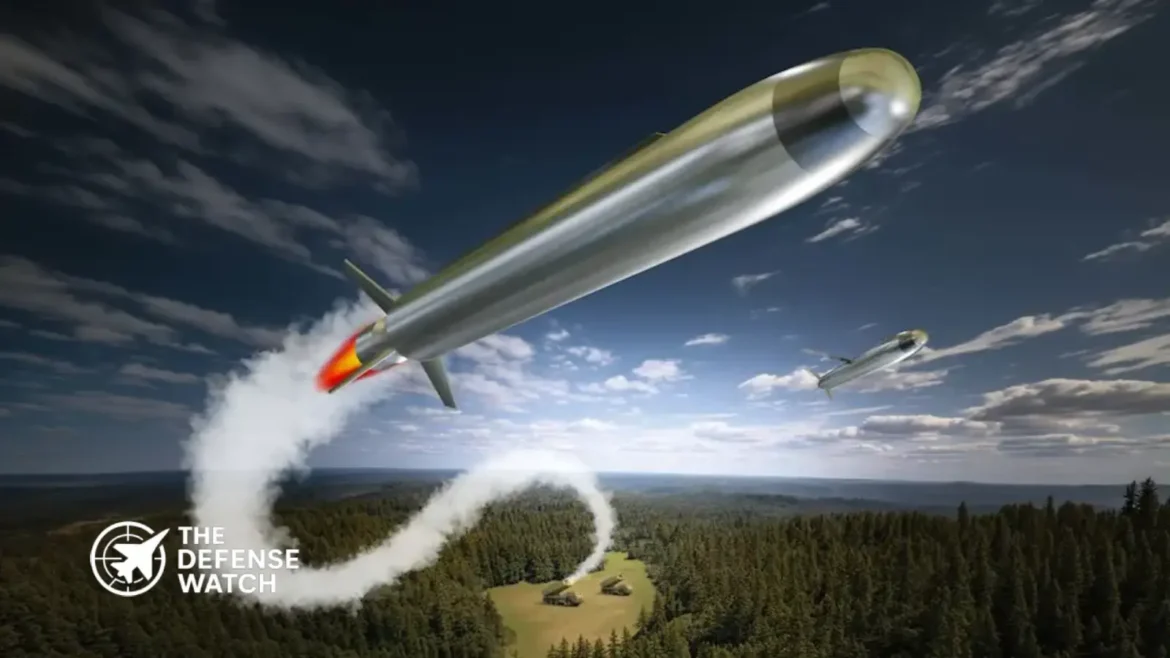
Leidos will manufacture 3,000 low-cost containerized cruise missiles under an agreement with the U.S. Department of Defense. The program aims to expand affordable long-range strike capacity while supporting distributed and rapidly deployable missile operations.
Leidos Containerized Cruise Missiles Expand U.S. Strike Capacity
The new Leidos containerized cruise missiles program marks another step in the Pentagon’s push to field larger numbers of affordable precision weapons for future high-intensity conflicts. The agreement calls for the production of approximately 3,000 low-cost cruise missiles designed for containerized launch operations.
The effort reflects a broader U.S. military modernization strategy focused on survivability, scalability, and distributed strike operations. Containerized missile systems can be transported using standard shipping infrastructure, enabling more flexible deployment options across land and maritime environments.
The U.S. Department of Defense has increasingly emphasized the need for mass-produced precision munitions capable of supporting prolonged operations in contested regions, particularly in the Indo-Pacific theater. Defense planners have warned that current missile inventories may be insufficient during a large-scale peer conflict.
Focus On Affordable Mass Production
Unlike traditional high-cost cruise missile programs, the Leidos containerized cruise missiles initiative appears designed around affordability and production scale. That approach aligns with current Pentagon priorities aimed at increasing munition stockpiles without relying exclusively on expensive legacy systems.
The low-cost missile concept also supports the U.S. military’s growing emphasis on attritable weapons. These systems are intended to be affordable enough for large-scale operational use while still delivering precision strike capability.
Containerized launchers provide additional operational advantages. By using commercial-style containers, missile systems can be rapidly repositioned, concealed, or dispersed across wider operational areas. Military analysts have increasingly linked such concepts to distributed maritime operations and expeditionary warfare strategies.
The agreement also highlights continuing industry demand for scalable manufacturing capacity. The U.S. defense industrial base has faced pressure to accelerate missile production following rising global tensions and continued military aid commitments overseas.
Strategic Relevance In The Indo-Pacific
The Leidos containerized cruise missiles program comes amid heightened U.S. concern over long-range strike competition in the Indo-Pacific region. The Pentagon has repeatedly identified the need for survivable and dispersed missile systems capable of operating inside contested environments.
Containerized systems may complicate enemy targeting by reducing reliance on fixed launch infrastructure. This concept aligns with evolving U.S. operational doctrines focused on mobility and distributed force structures.
Military planners are increasingly prioritizing systems that can be deployed across islands, forward operating bases, or support vessels with limited infrastructure requirements. The ability to rapidly field missile launch capability using containerized systems could provide operational flexibility during regional contingencies.
The production scale of 3,000 missiles also suggests the Pentagon is placing greater emphasis on sustained combat capacity rather than smaller inventories of highly specialized weapons. Analysts have noted that future conflicts may require significantly larger munition stockpiles than previously anticipated.
Defense Industry Implications
For Leidos, the agreement strengthens the company’s role in emerging precision strike and advanced weapons programs. Traditionally known for defense electronics, integration, and technology services, the company has continued expanding into advanced military systems and next-generation defense solutions.
The agreement may also reinforce broader Pentagon efforts to diversify missile suppliers and reduce dependence on a limited number of major prime contractors. Expanding industrial participation is viewed as a critical step toward increasing resilience across the U.S. defense manufacturing sector.
The missile production effort follows a wider trend across the defense industry involving low-cost strike systems, autonomous weapons, and distributed launch concepts. Multiple U.S. and allied defense programs are currently exploring similar approaches to improve operational flexibility while lowering procurement costs.
Growing Demand For Distributed Strike Systems
The Leidos containerized cruise missiles initiative reflects changing assumptions about future warfare. Defense planners increasingly expect future conflicts to involve dispersed operations, contested logistics, and heavy demand for precision munitions.
As a result, military modernization programs are shifting toward systems that can be produced rapidly, deployed flexibly, and sustained at scale. Containerized missile systems fit within that evolving framework by combining mobility, concealment, and lower operational complexity.
The Pentagon has not publicly disclosed full technical specifications for the missiles covered under the agreement. However, the scale of the production plan underscores the growing strategic importance of affordable long-range precision strike systems in U.S. defense planning.
Executive Summary:
The U.S. Air Force is aiming to field cargo-launched cruise missiles by 2027 under its Rapid Dragon program. The initiative seeks to transform transport aircraft into stand-off missile carriers, expanding operational flexibility and long-range strike capacity in contested environments, particularly in the Indo-Pacific.
U.S. Air Force Accelerates Cargo-Launched Cruise Missile Program
The U.S. Air Force is moving aggressively to deploy cargo-launched cruise missiles by 2027 as part of its broader effort to strengthen long-range strike capabilities against increasingly sophisticated threats.
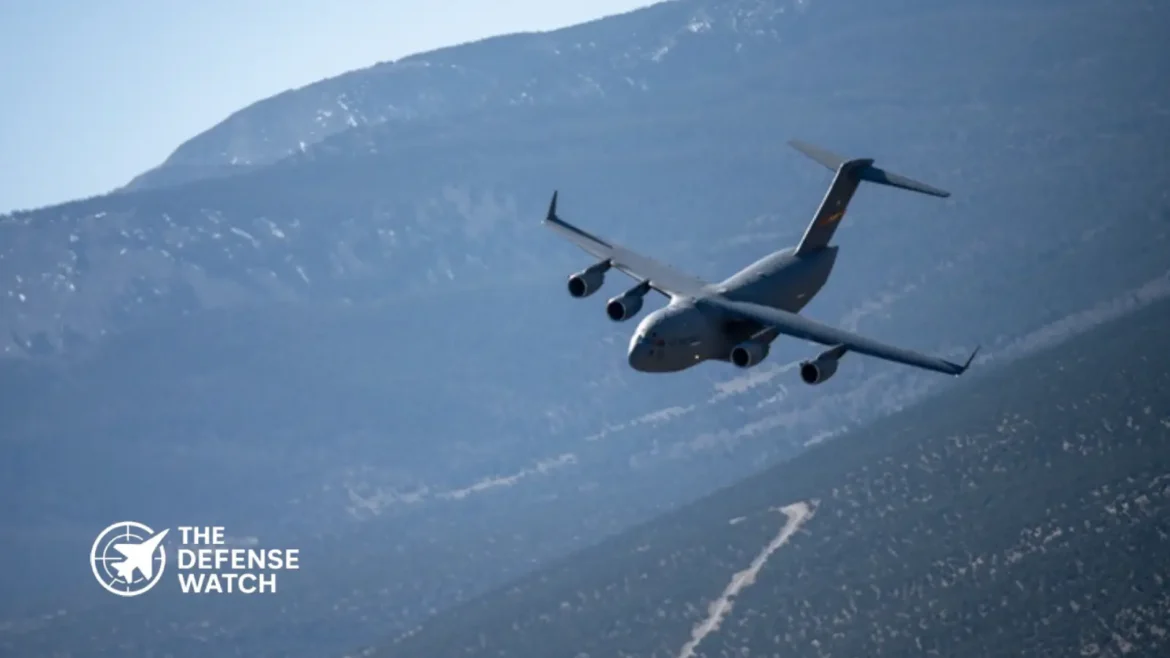
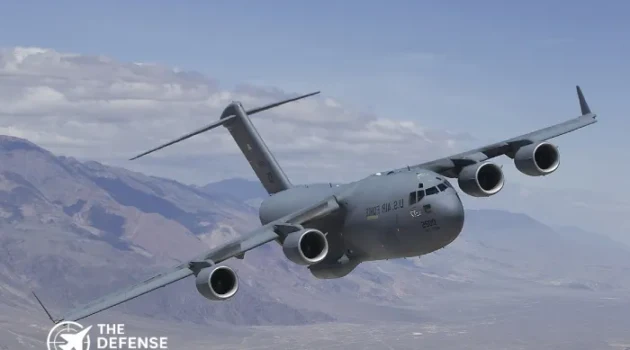
The initiative centers on the Rapid Dragon program, which enables transport aircraft such as the Lockheed Martin C-130J Super Hercules and Boeing C-17 Globemaster III to launch palletized cruise missiles from cargo bays without requiring permanent aircraft modifications.
The concept represents a significant shift in how the U.S. military could conduct stand-off strikes in future conflicts. Instead of relying solely on traditional bombers or fighter aircraft, the system allows mobility aircraft to serve as missile carriers capable of launching large salvos from outside heavily defended airspace.
The Air Force Research Laboratory, working alongside the Pentagon and industry partners, has already demonstrated successful live-fire tests involving palletized missile deployments.
Rapid Dragon Expands Operational Flexibility
The Rapid Dragon system was initially designed to provide a low-cost and rapidly scalable strike capability using existing cargo aircraft fleets.
Under the concept, cruise missiles are loaded onto pallets and dropped from the rear cargo ramp of an aircraft. Once released, parachutes stabilize the pallet before individual missiles separate, ignite, and proceed toward assigned targets.
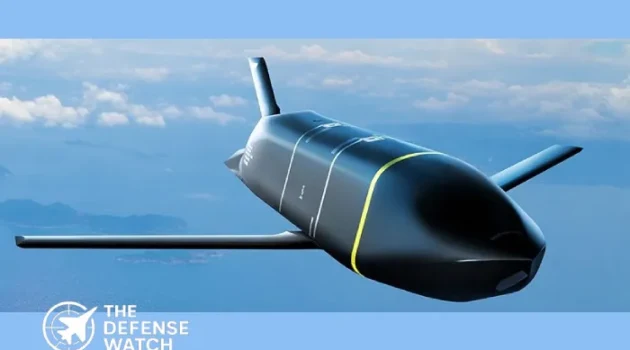
Previous demonstrations have included launches of the AGM-158B Joint Air-to-Surface Standoff Missile Extended Range, commonly known as JASSM-ER. The missile offers long-range precision strike capability against high-value targets while allowing launch aircraft to remain outside hostile air defense coverage.
The operational advantage is substantial. The U.S. Air Force maintains a far larger fleet of transport aircraft than dedicated bombers. Converting cargo aircraft into temporary missile launch platforms could dramatically increase available strike capacity during a major conflict.
Military planners increasingly view this flexibility as essential for operations across the Indo-Pacific, where long distances and growing anti-access and area-denial networks present major challenges for conventional air operations.
Indo-Pacific Strategy Driving Development
The cargo-launched cruise missile effort aligns closely with evolving U.S. defense strategy focused on the Indo-Pacific region.
Chinese investments in advanced integrated air defenses, anti-ship ballistic missiles, and long-range sensors have forced the Pentagon to rethink traditional airpower deployment concepts. Distributed operations and survivable strike platforms are now central to American military planning.
By dispersing launch capability across multiple cargo aircraft, the Rapid Dragon system complicates enemy targeting calculations. Transport aircraft can also operate from a wider network of airfields than large bomber fleets, increasing operational resilience.
This approach supports the Pentagon’s broader Agile Combat Employment strategy, which emphasizes mobility, dispersion, and unpredictability in contested theaters.
The system could also offer strategic benefits beyond the Pacific. In Europe or the Middle East, palletized cruise missile launch capability would provide commanders with additional options during high-intensity operations without requiring forward deployment of specialized strike aircraft.
Air Force Seeks Faster Fielding Timeline
The U.S. Air Force’s reported goal of achieving operational deployment by 2027 reflects growing urgency within the Pentagon to accelerate modernization programs.
Defense officials have repeatedly warned that future conflicts could involve massed missile exchanges and rapidly contested airspace. Expanding launch capacity using existing aircraft inventories offers a comparatively affordable way to increase combat power without waiting for entirely new aircraft programs.
Unlike traditional weapons integration efforts, the Rapid Dragon concept minimizes structural aircraft modifications, reducing certification timelines and logistical complexity.
The system may also strengthen allied interoperability. Several partner nations already operate C-130 aircraft, potentially allowing compatible missile deployment concepts across coalition forces in future joint operations.
While the program remains in development, its progress underscores how the Pentagon is prioritizing adaptable and scalable strike solutions as geopolitical competition intensifies.
Strategic Analysis
The cargo-launched cruise missile program reflects a broader transformation in modern air warfare, where survivability and distributed lethality increasingly outweigh traditional force structure models.
For decades, strategic strike missions depended heavily on expensive bomber fleets and forward-based tactical aircraft. Rapid Dragon challenges that framework by converting support aircraft into operational strike assets with minimal preparation.
The concept also addresses a growing concern within the U.S. defense community: missile inventory depth. In a prolonged conflict against a near-peer adversary, sustaining large-scale precision strike operations may require far more launch platforms than current bomber numbers can provide.
Another key advantage lies in operational ambiguity. Cargo aircraft conducting routine transport missions are less predictable than dedicated strike aircraft, potentially complicating adversary intelligence and targeting efforts.
However, vulnerabilities remain. Transport aircraft are slower and less survivable than stealth bombers in highly contested environments. Their effectiveness would still depend heavily on stand-off launch distances, escort support, electronic warfare protection, and access to secure operating locations.
Even so, the Rapid Dragon initiative demonstrates how the Pentagon is seeking practical methods to expand combat capacity rapidly while controlling procurement costs.
The US Air Force is planning to acquire nearly 28,000 affordable cruise missiles over five years in a program worth about $12 billion. The goal is simple: build a large, cost-effective strike capability for high-end conflict, especially in contested regions where traditional weapons are too expensive or limited in number.
This is not just about buying more missiles. It reflects a shift in how the US prepares for future wars, focusing on volume, survivability, and cost efficiency. If you want to understand modern airpower, this program is a key signal.
What Is the Affordable Cruise Missile Program
The Affordable Cruise Missile (ACM) program is a US Air Force initiative to mass-produce lower-cost, air-launched cruise missiles.
Unlike traditional systems such as the JASSM, which are highly capable but expensive, these missiles aim to:
- Reduce cost per unit
- Increase production scale
- Maintain enough capability for operational use
Think of it as moving from “precision but scarce” to “good enough and abundant.”
Why It Matters
1. Warfighting Reality Has Changed
Modern conflicts, especially against near-peer adversaries, require:
- Large volumes of precision strikes
- The ability to overwhelm defenses
- Sustained operations over weeks or months
Expensive missiles alone cannot meet that demand.
2. Cost Imbalance Problem
Air defense systems are getting cheaper and more numerous. If offensive missiles remain expensive, the attacker loses the economic battle.
Affordable missiles help fix that imbalance.
3. Indo-Pacific Focus
In a potential conflict in the Pacific:
- Distances are vast
- Targets are numerous
- Resupply is difficult
A large stockpile becomes critical.
How It Works
The program focuses on three core ideas:
1. Simplified Design
- Fewer high-end features
- Modular components
- Reduced complexity
This lowers manufacturing cost and speeds up production.
2. Scalable Production
Instead of limited batches, the goal is industrial-scale output, similar to how drones are now produced.
3. Distributed Launch Platforms
These missiles can be launched from:
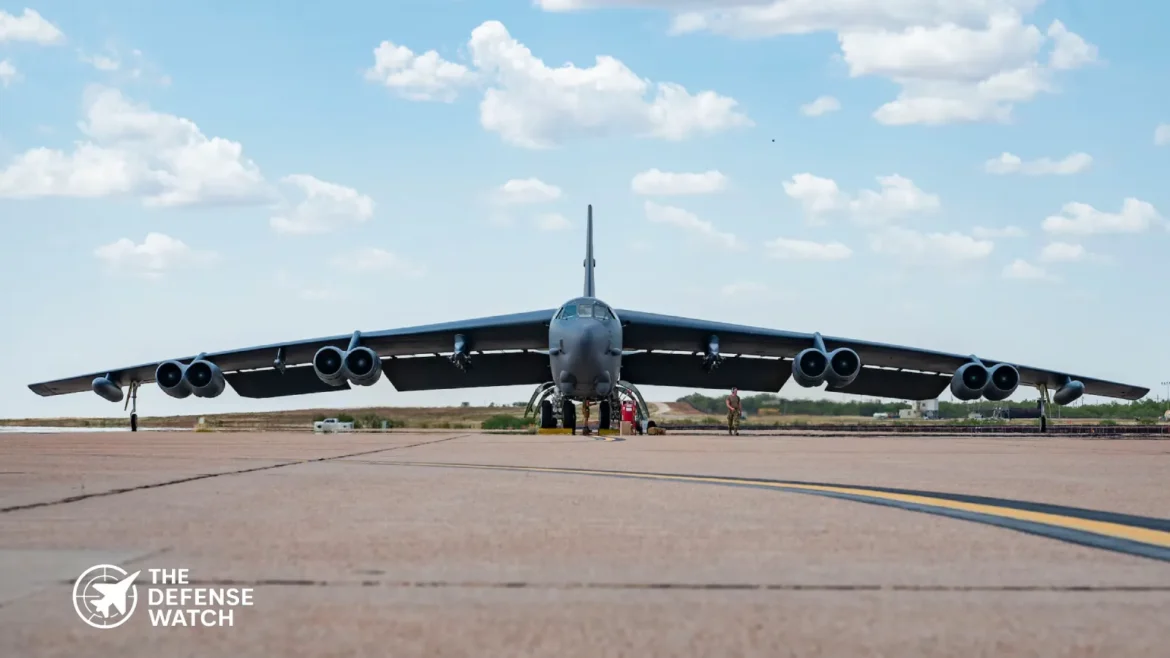
- Bombers like B-52 and B-21
- Fighter aircraft
- Potentially other platforms in the future
This increases flexibility and survivability.
Types / Methods / Options
While details are still emerging, the concept includes:
Low-Cost Cruise Missiles
Basic strike weapons designed for:
- Fixed targets
- Moderate air defense environments
Attritable Systems
Weapons that are:
- Expected to be lost in combat
- Cheap enough to replace
Networked Munitions
Future variants may:
- Share targeting data
- Adjust routes mid-flight
Common Mistakes (and Misconceptions)
“Cheaper Means Ineffective”
Not true. These missiles are designed to be effective enough, not perfect.
“This Replaces High-End Weapons”
It does not. High-end missiles still handle:
- Heavily defended targets
- Strategic strikes
Affordable missiles complement them.
“Quantity Alone Wins Wars”
Volume matters, but without targeting, coordination, and logistics, it fails.
Best Practices in Modern Missile Strategy
Mix High and Low Cost Systems
Use expensive missiles where needed, and cheaper ones for volume.
Prioritize Production Capacity
In a long war, manufacturing matters more than initial stockpiles.
Integrate With ISR Systems
Missiles are only as good as their targeting data.
Plan for Attrition
Losses are expected. Systems should be replaceable quickly.
Example / Case Study
Scenario: Indo-Pacific Conflict
Imagine a conflict where the US needs to strike hundreds of targets across island chains.
Using only high-end missiles:
- Stockpiles run out quickly
- Costs become unsustainable
With affordable cruise missiles:
- Large salvos can overwhelm defenses
- Lower-value targets can be engaged without wasting premium weapons
- Sustained operations become possible
This is the exact gap the program is trying to close.
FAQs
A lower-cost, air-launched missile designed for mass production and operational use in large numbers.
Future conflicts may require thousands of strikes over extended periods. Current inventories are not enough.
They may have slightly reduced capabilities, but still remain precise enough for most targets.
The timeline spans about five years, though early capabilities may appear sooner.
Drones can loiter and gather intelligence. Cruise missiles are faster, harder to intercept, and designed for immediate strike.
Final Verdict / Conclusion
The US Air Force affordable cruise missile program signals a clear shift in military thinking.
It is no longer about having the most advanced weapon alone. It is about having enough weapons to sustain a fight.
By combining affordability, scale, and operational flexibility, this program addresses one of the biggest weaknesses in modern Western arsenals, limited quantity.
If executed well, it could reshape how airpower is used in large-scale conflict.
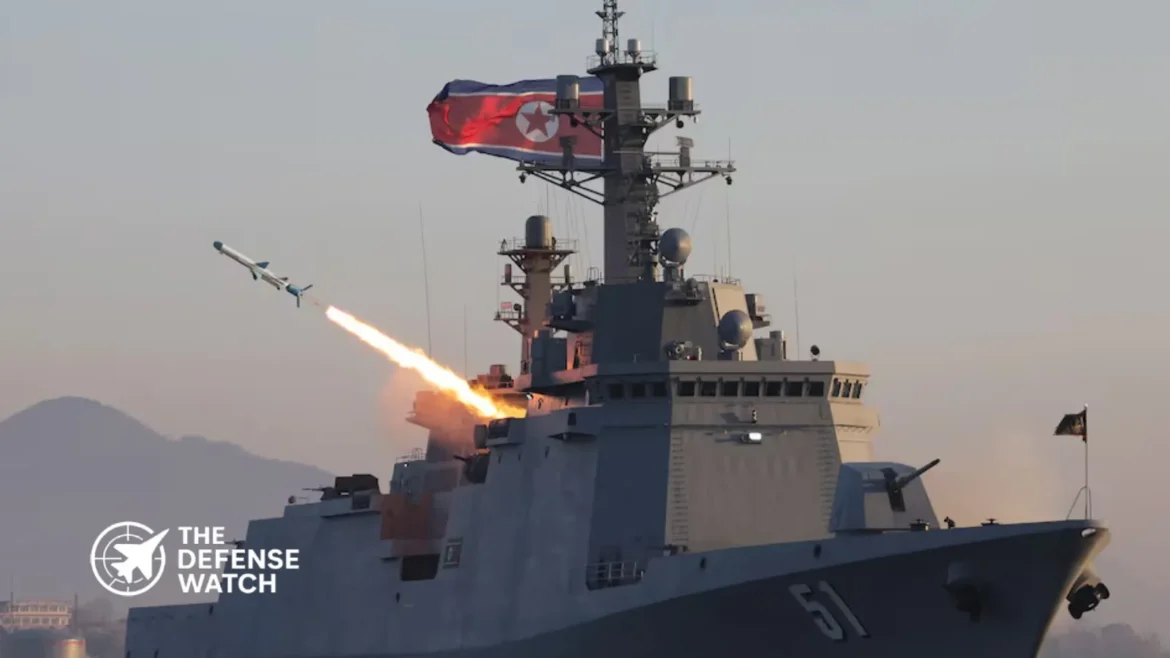
North Korea Cruise Anti-Ship Missile Test Highlights Naval Expansion
The North Korea cruise anti-ship missile program moved into focus again after Pyongyang confirmed a new series of launches from a naval destroyer, signaling a continued push to strengthen maritime strike capabilities.
The tests took place on April 13, with state media claiming the missiles successfully struck designated targets at sea. The launches were overseen by leader Kim Jong Un, reinforcing their political and strategic importance.
The latest North Korea cruise anti-ship missile test reflects a broader effort to modernize the country’s naval forces, which have traditionally lagged behind its ballistic missile and nuclear programs.
- North Korea conducted cruise anti-ship missile tests from a naval destroyer on April 13, 2026.
- The launches were reported by :contentReference[oaicite:0]{index=0}, citing state media in Pyongyang.
- The test demonstrates growing integration of precision-guided munitions into North Korea’s naval platforms.
- The missiles are designed to target enemy warships, enhancing maritime strike capabilities.
- The development comes amid rising tensions and continued weapons modernization in the Asia-Pacific region.
Naval Modernization Gains Momentum
The use of a destroyer as a launch platform marks a notable step in North Korea’s evolving naval doctrine. Historically focused on coastal defense and asymmetric tactics, the country is now showing signs of shifting toward more flexible maritime strike operations.
Cruise anti-ship missiles provide several operational advantages. They typically fly at low altitudes, making detection more difficult, and can be programmed to follow complex flight paths. This enhances their survivability against modern naval air defense systems.
By integrating such systems onto surface combatants, North Korea cruise anti-ship missile capabilities could extend beyond coastal waters, potentially complicating operations for regional naval forces.
Strategic Context In The Asia-Pacific
The test comes amid sustained military activity across the Asia-Pacific, where maritime security remains a key concern. North Korea’s weapons development continues alongside expanding naval capabilities in countries such as South Korea, Japan, and China.
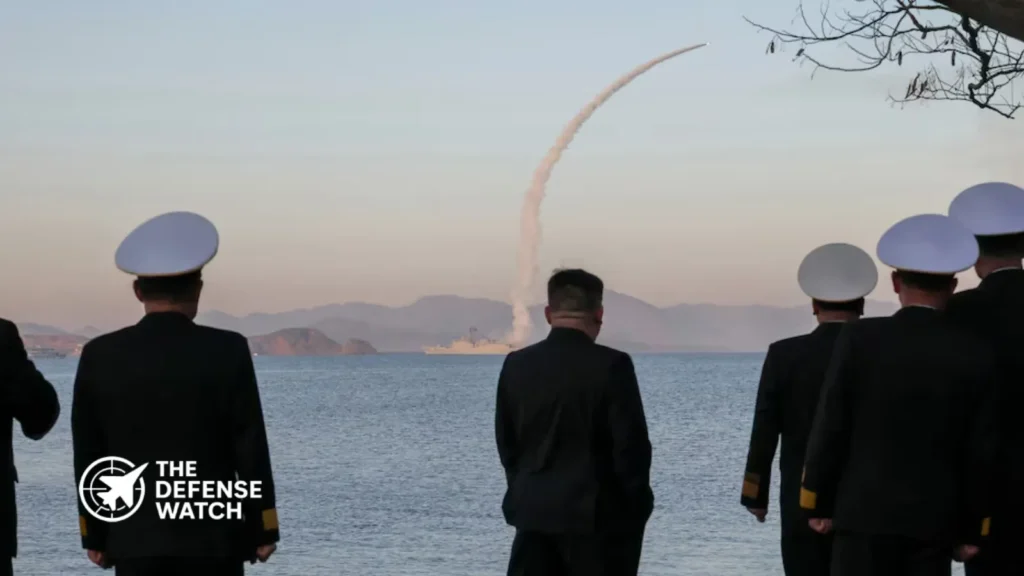
While Pyongyang has conducted multiple missile tests in recent years, the focus on naval platforms adds a new dimension. It suggests an intent to diversify delivery systems and increase operational flexibility.
From a strategic perspective, the North Korea cruise anti-ship missile program may aim to counter technologically superior adversaries by targeting high-value naval assets, including destroyers and carrier strike groups.
Operational Implications For Regional Forces
The introduction of more capable anti-ship cruise missiles could affect naval planning in the region. Even limited deployments can create challenges for maritime forces by increasing the risk envelope in contested waters.
Modern anti-ship missiles are designed to overwhelm defenses through speed, maneuverability, or coordinated attacks. If North Korea continues to refine these systems, regional navies may need to adapt their defensive postures, including enhanced surveillance, electronic warfare, and layered missile defense.
At the same time, analysts caution that North Korea’s naval capabilities remain relatively limited compared to major regional powers. The significance of the test lies less in immediate operational impact and more in long-term capability development.
Incremental Progress In Weapons Development
The North Korea cruise anti-ship missile test fits a pattern of incremental but steady advancements across multiple domains, including ballistic missiles, cruise systems, and tactical weapons.

State media reports often emphasize success, but independent verification of performance details remains limited. Still, repeated testing suggests ongoing refinement and a focus on reliability.
This approach aligns with North Korea’s broader strategy of developing a diversified arsenal that can present multiple challenges to adversaries.
Outlook
While the immediate military balance is unlikely to shift dramatically, the continued evolution of North Korea’s naval strike capabilities warrants close monitoring.
The integration of cruise anti-ship missiles into operational platforms indicates a more mature approach to maritime warfare. Over time, this could expand Pyongyang’s options in both deterrence and conflict scenarios.
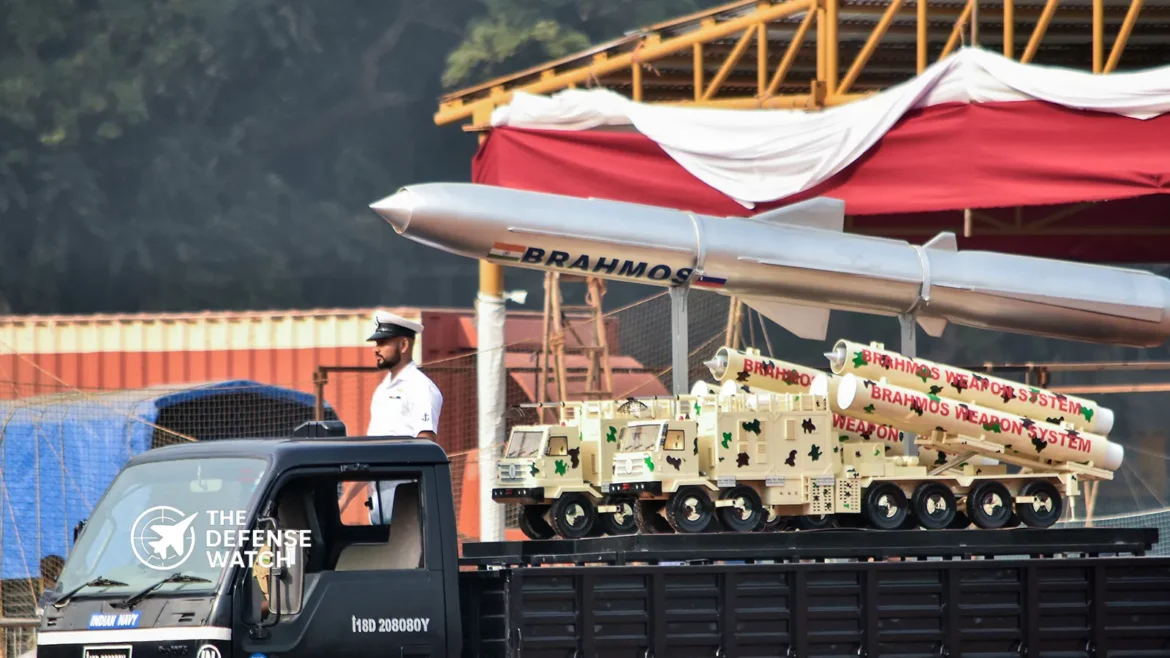
- ► Indian Army to order BrahMos supersonic cruise missiles with over 800 km strike range.
- ► Extended range BrahMos is part of India long range precision strike modernization.
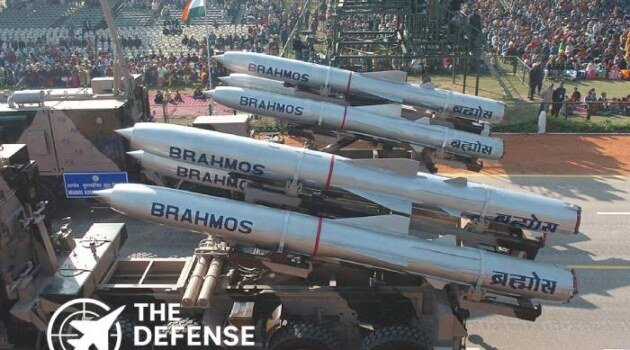
- ► BrahMos flies at roughly Mach 2.8 to 3 and serves Army, Navy and Air Force units.
- ► Procurement expected after senior defense ministry level review.
- ► New range significantly boosts India deep strike and deterrence posture.
Indian Army Plans Procurement of 800 km Range BrahMos Supersonic Missiles
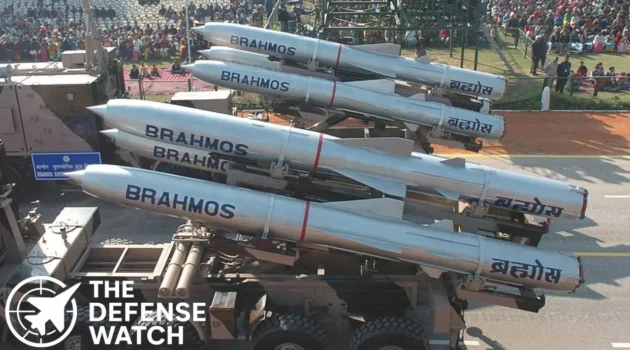
India’s Army is moving to procure a variant of the BrahMos supersonic cruise missile with a strike range exceeding 800 kilometers, the latest sign of New Delhi’s focus on extended-reach conventional precision strike weapons. The shift toward longer range comes amid regional security concerns and evolving battlefield demands.
BrahMos, developed by BrahMos Aerospace Limited in a joint venture between India’s Defence Research and Development Organisation and Russia’s NPO Mashinostroyeniya, has been India’s primary supersonic cruise missile system for more than a decade. The missile family currently deploys land, sea and air versions, with existing air-launched variants already reported to have flight performance beyond 450 kilometers and land and sea launch versions tested toward 800 kilometers.
The proposed Army order would mark a formal move by the defence establishment to acquire the extended-range variant for frontline formations. Senior ministry sources told defense outlets that the matter is slated for discussion at a high-level meeting in New Delhi.
BrahMos Extended Range: Technical and Strategic Context
BrahMos systems are notable for their high cruise speed of roughly Mach 2.8-3.0, which enhances survivability against air defense systems and improves penetration of defended airspace. The missile uses a solid booster followed by a liquid ramjet engine, and can operate in a low altitude, terrain-hugging flight profile.
Under existing export control restrictions, BrahMos was initially fielded with shorter ranges, but development efforts have been underway to extend reach. Recent tests and defense documentation describe variants with a range near 800 kilometers, with upgrades to propulsion and navigation to support higher fuel load and sustained supersonic flight.
India has already integrated BrahMos across the Army and Navy and modified Su-30MKI fighters to carry air-launched versions. The land launch regiments have been central to India’s conventional strike capability along contested borders.
Operational and Geopolitical Implications
An 800 km plus range cruise missile expands India’s ability to conduct deep precision strikes against high-value targets while remaining outside the immediate reach of adversary defenses. This extended range can affect planning along contested frontiers with Pakistan and China and shape deterrence dynamics in the broader Indo-Pacific. BrahMos has also been a focus for export cooperation with partners in Southeast Asia, underlining its broader geopolitical footprint.
Procurement of the extended-range variant highlights New Delhi’s intent to modernize and diversify its long-range strike arsenal alongside other missile programs. Defense analysts note that such systems serve as conventional strategic assets, reinforcing deterrence without nuclear escalation.
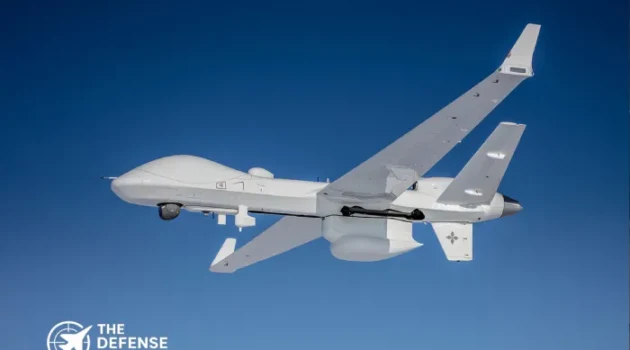
- General Atomics is studying integration of long-range cruise missiles on the MQ-9B SkyGuardian and SeaGuardian drones.
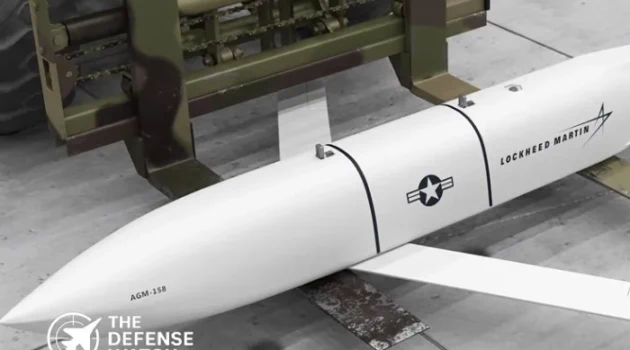
- Candidate weapons include the AGM-158 JASSM, AGM-158C LRASM, and the Joint Strike Missile (JSM).
- The capability aims to expand MQ-9B missions from ISR to long-range maritime and land strike.
- General Atomics plans to test flight integration of at least one of these weapons as early as 2026.
- The concept supports distributed operations across vast theaters such as the Western Pacific.
MQ-9B Long Range Missile Integration Expands Drone Strike Potential
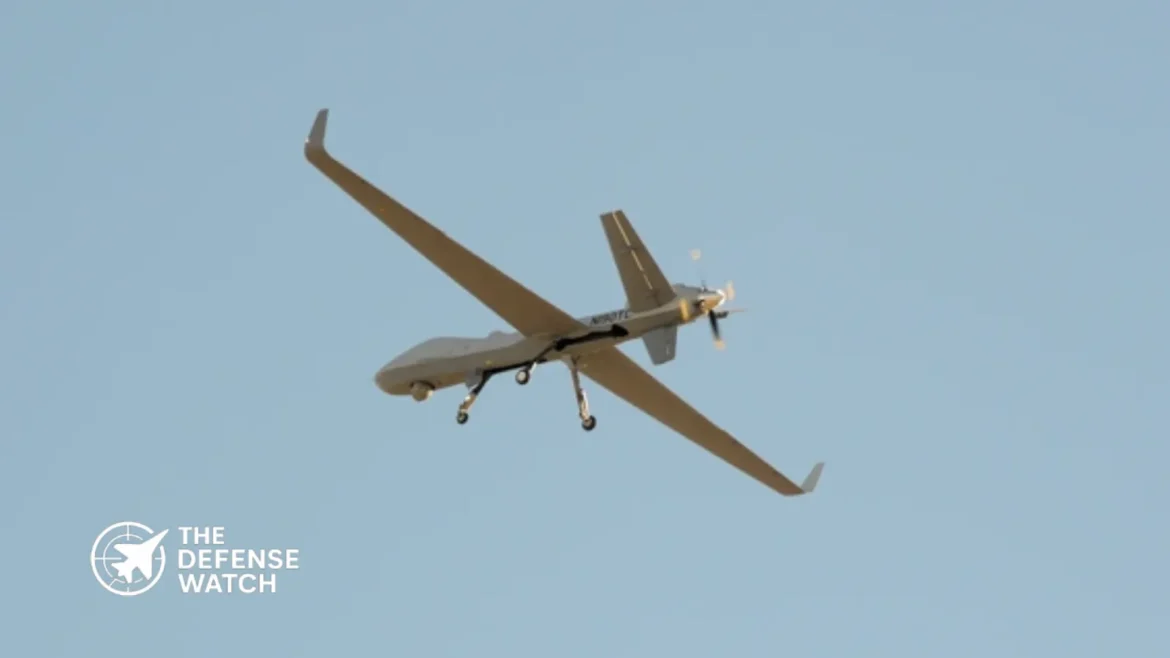
MQ-9B long range missile integration is being explored by General Atomics Aeronautical Systems Inc. as the company examines ways to equip its flagship unmanned aircraft with advanced cruise missiles such as the AGM-158 Joint Air-to-Surface Standoff Missile (JASSM), AGM-158C Long-Range Anti-Ship Missile (LRASM), and the Joint Strike Missile (JSM).
The initiative aims to expand the MQ-9B SkyGuardian and SeaGuardian platforms beyond their traditional intelligence, surveillance, and reconnaissance roles and into long-range precision strike missions.
If successful, the integration would mark a major shift in how medium-altitude long-endurance (MALE) drones contribute to high-end combat operations.
The Big Picture
U.S. and allied militaries increasingly seek distributed strike capabilities that can operate across large geographic areas without relying solely on manned aircraft.
Platforms capable of launching long-range precision weapons from outside hostile air defense zones are becoming central to modern operational concepts. The Indo-Pacific theater in particular presents vast distances that complicate traditional force projection.
Unmanned aircraft like the MQ-9B offer several advantages in this environment. They can remain airborne for extended periods, operate at relatively low cost compared with manned strike aircraft, and maintain persistent surveillance over potential targets.
Adding cruise missiles to such platforms effectively transforms them into long-range strike nodes within a distributed network of sensors and shooters.
What’s Happening
General Atomics announced in February 2026 that it is developing the ability for the MQ-9B to carry extended-range precision weapons.
Engineers are evaluating how the aircraft’s payload capacity, aerodynamic stability, range, and mission systems can support heavier weapons such as:
- AGM-158 JASSM long-range land-attack missile
- AGM-158C LRASM anti-ship missile
- Joint Strike Missile developed by Kongsberg and Raytheon
These weapons would allow the MQ-9B to engage heavily defended land targets or high-value naval assets from significant stand-off distances.
General Atomics said it intends to conduct flight testing with at least one of the missile types as early as 2026.
The company is examining how the additional weight and aerodynamic loads of these weapons affect the aircraft’s performance envelope.
Why It Matters
Equipping MQ-9B drones with long-range cruise missiles would significantly expand the operational role of unmanned aircraft in high-intensity conflict.
Traditionally, MQ-9 family drones have focused on ISR missions and limited precision strikes using smaller weapons such as Hellfire missiles or guided bombs. Integrating cruise missiles capable of traveling hundreds of kilometers changes that model.
Instead of operating near the battlefield, MQ-9B drones could remain well outside contested airspace while still delivering precision strikes.
This approach offers several advantages:
Persistent targeting capability
Lower operational cost compared with manned aircraft
Reduced risk to pilots
Greater flexibility for distributed operationsThe concept also aligns with emerging U.S. military doctrines emphasizing networked kill chains and multi-domain operations.
Strategic Implications
The addition of long-range cruise missiles could transform the MQ-9B into a distributed strike platform capable of supporting joint and coalition operations.
In maritime scenarios, an MQ-9B equipped with LRASM or JSM could help locate and engage hostile naval forces while coordinating with surface ships, submarines, and aircraft.
In land warfare, JASSM integration would allow the drone to target high-value infrastructure, command nodes, or air defense systems from extended distances.
Because the MQ-9B can remain airborne for many hours, it could loiter in designated areas waiting for targeting data before launching weapons.
This persistence provides commanders with additional flexibility compared with traditional strike aircraft that must return to base more frequently.
Competitor View
China and Russia closely monitor developments in unmanned strike capabilities, particularly those that enable long-range precision attacks.
Both countries have invested heavily in integrated air defense systems designed to deny access to contested regions. Weapons launched from outside these defensive envelopes complicate those strategies.
From Beijing’s perspective, MQ-9B platforms equipped with anti-ship missiles could enhance allied maritime strike capabilities in the Western Pacific. Such systems could contribute to distributed maritime operations targeting naval assets at extended ranges.
Moscow is also expanding its own unmanned strike programs, including long-range drones and cruise missile carriers.
The global competition in unmanned combat capabilities continues to accelerate as states seek cost-effective alternatives to traditional airpower.
What To Watch Next
Several milestones will determine whether the MQ-9B long range missile concept becomes operational.
First, engineers must validate the aircraft’s ability to safely carry and release heavier cruise missiles without compromising flight stability.
Second, integration with targeting networks and command systems will be critical. Long-range weapons require accurate targeting data that often comes from multiple sensors across the battlefield.
Third, export customers may influence the program’s trajectory. Many MQ-9B operators, including the United Kingdom, Japan, and India, could benefit from expanded strike capabilities.
Future demonstrations in 2026 will provide the first real indication of how viable the concept is in operational terms.
Capability Gap
Modern military planners face a growing challenge in maintaining persistent strike options across large theaters while minimizing risk to manned aircraft.
Traditional fighter aircraft provide speed and survivability but have limited endurance compared with unmanned platforms.
Meanwhile, surveillance drones provide persistence but historically lacked heavy strike capability.
Arming the MQ-9B with cruise missiles attempts to bridge that gap.
However, limitations remain. The drone’s speed and survivability are lower than those of stealth fighters, making it unsuitable for penetrating heavily defended airspace. Its role would likely focus on stand-off launch positions outside contested zones.
The Bottom Line
Integrating long-range cruise missiles on the MQ-9B could transform the drone from a surveillance platform into a persistent standoff strike asset for modern distributed warfare.
 ¦ KEY FACTS AT A GLANCE
- North Korea conducted a repeat ripple launch of strategic cruise missiles from its new Choe Hyon destroyer.
- The missiles followed preset flight paths for more than 10,000 seconds before striking targets in the Yellow Sea.
- The test evaluated the destroyer’s integrated combat system and strategic weapons control network.
- The launch occurred within days of a similar demonstration, suggesting the vessel is nearing operational readiness.
- The test highlights North Korea’s growing emphasis on sea based nuclear capable strike platforms.
North Korean Destroyer Conducts Strategic Cruise Missile Ripple Launch
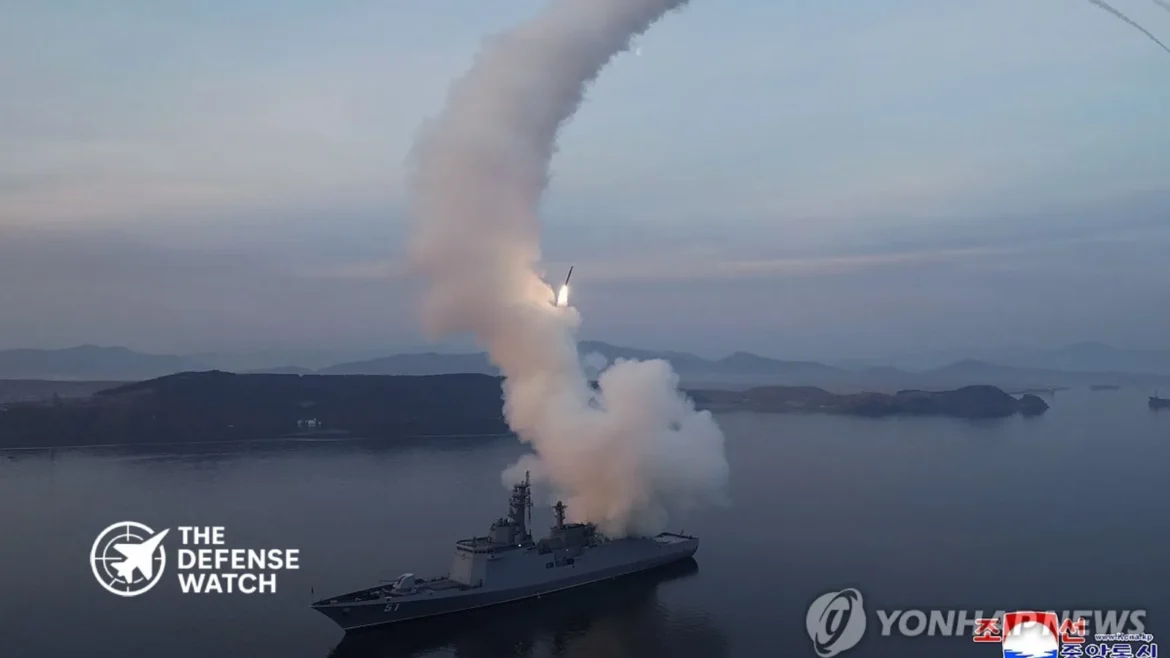
A North Korean destroyer conducted a repeat ripple launch of strategic cruise missiles in a test that underscores Pyongyang’s efforts to operationalize a new class of missile armed warships.
State media reported that the 5,000 ton destroyer Choe Hyon launched multiple strategic cruise missiles during a weapons test on March 10. The missiles followed preset flight paths for more than 10,000 seconds before striking designated targets in the Yellow Sea.
The launch marks the second demonstration within a week, indicating that the vessel and its weapons systems are approaching operational readiness as part of North Korea’s ongoing naval modernization program.
North Korean leader Kim Jong Un reportedly observed the exercise via remote link and praised the results, describing the test as confirmation of the reliability of the country’s integrated strategic weapons control system.
The Big Picture
North Korea’s repeat strategic cruise missile launch reflects a broader shift in Pyongyang’s military strategy toward survivable nuclear delivery systems.
For decades, the Korean People’s Navy primarily focused on coastal defense using small missile boats and submarines. The introduction of large missile carrying destroyers represents an effort to transform the fleet into a more capable strike force able to launch weapons from offshore positions.

Image : North Korea’s official Korean Central News Agency on March 11, 2026 Sea based cruise missile platforms complicate the defensive planning of the United States, South Korea, and Japan. Unlike fixed land based launchers, warships can maneuver and disperse across coastal waters, making them harder to track and target.
This approach mirrors a wider global trend in which states deploy mobile and distributed missile forces to improve survivability in high intensity conflict.
What’s Happening
North Korea carried out the latest test on March 10 using the destroyer Choe Hyon, a 5,000 ton multipurpose warship introduced in 2025 as the largest vessel in the country’s navy.
According to official reporting, the destroyer launched several strategic cruise missiles in rapid succession, a technique known as a ripple launch. In this method, multiple missiles fire sequentially within seconds, allowing a warship to saturate enemy defenses.
The missiles flew between 10,116 and 10,138 seconds before striking their designated targets in the Yellow Sea.
The test evaluated several components of the ship’s combat system, including:
- The integrated control system for strategic weapons
- The destroyer’s sensors and targeting systems
- Launch authorization procedures
- Coordination between command networks and onboard weapons
North Korean officials said the results confirmed the reliability of the vessel’s integrated combat architecture.
Why It Matters
Strategic cruise missile launches from surface combatants significantly expand North Korea’s potential strike options.
The term strategic in North Korean military terminology typically indicates nuclear capable systems. Analysts believe several of the country’s cruise missiles are designed to carry tactical nuclear warheads.
A destroyer armed with such missiles can perform several operational roles:
- Land attack missions against regional bases or ports
- Anti ship strikes against naval forces
- Saturation attacks designed to overwhelm missile defense systems
Unlike ballistic missiles, cruise missiles fly at lower altitudes and follow complex routes. This flight profile makes them more difficult for radar systems to detect early.
For regional missile defense planners, this introduces an additional layer of complexity in tracking and intercepting incoming threats.
Strategic Implications
The emergence of missile armed destroyers suggests North Korea is pursuing a more diversified nuclear deterrent structure.
Until recently, Pyongyang relied heavily on land based missile launchers and submarine launched systems. Surface warships provide a third delivery option, allowing missiles to be launched from multiple directions.
Such capabilities can complicate preemptive strike strategies and increase the survivability of North Korea’s nuclear forces.
The development also reflects Pyongyang’s long term goal of expanding its naval power beyond coastal defense. A fleet capable of launching cruise missiles at sea offers greater operational flexibility and strengthens deterrence messaging during periods of regional tension.
Competitor View
Regional powers are likely to interpret the test as another step in North Korea’s steady expansion of its missile forces.
South Korea and the United States already operate layered missile defense systems designed primarily to counter ballistic threats. The increasing use of cruise missiles requires adjustments in detection, tracking, and interception capabilities.
China and Russia will also monitor the development closely. Both countries have extensive experience with cruise missile equipped surface combatants and may view North Korea’s efforts as an attempt to replicate similar operational concepts on a smaller scale.
For U.S. and allied naval planners, the appearance of cruise missile armed destroyers introduces new variables in maritime security operations in the Yellow Sea and surrounding waters.
What To Watch Next
Several developments could follow this series of missile tests.
First, the Choe Hyon destroyer is likely to undergo additional operational evaluations before full commissioning into active naval service.
Second, North Korea has signaled plans to expand its destroyer fleet. Kim Jong Un has previously called for the construction of additional ships of the same class or larger designs.
Finally, future tests may focus on integrating additional weapons systems, including supersonic missiles or upgraded strike platforms for larger warships.
Capability Gap
North Korea historically lacked large surface combatants capable of launching multiple guided missiles from vertical launch systems.
Most of its fleet consisted of aging Soviet era designs or small coastal patrol craft. These vessels offered limited strike range and survivability.
The introduction of the Choe Hyon destroyer appears aimed at addressing this gap by providing:
- Greater missile capacity
- Improved sensors and combat management systems
- A platform capable of coordinated strike operations
However, the overall effectiveness of these ships remains uncertain. Sustained operations require advanced logistics, training, and maintenance infrastructure that North Korea is still developing.
The Bottom Line
North Korea’s repeat strategic cruise missile launch from a new destroyer signals Pyongyang’s growing ambition to field a more capable missile armed navy.
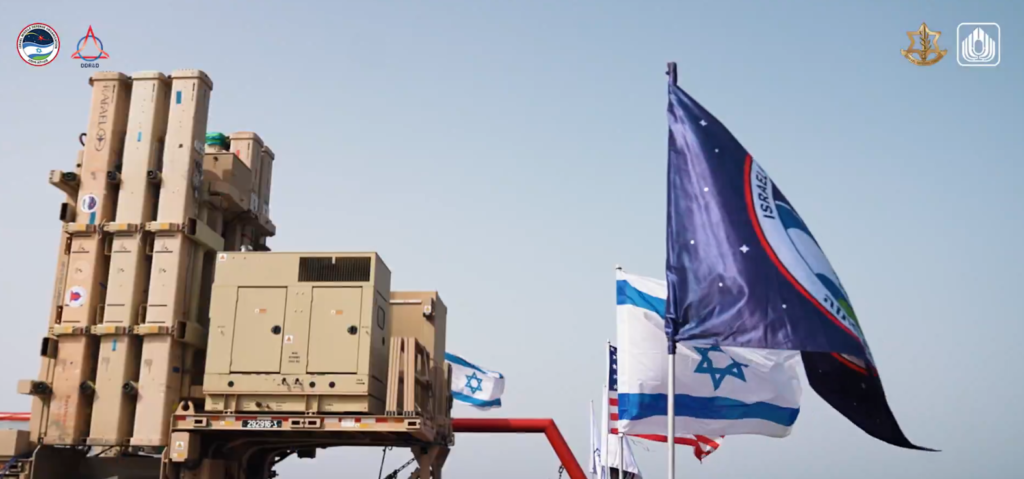
David’s Sling Air Defense System Completes Advanced Future Threat Readiness Tests
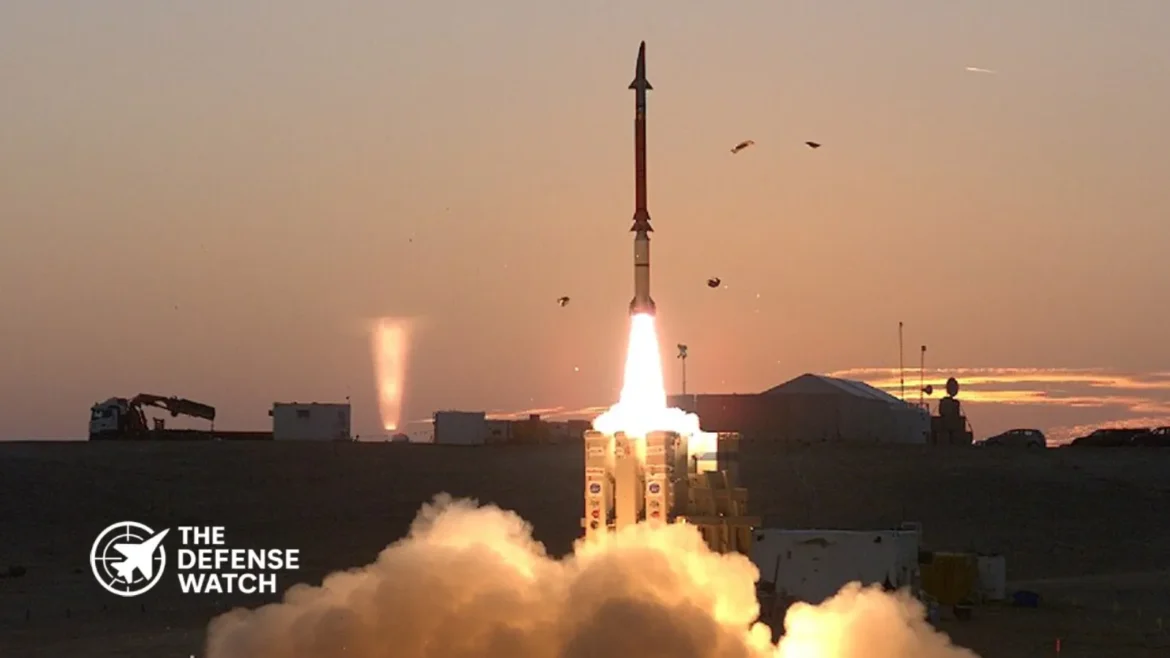
Israel’s David’s Sling air defense system has successfully completed a complex series of operational tests as part of a future threat readiness upgrade, according to Israel’s Ministry of Defense. The campaign validated new capabilities against a wide range of aerial threats, reinforcing the system’s role in Israel’s layered missile defense architecture.
The test series was led by the Israel Missile Defense Organization within the Ministry of Defense, in close cooperation with the U.S. Missile Defense Agency and system developer Rafael Advanced Defense Systems. The trials incorporated operational lessons drawn from recent combat operations and emerging regional threat trends.
Testing Simulated Multi-Domain, High-End Threats
The recent test campaign simulated advanced and combined attack scenarios involving rockets, ballistic missiles, cruise missiles, fixed-wing aircraft, and unmanned aerial vehicles. According to defense officials, the tests were designed to stress the system under realistic operational conditions, including complex threat environments and overlapping attack vectors.
David’s Sling, which is optimized to intercept medium- to long-range threats, sits between the Iron Dome system, which counters short-range rockets, and the Arrow system, which is designed to defeat long-range ballistic missiles. The test series focused on ensuring seamless integration with these other layers while improving interception performance against evolving threats.
Israeli defense officials emphasized that the trials were not theoretical demonstrations but operationally relevant tests reflecting current and future battlefield conditions.
U.S. Israel Missile Defense Cooperation Remains Central
The program continues to reflect deep U.S. Israel defense cooperation. The U.S. Missile Defense Agency has been involved in David’s Sling development and testing for more than a decade, providing technical support, joint funding, and operational evaluation.

This cooperation ensures interoperability, shared threat analysis, and alignment with broader U.S. missile defense priorities. David’s Sling is also seen as a reference system for allied nations evaluating layered air and missile defense architectures.
The successful test campaign reinforces the maturity of the system and the long-standing partnership between Washington and Jerusalem in missile defense development.
Rafael Highlights Continuous Modernization
Rafael Advanced Defense Systems stated that the test series demonstrated the system’s ability to adapt to rapidly changing threat environments. Company leadership noted that David’s Sling is undergoing continuous upgrades to keep pace with advances in missile technology, precision guidance, and unmanned systems.
Rafael’s leadership said the system once again proved its position among the world’s leading air defense systems, emphasizing its role in protecting civilian populations and critical infrastructure.
David’s Sling uses the Stunner interceptor, featuring a multi-mode seeker and high maneuverability, enabling it to engage a wide range of targets across different altitudes and speeds.
Core Role In Israel’s Multi-Layer Air Defense Network
David’s Sling remains a central component of Israel’s multi-tier air defense architecture, working alongside Arrow, Iron Dome, and the emerging Iron Beam laser system. Each layer is designed to counter specific threat ranges and types, creating overlapping defensive coverage.
This layered approach has become increasingly important as regional actors expand their missile, drone, and cruise missile capabilities. The latest upgrades aim to ensure that David’s Sling remains effective against both traditional ballistic threats and newer low-flying, maneuvering targets.
Defense analysts note that continued investment in testing and modernization reflects Israel’s emphasis on readiness, resilience, and rapid adaptation.
Strategic Implications
The successful completion of the test series underscores Israel’s focus on maintaining qualitative military superiority in missile defense. It also highlights the growing complexity of modern air defense environments, where systems must counter mixed salvos of missiles, aircraft, and UAVs simultaneously.
For U.S. and allied defense planners, the results offer insights into operational missile defense under real-world conditions, with lessons that may inform future system development and integration efforts.
Newer Posts