
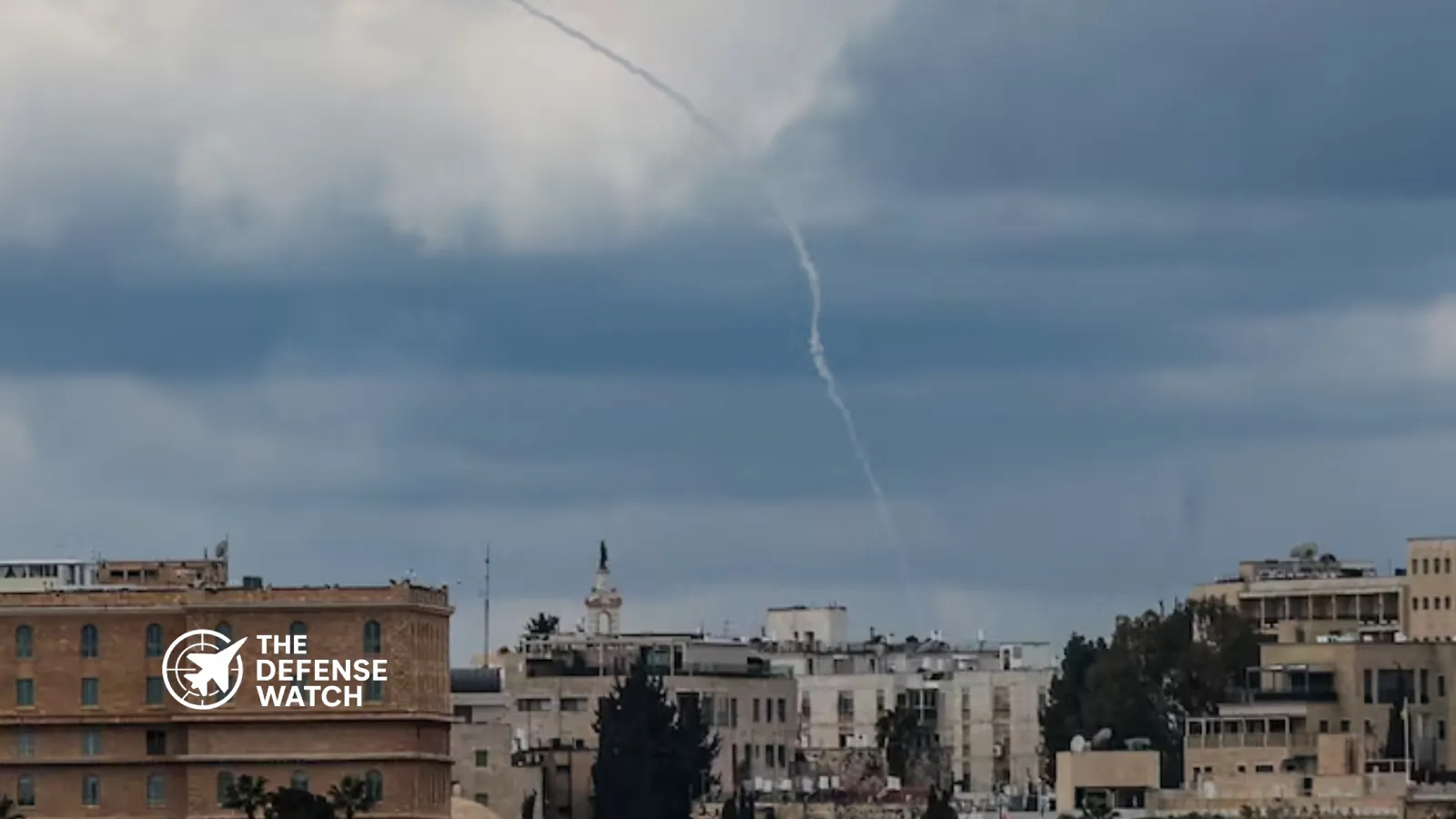
- ► Airlines cancel flights across the Middle East after US and Israel strikes on Iran trigger immediate airspace restrictions.
- ► Airspace over Iran, Iraq, Jordan, Lebanon, UAE, Kuwait, and Bahrain sees widespread closures or severe traffic reductions.
- ► Major global carriers including Lufthansa, British Airways, Air France KLM, Turkish Airlines, and Qatar Airways suspend or reroute services.
- ► European aviation authorities advise airlines to avoid affected airspace due to elevated security risks.
- ► Disruptions are expected to continue as military operations and regional security conditions evolve.
Airlines Cancel Flights After US, Israel Strikes On Iran Disrupt Air Travel
Global airlines have canceled, suspended or rerouted flights across the Middle East after the United States and Israel launched strikes on Iran on February 28, 2026. The moves followed widespread airspace closures as the conflict escalated, creating significant disruption for carriers operating through key regional routes.
Airspace over several Middle Eastern countries, including Iran, Iraq, the United Arab Emirates, Kuwait, Lebanon, Bahrain and Jordan, was largely empty on Saturday morning, according to flight-tracking data. The European Union Aviation Safety Agency advised carriers to avoid the affected airspace amid the military intervention.
Major Airlines Halt Or Adjust Service
Several major carriers adjusted scheduled services in response to the airspace situation, prioritizing safety and compliance with aviation guidance:
• Aegean Airlines suspended flights to and from Tel Aviv, Beirut and Erbil until March 2.
• Air France-KLM canceled services to Tel Aviv and Beirut, and advanced suspension of Amsterdam-Tel Aviv operations.
• British Airways canceled flights to Tel Aviv, Bahrain and Amman through March 3.
• Lufthansa suspended flights to Tel Aviv, Beirut, Oman and Dubai, and said it would avoid airspace over multiple regional states until March 7.
• Turkish Airlines canceled flights to Qatar, Kuwait, Bahrain, the UAE and Oman, and halted other routes to neighboring states through March 2.
• Qatar Airways temporarily suspended flights to and from Doha amid Qatari airspace closure.
• Wizz Air halted routes to Israel, Dubai, Abu Dhabi and Amman until at least March 7.
• Other carriers, including Norwegian Air and Scandinavian Airlines, also adjusted services.
Wider Disruptions Beyond Europe
Regionally based carriers and Asian operators also reported cancellations and diversions tied to the airspace environment. Singapore Airlines and its low-cost unit Scoot canceled multiple flights scheduled for Feb 28 and March 1, reporting route suspensions and advising customers to monitor updates closely. Malaysia Airlines diverted two flights bound for Doha and Jeddah back to their origin or alternate airports as a precaution, citing conflict-area procedures.
Across the Middle East, civil aviation authorities in several states ordered temporary closures of their flight information regions, effectively grounding traffic or forcing carriers to seek lengthy detours.
Safety And Operational Context
Aviation regulators have stressed that the closures reflect acute safety concerns as military operations unfold. The current episode follows a period of heightened tension in the region, with prior conflict episodes having previously triggered airspace restrictions and route changes.
The European aviation regulator’s guidance urged airlines to avoid the affected airspace at all flight levels, noting the “high risk” to civil aviation posed by the ongoing hostilities.
For passengers, the disruptions mean flight cancellations, delays and route changes that could persist while airspace remains restricted. Carriers and aviation authorities are monitoring conditions closely and will continue to adjust operations based on risk assessments.
Get real time update about this post category directly on your device, subscribe now.
