

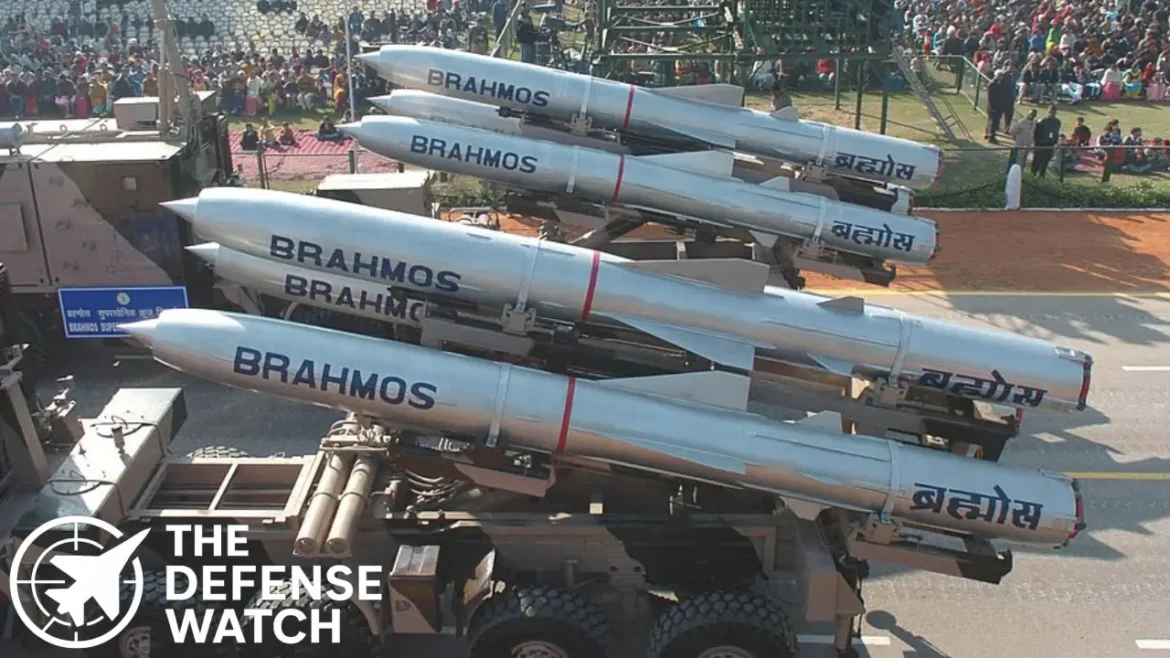
India’s BrahMos missile, the cornerstone of its precision-strike deterrence, is undergoing a transformative phase—marked by plans to fully saturate the fleet by 2030, advancements toward hypersonic capability, and significant upgrades to the air-launched variant.
Naval Saturation—300+ BrahMos by 2030
The Indian Navy aims to equip every major frontline warship—over 30 destroyers, frigates, and missile vessels—with BrahMos supersonic missiles by 2030, culminating in the simultaneous deployment of more than 300 missiles at sea.
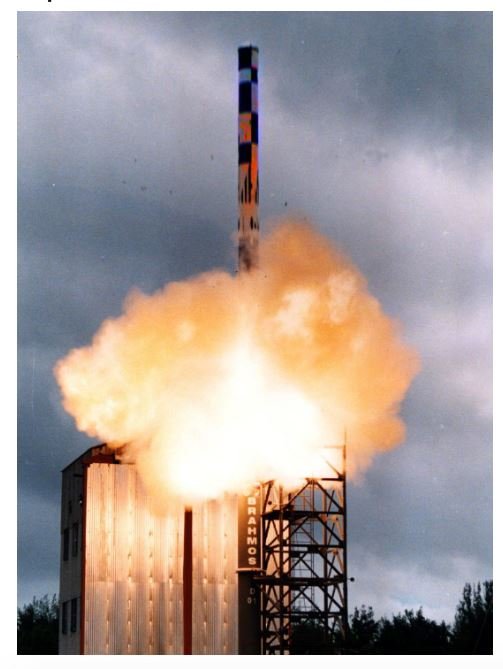
Current fleet strength already includes 13 destroyers and 14 stealth frigates armed with BrahMos, including the recently commissioned INS Udaygiri and INS Himgiri, both equipped with eight vertical launch BrahMos each.
Accelerating Air-Launch Capability—BrahMos-A Gets Lighter
A pivotal upgrade to the air-launched BrahMos (BrahMos-A) has recently been announced: through use of advanced composite materials and the removal of the booster stage, its weight has dropped from 2,900 kg to 2,200 kg—a reduction of 700 kg—greatly enhancing agility and potentially extending its range from 450 km to 800 km.
This lighter air-launch variant positions the BrahMos as a flexible multi-domain asset—deployable from fighter platforms such as the Su-30MKI.
Hypersonic Future—Fast-Tracking BrahMos-II and BrahMos-NG
India’s push into hypersonic cruise capability is progressing on two fronts:
- BrahMos-NG (Next Generation): A compact, lighter version (~1.5 tonne) with Mach 3.5 speed, 290 km range, reduced radar cross-section, and variants for air, submarine, and VLS deployment. Flight trials were slated for late 2025 or early 2026. Production is ramping up in Lucknow, where the Integration & Testing Facility—set to manufacture BrahMos-NG—was inaugurated in May 2025, with initial capacity of 80–100 units yearly, expanding later.
- BrahMos-II: A full hypersonic (scramjet-propelled) variant expected to reach speeds up to Mach 8 and a range of ~1,500 km. Flight tests delayed earlier are now anticipated by 2026–27, with scramjet combustor tests reportedly conducted in April 2025 and an 800 km-range test in May.
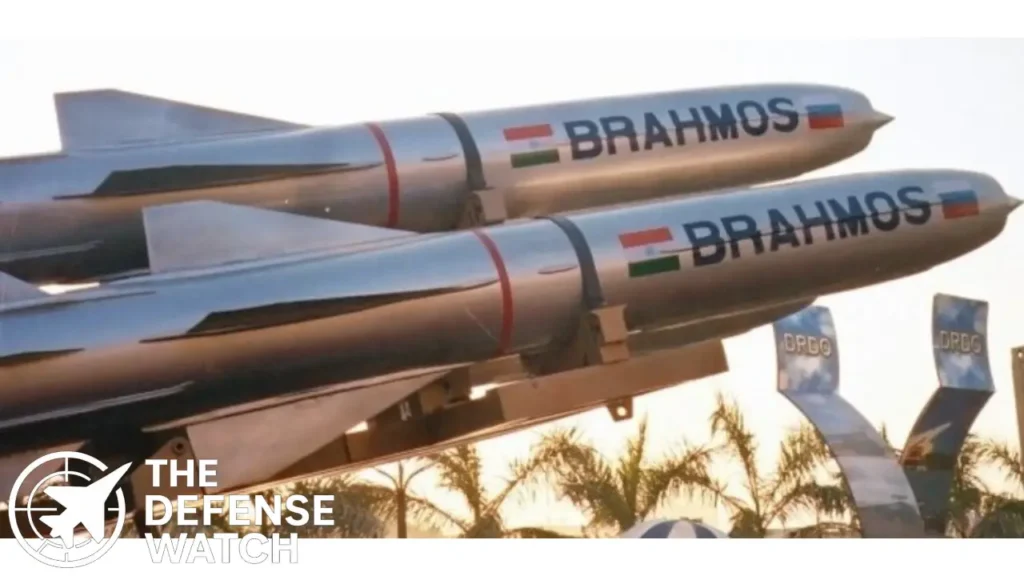
Additionally, BrahMos-A is on a trajectory toward Mach 3.5 soon and Mach 5 within three years, with hypersonic capability expected within 7–10 years Brahmos.
Industrial Expansion & Strategic Context
Production expansion underwrites India’s Aatmanirbhar Bharat ambition. The newly inaugurated integration and testing facility in Lucknow, costing ₹300 crore, underscores the boost to local manufacturing, jobs, and throughput.
Moreover, the Defence Acquisition Council’s August 2025 approval of over 110 air-launched BrahMos missiles as part of a ₹67,000 crore modernization package reflects the tri-service importance of the system.
Export traction is also rising: the Philippines is set to receive its second batch of BrahMos batteries to enhance coastal defense amid South China Sea tensions. Additionally, discussions with Indonesia for BrahMos procurement align with India’s push to expand strategic ties with Southeast Asia.
Strategic Significance: Analysis
These developments represent a paradigm shift:
- Maritime Deterrence Deepened: By saturating its navy with BrahMos, India ensures overwhelming strike ability across the Indo-Pacific, shifting from reactive defense to pre-emptive deterrence.
- Versatility & Reach: The lighter air-launched variant and upcoming hypersonic variants enable layered deployment—from sea to air to land—strengthening India’s response across multiple domains.
- Self-Reliance & Export Potential: Localization of production and global interest solidify BrahMos’s status as an indigenous, high-demand strategic export.
However, challenges remain. Scaling to 300+ missiles entails sustaining production lines amid supply chain volatility. High per-unit cost (~$2–3 million) and technology partnership with Russia continue to pose strategic dependencies.