
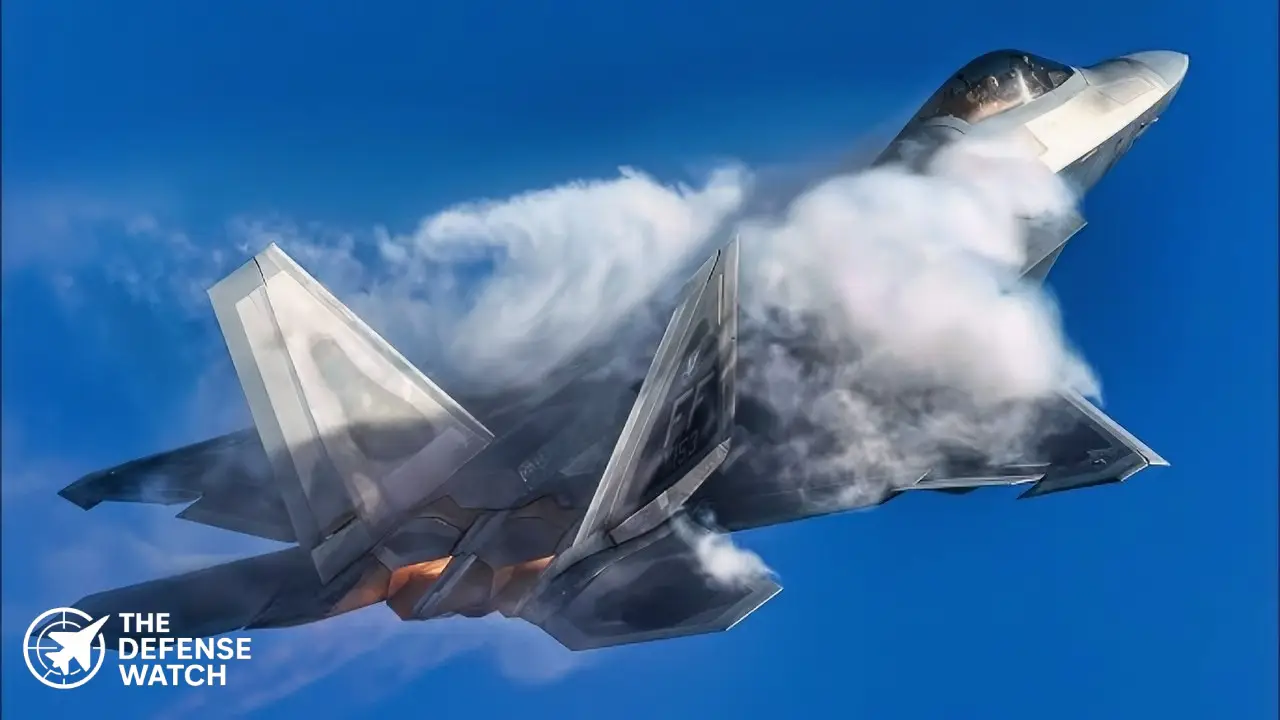
The U.S. Air Force, in collaboration with defense-contractor Lockheed Martin, is reportedly moving forward with ambitious upgrade proposals for its stealth fighter fleet — the “Super” F-22 Raptor and the “Ferrari” F-35 Lightning II. These plans aim to modernize existing airframes with next-generation technologies originally developed for the Next Generation Air Dominance (NGAD) program.
With new sixth-generation jets delayed, the upgrades are intended to provide a ready and capable stealth force in the near term — effectively extending the operational life and combat relevance of existing aircraft.
Background: Why Upgrades Are Gaining Traction
The NGAD program was meant to deliver a leap ahead in air-dominance through a brand-new sixth-generation fighter. However, development timelines remain uncertain and competitive pressures — particularly from rapidly evolving adversary programs — have accelerated calls for interim solutions.
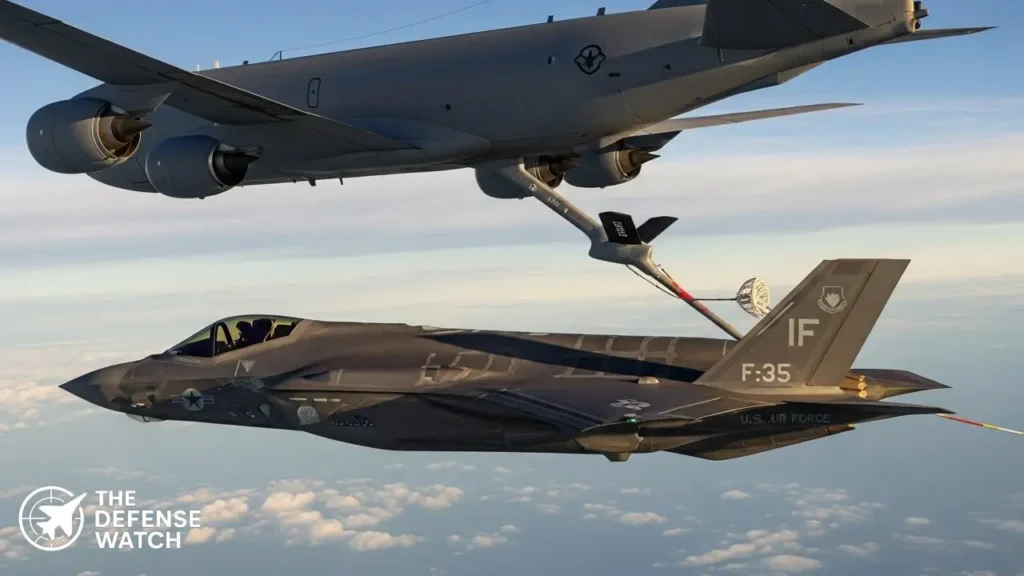
Rather than waiting for a fully new aircraft to reach maturity, U.S. defense planners and industry leaders are now advocating for an alternative: retrofit and modernize existing stealth fighters to absorb as many next-gen features as possible, sooner. This approach promises a potentially faster, more cost-efficient way to maintain air superiority while bridging the gap.
What the “Super F-22” and “Ferrari F-35” Would Deliver
Super F-22
The “Super” F-22 plan goes beyond incremental enhancements. It envisions a substantial structural refresh of existing Raptor airframes — including new stealth materials, redesigned engine inlets, powerful onboard processors, and advanced electronic-warfare (EW) systems derived from NGAD development.
Under the proposal, the upgraded F-22 could support heavier weapons loads, more power-hungry sensors, and expanded mission profiles. Elements under consideration reportedly include stealth coatings refinements, range-extending fuel tanks, improved infrared defense systems, and drone (loyal wingman) control capabilities.
Ferrari F-35
On the F-35 side, Lockheed Martin is pitching a “fifth-generation-plus” variant — colloquially dubbed “Ferrari” — that would blend much of NGAD-era tech with the widely fielded F-35 chassis.
According to company executives, this upgraded F-35 could deliver roughly 80% of a sixth-generation fighter’s capability at close to half the projected cost per unit. Specific upgrades under discussion include enhanced infrared search-and-track sensors, updated stealth materials, new air-frame geometry, advanced data links, and expanded weapons compatibility. There is also talk of improved integration with autonomous or drone “wingmen.”
Given the existing global fleet — numbering in the thousands — such upgrades could rapidly scale to meet strategic requirements.
What It Means for the U.S. Air Force and Strategic Posture
A modernized fleet of Super F-22s and Ferrari F-35s would give the U.S. Air Force a substantial near-term boost. It would raise the number of combat-ready stealth fighters, enhance mission versatility (air superiority, long-range strike, EW, drone integration), and extend the life of proven platforms — all without the long delays and risk of developing an entirely new jet from scratch.
This bridging strategy becomes especially critical as the U.S. navigates a period of shifting global power balances — where peer competitors are also advancing stealth and drone-enabled capabilities rapidly.
Upgrading existing aircraft could also reassure U.S. allies — especially those relying on American airpower — that Washington remains capable of delivering high-end air superiority even as its procurement and development cycles evolve.
Challenges, Trade-offs, and Questions
- Scale and Timing: It remains unclear how many F-22s will actually receive the Super upgrade — and how quickly. The retrofit process could take years, and legacy maintenance/backlog issues for the F-22 fleet remain a hurdle.
- Cost vs. Benefit: While Lockheed claims costs will be lower than a new sixth-gen jet, the extent of structural modifications — especially to older airframes — may drive up expenses and complicate logistics.
- Capability Ceiling: Even with “fifth-gen-plus” upgrades, there may still be a performance gap compared to a true sixth-generation platform, especially in areas like next-gen propulsion, stealth, and unmanned teaming.
- Strategic Risk: Relying on upgraded legacy airframes may leave the U.S. vulnerable if adversaries leapfrog ahead with more advanced designs — or counter-stealth and drone integration.
What’s Next — And What to Watch
- How many F-22 and F-35 jets will be selected for upgrade, and on what schedule.
- Whether the upgrades will include drone/control-network integration and new weapons systems (e.g., hypersonic missiles).
- How the upgrades influence the broader rollout and procurement plans for six-generation jets under NGAD (or successor initiatives).
- Responses from rival powers — and potential shifts in global airpower dynamics.
Conclusion
As the doorstep of sixth-generation air dominance continues to recede, the U.S. is charting a pragmatic path: bolstering the capabilities of current stealth aircraft rather than relying solely on future, uncertain platforms. The proposed “Super” F-22 and “Ferrari” F-35 — powered by cutting-edge NGAD-derived technologies — represent a strategic bet on bridging periods of uncertainty without sacrificing combat effectiveness. If realized, this modernization could preserve U.S. air superiority in a rapidly evolving global security landscape — at least through the late 2020s and early 2030s.
Get real time update about this post category directly on your device, subscribe now.

3 comments
[…] Canada is in the middle of a major defense modernization push, seeking to upgrade its air-ground strike capabilities and ensure better interoperability with allied forces. Under the plan, the received munitions are expected to support both the current fleet of McDonnell Douglas CF-18 Hornet fighters and future platforms such as Lockheed Martin F-35A jets. […]
[…] not only servicing CF-35As but takes aim at becoming a regional hub capable of handling U.S. F-35 jets as well, offering North American allies overflow capacity when other regional depots reach […]
[…] with units of the Japan Air Self-Defense Force. Participating Japanese aircraft included three F-35 stealth fighters and three F-15 air-superiority jets, according to official […]