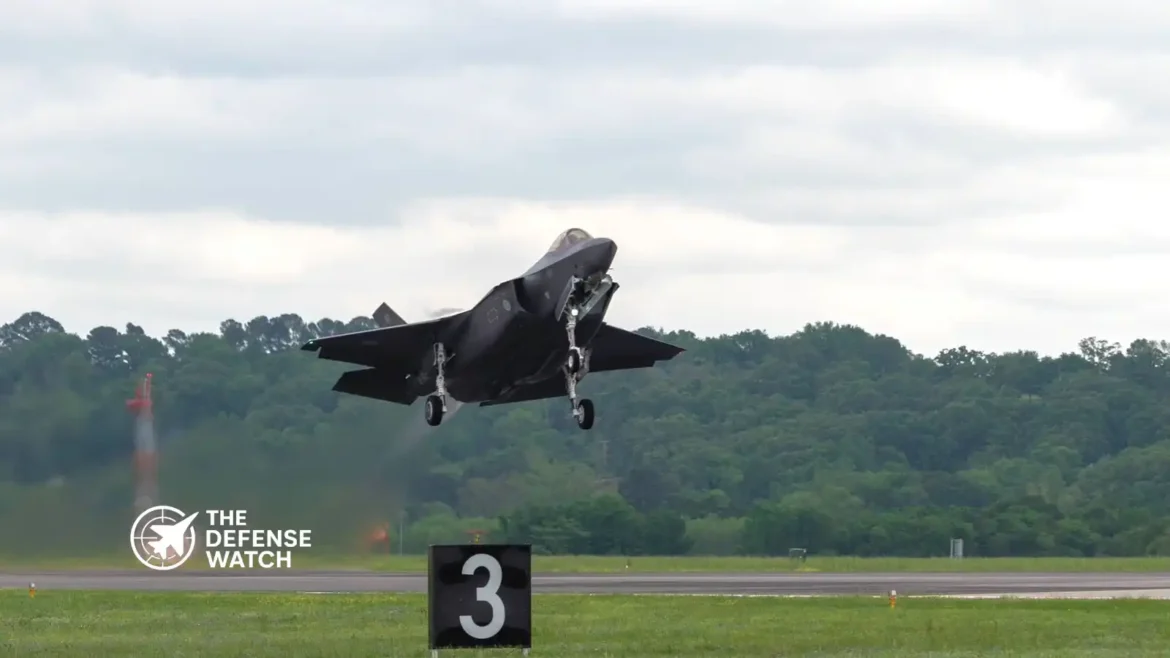
Finland F-35A Training Marks Key Step Toward Operational Capability
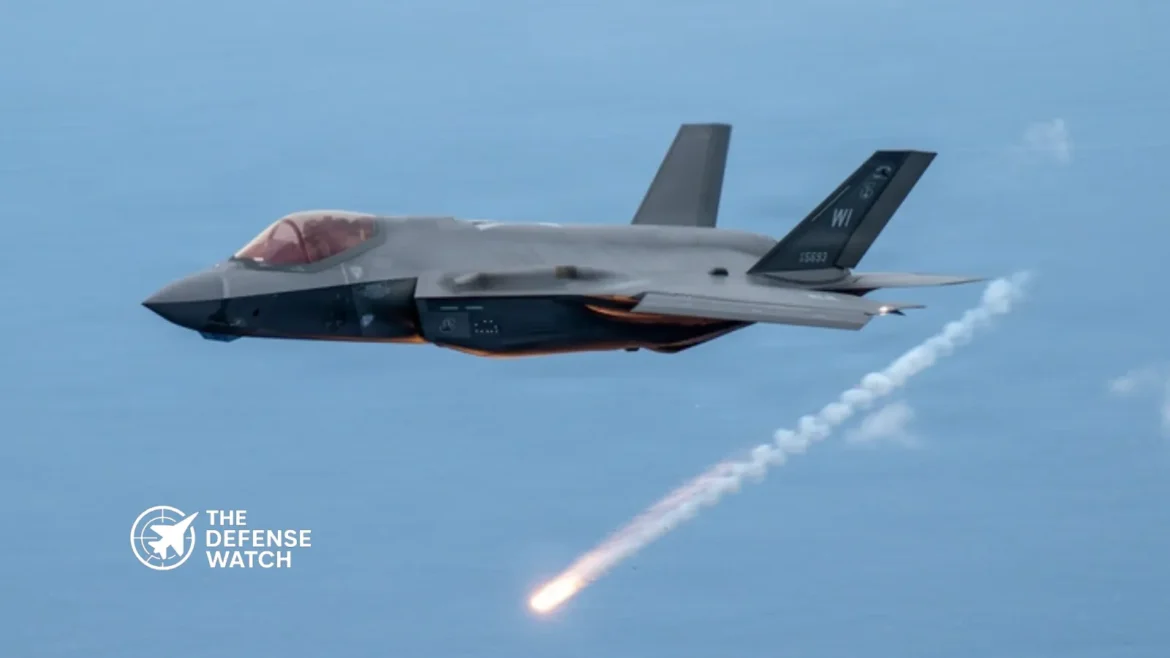
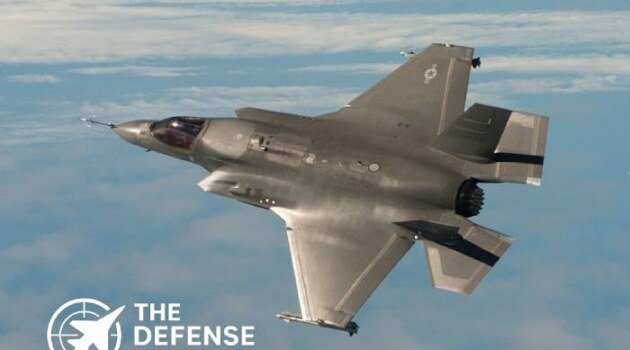
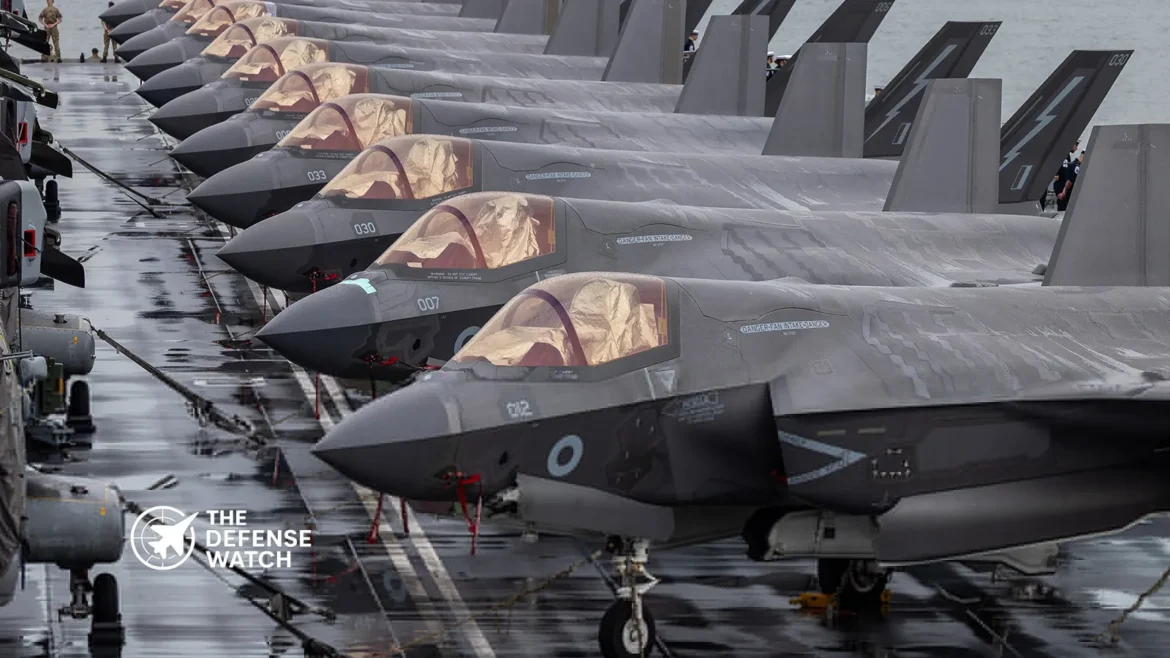
Finland F-35A training has reached a critical milestone after a Finnish Air Force pilot completed the country’s first flight in the F-35A in the United States, signaling steady progress toward operational readiness. The development was reported by Defence Industry Europe, highlighting the growing pace of Finland’s transition to fifth-generation airpower.
The flight forms part of a structured training pipeline conducted in close coordination with the U.S. Air Force. Finnish pilots and ground crews are undergoing comprehensive instruction designed to prepare them for the complexities of operating the stealth fighter, including sensor fusion, network-centric warfare, and advanced mission planning.
This milestone is not symbolic. It reflects a tangible shift from procurement to capability development.
- A Finnish Air Force pilot has completed the first F-35A flight in the United States as part of Finland’s training program.
- The training is being conducted in cooperation with the U.S. Air Force to prepare Finnish crews for operational deployment.
- Finland selected the F-35A in 2021 to replace its legacy F/A-18 Hornet fleet under the HX fighter program.
- Initial operational capability is expected later this decade as aircraft deliveries and training progress.
- The milestone reflects Finland’s broader integration into NATO airpower and advanced combat aviation networks.
Transition From Legacy Fighters To Fifth-Generation Capability
Finland selected the F-35A Lightning II in 2021 under its HX fighter program to replace its aging fleet of F/A-18 Hornets. The decision aligned Helsinki with a growing group of European operators adopting the platform to maintain technological parity with near-peer competitors.
The Finland F-35A training effort is central to that transition. Unlike legacy aircraft, the F-35A requires a different operational mindset. Pilots must manage large volumes of fused data while operating in contested environments where stealth and electronic warfare play decisive roles.
Training in the United States allows Finnish personnel to integrate directly into an established ecosystem. This includes exposure to U.S. operational doctrine, maintenance practices, and joint mission scenarios. Such integration reduces the time needed to achieve effective combat readiness once the aircraft are delivered to Finland.
Strategic Context: NATO Integration And Regional Deterrence
The timing of Finland’s F-35A training progress is significant. Following its accession to NATO, Finland is rapidly aligning its defense posture with alliance standards. The F-35A is widely regarded as a cornerstone of NATO’s future airpower architecture due to its ability to operate as a force multiplier across domains.
From a strategic perspective, Finland’s adoption of the F-35A enhances deterrence in Northern Europe. The aircraft’s stealth characteristics and advanced sensors improve situational awareness across the Baltic region, an area of increasing military activity.
The Finland F-35A training program also supports interoperability. Finnish pilots trained alongside U.S. and allied counterparts will be better positioned to participate in joint operations, exercises, and integrated air defense missions.
This interoperability is critical. Modern conflicts are unlikely to be fought in isolation, and shared platforms simplify coordination at both tactical and operational levels.
Building Toward Operational Readiness
While the first flight marks a major milestone, Finland’s path to full operational capability remains phased. Training will continue in the United States before transitioning to domestic operations as aircraft deliveries begin.
Ground crews, logistics personnel, and command structures must also adapt. The F-35A introduces new maintenance requirements and digital infrastructure, including secure data systems that support mission planning and real-time updates.
The Finland F-35A training framework is designed to address these challenges early. By building expertise ahead of aircraft delivery, Finland aims to avoid capability gaps during the transition period.
Initial operational capability is expected later in the decade, with full operational capability to follow as more aircraft enter service and training cycles mature.
Analysis: Why This Milestone Matters
The first Finnish F-35A flight represents more than pilot proficiency. It demonstrates that Finland is effectively executing one of Europe’s most significant fighter modernization programs.
From an operational standpoint, early training milestones reduce long-term risk. Countries that delay training often face bottlenecks when aircraft deliveries accelerate. Finland’s approach suggests a deliberate effort to synchronize training, infrastructure, and procurement timelines.
There is also a broader geopolitical signal. By advancing its F-35A training in partnership with the United States, Finland reinforces its commitment to transatlantic defense cooperation. This is particularly relevant given evolving security dynamics in Northern and Eastern Europe.
At the same time, the reliance on U.S.-based training highlights the continued importance of American infrastructure in enabling allied capability development. Even as European defense initiatives expand, U.S. platforms and training ecosystems remain central to NATO’s operational readiness.
- F-35C enables carrier-based deep strike missions into contested airspace.
- Combines stealth, sensor fusion, and precision-guided munitions.
- Expands U.S. naval reach against integrated air defense systems.
- Operates from aircraft carriers without reliance on regional bases.
- Strengthens deterrence and rapid response in Middle East scenarios.
F-35C Carrier-Based Deep Strike Capability Expands U.S. Operational Reach
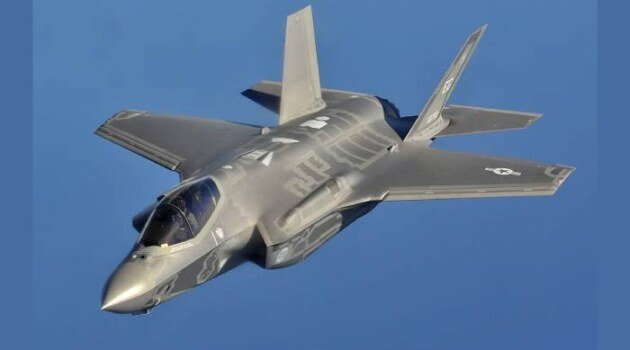
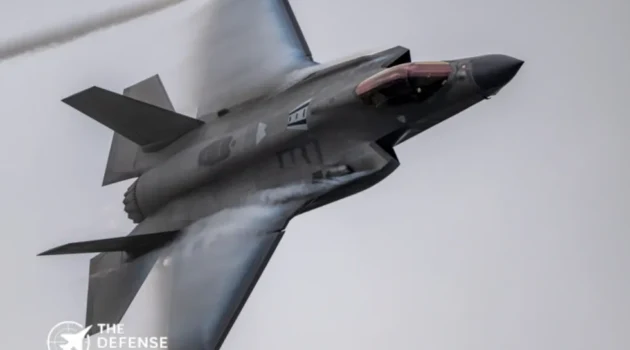
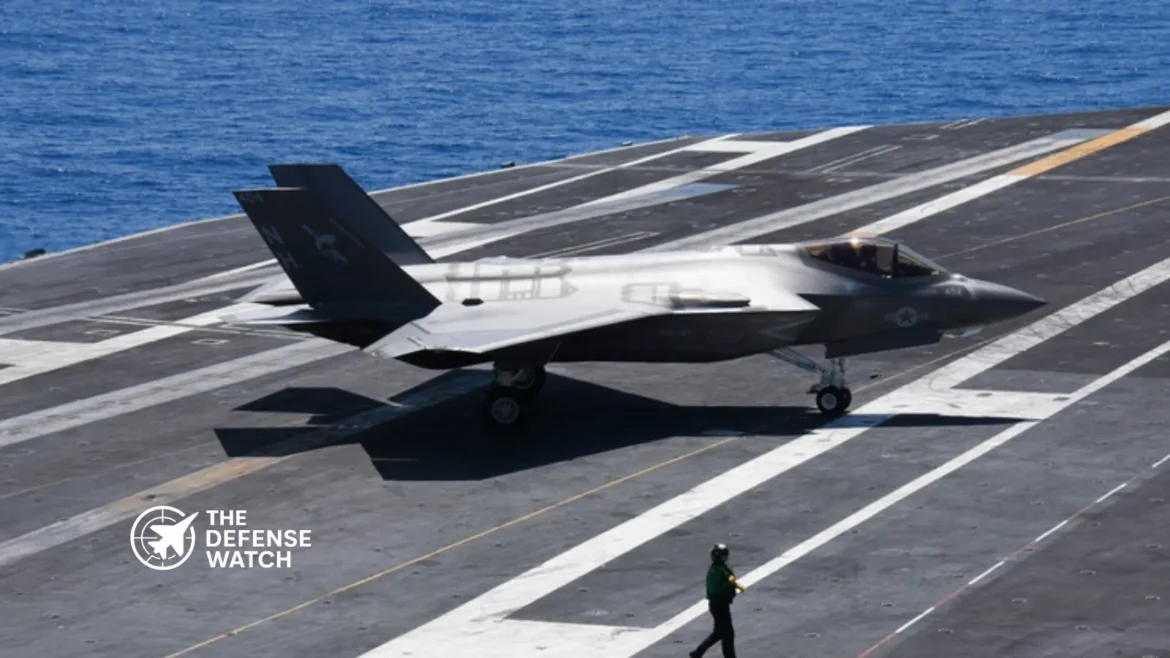
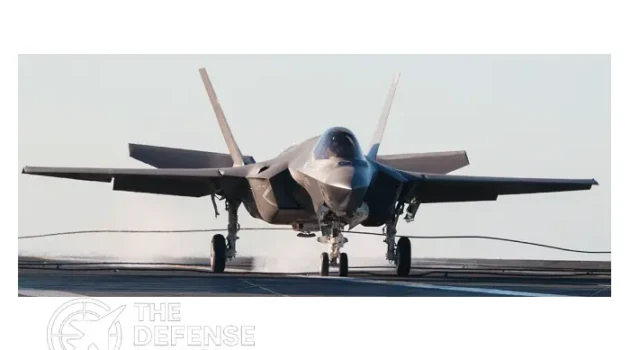
F-35C carrier-based deep strike capability is reshaping how the U.S. Navy conducts operations against heavily defended targets such as those in Iran. The aircraft combines stealth, advanced sensors, and carrier-based flexibility to penetrate sophisticated air defense networks without relying on forward-deployed airbases.
Recent analysis highlights how the F-35C enhances the ability of carrier strike groups to execute long-range precision strikes in contested environments, particularly in scenarios similar to a hypothetical “Epic Fury” operation targeting Iranian military infrastructure.
The Big Picture
The U.S. military continues to prioritize distributed, survivable strike capabilities that reduce reliance on vulnerable regional bases. Carrier-based aviation plays a central role in this shift.
The F-35C, the carrier variant of the Joint Strike Fighter program led by Lockheed Martin, supports this strategy by enabling stealth operations directly from the sea. This approach aligns with broader U.S. efforts to counter advanced anti-access, area denial (A2/AD) systems deployed by countries such as Iran and China.
Naval aviation now serves not only as a power projection tool but also as a first-day-of-war capability against integrated air defense systems.
What’s Happening
The F-35C carrier-based deep strike capability allows U.S. Navy aircraft carriers to launch stealth fighters capable of penetrating Iranian airspace without early detection.
The aircraft features:
- Low observable design for reduced radar signature
- Advanced sensor fusion integrating radar, infrared, and electronic warfare data
- Internal weapons carriage for stealth strike missions
- Extended range compared to other F-35 variants
Operating from U.S. Navy aircraft carriers positioned in international waters, F-35Cs can conduct precision strikes on high-value targets such as air defense nodes, command centers, and missile launch sites.
This capability reduces the need for land-based aircraft operating from regional partners, which may face political or operational constraints.
Why It Matters
The F-35C introduces a significant shift in how deep strike missions are executed in contested environments.
Traditional strike operations often relied on large formations, electronic warfare support, and suppression of enemy air defenses. The F-35C reduces this burden by combining these functions within a single platform.
Its ability to gather and share real-time battlefield data enhances situational awareness across the entire carrier strike group. This networked capability improves targeting accuracy and reduces mission risk.
In a scenario involving Iran, where layered air defenses include radar systems and surface-to-air missiles, stealth becomes critical for mission success.
Strategic Implications
The F-35C carrier-based deep strike capability strengthens U.S. deterrence by demonstrating the ability to strike high-value targets without warning.
Carrier strike groups equipped with F-35Cs can operate flexibly across the Middle East, reducing predictability and increasing survivability. This mobility complicates adversary planning and forces defensive resource allocation across a wider area.
The system also reinforces the credibility of U.S. commitments to regional allies by ensuring rapid response capability without dependence on host nation infrastructure.
Competitor View
Iran is likely to view the F-35C as a direct challenge to its air defense strategy, which relies on layered systems including domestically developed and imported surface-to-air missile platforms.
The aircraft’s stealth and electronic warfare capabilities could undermine Iran’s ability to detect and intercept incoming threats, particularly during the early stages of a conflict.
Russia and China, both developers of advanced air defense systems, will likely monitor F-35C operational use closely. Lessons learned from potential deployments could inform their own counter-stealth strategies and air defense modernization efforts.
What To Watch Next
Future developments will focus on expanding the operational integration of the F-35C within carrier strike groups.
Key areas include:
- Increased deployment cycles aboard U.S. Navy carriers
- Integration with unmanned systems and carrier-based drones
- Upgrades to software and sensor capabilities under ongoing modernization programs
- Expanded weapons compatibility, including next-generation precision munitions
Operational testing and real-world deployments will continue to validate the aircraft’s effectiveness in contested environments.
Capability Gap
The F-35C addresses a critical gap in penetrating advanced air defense systems from sea-based platforms.
Before its introduction, carrier air wings relied on legacy aircraft such as the F/A-18, which require greater support from electronic warfare assets and tanker aircraft to survive in high-threat environments.
However, limitations remain. The F-35C still depends on aerial refueling for extended missions and carries a limited internal weapons load when operating in stealth configuration. These constraints require careful mission planning and integration with other assets.
The Bottom Line
The F-35C carrier-based deep strike capability gives the U.S. Navy a survivable, flexible tool to penetrate defended airspace and hold high-value targets at risk from the sea.

- China is increasing production capacity for both J-20 and J-35 stealth fighters.
- Expanded manufacturing lines aim to accelerate delivery of fifth-generation aircraft to the PLA.
- The move supports China’s broader strategy to compete with U.S. and allied airpower in the Indo-Pacific.
- J-20 production continues to scale, while J-35 is positioned for both naval and export roles.
- China is shifting from limited production to sustained high-rate output of stealth fighters.
China Stealth Fighter Production Expands Rapidly
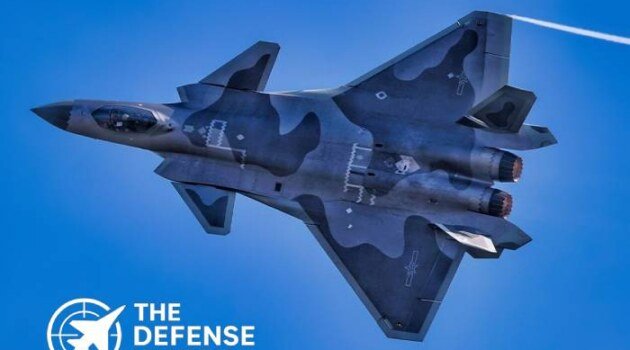
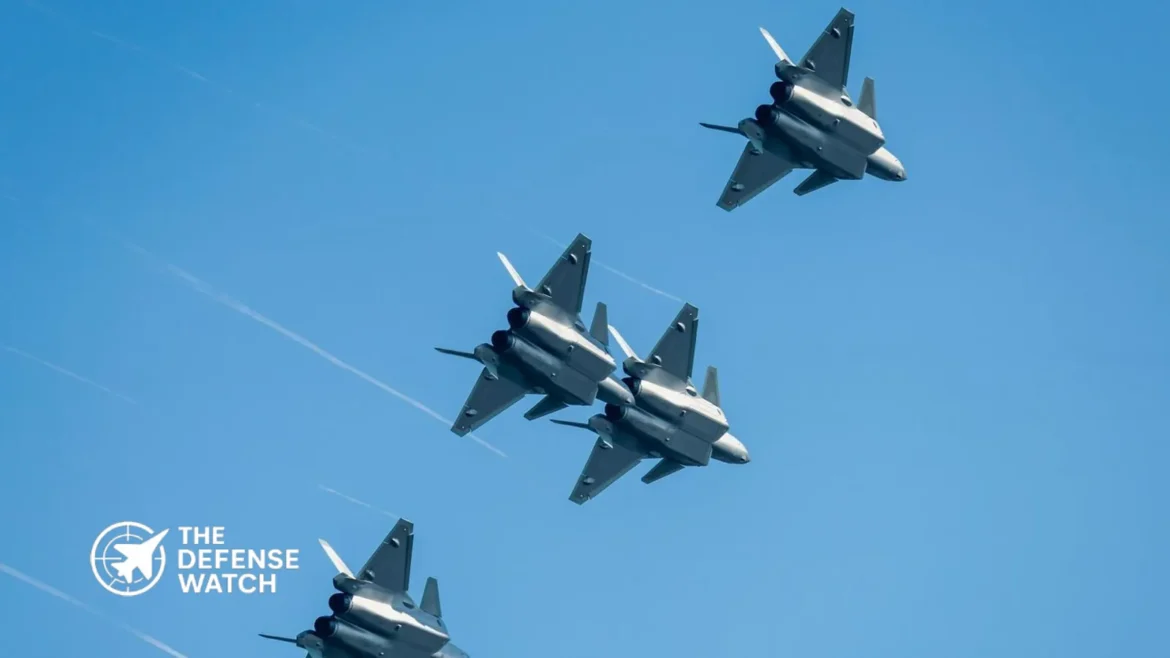
China stealth fighter production is accelerating as Beijing increases manufacturing capacity for both the J-20 and the emerging J-35 programs, signaling a sustained push to expand its fifth-generation combat aircraft fleet.
The Big Picture
China is moving from incremental modernization to large-scale force expansion. The focus is no longer just on fielding advanced platforms, but on producing them in volume.
The United States has long maintained an advantage in fifth-generation aircraft numbers through the F-22 and F-35 programs. China’s current effort suggests a shift toward narrowing that gap, not only in capability but in fleet size.
The Indo-Pacific remains the central theater for this competition. Air superiority, long-range strike, and survivability against advanced air defenses define operational planning for both sides.
What’s Happening
China is increasing production capacity for the J-20, its primary fifth-generation stealth fighter, while also advancing the J-35, a carrier-capable platform under development.
According to Source, new or expanded production lines are enabling higher output rates. The J-20 program, already in serial production, continues to scale, with improved variants and engine upgrades expected to support sustained manufacturing.
The J-35, often compared to U.S. carrier-based stealth fighters, is progressing toward operational deployment. It is expected to serve both the People’s Liberation Army Air Force and the People’s Liberation Army Navy.
Chinese industry appears to be transitioning toward parallel production of multiple stealth aircraft types, a capability historically associated with mature aerospace powers.
Why It Matters
Higher production capacity directly translates into operational mass. Even the most advanced aircraft cannot shape the battlefield if available in limited numbers.
China’s ability to produce the J-20 at scale strengthens its air dominance strategy. The aircraft’s stealth profile, long-range engagement capability, and networked operations make it central to Beijing’s air combat doctrine.
The addition of the J-35 expands flexibility. A carrier-capable stealth fighter enhances naval aviation, supporting power projection beyond China’s immediate coastline.
This dual-track production model reduces reliance on a single platform and creates redundancy in force structure.
Strategic Implications
China’s expanding stealth fighter production affects regional military balance in several ways.
First, it increases pressure on U.S. and allied air forces to maintain qualitative and quantitative advantages. Countries such as Japan and Australia rely heavily on the F-35 program, but production rates and fleet size remain critical factors.
Second, it strengthens China’s anti-access and area denial strategy. A larger stealth fleet complicates adversary planning by increasing the number of survivable strike and interception assets.
Third, it enhances China’s ability to sustain operations in a prolonged conflict. High production capacity suggests resilience, allowing the replacement of losses and continuous force generation.
Competitor View
The United States and its allies are likely to view China’s production surge as a signal of long-term strategic intent rather than a short-term buildup.
Washington has emphasized distributed operations and advanced networking to offset numerical challenges. However, increased Chinese output could erode that advantage over time.
Regional actors may interpret the J-35’s development as a direct response to carrier-based airpower in the Pacific. Its potential export role could also influence defense partnerships, particularly in regions where access to Western systems is limited.
Russia, while a traditional aerospace competitor, may view China’s industrial scaling as a benchmark for its own production challenges.
What To Watch Next
Key indicators will shape how this development unfolds.
Engine maturity remains critical. Indigenous engine programs will determine whether China can sustain high production rates without foreign dependencies.
Operational deployment timelines for the J-35 will also be closely watched, particularly its integration with aircraft carriers.
Production tempo is another factor. If China maintains consistent output growth, it will signal a durable industrial base rather than a temporary surge.
Export activity could further amplify the impact. If the J-35 enters the international market, it could reshape the global fighter landscape.
Capability Gap
China’s push addresses a clear gap in fleet size relative to the United States and its allies.
While the J-20 provides advanced capabilities, earlier production levels limited overall operational impact. Scaling production helps close that gap.
The J-35 addresses another gap, carrier-based stealth aviation. China’s naval air wing has historically relied on non-stealth platforms, limiting survivability in contested environments.
However, challenges remain. Engine performance, pilot training, and integration into joint operations will determine real-world effectiveness.
The Bottom Line
China’s expansion of J-20 and J-35 production marks a shift toward sustained, high-volume stealth fighter output that could reshape the balance of airpower in the Indo-Pacific.
 ■ KEY FACTS AT A GLANCE
- ► The United States has deployed 12 F-22 Raptor fighter jets to southern Israel.
- ► The F-22 is the U.S. Air Force’s primary air superiority and stealth fighter platform.
- ► Export of the aircraft is prohibited under U.S. federal law, making overseas deployments highly sensitive.
- ► The move signals elevated deterrence and operational readiness amid regional tensions.
- ► The deployment represents one of the most visible U.S. airpower signals in the region in recent years.
U.S. Deploys 12 F-22 Raptors To Southern Israel In Strategic Signal Of Air Dominance
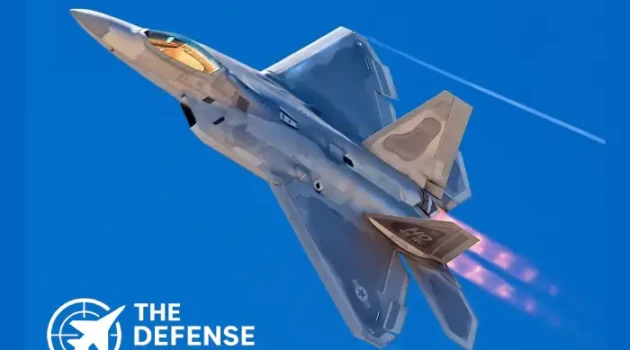
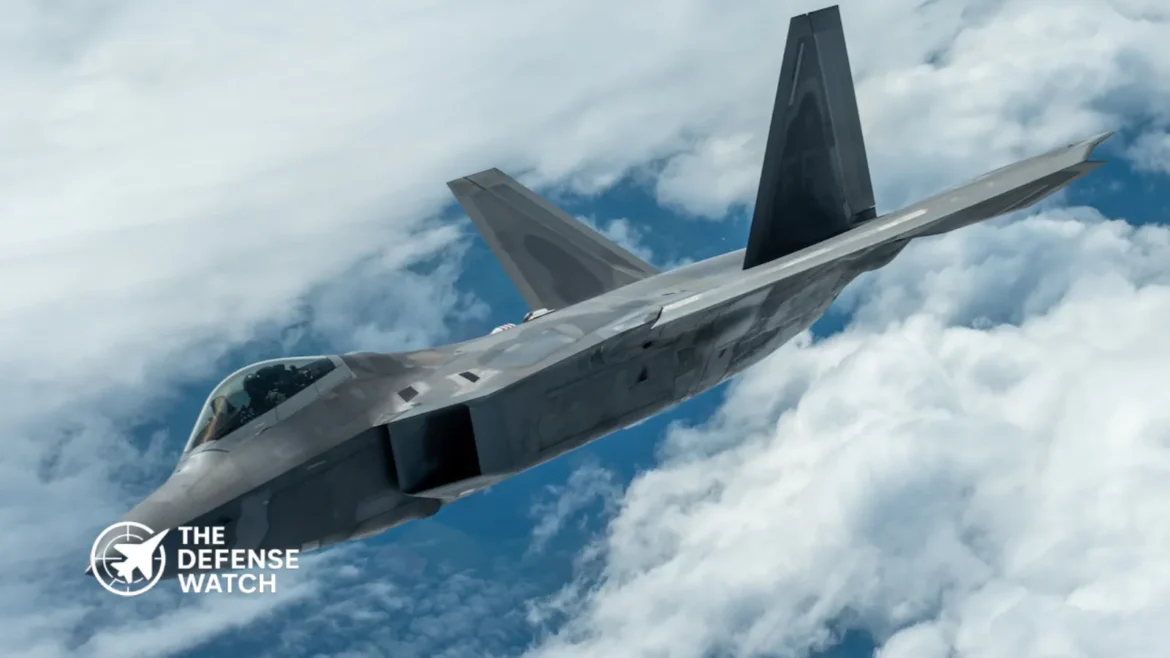
The United States has deployed 12 F-22 Raptors to southern Israel, marking a rare and strategically significant forward positioning of its most advanced air superiority fighter.
According to U.S. defense officials, the aircraft were repositioned as part of broader force posture adjustments aimed at reinforcing deterrence and maintaining rapid response capability in the region. The move comes amid elevated tensions across the Middle East.
The F-22 Raptor, developed by Lockheed Martin for the United States Air Force, remains the cornerstone of American air dominance strategy. Designed for stealth, high-end air combat, and precision strike missions, it combines low observable characteristics with advanced avionics and sensor fusion.
Why The F-22 Deployment Matters
Forward basing F-22 aircraft outside the continental United States is always deliberate. The platform was built primarily to counter near-peer air threats and establish uncontested control of contested airspace.
Its deployment to southern Israel signals three clear objectives:
First, it enhances regional air superiority coverage. The F-22’s advanced radar, electronic warfare suite, and beyond visual range missile capability allow it to detect and engage adversaries before being detected.
Second, it strengthens deterrence. The visible presence of fifth-generation fighters complicates adversary planning and raises the operational threshold for escalation.
Third, it reassures regional partners. Forward positioning high-end assets demonstrates sustained U.S. commitment to allied defense arrangements.
The F-22 is also unique in one key respect. Unlike the F-35 Lightning II, it has never been exported. Congress banned foreign sales of the aircraft in 1998 to protect sensitive technologies. As a result, every overseas deployment carries strategic weight.
Operational Capabilities
The F-22 was designed during the Cold War to defeat advanced Soviet aircraft. It combines stealth shaping, supercruise capability, thrust vectoring, and an advanced AN/APG-77 radar system.
It can carry AIM-120 AMRAAM air to air missiles internally, preserving its low observable profile. Its ability to operate without afterburners at supersonic speed gives it extended reach and faster response time compared to legacy fighters.
While originally optimized for air dominance, the platform has also evolved to support limited precision ground attack missions.
Regional Context
The Middle East has seen recurring periods of escalation involving state and non state actors, missile threats, and drone operations. U.S. air assets routinely rotate through regional bases, but the deployment of 12 F-22s represents a notable concentration of top tier capability.
The United States maintains a longstanding security partnership with Israel, including integrated air and missile defense cooperation. U.S. Central Command regularly coordinates with Israeli defense forces on regional contingency planning.
Though officials have not detailed specific mission sets, analysts assess that the deployment primarily serves a deterrent and contingency response function rather than signaling imminent offensive operations.
Strategic Signaling And Deterrence
In modern force posture strategy, presence is policy. Deploying the F-22 communicates readiness without issuing formal ultimatums.
Unlike carrier strike groups, which are highly visible symbols of naval power, stealth fighters operate with strategic ambiguity. Their survivability and first strike capacity make them particularly effective for crisis stabilization and escalation management.
At the same time, forward deployments carry logistical and sustainment demands. The F-22 fleet is relatively small, with approximately 180 operational aircraft in the inventory. Committing 12 aircraft overseas represents a meaningful allocation of high end air combat power.
What Comes Next
Defense officials have not specified the duration of the deployment. Historically, F-22 rotations to Europe and the Pacific have lasted several weeks to months, depending on regional conditions.
The presence of the F-22 in southern Israel underscores a broader U.S. objective: maintaining air dominance as the foundation of deterrence strategy in contested regions.
As tensions evolve, the forward deployment of America’s premier stealth fighter will remain a closely watched indicator of Washington’s strategic posture in the Middle East.
Singapore Prepares For Historic F-35 Stealth Fighter Arrival
Singapore is on track to receive its first F-35 Lightning II stealth fighters later this year, marking a significant milestone in the Republic of Singapore Air Force’s (RSAF) modernization efforts. According to Defense News reporting, the Southeast Asian nation will join an exclusive group of operators flying the world’s most advanced fifth-generation fighter aircraft, strengthening its defense capabilities amid evolving regional security challenges.
(adsbygoogle = window.adsbygoogle || []).push({});The anticipated delivery represents the culmination of Singapore’s 2020 decision to procure the F-35, positioning the city-state as the first Southeast Asian nation to operate the Joint Strike Fighter. This acquisition fundamentally transforms Singapore’s air combat capabilities and reinforces its position as a key U.S. defense partner in the Indo-Pacific region.
Background: Singapore’s F-35 Acquisition Program
Singapore announced its intention to purchase the F-35B and F-35A variants in January 2020, with an initial order reportedly covering up to 12 aircraft in the first phase. The F-35B variant, capable of short takeoff and vertical landing (STOVL), offers unique operational flexibility for Singapore’s space-constrained environment, while the conventional takeoff and landing F-35A provides complementary capabilities.
The procurement decision followed years of evaluation and came after Singapore’s participation in the F-35 program as a Security Cooperation Participant since 2003. This long-standing involvement provided RSAF personnel valuable exposure to the platform’s development and operational concepts well before finalizing the purchase.
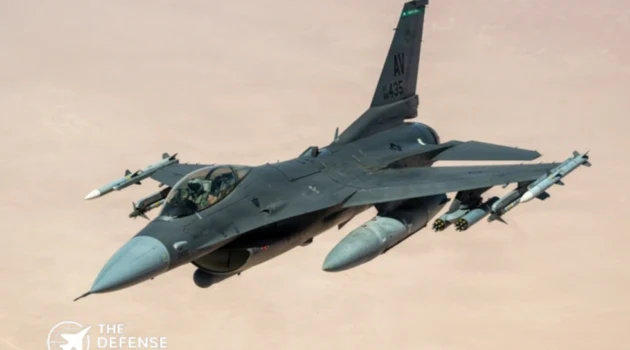
Defense officials indicated that the F-35 acquisition aligns with Singapore’s comprehensive fleet modernization strategy, which includes replacing aging F-16C/D Fighting Falcons that have served as the backbone of the RSAF fighter force for decades.
Technical Capabilities And Strategic Implications
The F-35 Lightning II brings transformative capabilities to the Republic of Singapore Air Force, including advanced stealth characteristics, sensor fusion technology, and network-centric warfare capabilities that far exceed fourth-generation platforms. The aircraft’s AN/APG-81 Active Electronically Scanned Array (AESA) radar, Electro-Optical Targeting System (EOTS), and Distributed Aperture System (DAS) create an unprecedented situational awareness picture for pilots.
(adsbygoogle = window.adsbygoogle || []).push({});Singapore’s F-35 fleet will provide critical advantages in contested airspace scenarios, including the ability to detect, track, and engage threats while remaining difficult to detect. The aircraft’s advanced electronic warfare suite and low-observable design enable operations in highly defended environments that would pose significant challenges to conventional fighters.
The stealth fighter’s interoperability with U.S. and allied forces represents another strategic dimension. As tensions in the South China Sea and broader Indo-Pacific region continue, Singapore’s F-35s will enhance coalition operations and information sharing with other F-35 operators including the United States, Australia, Japan, and South Korea.
Training And Infrastructure Development
Preparing for F-35 operations has required substantial investments in infrastructure, training, and support systems. According to industry sources, RSAF pilots and maintainers have been conducting training at U.S. facilities, including Luke Air Force Base in Arizona, which hosts international F-35 training operations.
Singapore has also invested in specialized maintenance facilities, secure communications infrastructure, and Autonomic Logistics Information System (ALIS) — now transitioning to the Operational Data Integrated Network (ODIN) — to support F-35 operations. These systems enable predictive maintenance and global sustainment coordination essential for maintaining the sophisticated fifth-generation platform.
The training pipeline for F-35 pilots typically requires 12-18 months, beginning with academic instruction on aircraft systems, followed by simulator training, and culminating in live flying operations. RSAF personnel have reportedly been progressing through this pipeline in preparation for the aircraft’s arrival.
Regional Context And Balance Of Power
Singapore’s F-35 acquisition occurs against a backdrop of significant military modernization across the Asia-Pacific region. China has deployed its own fifth-generation fighters, including the J-20 and FC-31/J-35, while neighboring countries have pursued advanced fourth-generation-plus platforms.
The arrival of F-35s in Singapore reinforces the nation’s defense deterrence posture without dramatically altering regional military balances. Singapore has historically maintained a policy of active defense and technological superiority to compensate for its small geographic size and limited strategic depth.
(adsbygoogle = window.adsbygoogle || []).push({});Defense analysts note that Singapore’s F-35 fleet will likely focus on air defense, maritime strike, and intelligence, surveillance, and reconnaissance (ISR) missions within the immediate region. The aircraft’s advanced sensors make it particularly valuable for monitoring maritime approaches and contested waters, including critical sea lanes through the Strait of Malacca.
Economic And Industrial Participation
Singapore’s involvement in the F-35 program extends beyond simple procurement. Local defense companies have secured positions in the global F-35 supply chain, providing components and support services for the international fleet of over 1,000 aircraft across multiple operators.
ST Engineering, Singapore’s defense industrial champion, manufactures components including aircraft structures and participates in maintenance, repair, and overhaul activities for the F-35 program. This industrial participation generates economic returns while building domestic expertise in advanced aerospace technologies.
The F-35 program office has emphasized that Security Cooperation Participants like Singapore benefit from technology transfer opportunities, industrial partnerships, and long-term sustainment contracts that extend well beyond initial aircraft deliveries.
Operational Timeline And Fleet Expansion
While the first F-35 deliveries are expected in late 2026, achieving full operational capability will require additional time for pilot training, tactics development, and operational testing under tropical conditions specific to Southeast Asia. Defense sources suggest initial operational capability could be achieved by 2027-2028.
Singapore has indicated that the F-35 acquisition may extend beyond the initial batch, with potential for additional orders as older F-16 fighters reach the end of their service lives. The RSAF currently operates approximately 60 F-16C/D aircraft alongside F-15SG Strike Eagles, and the F-35 is positioned to eventually replace the F-16 fleet entirely.
The phased approach allows Singapore to manage costs, develop operational expertise gradually, and assess the platform’s performance before committing to larger fleet numbers. This measured strategy reflects Singapore’s typically prudent approach to major defense acquisitions.
Challenges And Considerations
Operating the F-35 in Singapore’s tropical environment presents unique challenges, including high temperatures, humidity, and corrosive salt air that can affect aircraft systems and maintenance requirements. The RSAF will need to develop location-specific maintenance procedures and potentially modify existing infrastructure to accommodate the platform’s environmental sensitivities.
The F-35’s operating costs, which remain higher than fourth-generation fighters despite continuous reduction efforts, will require sustained defense budget commitments. Singapore’s robust economy and consistent defense spending — typically 3-4% of GDP — position the nation to sustain F-35 operations long-term.
Cybersecurity considerations also factor prominently, as the F-35’s network-centric design and reliance on software updates require robust information security measures. Singapore has invested heavily in cyber defense capabilities that will support secure F-35 operations.
(adsbygoogle = window.adsbygoogle || []).push({});International Cooperation And Partnerships
Singapore’s F-35 acquisition strengthens defense ties with the United States, already formalized through multiple agreements including the 1990 Memorandum of Understanding on U.S. military access to Singapore’s facilities. The F-35 program includes extensive information sharing, joint training opportunities, and coordinated sustainment activities that deepen bilateral defense cooperation.
The platform also facilitates multilateral cooperation with other regional F-35 operators. Australia, Japan, and South Korea all operate F-35s, creating opportunities for combined exercises, tactics development, and interoperability enhancement across the Indo-Pacific theater.
Singapore’s Defense Minister has emphasized that the F-35 acquisition supports the nation’s commitment to regional stability and its role as a responsible stakeholder in Southeast Asian security architecture. The RSAF regularly participates in multilateral exercises including Red Flag, Cope Tiger, and Pitch Black, where F-35 integration will enhance training value.
Looking Ahead: Future Capabilities
The F-35 program continues evolving through ongoing software upgrades and capability enhancements under the Continuous Capability Development and Delivery (C2D2) process. Singapore’s aircraft will benefit from these improvements, including enhanced weapons integration, improved electronic warfare capabilities, and advanced networking features.
(adsbygoogle = window.adsbygoogle || []).push({});Future Block 4 upgrades promise significant capability expansions, including integration of new weapons, improved radar performance, and enhanced survivability features. As these upgrades become available, Singapore’s F-35 fleet will maintain its technological edge throughout its multi-decade service life.
The RSAF has also expressed interest in unmanned systems and loyal wingman concepts that could operate alongside manned F-35s, potentially including platforms like the MQ-28 Ghost Bat being developed by Australia and Boeing. Such collaborative combat aircraft could multiply F-35 effectiveness while reducing pilot risk in high-threat scenarios.
UK Positions Advanced Stealth Capability in Eastern Mediterranean
The United Kingdom has deployed six Royal Air Force F-35B Lightning II stealth fighters to RAF Akrotiri in Cyprus, significantly bolstering British military presence in the Eastern Mediterranean as regional tensions escalate following recent U.S.-Iran confrontations, according to official defense sources.The deployment of the fifth-generation stealth aircraft represents a substantial enhancement of UK military capabilities in the region, with the F-35B Lightning II fighters providing advanced reconnaissance, intelligence-gathering, and rapid-response capabilities. RAF Akrotiri, Britain’s sovereign base area on the island of Cyprus, serves as a strategic hub for operations across the Middle East and Eastern Mediterranean.
(adsbygoogle = window.adsbygoogle || []).push({});Strategic Positioning Amid Regional Instability
The UK F-35B deployment to Cyprus comes at a time of heightened security concerns across the Middle East. The timing of the deployment suggests coordination with broader Western military posturing in response to escalating tensions between the United States and Iran, though British defense officials have not explicitly linked the deployment to any specific threat scenario.
RAF Akrotiri has historically served as a critical staging point for British military operations in the region. The base’s location provides rapid access to key strategic areas across the Middle East, North Africa, and the Eastern Mediterranean. The addition of six F-35B Lightning II aircraft significantly enhances the base’s operational capabilities.
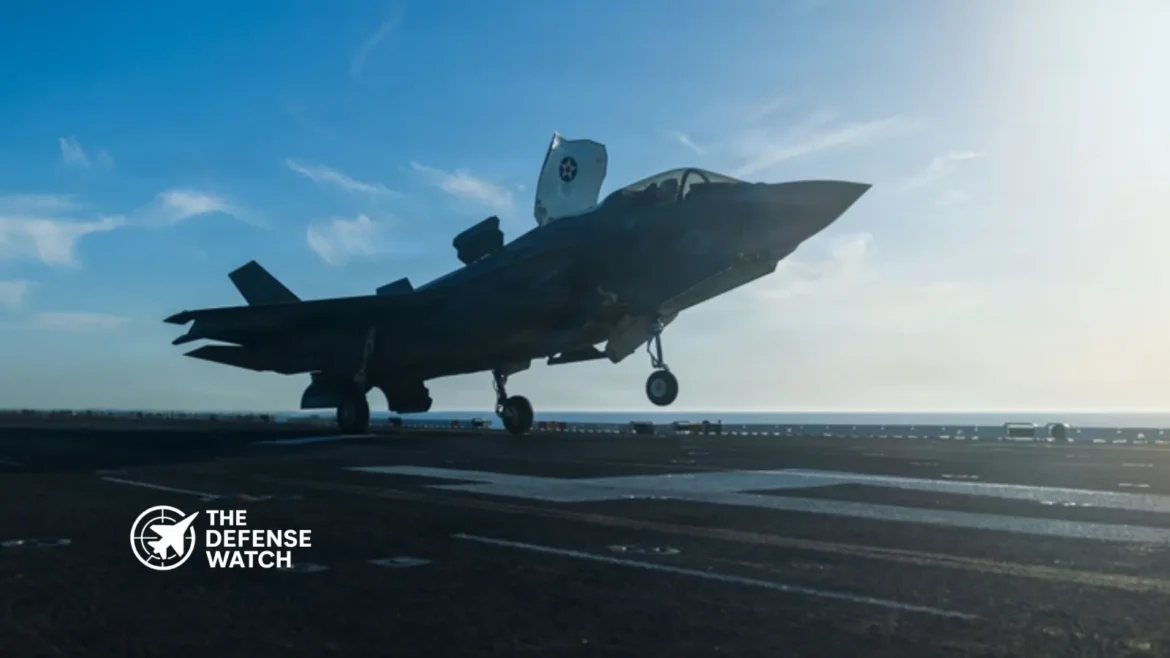
The F-35B variant is specifically designed for short takeoff and vertical landing (STOVL) operations, making it particularly suitable for deployment to forward operating bases and aircraft carriers. This capability provides the Royal Air Force with enhanced operational flexibility in austere or contested environments.
F-35B Lightning II Capabilities
The Lockheed Martin F-35B Lightning II represents the UK’s most advanced combat aircraft, combining stealth technology, advanced sensors, and network-centric warfare capabilities. Each aircraft is valued at approximately $115 million and features:
Stealth Technology: Advanced radar-absorbing materials and airframe design minimize detection by enemy air defense systems, enabling operations in contested airspace.
Sensor Fusion: Integrated sensor packages collect and process information from multiple sources, providing pilots with comprehensive situational awareness across the battlespace.
Network Integration: Data-link capabilities enable F-35B aircraft to share real-time intelligence with other platforms, including ground forces, naval vessels, and allied aircraft.
Multi-Role Capability: The aircraft can perform air-to-air combat, ground attack, reconnaissance, and electronic warfare missions using a variety of precision-guided munitions.
The UK currently operates a fleet of 48 F-35B aircraft, with plans to acquire a total of 138 aircraft over the life of the program. British F-35Bs operate from both land bases and the Royal Navy’s Queen Elizabeth-class aircraft carriers.
RAF Akrotiri’s Strategic Importance
RAF Akrotiri serves as one of the UK’s two sovereign base areas in Cyprus, established following Cypriot independence in 1960. The base occupies a critical geographic position, providing access to:
- The Eastern Mediterranean
- The Middle East theater
- North Africa
- The Black Sea region
The facility houses intelligence-gathering assets, supports aerial refueling operations, and serves as a hub for British military operations across multiple theaters. Recent infrastructure improvements have enhanced the base’s capability to support advanced combat aircraft operations.
(adsbygoogle = window.adsbygoogle || []).push({});British forces have utilized RAF Akrotiri for operations against ISIS in Iraq and Syria, humanitarian missions, and regional security operations. The base’s strategic value has increased as geopolitical tensions in the region have intensified.
Regional Security Context
The deployment occurs against a backdrop of complex security challenges across the Middle East. Recent developments include:
U.S.-Iran Relations: Ongoing tensions between Washington and Tehran have created uncertainty across the region, with concerns about potential military confrontations affecting allied planning and posture.
Maritime Security: Threats to commercial shipping in the Red Sea, Gulf of Aden, and Persian Gulf have required sustained military presence from Western nations.
Syrian Conflict: Continued instability in Syria maintains regional security concerns, with multiple international actors maintaining military presence.
Eastern Mediterranean Energy: Competing claims over natural gas resources in the Eastern Mediterranean have created additional friction points between regional actors.
British defense analysts note that the F-35B deployment enhances the UK’s ability to respond to multiple contingencies across this complex security environment.
(adsbygoogle = window.adsbygoogle || []).push({});UK Defense Posture and Capabilities
The deployment aligns with the UK’s Integrated Review of Security, Defence, Development and Foreign Policy, which emphasized a “tilt” toward the Indo-Pacific while maintaining commitments to Euro-Atlantic security and Middle Eastern stability.
Britain maintains significant military capabilities in the region through:
- Permanent facilities at RAF Akrotiri
- Naval presence in regional waters
- Special operations forces deployments
- Intelligence and surveillance assets
- Partnerships with regional allies
The F-35B deployment demonstrates the UK’s commitment to maintaining a credible military presence despite budgetary pressures and competing global priorities.
Allied Coordination and Interoperability
The UK F-35B deployment to Cyprus likely involves coordination with NATO allies and regional partners. The F-35 program is a multinational effort involving nine partner nations, with extensive interoperability built into the aircraft’s design.
British F-35B aircraft can integrate seamlessly with U.S. and other allied F-35 operations, sharing sensor data and coordinating mission planning through secure communication networks. This interoperability enhances the effectiveness of allied operations across the region.
The deployment may also involve coordination with U.S. forces operating from regional bases, including those in Qatar, Bahrain, and the United Arab Emirates. Combined operations enhance deterrence and provide flexible response options to security challenges.
Operational Considerations
Military analysts note several operational factors relevant to the F-35B deployment:
Maintenance and Logistics: Sustaining F-35B operations requires sophisticated maintenance infrastructure and supply chains. RAF Akrotiri’s existing facilities have been upgraded to support fifth-generation aircraft operations.
Pilot and Crew Readiness: RAF F-35B pilots undergo extensive training, including operations from both land bases and aircraft carriers. The Cyprus deployment provides valuable operational experience in a strategically important theater.
(adsbygoogle = window.adsbygoogle || []).push({});Mission Profiles: Potential missions could include reconnaissance, air patrols, training exercises with regional partners, and maintaining readiness for contingency operations.
Duration: Defense officials have not specified the duration of the deployment, with rotational patterns likely depending on evolving regional security requirements.
Strategic Implications
The deployment of six RAF F-35B stealth fighters to Cyprus carries several strategic implications:
Deterrence: The presence of advanced stealth aircraft enhances Western military capabilities in the region, potentially deterring adversary actions.
Reassurance: Allied nations and partners may view the deployment as evidence of sustained British commitment to regional security.
Flexibility: F-35B capabilities provide British commanders with options for responding to a range of security scenarios, from surveillance to combat operations.
Signal: The deployment sends a message about UK willingness to maintain forward military presence despite domestic political and economic challenges.
Defense experts note that stealth aircraft deployments carry particular significance due to their ability to operate in contested environments where conventional aircraft face greater risks.
Looking Ahead
The UK’s deployment of F-35B Lightning II aircraft to RAF Akrotiri represents a significant commitment of advanced military assets to the Eastern Mediterranean theater. As regional security dynamics continue to evolve, the presence of British stealth fighters provides London with enhanced options for protecting national interests and supporting allied operations.
(adsbygoogle = window.adsbygoogle || []).push({});The deployment underscores the enduring strategic importance of RAF Akrotiri and the UK’s determination to maintain a credible military presence in a region of vital global importance. Whether this deployment represents a temporary surge or the beginning of a sustained forward presence remains to be seen, with decisions likely dependent on evolving threat assessments and diplomatic developments.
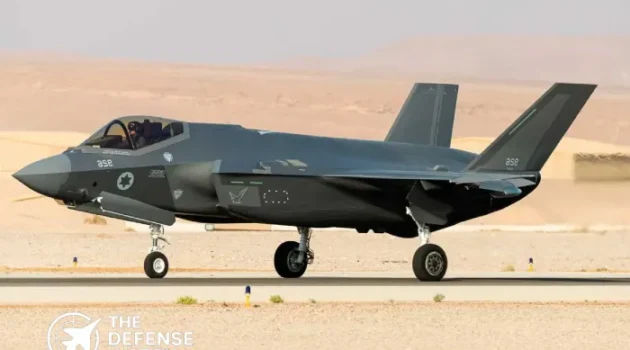
F-35i Adir FighterJets have expanded the Israel Air Force fleet after three new aircraft landed at Nevatim Air Force Base, reinforcing Israel’s frontline combat aviation during a period of sustained operations.
The Israel Air Force confirmed that three newly manufactured F-35i Adir fighter jets arrived at Nevatim Air Force Base today. The aircraft were built by Lockheed Martin and delivered as part of Israel’s ongoing F-35 procurement program with the United States.
(adsbygoogle = window.adsbygoogle || []).push({});The jets will be assigned to two frontline units, the Southern Lions Squadron (116 Squadron) and the Golden Eagle Squadron (140 Squadron). Upon arrival, the aircraft received the Israel Air Force emblem, marking their formal induction into operational service.
The F-35i Adir is Israel’s customized version of the F-35A Lightning II. It integrates Israeli-developed systems for command and control, electronic warfare, and weapons integration, while retaining the core stealth, sensor fusion, and networked combat capabilities of the baseline aircraft. These modifications allow the Israel Air Force to adapt the platform to regional operational requirements.
According to the Israel Defense Forces, the Adir fleet has been operating continuously since the outbreak of the current conflict, conducting both defensive and strike missions across multiple theaters. Missions have included air defense, intelligence support, and precision strike operations, highlighting the aircraft’s multirole flexibility.
The delivery of additional F-35i Adir fighter jets is intended to maintain sortie capacity and operational readiness during an extended period of high operational tempo. Israeli defense officials have repeatedly emphasized the importance of sustaining fleet size and availability as missions continue across different fronts.
Israel’s F-35 program is closely tied to its long-standing security partnership with the United States. Lockheed Martin produces the aircraft in the U.S., while the program is supported through Foreign Military Financing and long-term defense cooperation agreements. Israeli officials have stated that the partnership plays a key role in preserving Israel’s qualitative military edge and contributing to regional stability.
(adsbygoogle = window.adsbygoogle || []).push({});Nevatim Air Force Base serves as the main hub for Israel’s F-35i operations and training. The base supports multiple Adir squadrons and associated maintenance and mission planning infrastructure, making it central to Israel’s fifth-generation air combat capability.
With these latest arrivals, Israel continues the gradual expansion of its F-35i Adir force, which remains one of the most operationally active F-35 fleets worldwide.
UK F-35 delivery timeline clarified
The UK F-35 delivery timeline now points to the 75th aircraft arriving by the end of 2033, according to a Ministry of Defence parliamentary response. The update provides fresh clarity on how the Lightning II fleet will grow through the next decade.
Responding to a written question in the House of Lords on January 5, 2026, Defence Minister Lord Coaker said the department expects to have taken delivery of its 75th F-35 aircraft by the end of 2033. The question focused on when the UK would reach the 74 aircraft mark under its existing commitment.
Fleet growth through the 2030s
The United Kingdom has so far committed to at least 74 F-35 Lightning II aircraft, with the option to order more in future batches. The program supports both the Royal Air Force and Royal Navy, forming the core of the UK carrier strike capability.
As of mid November 2025, the UK had received 41 F-35 aircraft. That figure was confirmed in a separate parliamentary answer by Veterans and People Minister Louise Sandher-Jones. The total planned deliveries by the end of 2025 stood at 48 aircraft.
RAF and Royal Navy operations
UK F-35 aircraft operate from RAF Marham and regularly deploy aboard the Royal Navy’s Queen Elizabeth class aircraft carriers. The jets are flown by mixed RAF and Royal Navy squadrons and are central to expeditionary air operations at sea.
Deliveries beyond the initial tranche are expected to continue steadily into the 2030s as the fleet moves toward a fully mature force structure.
F-22 and F-35 Airpower at the Center of Venezuela Operation
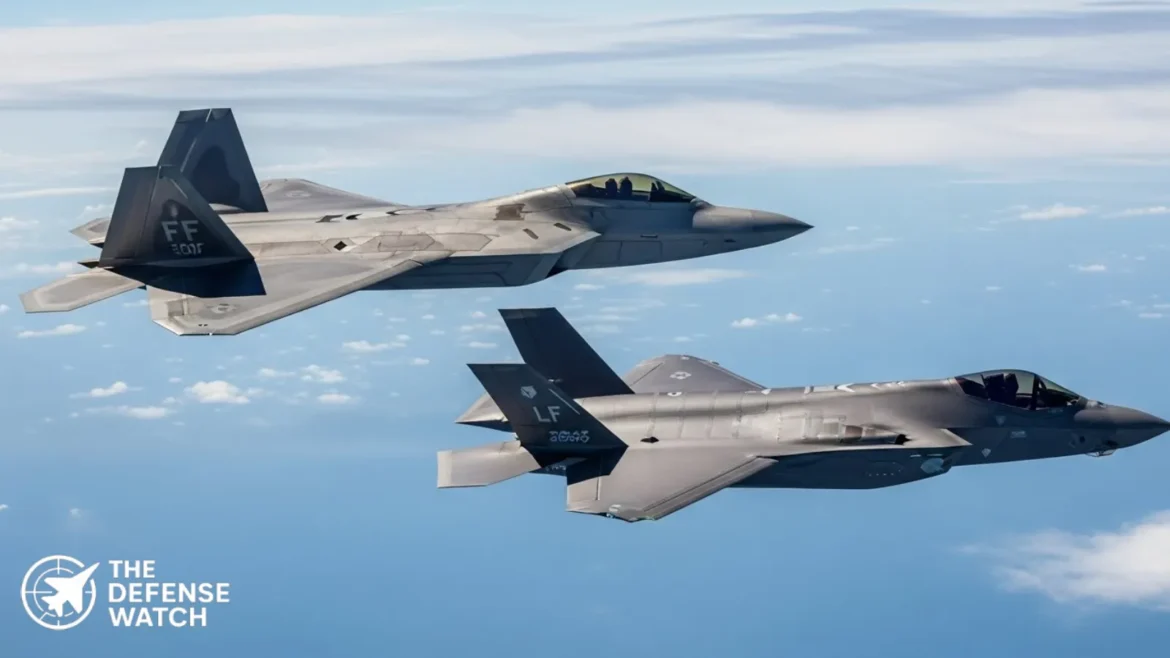
F-22 Raptor and F-35 Lightning II fighter jets reportedly played a central role in a US led airpower operation that enabled the capture of Venezuelan leader Nicolas Maduro, according to a report published by Defence Industry Europe. The account highlights how advanced US stealth aircraft were used to establish air dominance and suppress Venezuelan military responses during the operation.
While US officials have not publicly confirmed the details, the report underscores how fifth generation airpower remains a key tool for Washington in high risk contingency operations. The focus keyword F-22 and F-35 airpower operation has emerged prominently in coverage of the incident, reflecting the aircraft’s strategic value.
Establishing Air Superiority with Stealth Fighters
According to the report, F-22 Raptors were deployed to secure air superiority early in the operation. Designed primarily for air dominance, the F-22’s stealth profile, high speed, and advanced sensors reportedly allowed US forces to neutralize potential aerial threats before they could react.
The F-35 Lightning II complemented this role by conducting precision strikes, electronic warfare tasks, and intelligence gathering. With its sensor fusion and networked warfare capabilities, the F-35 is described as providing real time targeting data to US and allied forces involved in the operation.
Together, the F-22 and F-35 formed a layered airpower approach that limited Venezuela’s ability to respond militarily.
Role of US Airpower in Ground Operations
The report suggests that US airpower over Venezuela was not limited to combat aircraft alone. Airborne early warning platforms, aerial refueling tankers, and intelligence assets reportedly supported sustained operations across Venezuelan airspace.
By controlling the air domain, US forces were able to support ground elements tasked with securing key locations. The capture of Maduro, as described in the report, was made possible by the absence of effective Venezuelan air or air defense resistance during the critical phases of the mission.
This approach aligns with longstanding US doctrine, where air dominance is achieved first to reduce risk to personnel on the ground.
Venezuela’s Air Defenses and Regional Implications
Venezuela operates a mix of Russian supplied air defense systems and combat aircraft, including older generation fighters. However, analysts have long questioned their effectiveness against US stealth platforms such as the F-22 and F-35.
If the report is accurate, the operation highlights the widening airpower gap between the United States and regional militaries in Latin America. The ability to deploy stealth aircraft with minimal warning reinforces Washington’s freedom of action in contested environments.
Analysis, What This Means for US Airpower Strategy
The reported use of F-22 and F-35 jets in Venezuela underscores how fifth generation fighters are increasingly central to US crisis response options. Rather than relying on large scale troop deployments, Washington appears to favor precision airpower combined with limited ground action.
This model reduces political risk while maintaining decisive military advantage. It also sends a clear signal to adversaries that advanced air defenses alone may not be sufficient to deter US intervention.
At the same time, the lack of official confirmation means the full scope of the operation remains unclear. Future disclosures may refine or challenge the current narrative.
Broader Geopolitical Context
The reported operation comes amid ongoing instability in Venezuela and heightened US focus on maintaining influence in the Western Hemisphere. Control of airspace through platforms like the F-22 Raptor and F-35 Lightning II remains a cornerstone of that strategy.
As global competition intensifies, US airpower capabilities continue to shape outcomes far beyond traditional conflict zones.
FAQs
Did the US officially confirm the use of F-22 and F-35 jets in Venezuela?No official confirmation has been issued. Details are based on external reporting.
Why are F-22 and F-35 aircraft important in modern operations?They offer stealth, advanced sensors, and the ability to operate in contested airspace.
Does Venezuela have defenses against stealth aircraft?Venezuela operates legacy air defenses that are generally considered ineffective against fifth generation fighters.
What does this mean for regional airpower balance?It highlights the significant technological gap between US forces and most Latin American militaries.
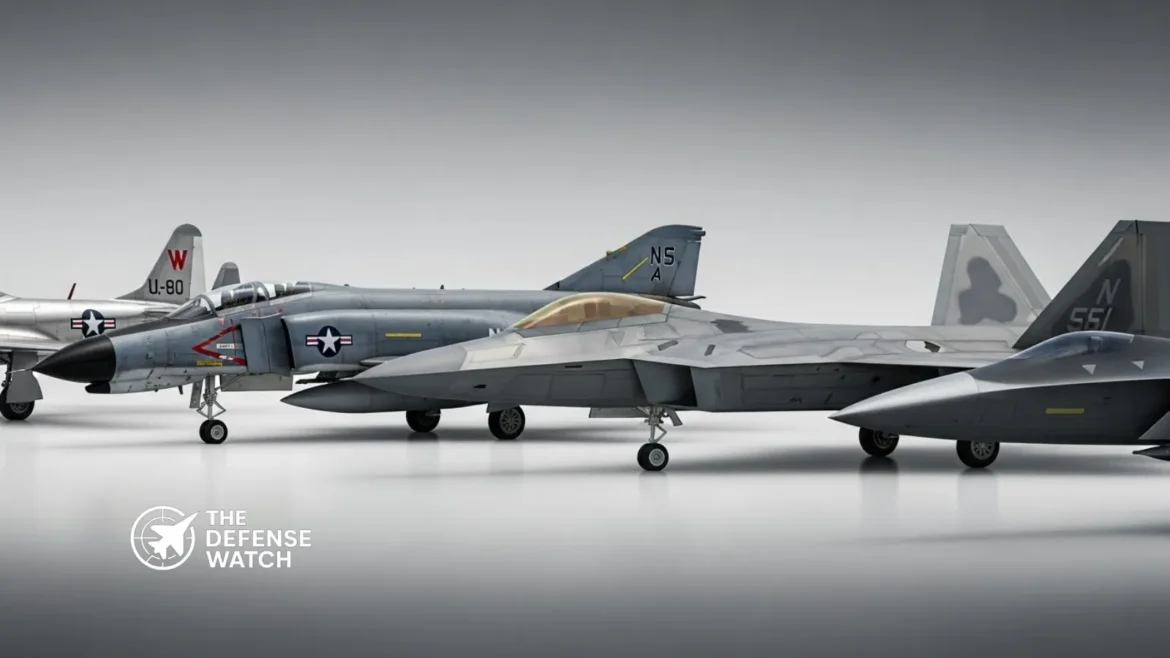
Fighter jet generations explained is a common way military analysts describe how combat aircraft have evolved over time. The system groups fighter aircraft by shared design features, mission roles, and technology levels. While not an official U.S. military standard, the generational model is widely used by defense planners, aerospace engineers, and analysts to compare airpower capabilities across countries.
From early gun armed jets of the Cold War to stealthy networked platforms now entering service, fighter aircraft have changed how air forces fight, deter, and project power. This explainer outlines the defining characteristics of fighter jets from the first generation through the emerging sixth generation, with examples and operational context.
What Defines a Fighter Jet Generation
Fighter generations are shaped by major leaps in technology rather than strict timelines. Key factors include propulsion, avionics, sensors, weapons, stealth, and how aircraft operate within a broader combat network.
Not all countries agree on exact boundaries. Some aircraft blur generational lines due to upgrades or hybrid designs. Still, the framework remains useful for understanding capability gaps and modernization trends.
First Generation Fighter Jets
Early Jet Age and Subsonic Combat
First generation fighters emerged in the mid nineteen forties and early nineteen fifties. These aircraft were often direct adaptations of late World War Two designs, replacing propellers with jet engines.
Key traits included straight wings, limited radar or none at all, and reliance on guns rather than guided weapons. Flight performance improved over prop aircraft, but endurance and reliability were limited.
Examples
Notable first generation fighters include the Messerschmitt Me 262, Gloster Meteor, Lockheed P 80 Shooting Star, and Mikoyan Gurevich MiG 9.
These jets established the foundation for jet air combat but were quickly outpaced by faster and more capable designs.
Second Generation Fighter Jets
Supersonic Flight and Early Missiles
Second generation fighters entered service in the mid nineteen fifties. Swept wings and more powerful engines allowed sustained supersonic flight. Radar began to appear, though early systems were basic and unreliable.
This generation marked the introduction of air to air missiles, driven by the belief that dogfighting would become obsolete. Combat experience later challenged that assumption.
Examples
Representative aircraft include the MiG 21, F 104 Starfighter, English Electric Lightning, and Dassault Mirage III.
Many second generation fighters were produced in large numbers and exported globally, shaping Cold War air forces for decades.
Third Generation Fighter Jets
Multirole Capability and Improved Avionics
Third generation fighters arrived in the nineteen sixties and seventies. Lessons from Vietnam and Middle East conflicts led to renewed emphasis on maneuverability, guns, and pilot situational awareness.
Radar systems improved, beyond visual range missiles became more credible, and aircraft began to adopt true multirole designs capable of both air combat and ground attack.
Examples
Key third generation fighters include the F 4 Phantom II, MiG 23, MiG 25, Saab Viggen, and early variants of the Mirage F1.
These aircraft formed the backbone of many air forces well into the late Cold War.
Fourth Generation Fighter Jets
Agility, Sensors, and Digital Flight Control
Fourth generation fighters represent a major leap in capability. Entering service from the late nineteen seventies onward, they emphasized energy maneuverability, relaxed static stability, and fly by wire flight controls.
Advanced pulse Doppler radars, modern electronic warfare systems, and high off bore sight missiles transformed air combat.
Examples
Prominent fourth generation fighters include the F 15 Eagle, F 16 Fighting Falcon, F A 18 Hornet, Su 27 Flanker, and Mirage 2000.
Many remain in frontline service today after extensive upgrades.
Fourth Generation Plus Fighters
Incremental Advances Without Full Stealth
Fourth generation plus fighters build on earlier designs with improved avionics, active electronically scanned array radar, reduced radar signature, and better data links.
While not stealth aircraft, they are more survivable and capable in contested airspace.
Examples
Examples include the F A 18E F Super Hornet, Rafale, Eurofighter Typhoon, Su 30SM, Su 35, and JAS 39E Gripen.
These aircraft continue to dominate global fighter procurement due to lower cost and export availability.
Fifth Generation Fighter Jets
Stealth and Networked Warfare
Fifth generation fighters are defined by low observable design, internal weapons carriage, sensor fusion, and secure data sharing. Stealth allows them to operate in heavily defended airspace while gathering and distributing targeting data.
These aircraft are designed as part of a system rather than standalone platforms.
Examples
Operational fifth generation fighters include the F 22 Raptor, F 35 Lightning II, J 20 Mighty Dragon, and Su 57 Felon.
Each reflects different national approaches to stealth, propulsion, and mission priorities.
Sixth Generation Fighter Jets
Next Step in Air Dominance
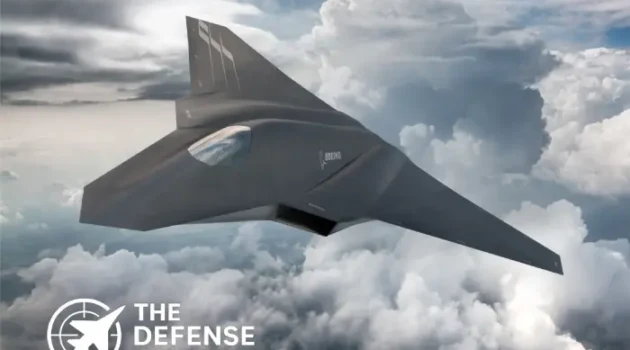
Sixth generation fighters remain under development, with programs in the United States, Europe, and Asia. These aircraft are expected to enter service in the mid twenty thirties or later.
Planned features include optionally crewed operation, integration with unmanned wingmen, advanced electronic warfare, adaptive engines, and expanded use of artificial intelligence.
Current Programs
Major efforts include the U.S. Next Generation Air Dominance program, the British Italian Japanese Global Combat Air Programme, and the Franco German Spanish Future Combat Air System.
Specific performance details remain classified or unconfirmed.
Analysis: Why Fighter Jet Generations Still Matter
Understanding fighter jet generations explained in clear terms helps frame debates about airpower balance and defense spending. While generational labels can oversimplify reality, they highlight where technology gaps may exist.
Modern air combat depends as much on sensors, networks, and support assets as on raw aircraft performance. A fourth generation plus fighter paired with strong intelligence and electronic warfare may outperform a fifth generation jet used in isolation.
As sixth generation programs advance, the focus is shifting from individual platforms to integrated air combat systems. This trend will shape procurement choices and alliance cooperation for decades.
FAQs
Are fighter generations officially defined by the U.S. military?No. Generational labels are analytical tools used by industry and analysts rather than formal doctrine.
Can older fighters compete with newer generations?Yes, when upgraded and used with strong support systems, though survivability may be limited in high threat environments.
Is stealth the main factor separating generations?Stealth is central to fifth generation fighters, but sensors, data fusion, and networking are equally important.
Will sixth generation fighters replace fifth generation aircraft?They are expected to complement rather than fully replace existing fleets for many years.
Do all countries follow the same generational model?No. Some nations define generations differently based on doctrine and industrial priorities.
Newer Posts