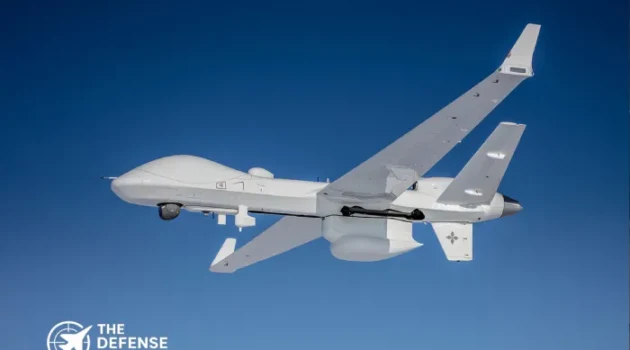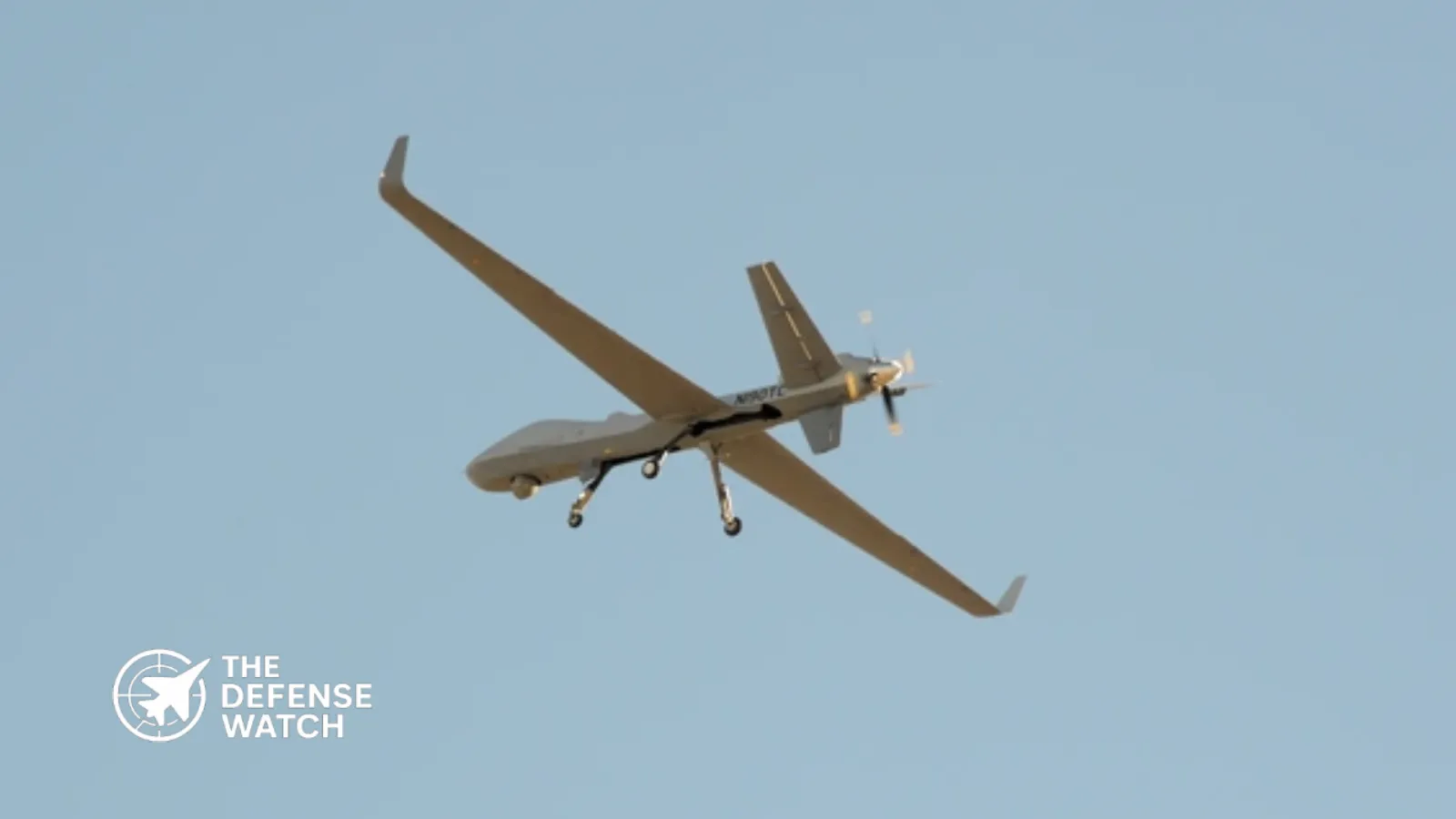
- General Atomics is studying integration of long-range cruise missiles on the MQ-9B SkyGuardian and SeaGuardian drones.
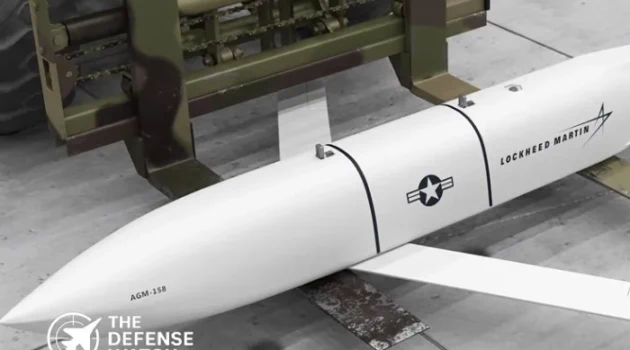
- Candidate weapons include the AGM-158 JASSM, AGM-158C LRASM, and the Joint Strike Missile (JSM).
- The capability aims to expand MQ-9B missions from ISR to long-range maritime and land strike.
- General Atomics plans to test flight integration of at least one of these weapons as early as 2026.
- The concept supports distributed operations across vast theaters such as the Western Pacific.
MQ-9B Long Range Missile Integration Expands Drone Strike Potential
MQ-9B long range missile integration is being explored by General Atomics Aeronautical Systems Inc. as the company examines ways to equip its flagship unmanned aircraft with advanced cruise missiles such as the AGM-158 Joint Air-to-Surface Standoff Missile (JASSM), AGM-158C Long-Range Anti-Ship Missile (LRASM), and the Joint Strike Missile (JSM).
The initiative aims to expand the MQ-9B SkyGuardian and SeaGuardian platforms beyond their traditional intelligence, surveillance, and reconnaissance roles and into long-range precision strike missions.
If successful, the integration would mark a major shift in how medium-altitude long-endurance (MALE) drones contribute to high-end combat operations.
The Big Picture
U.S. and allied militaries increasingly seek distributed strike capabilities that can operate across large geographic areas without relying solely on manned aircraft.
Platforms capable of launching long-range precision weapons from outside hostile air defense zones are becoming central to modern operational concepts. The Indo-Pacific theater in particular presents vast distances that complicate traditional force projection.
Unmanned aircraft like the MQ-9B offer several advantages in this environment. They can remain airborne for extended periods, operate at relatively low cost compared with manned strike aircraft, and maintain persistent surveillance over potential targets.
Adding cruise missiles to such platforms effectively transforms them into long-range strike nodes within a distributed network of sensors and shooters.
What’s Happening
General Atomics announced in February 2026 that it is developing the ability for the MQ-9B to carry extended-range precision weapons.
Engineers are evaluating how the aircraft’s payload capacity, aerodynamic stability, range, and mission systems can support heavier weapons such as:
- AGM-158 JASSM long-range land-attack missile
- AGM-158C LRASM anti-ship missile
- Joint Strike Missile developed by Kongsberg and Raytheon
These weapons would allow the MQ-9B to engage heavily defended land targets or high-value naval assets from significant stand-off distances.
General Atomics said it intends to conduct flight testing with at least one of the missile types as early as 2026.
The company is examining how the additional weight and aerodynamic loads of these weapons affect the aircraft’s performance envelope.
Why It Matters
Equipping MQ-9B drones with long-range cruise missiles would significantly expand the operational role of unmanned aircraft in high-intensity conflict.
Traditionally, MQ-9 family drones have focused on ISR missions and limited precision strikes using smaller weapons such as Hellfire missiles or guided bombs. Integrating cruise missiles capable of traveling hundreds of kilometers changes that model.
Instead of operating near the battlefield, MQ-9B drones could remain well outside contested airspace while still delivering precision strikes.
This approach offers several advantages:
Persistent targeting capability
Lower operational cost compared with manned aircraft
Reduced risk to pilots
Greater flexibility for distributed operationsThe concept also aligns with emerging U.S. military doctrines emphasizing networked kill chains and multi-domain operations.
Strategic Implications
The addition of long-range cruise missiles could transform the MQ-9B into a distributed strike platform capable of supporting joint and coalition operations.
In maritime scenarios, an MQ-9B equipped with LRASM or JSM could help locate and engage hostile naval forces while coordinating with surface ships, submarines, and aircraft.
In land warfare, JASSM integration would allow the drone to target high-value infrastructure, command nodes, or air defense systems from extended distances.
Because the MQ-9B can remain airborne for many hours, it could loiter in designated areas waiting for targeting data before launching weapons.
This persistence provides commanders with additional flexibility compared with traditional strike aircraft that must return to base more frequently.
Competitor View
China and Russia closely monitor developments in unmanned strike capabilities, particularly those that enable long-range precision attacks.
Both countries have invested heavily in integrated air defense systems designed to deny access to contested regions. Weapons launched from outside these defensive envelopes complicate those strategies.
From Beijing’s perspective, MQ-9B platforms equipped with anti-ship missiles could enhance allied maritime strike capabilities in the Western Pacific. Such systems could contribute to distributed maritime operations targeting naval assets at extended ranges.
Moscow is also expanding its own unmanned strike programs, including long-range drones and cruise missile carriers.
The global competition in unmanned combat capabilities continues to accelerate as states seek cost-effective alternatives to traditional airpower.
What To Watch Next
Several milestones will determine whether the MQ-9B long range missile concept becomes operational.
First, engineers must validate the aircraft’s ability to safely carry and release heavier cruise missiles without compromising flight stability.
Second, integration with targeting networks and command systems will be critical. Long-range weapons require accurate targeting data that often comes from multiple sensors across the battlefield.
Third, export customers may influence the program’s trajectory. Many MQ-9B operators, including the United Kingdom, Japan, and India, could benefit from expanded strike capabilities.
Future demonstrations in 2026 will provide the first real indication of how viable the concept is in operational terms.
Capability Gap
Modern military planners face a growing challenge in maintaining persistent strike options across large theaters while minimizing risk to manned aircraft.
Traditional fighter aircraft provide speed and survivability but have limited endurance compared with unmanned platforms.
Meanwhile, surveillance drones provide persistence but historically lacked heavy strike capability.
Arming the MQ-9B with cruise missiles attempts to bridge that gap.
However, limitations remain. The drone’s speed and survivability are lower than those of stealth fighters, making it unsuitable for penetrating heavily defended airspace. Its role would likely focus on stand-off launch positions outside contested zones.
The Bottom Line
Integrating long-range cruise missiles on the MQ-9B could transform the drone from a surveillance platform into a persistent standoff strike asset for modern distributed warfare.
Get real time update about this post category directly on your device, subscribe now.