- ► Australia is assessing European weapons integration for the Ghost Bat uncrewed combat aircraft.
- ► The move could expand the RAAF’s missile options beyond traditional U.S. systems.
- ► Ghost Bat is designed to operate alongside crewed fighters as part of Australia’s loyal wingman concept.
- ► European missile integration could strengthen industrial ties and diversify supply chains.
- ► The decision reflects broader Australian efforts to build a flexible, resilient air combat ecosystem.
Australia Explores European Weapons Integration For Ghost Bat
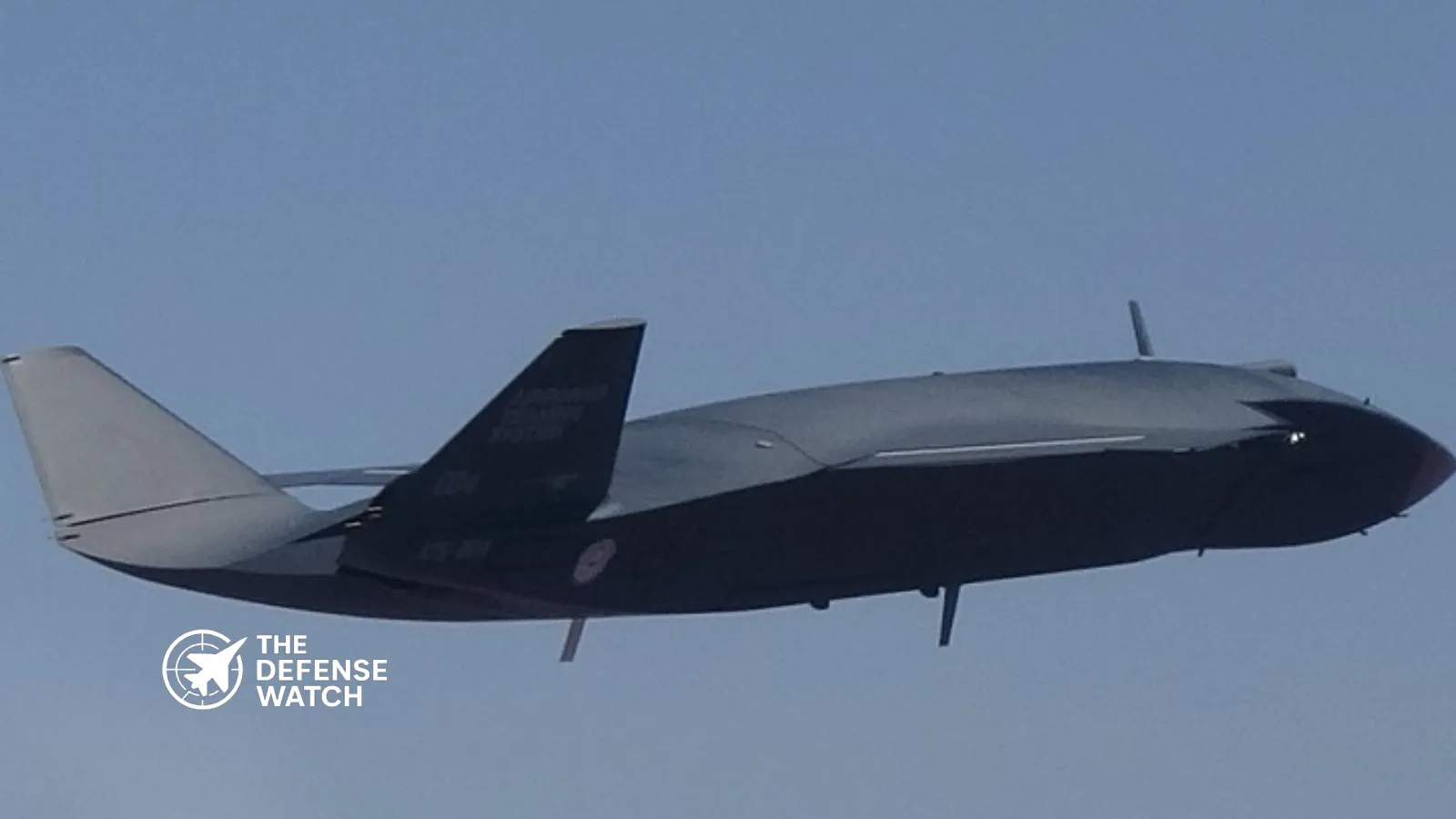
Australia is exploring European weapons integration for Ghost Bat as it refines the future role of its uncrewed loyal wingman aircraft.
The study reflects Canberra’s interest in expanding the combat flexibility of the Royal Australian Air Force, particularly as the Indo Pacific security environment grows more complex.
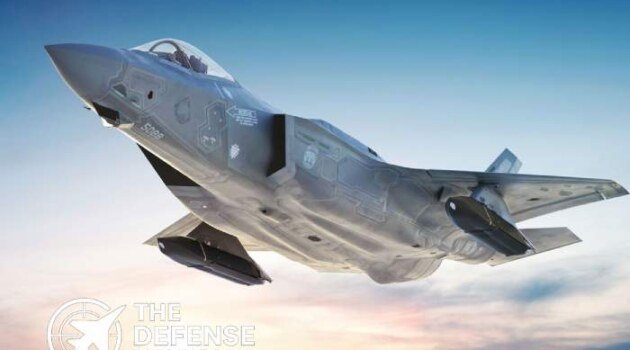
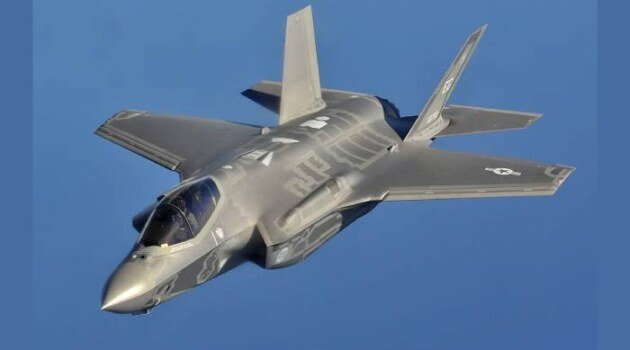
Ghost Bat, developed by Boeing Defence Australia, is designed to operate alongside crewed fighters such as the Royal Australian Air Force fleet of F-35A Lightning II and F/A-18F Super Hornet aircraft. Its core mission is to extend sensor reach, carry additional weapons, and absorb operational risk in contested airspace.
Expanding Missile Options Beyond Traditional Suppliers
At the center of the review is whether European munitions could be integrated onto Ghost Bat. While Australian combat aircraft traditionally rely heavily on U.S. sourced weapons, diversification has become a growing theme in defense planning.
Potential European systems could include air to air and air to surface missiles developed by firms such as MBDA, though no final selection has been announced.
Integrating European weapons would not be a simple plug and play effort. It would require software, fire control, and certification work to ensure compatibility with Ghost Bat’s open mission systems architecture. Still, the aircraft was designed with modularity in mind, a feature that may ease multi supplier integration.
From a strategic standpoint, diversifying suppliers reduces reliance on a single source and strengthens resilience in a crisis. It also signals Australia’s intent to build broader defense industrial ties with European partners.
Loyal Wingman In A Changing Threat Environment
The Ghost Bat program, formerly known as the Airpower Teaming System, is a flagship example of Australia’s push into advanced autonomous air combat. The platform is intended to operate as a force multiplier for crewed jets, sharing sensor data and executing missions with a high degree of autonomy.
As regional militaries invest in advanced surface to air systems and long range air to air missiles, survivability and flexibility are critical. An uncrewed aircraft that can carry varied munitions, including potentially European weapons, gives planners more operational choice.
This flexibility matters in coalition operations as well. Australia routinely trains and operates with NATO partners and Indo Pacific allies. A broader mix of compatible weapons could simplify joint logistics and expand mission options during combined operations.
Industrial And Strategic Implications
The exploration of European weapons integration for Ghost Bat also has industrial implications. Australia has emphasized sovereign capability and local industry participation in recent defense policy documents.
Working with European missile suppliers could open pathways for co production, technology transfer, or local assembly. That would align with Canberra’s long term objective of strengthening its domestic defense base.
At the same time, interoperability with U.S. systems remains central to Australian strategy. The United States is Australia’s principal security ally, and many of its high end capabilities, including the F 35A, are deeply integrated with American networks and weapons.
Balancing these relationships requires careful technical and diplomatic coordination. Expanding options does not mean replacing existing partnerships, but rather adding depth to them.
What Comes Next For Ghost Bat
Australia has already conducted multiple test flights of Ghost Bat prototypes, advancing the program from concept to operational experimentation. The aircraft’s modular nose section and open architecture were intended to allow rapid reconfiguration for sensors and mission systems.
If European weapons integration proceeds, the next steps would likely include feasibility studies, integration trials, and certification testing under RAAF oversight.
The outcome will shape how Ghost Bat is fielded in the coming decade. Whether equipped primarily with U.S. systems, European munitions, or a mix of both, the platform represents a shift toward distributed, collaborative air combat.
For the Royal Australian Air Force, the goal is clear. Build a flexible, survivable force that can adapt quickly to changing threats. Exploring European weapons integration for Ghost Bat is one more step in that direction.
Get real time update about this post category directly on your device, subscribe now.