Table of Contents
What Defines 5th Generation Fighter Jets
5th generation fighter jets sit at the center of modern airpower competition. These aircraft combine stealth, advanced sensors, data fusion, and networked combat in ways earlier fighters cannot match. For air forces, 5th generation fighters are not just new planes. They are flying combat systems designed to see first, strike first, and survive in heavily defended airspace.
The term 5th generation fighter jets is widely used by defense planners and aerospace analysts, even though there is no single international standard. Still, several core features clearly separate these aircraft from 4th and 4.5 generation fighters. Understanding these traits helps explain why only a handful of countries operate true 5th generation jets today.
Core Characteristics of 5th Generation Fighter Jets
Stealth as a Design Foundation
Low observability is the defining feature of 5th generation fighter jets. Stealth is built into the aircraft shape, materials, and internal weapons bays. Unlike older fighters that rely on external pods or limited radar absorbing coatings, 5th generation jets are designed from the start to reduce radar, infrared, and electronic signatures.
This allows them to operate inside advanced air defense systems where non stealth aircraft would face high risk.
Sensor Fusion and Situational Awareness
Another critical element is sensor fusion. Multiple onboard sensors, including radar, infrared search and track, and electronic support measures, feed data into a single tactical picture. Pilots see a clean, integrated display rather than raw sensor outputs.
This capability shortens decision time and improves survivability, especially in complex combat environments.
Networked Warfare and Data Sharing
5th generation fighter jets act as nodes in a wider combat network. They share targeting data with other aircraft, ships, ground forces, and command centers. In some cases, they guide weapons launched by other platforms while remaining undetected themselves.
This networked approach changes how air battles are fought and how joint forces operate.
Advanced Propulsion and Supercruise
Most 5th generation fighters feature powerful engines designed for supercruise, sustained supersonic flight without afterburners. This improves range, reduces fuel consumption, and lowers infrared signature during high speed operations.
United States, The Most Mature 5th Generation Fleet
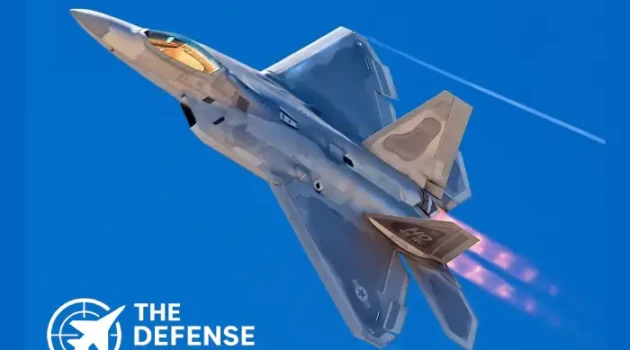
F 22 Raptor
The Lockheed Martin F 22 Raptor was the worlds first operational 5th generation fighter jet. Developed for air dominance, it combines extreme stealth, supercruise, and unmatched maneuverability.
The F 22 entered service in the mid 2000s and remains limited to the US Air Force. Export was banned by US law, keeping the fleet exclusive. Production ended in 2012, but the aircraft continues to receive upgrades focused on sensors, weapons, and electronic warfare.
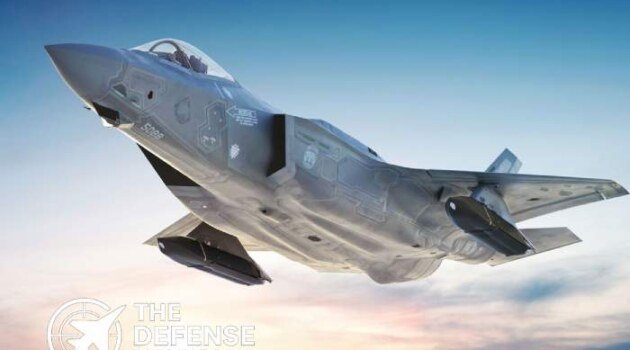
F 35 Lightning II
The F 35 Lightning II is the most widely deployed 5th generation fighter jet in the world. Built in three main variants for conventional takeoff, short takeoff and vertical landing, and carrier operations, the F 35 serves multiple branches of the US military and allied air forces.
Its strength lies in sensor fusion and networked warfare rather than raw speed or agility. The F 35 acts as a battlefield sensor hub, sharing real time data across joint forces.
More than a dozen countries operate or have ordered the F 35, making it the backbone of Western airpower for decades.
China, Rapid Progress in Stealth Fighter Development
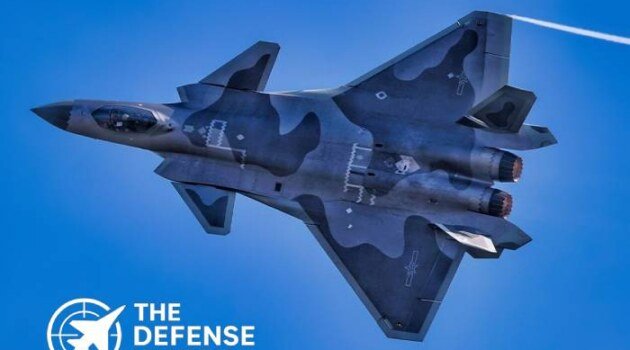
J 20 Mighty Dragon
Chinas Chengdu J 20 is the first non Western 5th generation fighter jet to enter operational service. The aircraft emphasizes long range interception and strike missions, reflecting Chinas focus on countering high value targets such as tankers and airborne early warning aircraft.
The J 20 features internal weapons bays, advanced avionics, and evolving engine technology. Early versions relied on Russian engines, but newer variants are believed to use indigenous powerplants.
The J 20 has become a key element of the Peoples Liberation Army Air Force modernization drive.
FC 31 and J 35 Program
China is also developing a second stealth fighter design, often referred to as FC 31 or J 35. This aircraft is expected to support naval aviation and export markets. If fully operational, it would expand Chinas 5th generation footprint across both air force and carrier based roles.
Russia, Advanced Design with Limited Numbers
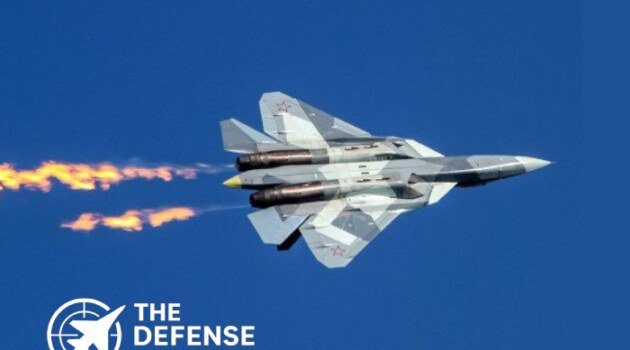
Su 57 Felon
Russias Su 57 is designed as a multirole 5th generation fighter jet with emphasis on agility, long range weapons, and advanced sensors. The aircraft features stealth shaping, internal weapon bays, and thrust vectoring engines.
However, production has progressed slowly due to budget constraints and technical challenges. Operational numbers remain limited compared to US and Chinese fleets.
Russia continues to upgrade the Su 57 with new engines, radar systems, and weapons, aiming to close capability gaps over time.
Emerging and Planned 5th Generation Programs
South Korea KF 21, Near 5th Generation Capabilities
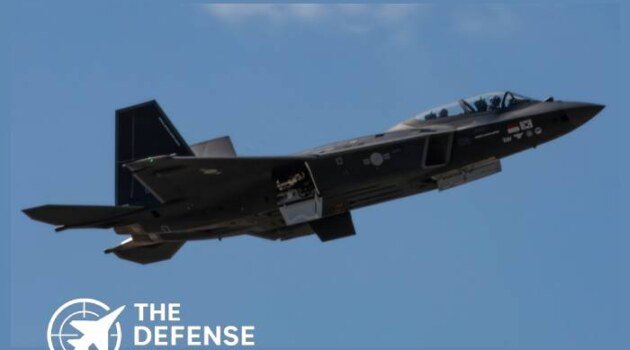
South Koreas KF 21 Boramae is often described as a 4.5 plus generation fighter with partial stealth features. While it lacks some defining 5th generation traits such as full internal weapons carriage, it represents a major step toward advanced air combat capability.
Future variants may incorporate deeper stealth and sensor integration, narrowing the gap with true 5th generation fighters.
Turkiye KAAN Program
Turkiye is developing the KAAN stealth fighter to reduce reliance on foreign aircraft. The program aims to deliver a domestically produced fighter with low observability, advanced avionics, and networked combat features.
KAAN remains in development, with flight testing underway and operational service planned in the next decade.
Japans F X Program
Japan is pursuing its own next generation fighter, often referred to as the F X or GCAP, in partnership with the United Kingdom and Italy. While often classified as a 6th generation effort, early operational versions may enter service with advanced 5th generation characteristics before evolving further.
Global Operators of 5th Generation Fighter Jets
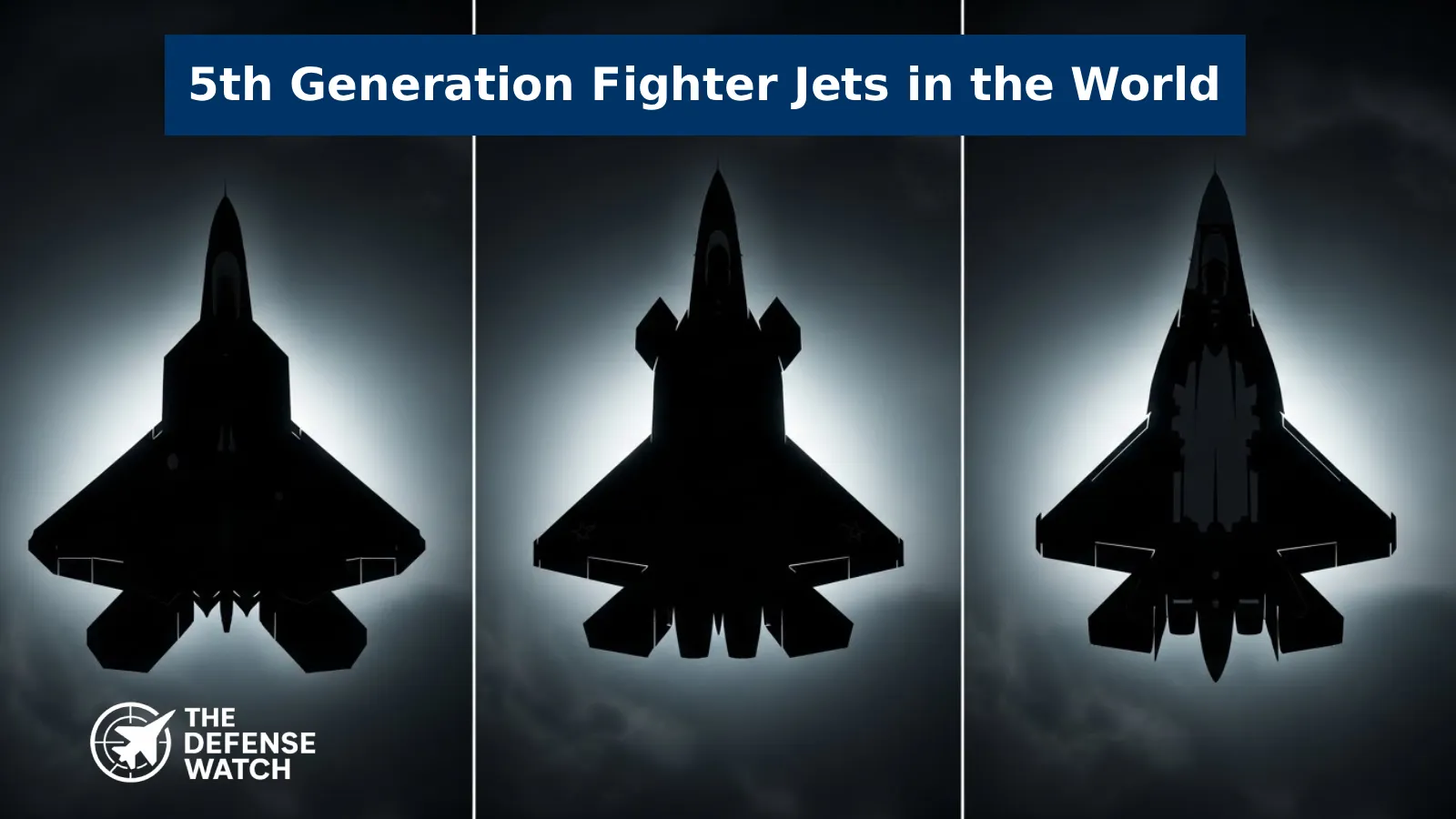
As of today, only a few countries operate true 5th generation fighter jets.
United States operates F 22 and F 35
China operates J 20
Russia operates Su 57
Several allied nations operate F 35, including the United Kingdom, Japan, Australia, Italy, South Korea, and othersThis limited group highlights how complex and costly 5th generation development remains.
Strategic Impact on Global Airpower Balance
The spread of 5th generation fighter jets is reshaping airpower balance, especially in the Indo Pacific and Europe. Stealth aircraft challenge traditional air defense concepts and force rivals to invest heavily in counter stealth radar, electronic warfare, and integrated defense networks.
For allies, shared platforms like the F 35 improve interoperability and collective defense. For competitors, indigenous stealth programs are seen as essential to maintaining deterrence and regional influence.
Analysis, Why 5th Generation Fighters Matter Beyond Combat
Beyond direct combat performance, 5th generation fighter jets influence diplomacy, defense partnerships, and industrial policy. Access to these aircraft often signals deeper political alignment with the United States or, in Chinas case, strategic autonomy.
They also drive domestic aerospace industries, pushing advances in materials, software, and manufacturing that spill over into civilian sectors.
At the same time, their high cost and maintenance demands raise questions about fleet size versus capability, especially for mid sized air forces balancing budgets and operational needs.
FAQs
What makes a fighter jet 5th generation?It combines stealth design, sensor fusion, advanced avionics, networked data sharing, and internal weapons carriage.
Which countries have 5th generation fighter jets?The United States, China, and Russia operate indigenous 5th generation fighters, while several allied nations operate the F 35.
Is the F 35 better than older fighters?In terms of situational awareness, survivability, and networked warfare, the F 35 offers advantages over 4th generation fighters.
Are more countries developing 5th generation fighters?Yes, programs in Turkiye, South Korea, and Japan aim to field advanced stealth fighters in the coming years.
Get real time update about this post category directly on your device, subscribe now.