Ukraine Says Sabotage and Drone Strikes Disabled 4 Russian Fighter Jets
Ukraine says sabotage and drone strikes disabled four Russian fighter jets at two air bases on December 20 and 22, underscoring Kyiv’s expanding campaign to hit Russian airpower deep inside occupied territory and inside Russia itself. The Main Intelligence Directorate of Ukraine’s Ministry of Defense and the Security Service (SBU) made the claims in announcements this week, though independent verification remains limited.
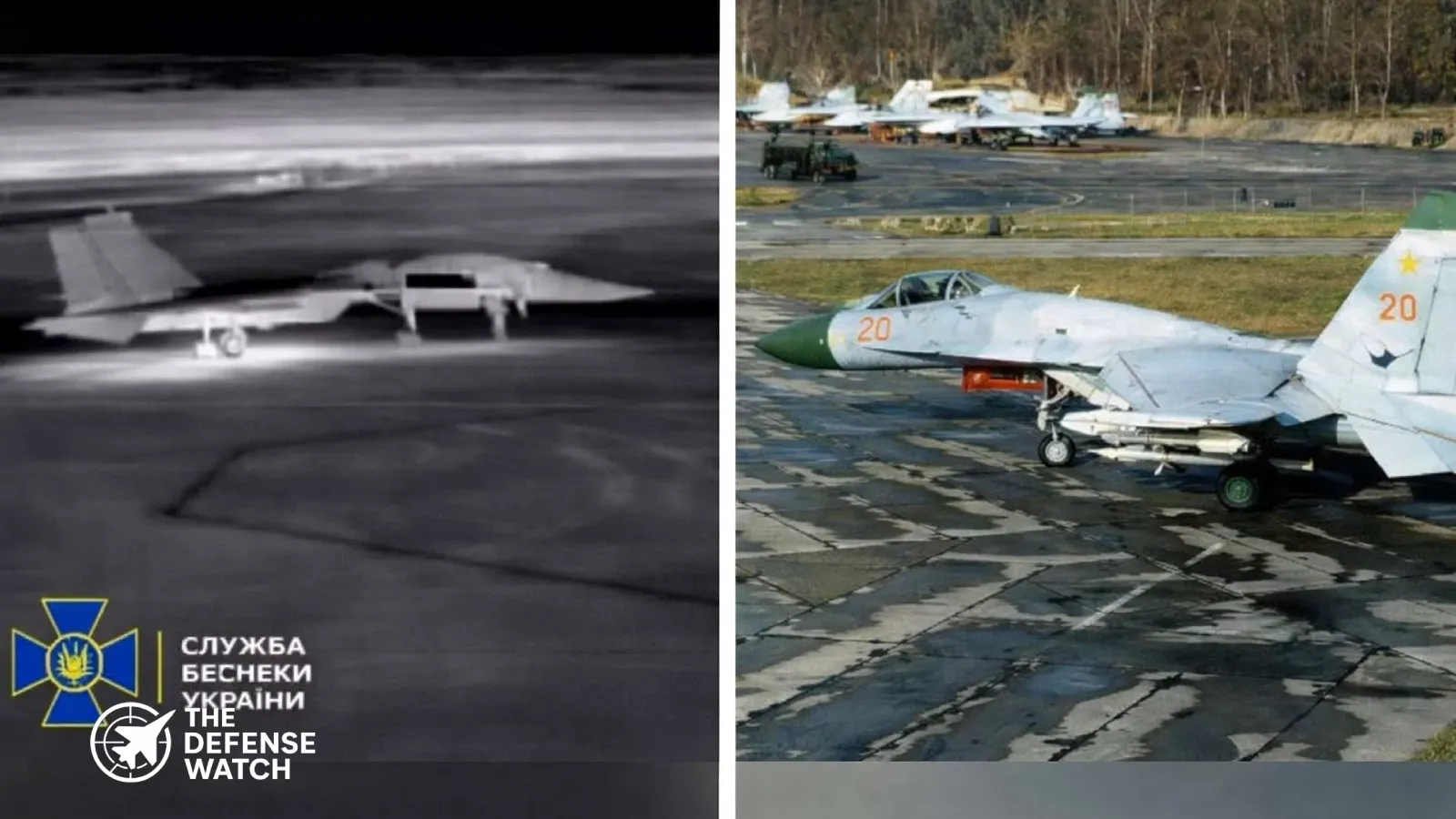
The reported strikes targeted a guarded air base near Lipetsk in western Russia and the Belbek airfield in occupied Crimea. Ukrainian officials say the operations involved both clandestine sabotage by operatives on the ground and long-range drone attacks against parked aircraft.
Background: Ukraine’s Deep Strike Effort
Since Russia’s full-scale invasion of Ukraine in 2022, Kyiv has sought ways to counter Moscow’s advantages in long-range fires and airpower. Attacks on aircraft and infrastructure deep behind lines have included cruise missiles, long-range launchers, and especially unmanned systems. The idea is simple: aircraft on the ground are easier and cheaper to hit than in the air, and losses there can be harder for Russia to replace quickly.
This approach follows broader Ukrainian operations that have used drones to strike airfields within Russian territory. In mid-2025, Ukrainian forces conducted what they called Operation Spiderweb, a coordinated drone strike targeting up to five Russian air bases and reportedly damaging or destroying scores of strategic bombers and other aircraft, though independent assessments varied on the exact damage.
The Lipetsk region sits several hundred miles inside Russia. It is a location not traditionally a front-line target, making the sabotage operation notable. Belbek airfield, near Sevastopol in Crimea, has been a persistent target for Ukrainian strikes since Russia’s 2014 annexation. The location hosts tactical aircraft and supports Russian air operations over southern Ukraine and the Black Sea.
What Happened
Sabotage at Lipetsk Air Base
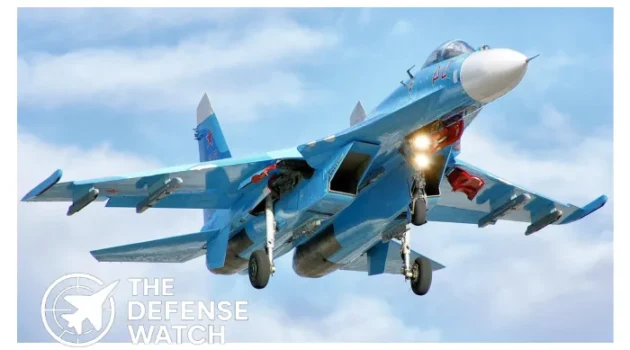
According to Ukrainian intelligence reports, the raid near Lipetsk took place overnight on December 20-21. Operatives reportedly studied patrol routes and guard shifts for around two weeks before infiltrating a secure hangar. There they ignited two high-value Russian fighters, identified in initial reporting as a Su-30 and Su-27. Subsequent Ukrainian updates indicated both aircraft were Su-30s, though open-source verification is limited.
The operation’s method underscores the blend of human intelligence and ground action, a tactic Ukraine has used sporadically throughout the conflict. Details on how the operatives entered and exited the base without detection have not been independently confirmed.
Drone Strike on Belbek
Two days later, on December 22, long-range drones struck Belbek airfield in Crimea. Ukrainian reports said these strikes disabled two more Russian fighters parked on the field. Long-range unmanned aerial vehicles have become a hallmark of Ukraine’s efforts to project force beyond the front lines.
The Belbek strike illustrates the continued use of drones not just in defensive roles but in offensive operations against fixed Russian assets, following earlier Ukrainian drone attacks on Russian bases earlier in the war.
Why It Matters
If confirmed, these operations would highlight Ukraine’s growing capability to strike high-value Russian air assets far from the immediate battlefield. Combat aircraft are force multipliers. Removing them from Russia’s inventory reduces Moscow’s ability to conduct air operations over Ukraine and complicates Russia’s broader campaign.
Russia’s air force, while large, has faced attrition and maintenance challenges during nearly four years of conflict. Losing fighters on the ground deprives Russia of both immediate operational capacity and long-term sortie generation capability.
For Ukraine, such strikes serve multiple purposes. They degrade Russian capabilities and signal to domestic and international audiences that Kyiv can strike deep. They also force Russia to divert resources to protect rear-area bases, spread air defense assets thinner, and complicate Moscow’s operational planning.
Expert Perspective
Defense analysts note that deep strikes on airfields have emerged as a pragmatic use of drones and special operations assets in the Ukraine war. The relative cost of drones and small teams compared to the value of fighter jets makes these attacks strategically attractive.
Long-range unmanned aerial vehicles, both tactical and low-observable, have a growing role in modern conflict. Ukraine’s use of drones to strike fixed Russian infrastructure reflects wider trends in unmanned warfare and asymmetrical targeting. These operations also demonstrate the blending of intelligence, ground action, and unmanned systems in pursuit of strategic effects.
However, some analysts caution that claims of damage or destruction can be difficult to verify independently, especially when they occur deep inside Russia and Russia’s official statements often downplay or deny losses. Open-source imagery, independent assessment groups, and third-party verification remain essential for a full picture.
What to Watch
Going forward, defense observers will watch for confirmation of the specific aircraft types and damage. Satellite imagery or photos from reliable open-source outlets could offer more clarity. Analysts will also track how Russia adjusts its airfield defenses, possibly increasing air defense coverage or hardening critical infrastructure.
For Ukraine and its Western partners, continued evidence of effective deep strike capabilities could influence defense priorities, especially in funding for air defense, counter-UAV systems, and support for intelligence and special operations forces tasked with similar missions.