
Spain Marine Amphibious Vehicle Program Advances
Spain marine amphibious vehicle modernization is moving ahead as Madrid seeks to strengthen the combat mobility of its naval infantry forces. Spain has taken steps toward a new amphibious vehicle program designed for the Spanish Marine Infantry, one of Europe’s longest-standing expeditionary naval forces.
The effort reflects a wider trend across NATO members to renew aging armored fleets and improve readiness for contested littoral operations. Amphibious forces must now operate in environments shaped by drones, precision weapons, and advanced surveillance, making survivability and speed more important than in previous decades.
- Spain has moved forward with plans for a new marine amphibious vehicle for its naval infantry forces.
- The program aims to replace older assault vehicles and improve ship-to-shore mobility.
- New platforms are expected to offer better protection, digital systems, and survivability.
- The move supports broader Spanish defense modernization and NATO readiness goals.
- Amphibious capability remains critical for crisis response, expeditionary missions, and Mediterranean operations.
Spain’s current amphibious vehicle inventory includes older systems that have served for years but face growing sustainment and capability limits. Replacing them is increasingly seen as necessary rather than optional.
Why Spain Needs A New Amphibious Vehicle
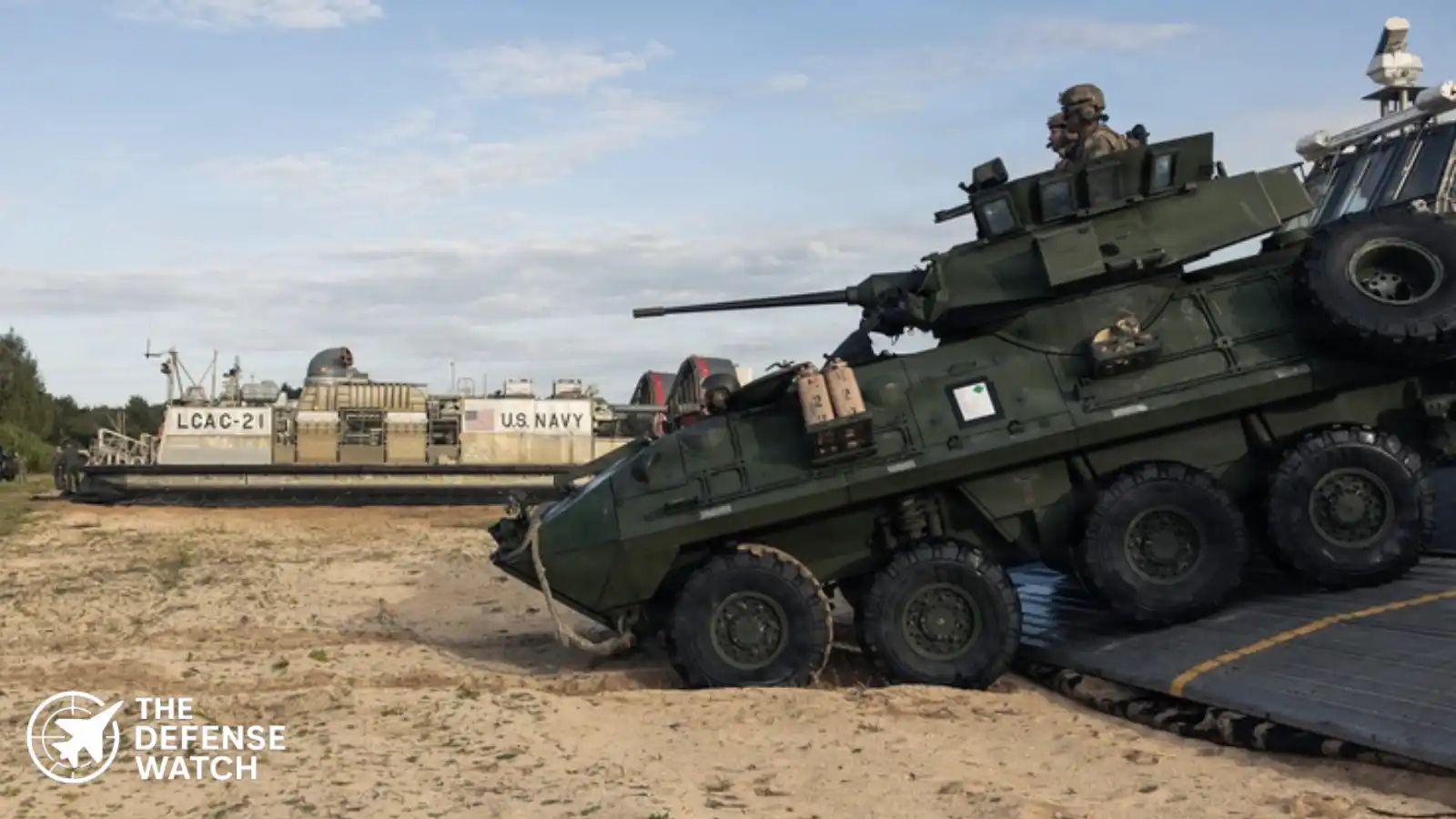
Modern amphibious vehicles are no longer simple transport platforms. They are expected to move troops from ship to shore, cross rough terrain, protect against mines and fragmentation, and connect digitally with commanders and nearby units.
That means Spain’s next marine amphibious vehicle will likely need several key traits:
- Improved ballistic and blast protection
- Strong water mobility and shore transition performance
- Modern communications and battle management systems
- Better reliability and lower maintenance burden
- Capacity for fully equipped infantry squads
This matters because amphibious assaults are among the most complex military operations. Vehicles must launch from ships offshore, survive exposure during landing, and then continue inland combat tasks without delay.
Strategic Importance In The Mediterranean
Spain occupies a critical geographic position between the Atlantic and Mediterranean, while also maintaining territories and interests that require rapid response capability. Amphibious forces provide options during crises ranging from evacuations to reinforcement missions.
For NATO planners, southern Europe has gained fresh relevance. Maritime chokepoints, instability in North Africa, migration pressures, and wider tensions across Europe have all increased the value of deployable marine forces.
A stronger Spanish amphibious fleet can support:
- NATO rapid reaction missions
- Maritime security operations
- Humanitarian assistance and disaster relief
- Protection of island or coastal territories
- Expeditionary deployments with allies
That gives Spain practical military utility beyond national defense alone.
Likely Contenders And Market Context
Although final selections were not detailed, the global market offers several proven amphibious armored systems. Western militaries have recently evaluated platforms such as the BAE Systems ACV, Iveco SuperAV family derivatives, and other tracked or wheeled marine assault vehicles.
Spain may prioritize interoperability with allies, lifecycle cost, domestic industrial participation, and ease of deployment aboard existing amphibious ships. Those factors often shape procurement decisions as much as raw performance.
This is especially relevant in Europe, where governments increasingly want defense spending to strengthen local industry and supply resilience.
Broader Defense Modernization Trend
The Spain marine amphibious vehicle program fits into a larger European rearmament cycle. Since 2022, many NATO states have accelerated purchases involving armor, artillery, air defense, and naval assets.
For Spain, balanced modernization means improving land, air, and sea forces together. Amphibious units are relatively small compared with army formations, but they deliver outsized strategic value because they can deploy quickly and operate from the sea.
That flexibility is difficult to replace once lost.
What Comes Next
The next steps will likely include requirement refinement, industry competition, testing, budgeting approvals, and phased delivery planning. Major defense vehicle programs often take years from initial movement to full operational service.
Still, the direction is clear. Spain wants a modern marine amphibious vehicle that can meet future threats rather than rely on legacy systems built for another era.
For NATO and regional observers, this is another signal that Europe’s maritime ground forces are entering a new modernization phase.