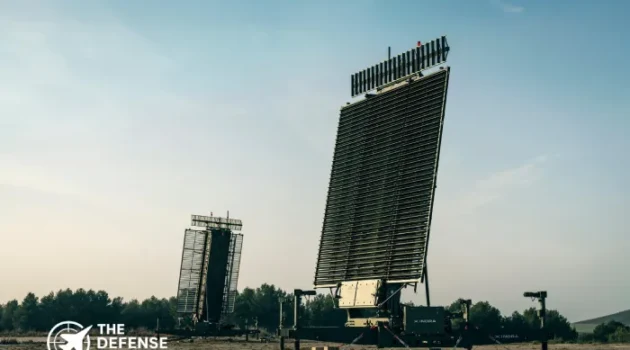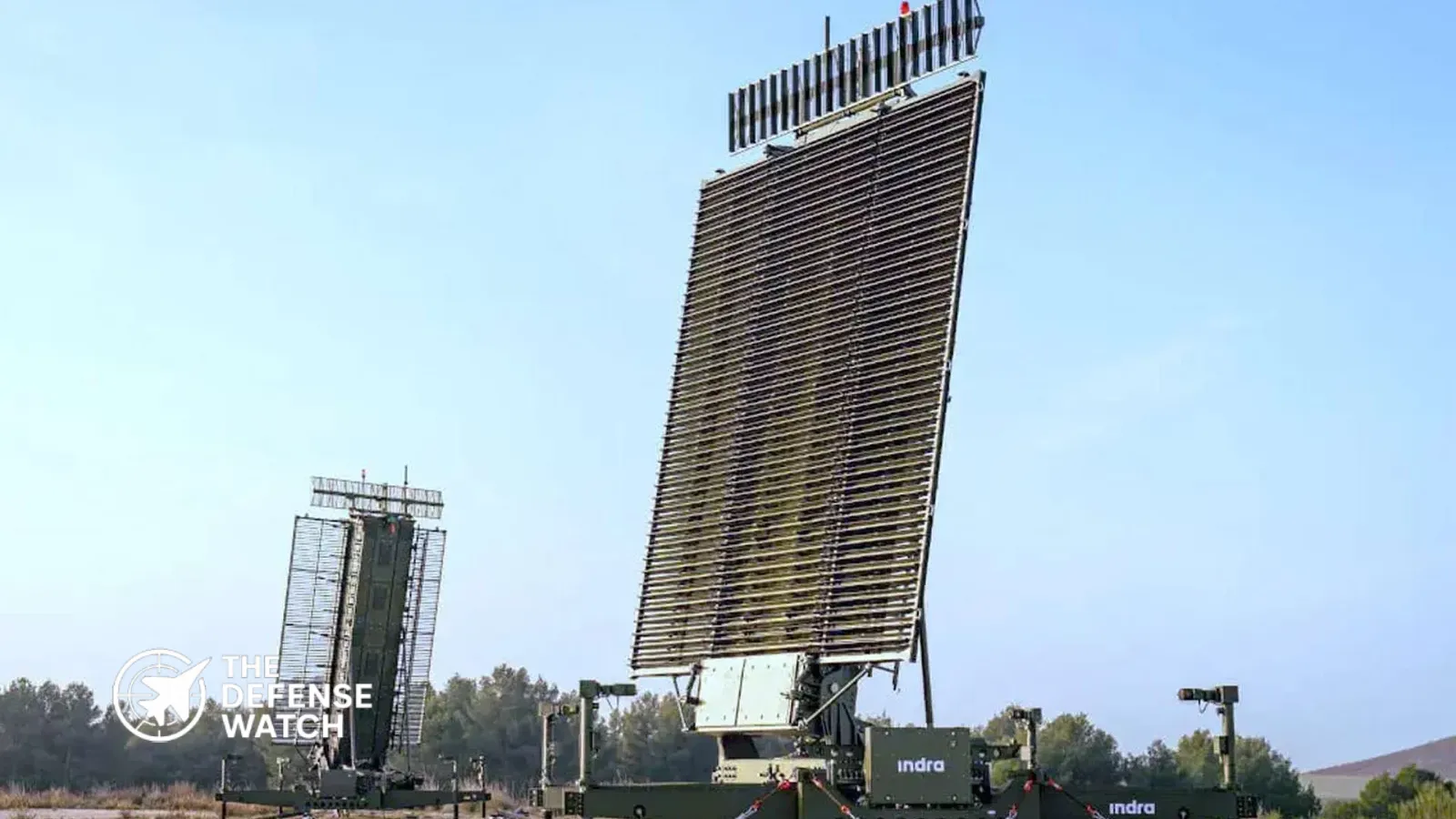
Thailand Indra Lanza 3D Radar Strengthens Counter-Drone Defense
Thailand’s selection of the Indra Lanza 3D radar marks a significant step in improving its counter-drone defense posture, particularly at the strategically important Sattahip naval base. The decision reflects a broader shift toward modern air surveillance systems capable of detecting low-signature threats such as unmanned aerial vehicles.
- Thailand has selected the Indra Lanza 3D radar to enhance counter-drone detection at Sattahip naval base.
- The radar system provides long-range 3D surveillance with advanced tracking of low-altitude aerial threats.
- The move reflects growing concern over unmanned aerial system threats in Southeast Asia.
- The system is developed by Spain’s Indra, a major defense electronics provider.
- Deployment at Sattahip strengthens protection of a key Royal Thai Navy installation.
The Royal Thai Armed Forces have opted for the Spanish-built system to enhance early warning and tracking capabilities against drones and other low-altitude targets. The Sattahip base, located along Thailand’s eastern seaboard, is a critical hub for naval operations and logistics, making it a high-value asset for layered air defense.
Why The Indra Lanza 3D Radar Matters
The Indra Lanza 3D radar is designed to provide long-range surveillance with high accuracy in tracking multiple aerial targets simultaneously. Unlike legacy radar systems, it offers enhanced detection of small, low-flying objects, including commercial drones and loitering munitions.
This capability is increasingly important. Modern conflicts have shown that drones can bypass traditional air defense networks, especially when flying at low altitudes or using terrain masking. Systems like the Indra Lanza aim to close that gap by combining 3D tracking with advanced signal processing.
From an operational standpoint, the radar supports:
- Real-time situational awareness
- Integration with command and control networks
- Improved response time for air defense units
These features align with current trends in air defense modernization, where detection speed and accuracy are as critical as interception capability.
Rising Drone Threats Drive Regional Upgrades
Thailand’s move comes amid growing concern over drone proliferation across Southeast Asia. Both state and non-state actors are increasingly adopting unmanned systems for surveillance and potential strike roles.
While Thailand has not faced large-scale drone attacks, regional developments and global conflict lessons have prompted preemptive investments. The use of drones in conflicts in Eastern Europe and the Middle East has demonstrated their effectiveness against both military and infrastructure targets.
This has pushed many countries to prioritize counter-drone technologies, including:
- Advanced radar systems
- Electronic warfare solutions
- Integrated air defense networks
In this context, the Indra Lanza 3D radar serves as a foundational layer in detecting threats before they reach critical assets.
Strategic Importance Of Sattahip Base
The deployment of the Indra Lanza 3D radar at Sattahip underscores the base’s strategic importance. As one of Thailand’s primary naval facilities, Sattahip supports fleet operations, maintenance, and regional maritime security missions.
Protecting such installations requires a multi-layered defense approach. Radar systems form the first line of defense by identifying incoming threats early enough to allow interception or mitigation.
By enhancing surveillance coverage at Sattahip, Thailand is effectively strengthening its maritime security posture, particularly in the Gulf of Thailand and surrounding waters.
Analysis: A Shift Toward Integrated Air Defense
Thailand’s investment in the Indra Lanza 3D radar reflects a broader shift toward integrated and networked air defense systems. Rather than relying solely on interceptors or point-defense systems, modern militaries are focusing on building comprehensive detection and tracking networks.
This approach offers several advantages:
First, it improves threat classification. Not all aerial objects pose the same level of risk, and advanced radar systems help distinguish between benign and hostile targets.
Second, it enhances interoperability. Systems like the Indra Lanza can be integrated into larger defense architectures, enabling coordination across air, land, and naval forces.
Third, it future-proofs defense capabilities. As drone technology evolves, detection systems must adapt to smaller, faster, and more autonomous threats.
Thailand’s decision suggests a recognition that counter-drone defense is no longer optional but essential. By deploying a modern 3D radar system, the country is positioning itself to better respond to evolving aerial threats.