Thailand Indra Lanza 3D Radar Strengthens Counter-Drone Defense
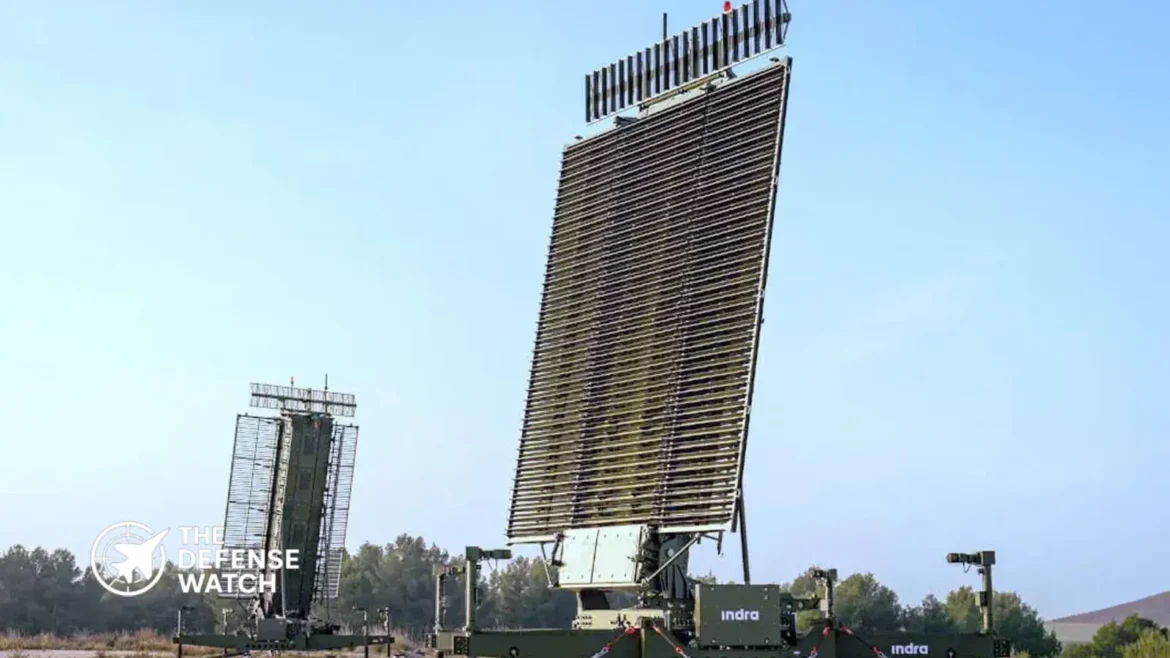
Thailand’s selection of the Indra Lanza 3D radar marks a significant step in improving its counter-drone defense posture, particularly at the strategically important Sattahip naval base. The decision reflects a broader shift toward modern air surveillance systems capable of detecting low-signature threats such as unmanned aerial vehicles.
- Thailand has selected the Indra Lanza 3D radar to enhance counter-drone detection at Sattahip naval base.
- The radar system provides long-range 3D surveillance with advanced tracking of low-altitude aerial threats.
- The move reflects growing concern over unmanned aerial system threats in Southeast Asia.
- The system is developed by Spain’s Indra, a major defense electronics provider.
- Deployment at Sattahip strengthens protection of a key Royal Thai Navy installation.
The Royal Thai Armed Forces have opted for the Spanish-built system to enhance early warning and tracking capabilities against drones and other low-altitude targets. The Sattahip base, located along Thailand’s eastern seaboard, is a critical hub for naval operations and logistics, making it a high-value asset for layered air defense.
Why The Indra Lanza 3D Radar Matters
The Indra Lanza 3D radar is designed to provide long-range surveillance with high accuracy in tracking multiple aerial targets simultaneously. Unlike legacy radar systems, it offers enhanced detection of small, low-flying objects, including commercial drones and loitering munitions.
This capability is increasingly important. Modern conflicts have shown that drones can bypass traditional air defense networks, especially when flying at low altitudes or using terrain masking. Systems like the Indra Lanza aim to close that gap by combining 3D tracking with advanced signal processing.
From an operational standpoint, the radar supports:
- Real-time situational awareness
- Integration with command and control networks
- Improved response time for air defense units
These features align with current trends in air defense modernization, where detection speed and accuracy are as critical as interception capability.
Rising Drone Threats Drive Regional Upgrades
Thailand’s move comes amid growing concern over drone proliferation across Southeast Asia. Both state and non-state actors are increasingly adopting unmanned systems for surveillance and potential strike roles.
While Thailand has not faced large-scale drone attacks, regional developments and global conflict lessons have prompted preemptive investments. The use of drones in conflicts in Eastern Europe and the Middle East has demonstrated their effectiveness against both military and infrastructure targets.
This has pushed many countries to prioritize counter-drone technologies, including:
- Advanced radar systems
- Electronic warfare solutions
- Integrated air defense networks
In this context, the Indra Lanza 3D radar serves as a foundational layer in detecting threats before they reach critical assets.
Strategic Importance Of Sattahip Base
The deployment of the Indra Lanza 3D radar at Sattahip underscores the base’s strategic importance. As one of Thailand’s primary naval facilities, Sattahip supports fleet operations, maintenance, and regional maritime security missions.
Protecting such installations requires a multi-layered defense approach. Radar systems form the first line of defense by identifying incoming threats early enough to allow interception or mitigation.
By enhancing surveillance coverage at Sattahip, Thailand is effectively strengthening its maritime security posture, particularly in the Gulf of Thailand and surrounding waters.
Analysis: A Shift Toward Integrated Air Defense
Thailand’s investment in the Indra Lanza 3D radar reflects a broader shift toward integrated and networked air defense systems. Rather than relying solely on interceptors or point-defense systems, modern militaries are focusing on building comprehensive detection and tracking networks.
This approach offers several advantages:
First, it improves threat classification. Not all aerial objects pose the same level of risk, and advanced radar systems help distinguish between benign and hostile targets.
Second, it enhances interoperability. Systems like the Indra Lanza can be integrated into larger defense architectures, enabling coordination across air, land, and naval forces.
Third, it future-proofs defense capabilities. As drone technology evolves, detection systems must adapt to smaller, faster, and more autonomous threats.
Thailand’s decision suggests a recognition that counter-drone defense is no longer optional but essential. By deploying a modern 3D radar system, the country is positioning itself to better respond to evolving aerial threats.
- ► UK Nightfall procurement plans have not been formally confirmed by the British government.
- ► Parliamentary questions sought clarity on timelines and funding for Nightfall.
- ► Ministers reiterated that UK air defense capabilities are under continuous review.
- ► The debate comes amid heightened focus on integrated air and missile defense across NATO.
- ► No contract award, production schedule, or delivery timeline has been disclosed.
UK Nightfall Procurement Plans Under Scrutiny
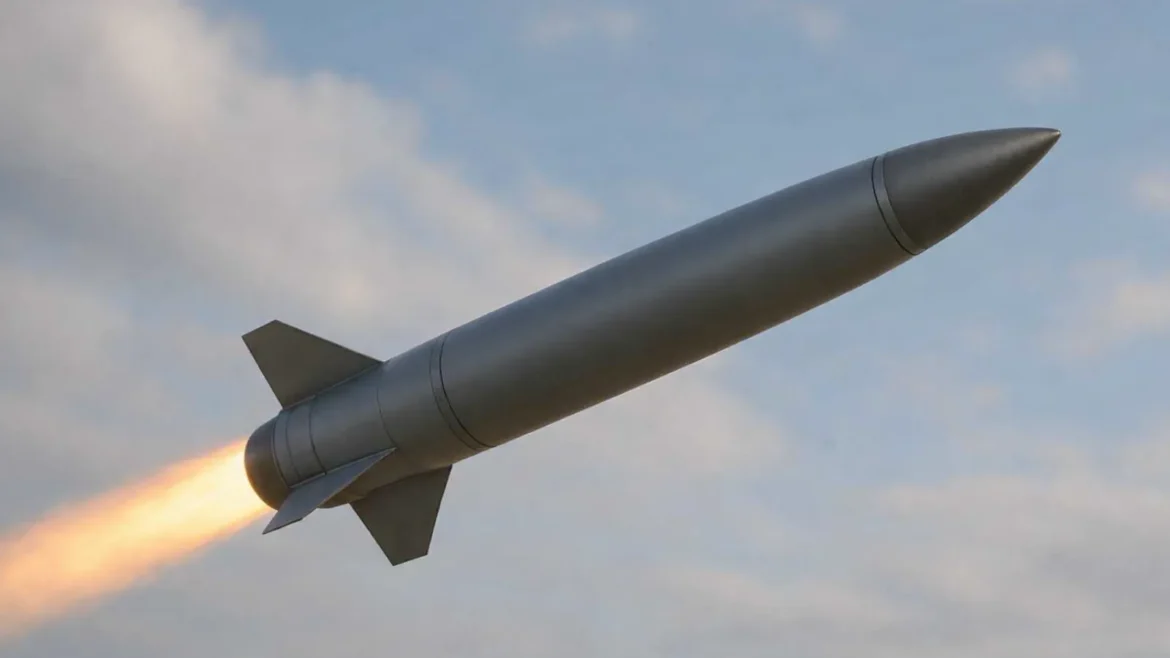
UK Nightfall procurement plans are drawing renewed attention after the British government declined to provide detailed answers on whether it intends to move forward with the program. The issue surfaced in Parliament, where ministers were asked to clarify the status of Nightfall and the broader modernization of the United Kingdom’s ground based air defense network.
The government response offered no firm commitment, instead reiterating that air defense capabilities are kept under constant review as part of defense planning processes. No procurement timeline, contract award, or budget allocation was confirmed.
The lack of clarity comes at a time when European security dynamics remain tense following Russia’s full scale invasion of Ukraine and sustained missile and drone campaigns targeting critical infrastructure. NATO members, including the United Kingdom, have increased focus on integrated air and missile defense in response.
Parliamentary Pressure And Strategic Context
Members of Parliament raised concerns about the future of the UK Nightfall procurement plans, seeking transparency on whether the program remains active or has been delayed. The Ministry of Defence has not publicly defined Nightfall’s full technical scope, but it is understood to be associated with modernizing the British Army’s ground based air defense capabilities.
At present, the British Army fields systems such as Sky Sabre, designed to intercept aircraft, drones, and certain missile threats. However, evolving battlefield trends, particularly the widespread use of low cost drones and cruise missiles, have prompted calls for layered and scalable air defense networks.
The government’s response emphasized that capability decisions are aligned with the Integrated Review and subsequent defense updates. Yet the absence of firm statements on UK Nightfall procurement plans leaves open questions about prioritization and funding.
From an analytical standpoint, ambiguity in procurement messaging can reflect several realities. Programs may be in early assessment phases, awaiting spending review outcomes, or subject to classified capability considerations. However, in a high threat environment, delayed clarity can also complicate industry planning and allied coordination.
Air Defense Modernization And NATO Commitments
The United Kingdom is a core NATO member and contributes to alliance air policing and missile defense missions. Integrated air and missile defense has become central to NATO planning, especially after the war in Ukraine demonstrated the scale and persistence of modern aerial threats.
Across Europe, several nations have accelerated procurement of ground based air defense systems. Germany’s European Sky Shield Initiative and Poland’s missile defense expansion underscore a regional shift toward layered protection.
In this context, UK Nightfall procurement plans carry broader strategic weight. If Nightfall represents a next generation air defense capability, delays or uncertainty could affect the United Kingdom’s ability to align with allied architecture and shared defense frameworks.
Defense analysts note that air defense modernization requires long lead times, including radar integration, interceptor procurement, training pipelines, and command and control networks. Clear policy signals help sustain industrial capacity and interoperability planning.
Budget Pressures And Policy Signals
Defense procurement decisions in the United Kingdom are shaped by fiscal constraints and competing modernization priorities, including naval expansion, combat air development, and nuclear deterrent sustainment.
The Ministry of Defence has repeatedly stated that it must balance readiness with long term transformation. In that context, UK Nightfall procurement plans may be weighed against other capital intensive programs.
Still, ground based air defense has gained renewed prominence across NATO. The experience of Ukraine has reinforced that even advanced air forces require resilient, layered surface based defenses to protect infrastructure and deployed forces.
Without confirmed funding lines or contractual milestones, it remains unclear whether Nightfall is a near term acquisition, a mid term concept, or a placeholder for future capability evolution.
What Comes Next
For now, UK Nightfall procurement plans remain undefined in public documentation. Parliamentary scrutiny suggests that lawmakers are seeking greater transparency on timelines and investment levels.
Future defense spending reviews and formal procurement announcements will likely determine whether Nightfall becomes a central pillar of British air defense modernization or remains an aspirational framework.
Until then, the government’s silence underscores the tension between operational security, fiscal discipline, and the growing demand for credible air and missile defense in Europe’s evolving threat environment.
India Approves 1.1 Billion Dollar S-400 Missile Procurement To Rebuild Air Defense Inventory
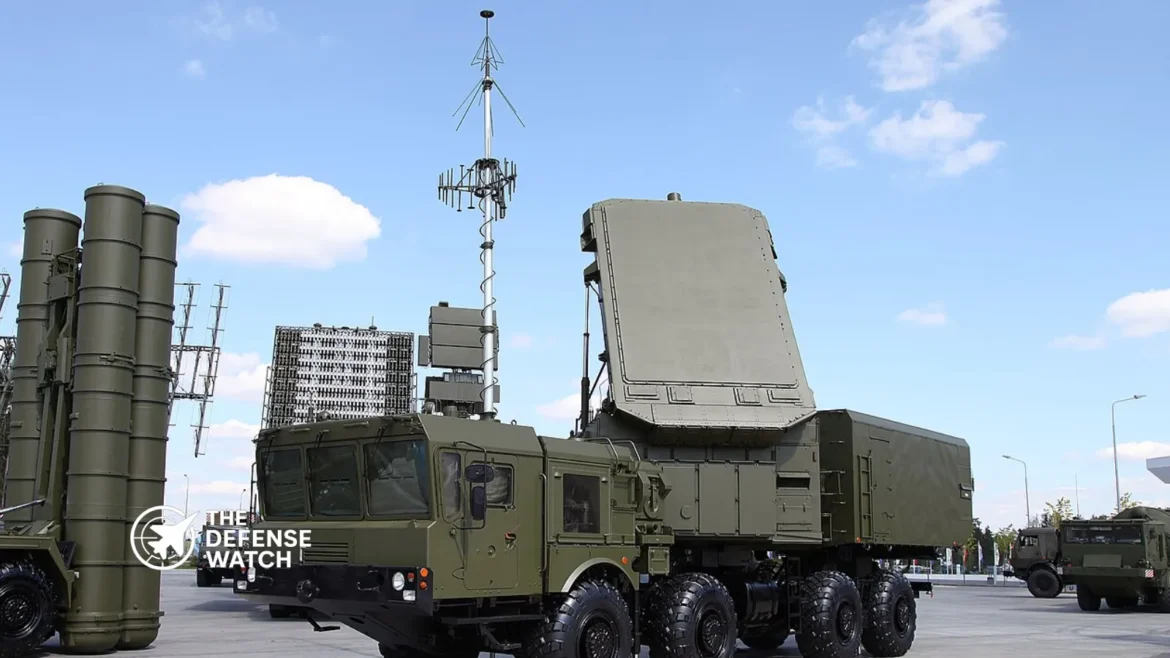
India has approved a 1.1 billion dollar S-400 missile procurement from Russia, authorizing the purchase of 288 interceptor missiles to replenish stocks depleted during the May 2025 conflict with Pakistan.
(adsbygoogle = window.adsbygoogle || []).push({});According to Indian defense sources, the acquisition includes 120 short range and 168 long range missiles for the Russian made S-400 Triumf air defense system. The procurement will move forward under India’s Fast Track Procurement Procedure, which is designed to accelerate urgent military acquisitions.
The decision marks one of the most significant replenishment efforts tied to India’s layered air defense network in recent years.
Breakdown Of The New S-400 Missile Package
The newly approved package focuses exclusively on interceptor missiles for systems already in service with the Indian Air Force.
The breakdown includes:
- 120 short range interceptors
- 168 long range interceptors
- Total of 288 missiles
- Estimated cost of 1.1 billion dollars
The S-400, developed by Russia’s Almaz-Antey, is designed to counter aircraft, cruise missiles, ballistic missiles, and certain stealth targets. It can engage multiple threats simultaneously at varying ranges depending on the missile variant deployed.
(adsbygoogle = window.adsbygoogle || []).push({});India operates the system as part of a broader air defense architecture that includes indigenous and imported platforms.
Background: India’s 5.43 Billion Dollar S-400 Deal With Russia
The latest India S-400 missile procurement builds on a 2018 contract signed between New Delhi and Moscow for five S-400 regiments worth approximately 5.43 billion dollars.
That agreement was concluded despite the risk of potential US sanctions under the Countering America’s Adversaries Through Sanctions Act, or CAATSA. India has argued that its national security requirements necessitate diversified defense sourcing.
Deliveries under the 2018 contract have been ongoing. Three systems are believed to have been delivered and deployed, while the remaining two are scheduled for completion by 2026.
The S-400 system itself, known in Russia as the S-400 Triumf, is among Moscow’s most advanced long range surface to air missile systems currently available for export.
(adsbygoogle = window.adsbygoogle || []).push({});Conflict Driven Replenishment
Indian officials have indicated that the rapid depletion of interceptor stocks during the four day conflict with Pakistan in May 2025 created an urgent operational requirement.
While detailed engagement data has not been publicly released, the fighting reportedly involved extensive use of drones, precision guided munitions, and missile systems on both sides.
The accelerated procurement under the Fast Track Procedure reflects the Indian government’s assessment that restoring missile inventories is critical to maintaining deterrence and operational readiness.
India’s Ministry of Defence has previously used the fast track mechanism during periods of heightened border tensions, particularly following clashes along the Line of Actual Control with China.
Strategic Importance Of The S-400 In India’s Air Defense Network
The India S-400 missile procurement underscores the system’s central role in the country’s multi layered air defense structure.
Each S-400 regiment can track dozens of targets and engage multiple threats simultaneously. Depending on the interceptor used, engagement ranges can extend from short range defensive coverage to distances exceeding 300 kilometers.
The system is widely regarded as a strategic asset for defending:
- Major urban centers
- Critical infrastructure
- Air bases
- Strategic command nodes
India has deployed S-400 units in areas considered strategically sensitive, though precise locations are not officially disclosed.
Regional Security Implications
The replenishment order comes amid continued volatility in South Asia.
Pakistan has invested heavily in its own air defense capabilities, including Chinese supplied systems such as the HQ-9. Meanwhile, India continues to pursue a mix of Russian, Israeli, and indigenous systems.
New Delhi is also advancing domestic programs such as the DRDO developed ballistic missile defense architecture and other surface to air missile initiatives.
The decision to replenish S-400 missile stocks signals that India intends to maintain high readiness levels for high intensity air and missile engagements.
India Russia Defense Ties Remain Active
Despite geopolitical shifts following Russia’s invasion of Ukraine in 2022, defense cooperation between India and Russia continues in key areas.
Russia remains a major supplier of:
- Fighter aircraft
- Air defense systems
- Submarines
- Missile technology
India, however, has simultaneously expanded procurement from the United States, France, and Israel in recent years as part of a broader diversification strategy.
The continued execution of the S-400 contract demonstrates that legacy agreements between Moscow and New Delhi remain operational.
(adsbygoogle = window.adsbygoogle || []).push({});Procurement Under Fast Track Procedure
India’s Fast Track Procurement Procedure is designed for urgent operational requirements. It reduces bureaucratic timelines and allows the armed forces to quickly acquire essential systems or munitions.
By placing the India S-400 missile procurement under this mechanism, the government has signaled that restoring interceptor inventories is considered an immediate priority.
Defense analysts note that modern air defense conflicts can consume significant numbers of interceptors in short periods, particularly when countering drone swarms and missile barrages.
What Comes Next
The remaining two S-400 systems under the 2018 agreement are expected to be delivered by 2026, completing the five regiment structure originally planned.
With the new missile order approved, attention will likely shift to:
- Delivery timelines for the 288 missiles
- Integration with existing S-400 batteries
- Stockpile sustainability planning
India is also expected to continue evaluating indigenous and joint development air defense programs to reduce long term reliance on foreign interceptors.

Belarus Receives First Su-30SM2 Fighters in 2026
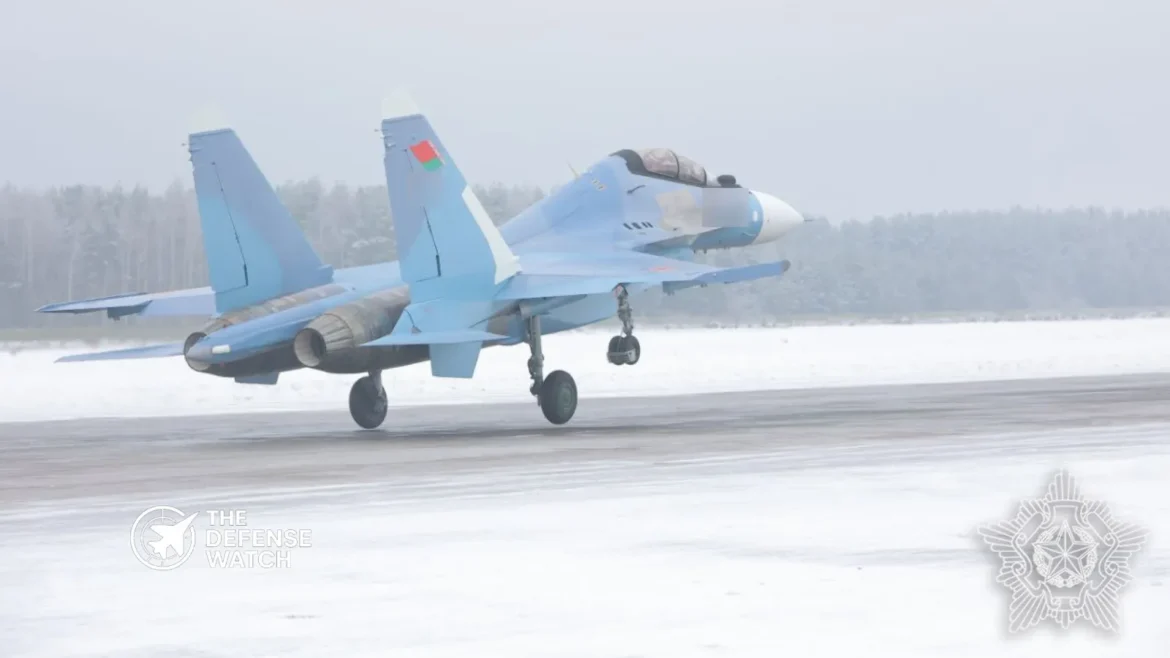
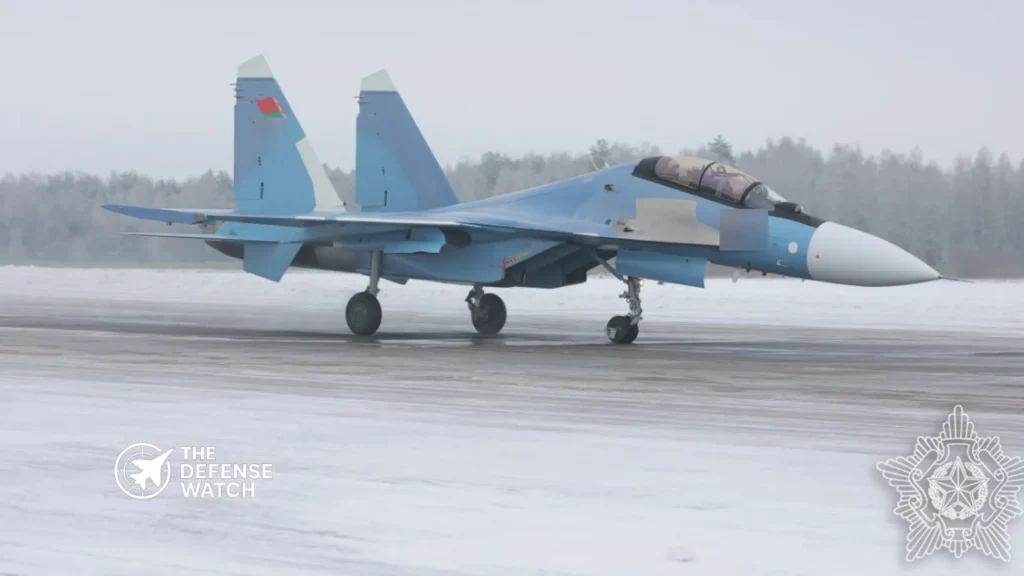
The Belarusian Ministry of Defense announced that the Belarus Air Force and Air Defense Forces have received a new batch of Su-30SM2 multirole fighters, marking the first delivery of the type in 2026. The batch consists of two aircraft, delivered from Russia as part of ongoing military aviation cooperation between the two countries.
(adsbygoogle = window.adsbygoogle || []).push({});
The announcement was made through official Belarusian defense channels, confirming that the aircraft have entered operational service with the Air Force and Air Defense Forces. The delivery continues Belarus long term effort to modernize its combat aviation fleet with upgraded Russian-built platforms.
What the Su-30SM2 Brings to the Belarus Air Force
The Su-30SM2 is an upgraded version of the Su-30SM, incorporating avionics, sensors, and mission systems derived from Russia newer Su-35 fighter program. It is designed for multirole operations, including air superiority, ground attack, and maritime strike missions.
Key improvements of the Su-30SM2 include enhanced radar capabilities, improved navigation and targeting systems, and updated weapons integration. The aircraft is powered by AL-41F-1S engines, offering improved thrust and reliability compared to earlier variants.
(adsbygoogle = window.adsbygoogle || []).push({});For Belarus, the Su-30SM2 provides a significant step forward in maintaining a capable and modern combat aviation force, especially as older Soviet-era aircraft are gradually retired.
Belarus Fighter Fleet Modernization Effort
Belarus has been operating Su-30SM fighters since the late 2010s, with the aircraft forming the backbone of its modern fighter fleet. The transition to the Su-30SM2 standard reflects a broader modernization strategy aimed at improving combat readiness, interoperability, and sustainability.
According to Belarusian defense officials, the Su-30SM2 allows existing aircrew and ground personnel to transition with minimal disruption, as the aircraft builds on systems already familiar to Belarus pilots and maintenance teams.
The Air Force and Air Defense Forces continue to emphasize multirole platforms capable of both defensive and deterrence missions within Belarus airspace.
Russia and Belarus Defense Cooperation
The delivery underscores the close defense and aerospace ties between Russia and Belarus, particularly in the field of military aviation. Belarus remains one of the few countries to receive newly produced Russian combat aircraft amid ongoing international sanctions and export restrictions.
Russian defense industry sources have previously stated that Su-30SM2 production supports both domestic and allied requirements, with upgrades intended to extend the aircraft service life well into the 2030s.
See also: Belarus Expands Integrated Air Defense Cooperation with Russia
Operational Role and Regional Context
The Su-30SM2 is expected to operate alongside Belarus existing air defense network, which includes ground-based missile systems and radar assets. The aircraft dual-seat configuration supports complex missions, training, and command and control roles.
(adsbygoogle = window.adsbygoogle || []).push({});While Belarus does not publish detailed deployment plans, the Ministry of Defense has consistently stated that new aircraft deliveries are intended to strengthen national air defense and ensure sovereignty over national airspace.
The arrival of the first 2026 batch signals that further deliveries may follow under existing procurement agreements.