Why AESA Radar Matters in Modern Warfare
AESA radar, short for Active Electronically Scanned Array radar, has become one of the most important sensor technologies in modern military aviation, air defense and naval warfare. Instead of mechanically moving a radar antenna to point its beam, an AESA system uses numerous electronic transmit and receive elements to steer radar energy rapidly across the battlespace.
That difference has major operational consequences.
Modern forces increasingly operate in environments filled with low observable aircraft, cruise missiles, unmanned aerial systems, electronic jamming, long range weapons and dense electromagnetic activity. In such conditions, radar is no longer simply a device for finding aircraft. It is part of a larger network of sensors, weapons, electronic warfare systems and command and control architecture.
Takeaways
Why AESA radar has become a core technology for modern military sensing
1. Electronic Beam Steering
AESA radar uses multiple transmit and receive modules to steer the radar beam electronically, allowing extremely rapid changes in direction without mechanically rotating the antenna.
2. Multifunction Sensing
Modern AESA systems can support air to air, air to ground and surveillance functions while rapidly switching between different tasks and targets.
3. Better Survivability
Advanced waveforms, electronic protection and low probability of intercept techniques can make AESA equipped platforms more difficult for hostile forces to detect, classify or jam.
4. Reduced Mechanical Complexity
The absence of a mechanically scanned antenna reduces dependence on moving components and can improve reliability, maintainability and graceful degradation when individual modules experience faults.
5. Central to Networked Warfare
AESA radar is increasingly integrated with electronic warfare, infrared sensors, datalinks, command systems and weapons to create a broader picture of the battlespace.
AESA technology supports that shift by allowing a radar to perform several functions with high speed and flexibility. Depending on the design, a single array can support air to air detection, air to ground mapping, maritime surveillance, target tracking, electronic support and electronic attack functions.
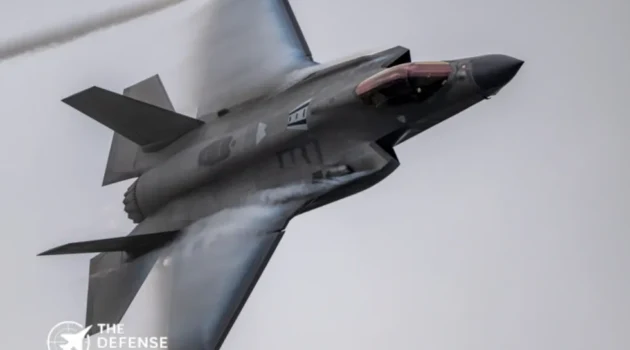
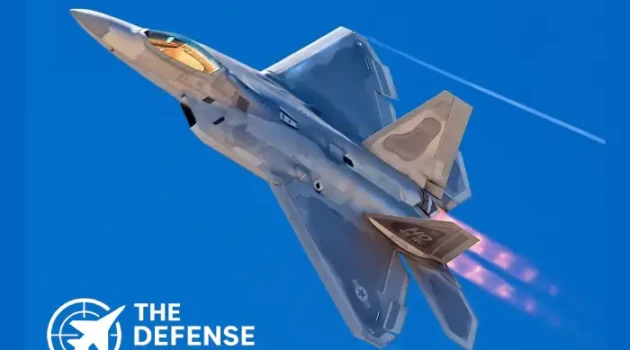
The technology is now deployed across multiple generations of military systems. Northrop Grumman, RTX’s Raytheon business, Lockheed Martin, Leonardo and other major defense companies are developing AESA based systems for fighters, ground based air defense and naval platforms. Northrop Grumman, for example, supplies the AN/APG-81 AESA radar for the F-35 Lightning II and the AN/APG-77 for the F-22 Raptor.
What Is an AESA Radar?
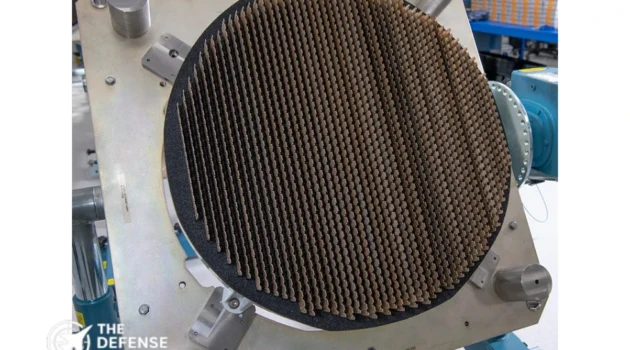
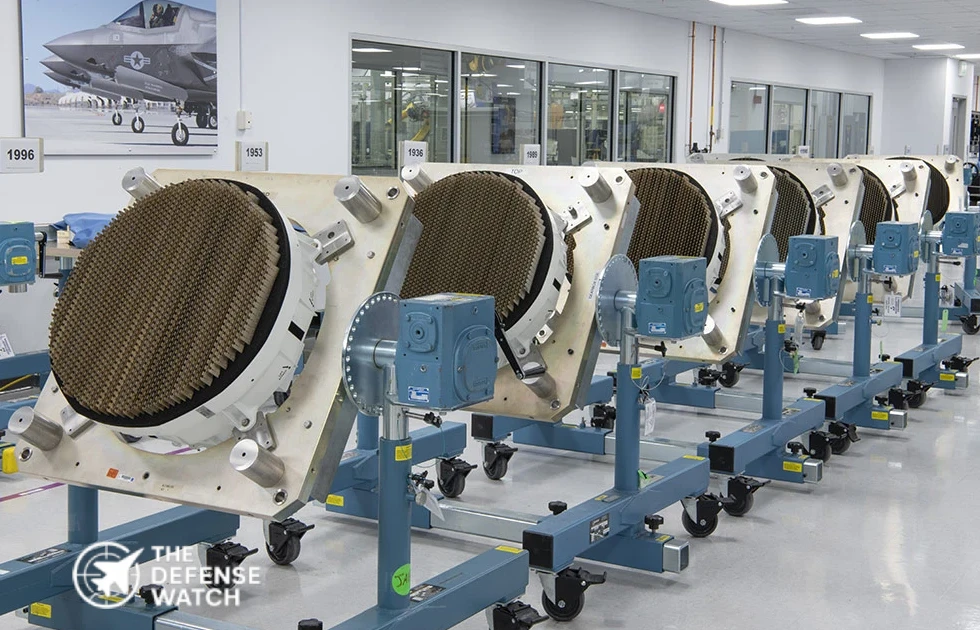
An AESA radar consists of a large number of individual transmit/receive modules, often abbreviated as T/R modules. These modules work together as an electronically controlled array.
Traditional mechanically scanned radars generally move an antenna or reflector to change the direction of the radar beam. AESA systems instead control the phase and amplitude of signals across their individual modules.
By adjusting these signals, the radar can direct and shape its beam without physically moving the antenna.
This allows the radar to rapidly shift between different portions of the sky or surface environment. It can also allocate radar resources to different missions according to the tactical situation.
Northrop Grumman describes AESA arrays as using miniature transmit/receive modules that are electronically steered together, allowing nearly instantaneous beam repositioning. The company also notes that AESA systems eliminate the moving parts associated with mechanically scanned designs.
The practical result is not simply a faster radar. It is a more flexible sensor.
How AESA Radar Works
The basic operating process involves several major stages.
1. Signal Generation
The radar generates radio frequency energy using an exciter and associated processing hardware.
2. Transmission Through T/R Modules
The signal is distributed across many individual transmit/receive modules. Each module can contribute a controlled amount of energy to the overall radar beam.
3. Electronic Beam Steering
The radar adjusts the phase relationships between signals from individual modules. This causes the combined electromagnetic energy to reinforce in the desired direction.
The beam can therefore be moved without physically turning the antenna.
4. Echo Reception
When the radar signal encounters an object, part of the energy is reflected back toward the array.
The T/R modules receive the returning signals and send information to the radar’s digital processing architecture.
5. Signal Processing
Advanced processors analyze the returned signals to determine information such as range, direction, velocity and other target characteristics.
Modern processing techniques also help distinguish genuine targets from clutter, interference and electronic deception.
6. Track Formation
The radar can combine successive detections into tracks. Multiple tracks can be maintained simultaneously, allowing crews and combat systems to build a broader picture of the battlespace.
Key Technical Advantages of AESA Radar
The most important advantage of AESA technology is flexibility.
Rapid Beam Steering
Because the radar does not depend on mechanical antenna movement, its beam can shift rapidly between targets and search sectors.
This is especially valuable when an aircraft faces multiple threats approaching from different directions.
Multifunction Operation
A modern AESA radar can perform several missions using software controlled waveforms and signal processing.
Depending on the system, these can include:
- Air to air search
- Air to air target tracking
- Air combat support
- Air to ground mapping
- Maritime surveillance
- Synthetic aperture radar imaging
- Ground moving target indication
- Terrain mapping
- Electronic support
- Electronic attack
- Missile support and target illumination functions
The AN/APG-81 on the F-35 is an example of this multifunction approach. Northrop Grumman states that the radar supports air to air and air to ground missions and includes synthetic aperture radar mapping and electronic warfare functions.
Electronic Protection
Modern combat aircraft can encounter hostile jamming and other forms of electromagnetic interference.
AESA radars can use techniques such as agile waveforms, adaptive beam control, frequency management and advanced signal processing to maintain radar performance in contested electromagnetic environments.
Exact techniques and performance parameters are frequently classified, so public sources do not provide a complete picture of the electronic warfare capabilities of operational AESA systems.
Reliability
The absence of a mechanically rotating antenna can reduce mechanical failure points.
Northrop Grumman says the solid state architecture of the AN/APG-81, combined with replaceable subassemblies, has improved reliability and maintenance characteristics compared with legacy systems.
AESA Radar and Gallium Nitride
One of the important developments in modern radar engineering is the growing use of gallium nitride, or GaN, semiconductor technology.
Earlier AESA generations commonly relied on gallium arsenide, or GaAs, semiconductor technology. GaN offers higher power density and can improve efficiency and thermal performance when appropriately integrated into a radar design.
The technology is increasingly appearing in modern radar upgrades.
RTX’s APG-82(V)X AESA radar, for example, uses GaN technology and is designed to provide advanced air to air, air to ground and electronic warfare capabilities for fighter aircraft.
Lockheed Martin’s TPY-4 ground based radar also uses GaN transmitter technology alongside an AESA architecture and advanced digital processing.
However, GaN does not automatically make every radar superior. Radar performance depends on the complete system, including antenna size, power generation, cooling, receiver sensitivity, processing, waveform design, software and integration.
AESA Radar on Fifth Generation Fighters
The relationship between AESA radar and fifth generation aircraft is particularly important.
F-35 AN/APG-81
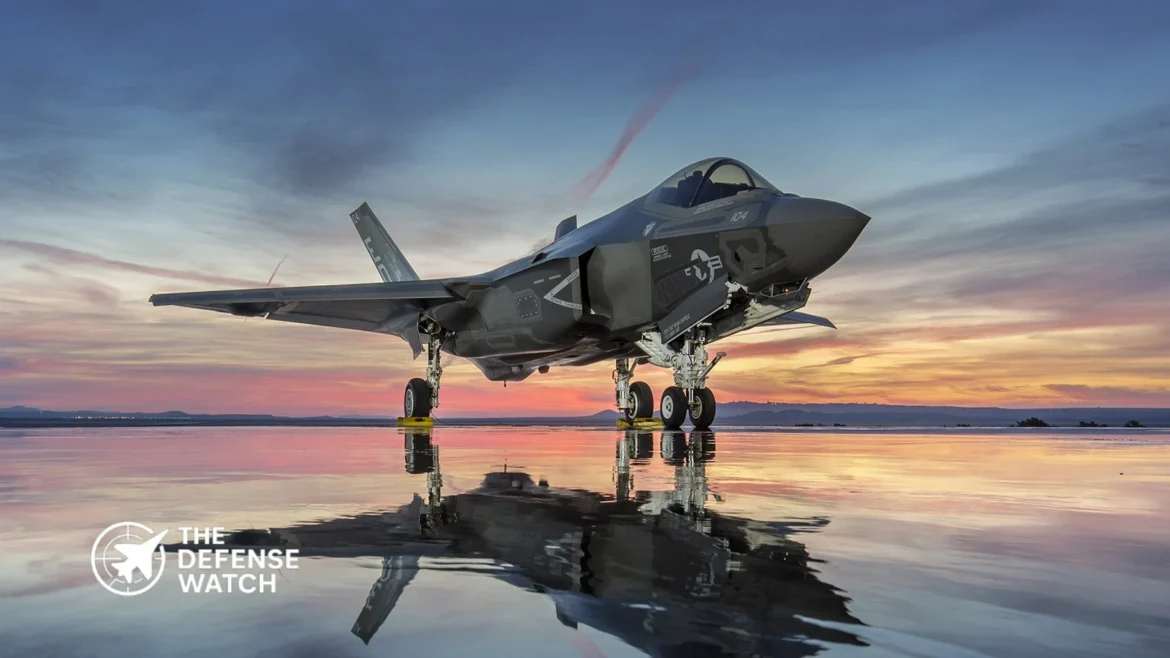
The F-35 Lightning II uses Northrop Grumman’s AN/APG-81 AESA radar as a central component of its sensor suite.
The radar is integrated with the aircraft’s other sensors and mission systems rather than operating as an isolated sensor. This allows radar information to contribute to the aircraft’s broader sensor fusion architecture.
Northrop Grumman says more than 1,000 APG-81 radars had been produced and delivered by December 2022. The company also identifies the radar as a key component of the F-35’s advanced sensor suite.
F-22 AN/APG-77
The F-22 Raptor uses the AN/APG-77 AESA radar.
It was developed around the requirements of a stealth air superiority fighter, where detection, tracking, electronic protection and emissions management are closely connected to survivability.
Northrop Grumman identifies the APG-77 and APG-81 as its AESA fire control radar systems for the F-22 and F-35 respectively.
F-16 AESA Upgrades
AESA technology is not limited to fifth generation aircraft.
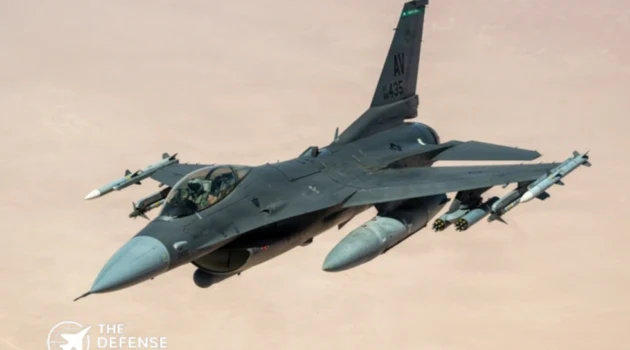
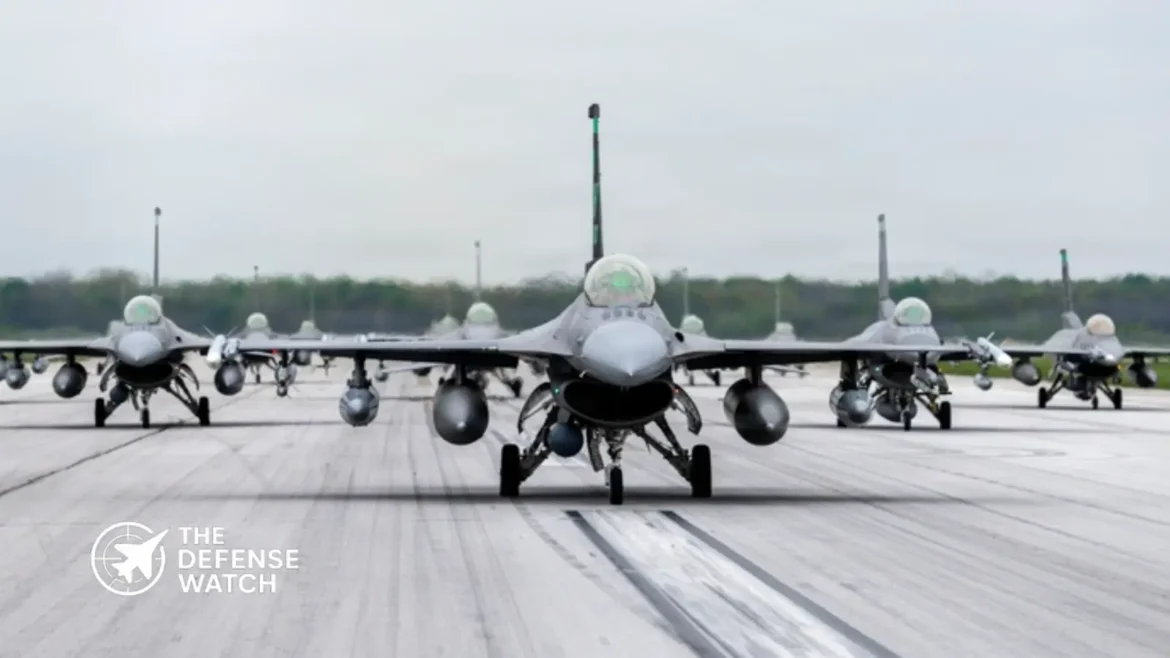
The AN/APG-83 Scalable Agile Beam Radar, or SABR, provides modern AESA capability to upgraded F-16 fleets. Northrop Grumman says the system has been deployed in nine countries and is designed to provide a modern radar capability without requiring replacement of the entire aircraft.
This is strategically important because radar modernization can extend the useful combat life of existing fourth generation fleets.
AESA Radar in Naval Warfare
AESA technology has also become a major part of modern naval air defense.
Warships increasingly require sensors capable of tracking aircraft, cruise missiles, ballistic missile related threats and other objects while operating in complex electromagnetic environments.
The U.S. Navy’s SPY-6 family is a major example of the broader move toward modern digital array radar technology.
RTX announced in July 2026 that Raytheon received a $1.8 billion contract extension for SPY-6 radar hardware production and sustainment, with options that could increase the cumulative value to $3.3 billion.
The significance extends beyond the radar itself. Modern naval radar systems feed combat management systems and contribute to integrated air and missile defense networks.
AESA Radar in Ground Based Air Defense
AESA technology is also changing ground based air surveillance and counterfire systems.
The U.S. Army’s AN/TPQ-53 radar uses a software controlled AESA architecture and supports counterfire target acquisition, counter UAS operations and aircraft surveillance. Lockheed Martin says the system has been deployed in combat since 2010.
The U.S. Marine Corps’ AN/TPS-80 G/ATOR is another example. Northrop Grumman describes it as a multifunction radar capable of air surveillance, air defense and counterfire target acquisition. The system is designed to integrate with U.S., NATO and other command and control architectures.
This multifunction approach can reduce the need for separate sensors performing narrowly defined missions.
AESA Radar and Stealth Aircraft
AESA radar does not defeat stealth by itself.
Stealth aircraft are designed to reduce their radar cross section and control how electromagnetic energy is reflected toward hostile sensors.
The detection problem depends on many variables, including:
- Radar frequency
- Antenna aperture
- Transmitter power
- Target radar cross section
- Aspect angle
- Atmospheric conditions
- Signal processing
- Electronic warfare activity
- Target behavior
- Radar operating mode
An AESA radar can provide important advantages in detection and tracking, but claims that any specific AESA system can detect a particular stealth aircraft at a fixed publicized distance should be treated carefully.
Actual detection and engagement ranges are highly scenario dependent and many relevant parameters remain classified.
Low Probability of Intercept and Electronic Warfare
One of the most discussed AESA characteristics is low probability of intercept, or LPI, although the term should not be treated as meaning invisible radar emissions.
The objective is to make radar transmissions harder for an opposing electronic support system to detect, recognize and exploit.
This can involve combinations of waveform agility, frequency management, beam control, transmission scheduling and signal characteristics.
A modern AESA radar may also contribute directly to electronic warfare.
Northrop Grumman says the F-35’s AN/APG-81 can operate as an electronic warfare aperture and support electronic protection, electronic attack and electronic support functions.
This convergence between radar and electronic warfare is one of the most important trends in modern combat aviation.
AESA Radar vs. Mechanically Scanned Radar
Characteristic AESA Radar Mechanically Scanned Radar Beam steering Electronic Mechanical Moving antenna components Generally no Yes Beam repositioning Very rapid Slower Multifunction capability High on modern systems Varies by design Electronic warfare integration Strong potential More limited on legacy designs Reliability Generally improved by solid state architecture More mechanical wear points Upgrade path Strong software and hardware potential Often constrained by legacy architecture Maintenance Modular designs can simplify repair Mechanical components can increase maintenance burden Cost High acquisition cost Often lower for legacy systems Modern contested environment Designed for high flexibility Performance depends heavily on generation and upgrade level The comparison should not be interpreted as meaning every AESA radar automatically outperforms every mechanically scanned radar. Radar performance is determined by the complete architecture and mission requirements.
AESA Radar: Key Data Summary
System Platform / Domain Developer or Manufacturer Major Function Technology Status AN/APG-81 F-35 Northrop Grumman Air to air, air to ground, EW AESA Operational AN/APG-77 F-22 Northrop Grumman Air superiority and multifunction sensing AESA Operational AN/APG-83 SABR F-16 Northrop Grumman Fighter modernization AESA Operational and deployed APG-82(V)X F-15 RTX Raytheon Air superiority and multifunction sensing AESA with GaN Development and modernization SPY-6 family U.S. Navy surface fleet RTX Raytheon Air and missile defense Digital array radar Production and deployment AN/TPQ-53 U.S. Army Lockheed Martin Counterfire and counter UAS AESA Operational AN/TPS-80 G/ATOR U.S. Marine Corps Northrop Grumman Air defense and counterfire AESA Operational ECRS Mk0 Eurofighter Typhoon Leonardo and European industry Air surveillance and multifunction sensing AESA In service Public specifications for military AESA systems are often incomplete. Exact detection ranges, effective radiated power, sensitivity, electronic attack performance and detailed waveform characteristics are commonly classified or vary with operational configuration.
AESA Radar and NATO Networked Warfare
The value of an AESA radar increasingly depends on what happens to the information after detection.
Modern military operations are moving toward networked architectures in which aircraft, ships, ground radars, satellites, command centers and weapons systems exchange information.
This creates a distinction between sensor performance and kill chain performance.
A radar may detect and track a target, but the wider military system must then distribute, validate and act on that information.
A modern AESA sensor can therefore become one node in a larger network that includes:
- Fighter aircraft
- Airborne early warning aircraft
- Ground based air defense
- Naval combat systems
- Electronic warfare platforms
- Unmanned systems
- Command and control centers
- Tactical datalinks
- Precision weapons
Northrop Grumman emphasizes open architectures and interoperability across its modern radar portfolio, while its G/ATOR system is designed to operate with U.S., NATO and other command and control systems.

Image : Northrop Grumman Operational Advantages in a Contested Electromagnetic Environment
Near peer warfare places increasing pressure on military sensors.
Potential threats include:
- Electronic jamming
- Deception techniques
- Passive detection systems
- Anti radiation weapons
- Long range precision fires
- Unmanned aerial systems
- Low observable aircraft
- Cruise missiles
- Hypersonic weapons
- Dense civilian and military electromagnetic activity
A modern AESA radar can help address some of these challenges through rapid beam management, frequency agility, advanced signal processing and electronic protection.
But AESA is not a standalone solution.
Survivability increasingly depends on emissions control, distributed sensing, mobility, deception, redundancy and networking.
Limitations and Challenges
Despite its advantages, AESA radar comes with significant engineering and procurement challenges.
Cost and Complexity
AESA arrays contain large numbers of sophisticated semiconductor modules and associated electronics.
The system also requires advanced cooling, power management, processing and software.
Thermal Management
High power electronics generate heat. Aircraft designers must balance radar performance against the limited electrical power and cooling capacity available on a fighter aircraft.
Software Dependence
Modern radar performance increasingly depends on software.
That creates opportunities for rapid capability upgrades but also introduces development, testing, cybersecurity and sustainment challenges.
Maintenance and Supply Chain
Although AESA eliminates many mechanical components, individual electronic modules and other components can still fail.
Large military fleets also require long term access to specialized semiconductor and electronic manufacturing capacity.
Classified Performance
Public comparisons are often difficult because key performance data remains classified.
This makes it risky to rank national radar systems using a single advertised detection range or power figure.
Future of AESA Radar
The next stage of AESA development is likely to involve greater integration between radar, electronic warfare and other sensors.
The distinction between radar and electronic warfare equipment is already becoming less clear.
Future systems are expected to place greater emphasis on:
- Digital beamforming
- GaN based transmit technology
- Advanced signal processing
- Artificial intelligence assisted signal classification
- Distributed sensing
- Multifunction apertures
- Electronic attack from radar apertures
- Open mission systems
- Software defined capabilities
- Sensor fusion
- Cooperative engagement
This trend is visible in current modernization programs.
RTX’s APG-82(V)X combines AESA technology, GaN and electronic warfare functions, while Northrop Grumman continues to develop AESA architectures for air, land and maritime applications.
The larger direction is clear: future radar systems will increasingly operate as software intensive multifunction sensors rather than standalone search devices.
Analytical Conclusion
AESA radar has moved from being a premium technology found mainly on advanced fighter aircraft to becoming a major architecture for modern military sensing across air, land and sea domains.
Its advantages come from the combination of electronic beam steering, solid state technology, rapid signal processing, multifunction operation and integration with electronic warfare and networked command systems.
For fighter aircraft, AESA can improve situational awareness and support air to air and air to ground missions. For ground forces, it can combine surveillance, counterfire and counter UAS functions. For naval forces, modern array radars are becoming central to integrated air and missile defense.
The strategic importance of AESA radar therefore extends beyond the radar antenna itself. Its real value emerges when the sensor is connected to a wider combat architecture capable of turning detection into a decision and, when authorized, a weapon engagement.
As the United States, NATO allies and other advanced militaries prepare for increasingly contested electromagnetic environments, AESA technology will remain a central component of military modernization. The next generation will likely focus less on simply detecting farther and more on processing information faster, surviving electronic attack, sharing data across domains and performing multiple missions from a common aperture.

Northrop Grumman F-16 Radar Contract Extends Critical Fighter Fleet Support
Northrop Grumman has secured a $488 million contract for F-16 radar support, reinforcing long-term sustainment of one of the world’s most widely operated fighter aircraft fleets. The award was issued by the U.S. Air Force Life Cycle Management Center at Hill Air Force Base, Utah, and covers engineering and technical services for the APG-66 and APG-68 radar systems.
The firm-fixed-price, indefinite-delivery/indefinite-quantity agreement runs through March 31, 2036, signaling sustained demand for F-16 modernization and readiness support across both U.S. and allied operators.
KEY FACTS AT A GLANCE- Northrop Grumman received a ceiling $488 million IDIQ contract for F-16 radar engineering and technical support.
- The award covers APG-66 and APG-68 radar systems used by U.S. Air Force, Navy, and foreign military sales customers.
- Work will be performed in Linthicum Heights, Maryland, through March 31, 2036.
- More than 20 nations are included, among them Bahrain, Egypt, Greece, Israel, Pakistan, Poland, Romania, Thailand, and Türkiye.
- Initial funding of $2.64 million was obligated at the time of award.
The contract was awarded on a sole-source basis and includes support for U.S. Air Force and Navy requirements, alongside extensive Foreign Military Sales (FMS) participation.
Why The F-16 Radar Support Deal Matters
Although newer fighters such as the F-35 continue entering service, the F-16 remains a frontline aircraft in many air forces. Thousands of F-16s are still active worldwide, making radar sustainment a strategic priority.
The APG-66 and APG-68 radars are central to the aircraft’s combat value. These systems support:
- Air-to-air target detection
- Beyond-visual-range engagements
- Precision strike missions
- Maritime surveillance roles
- Multi-target tracking in contested airspace
Without radar reliability, even upgraded F-16 fleets lose much of their operational effectiveness.
This means the Northrop Grumman F-16 radar contract is less about legacy maintenance and more about preserving combat capability for allied fleets expected to serve well into the 2030s.
Broad International Reach Through Foreign Military Sales
The Pentagon said the contract involves FMS support to:
Bahrain, Belgium, Chile, Denmark, Egypt, Greece, Indonesia, Iraq, Israel, Jordan, Korea, Morocco, Netherlands, Norway, Oman, Pakistan, Poland, Portugal, Romania, Thailand, and Türkiye.
That customer list highlights how deeply embedded the F-16 remains in NATO, Middle Eastern, and Indo-Pacific force structures.
Several of these nations are also pursuing fleet upgrades, weapons integration, and service-life extensions. Reliable radar support is therefore essential to bridge capability gaps while countries assess future fighter replacements.
Strategic Importance Of APG-66 And APG-68 Systems
The APG-66 radar equipped earlier F-16 variants and helped establish the aircraft’s reputation as a capable multirole platform. The later APG-68 introduced improved range, mapping modes, and targeting performance.
Many operators continue flying aircraft equipped with these radars or upgraded derivatives. Even where active electronically scanned array systems are being introduced, legacy mechanically scanned radars remain common across reserve, export, and second-line fleets.
From a cost perspective, radar sustainment is often more affordable than replacing entire fleets. That reality explains why the $488 million defense contract spans a decade.
Northrop Grumman’s Role In Fighter Sensor Sustainment
Northrop Grumman has long experience in airborne sensors, mission systems, and fighter radar integration. The company’s continued involvement in F-16 radar support gives operators access to original equipment expertise, repair pathways, engineering changes, and lifecycle management.
For Washington, these contracts also strengthen interoperability. When multiple allied nations rely on common systems and support channels, logistics and readiness can improve during coalition operations.
Funding And Contract Structure
The Pentagon stated $2,644,922 in fiscal 2026 non-appropriated, Air Force, and Navy funds were obligated at the time of award. As an IDIQ contract, total spending will depend on future task orders placed over the contract period.
That structure gives the U.S. government flexibility to order support as operational needs emerge.
Outlook
The latest Northrop Grumman F-16 radar contract underscores a broader defense trend: older but proven combat aircraft are staying relevant through sustainment and incremental modernization.
As global tensions drive demand for ready fighter fleets, radar readiness may prove just as important as new aircraft procurement.
Thailand Indra Lanza 3D Radar Strengthens Counter-Drone Defense
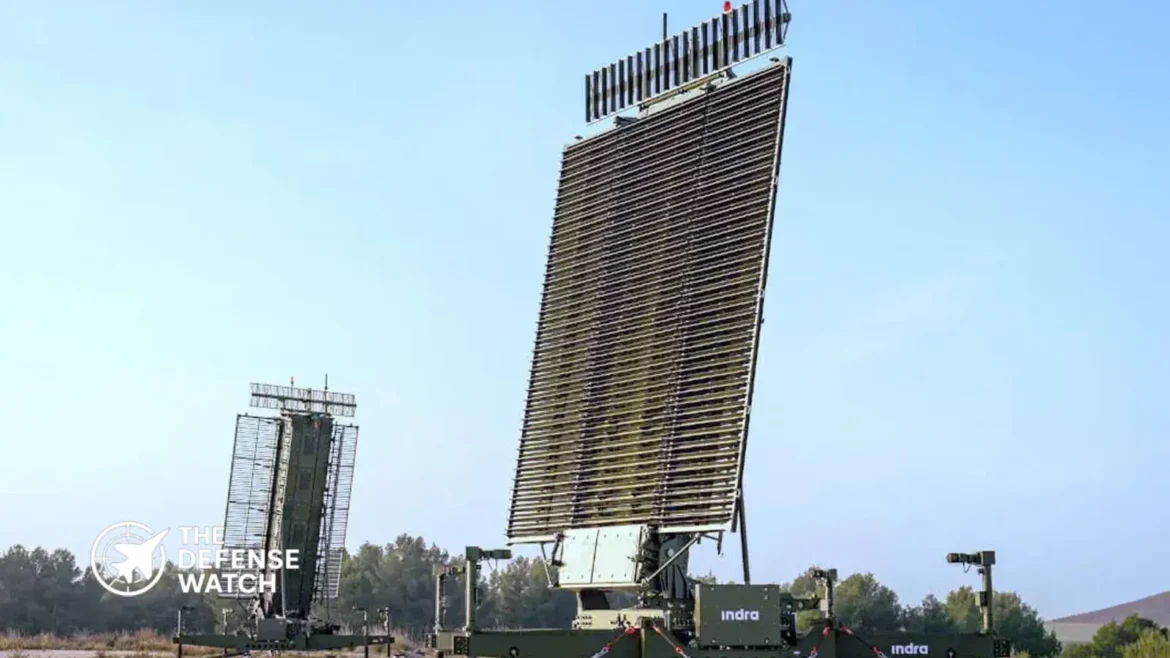
Thailand’s selection of the Indra Lanza 3D radar marks a significant step in improving its counter-drone defense posture, particularly at the strategically important Sattahip naval base. The decision reflects a broader shift toward modern air surveillance systems capable of detecting low-signature threats such as unmanned aerial vehicles.
¦ KEY FACTS AT A GLANCE- Thailand has selected the Indra Lanza 3D radar to enhance counter-drone detection at Sattahip naval base.
- The radar system provides long-range 3D surveillance with advanced tracking of low-altitude aerial threats.
- The move reflects growing concern over unmanned aerial system threats in Southeast Asia.
- The system is developed by Spain’s Indra, a major defense electronics provider.
- Deployment at Sattahip strengthens protection of a key Royal Thai Navy installation.
The Royal Thai Armed Forces have opted for the Spanish-built system to enhance early warning and tracking capabilities against drones and other low-altitude targets. The Sattahip base, located along Thailand’s eastern seaboard, is a critical hub for naval operations and logistics, making it a high-value asset for layered air defense.
Why The Indra Lanza 3D Radar Matters
The Indra Lanza 3D radar is designed to provide long-range surveillance with high accuracy in tracking multiple aerial targets simultaneously. Unlike legacy radar systems, it offers enhanced detection of small, low-flying objects, including commercial drones and loitering munitions.
This capability is increasingly important. Modern conflicts have shown that drones can bypass traditional air defense networks, especially when flying at low altitudes or using terrain masking. Systems like the Indra Lanza aim to close that gap by combining 3D tracking with advanced signal processing.
From an operational standpoint, the radar supports:
- Real-time situational awareness
- Integration with command and control networks
- Improved response time for air defense units
These features align with current trends in air defense modernization, where detection speed and accuracy are as critical as interception capability.
Rising Drone Threats Drive Regional Upgrades
Thailand’s move comes amid growing concern over drone proliferation across Southeast Asia. Both state and non-state actors are increasingly adopting unmanned systems for surveillance and potential strike roles.
While Thailand has not faced large-scale drone attacks, regional developments and global conflict lessons have prompted preemptive investments. The use of drones in conflicts in Eastern Europe and the Middle East has demonstrated their effectiveness against both military and infrastructure targets.
This has pushed many countries to prioritize counter-drone technologies, including:
- Advanced radar systems
- Electronic warfare solutions
- Integrated air defense networks
In this context, the Indra Lanza 3D radar serves as a foundational layer in detecting threats before they reach critical assets.
Strategic Importance Of Sattahip Base
The deployment of the Indra Lanza 3D radar at Sattahip underscores the base’s strategic importance. As one of Thailand’s primary naval facilities, Sattahip supports fleet operations, maintenance, and regional maritime security missions.
Protecting such installations requires a multi-layered defense approach. Radar systems form the first line of defense by identifying incoming threats early enough to allow interception or mitigation.
By enhancing surveillance coverage at Sattahip, Thailand is effectively strengthening its maritime security posture, particularly in the Gulf of Thailand and surrounding waters.
Analysis: A Shift Toward Integrated Air Defense
Thailand’s investment in the Indra Lanza 3D radar reflects a broader shift toward integrated and networked air defense systems. Rather than relying solely on interceptors or point-defense systems, modern militaries are focusing on building comprehensive detection and tracking networks.
This approach offers several advantages:
First, it improves threat classification. Not all aerial objects pose the same level of risk, and advanced radar systems help distinguish between benign and hostile targets.
Second, it enhances interoperability. Systems like the Indra Lanza can be integrated into larger defense architectures, enabling coordination across air, land, and naval forces.
Third, it future-proofs defense capabilities. As drone technology evolves, detection systems must adapt to smaller, faster, and more autonomous threats.
Thailand’s decision suggests a recognition that counter-drone defense is no longer optional but essential. By deploying a modern 3D radar system, the country is positioning itself to better respond to evolving aerial threats.
U.S Army First LRIP 2 Sentinel A4 Radar Delivered
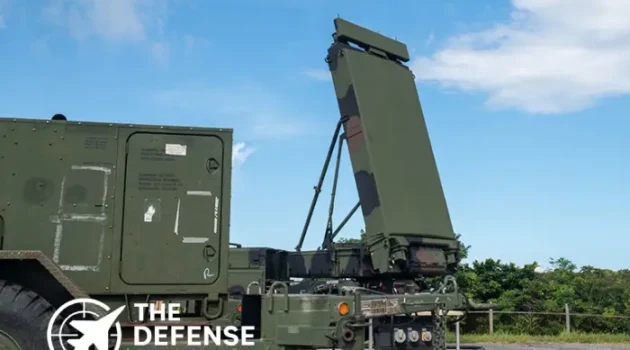
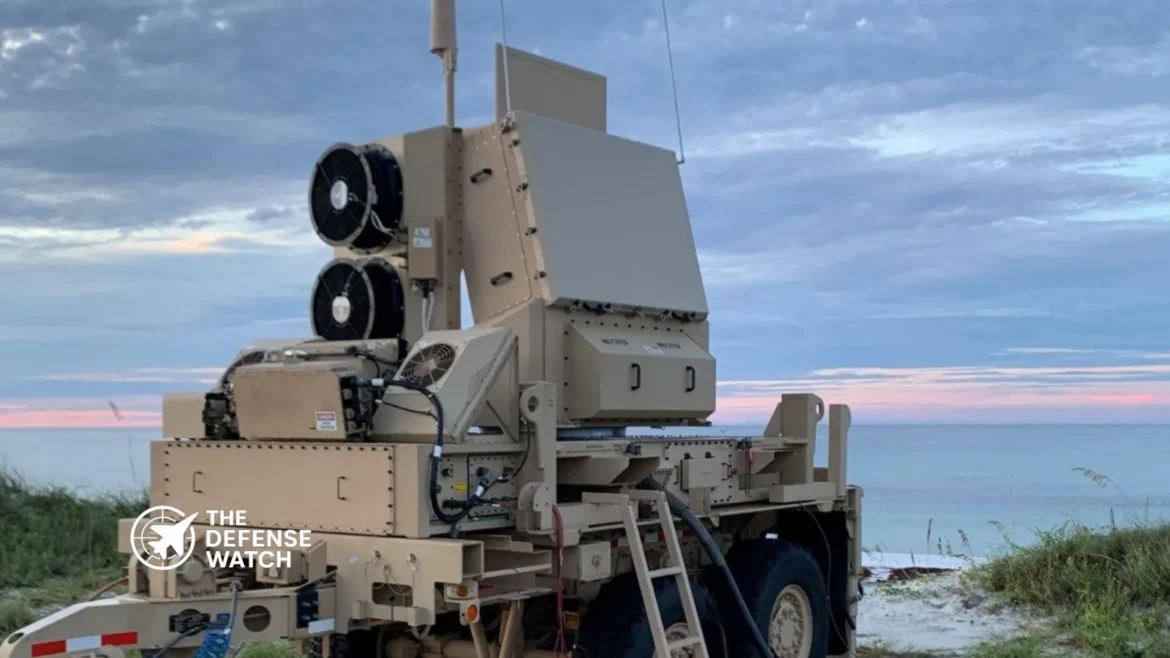
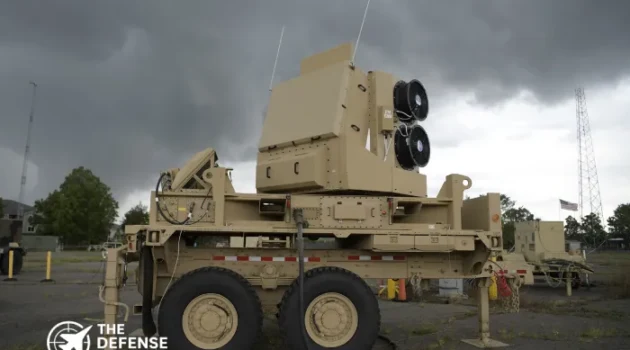
The U.S Army has received the first Sentinel A4 radar system under its Low Rate Initial Production 2 contract with Lockheed Martin, marking a key step in fielding the next-generation air defense radar. The delivery follows completion of the first phase of Initial Operational Test and Evaluation (IOT E) and moves the program closer to full rate production.
New Radar Replaces Sentinel A3
The Sentinel A4 is set to replace the legacy Sentinel A3 radar. The Army and Lockheed Martin say the updated system uses a modern digital active electronically scanned array, improved signal processing, and open architecture to support layered air defense.
The AESA design gives wide 360 degree coverage and improved tracking performance across a range of airborne threats, including cruise missiles, unmanned aerial systems, fixed and rotary wing aircraft, and indirect fire threats such as rockets, artillery, and mortars.
First of 19 Systems in LRIP 2
Lockheed Martin delivered the first of 19 planned LRIP 2 units. The IOT E Phase I process integrated Sentinel A4 with the Army’s Forward Area Air Defense Command and Control network, validating interoperability with existing command and control systems.
This staged delivery approach lets the Army receive early operational systems while continuing tests to refine performance and tactics ahead of a transition to larger scale production.
Designed for Modern Threats
The Sentinel A4 builds on the Army’s broader air and missile defense modernization effort, which includes advanced sensors and networked battle management systems. The radar’s digital architecture supports integration with the Integrated Air and Missile Defense Battle Command System, enabling shared situational data across defense networks.
Lockheed Martin and Army officials emphasize the improved detection range and tracking accuracy over the older A3 model, and the capacity to operate in complex terrain and contested environments.
Path Toward Full Rate Production
Delivery of the LRIP 2 unit and completion of the initial testing phase are milestones on the path toward full rate production. Lockheed Martin has indicated it will ramp up production once testing and operational validation support the Army’s requirements.
Further deliveries under LRIP 2 will support ongoing testing and early fielding to Army units. These will help confirm system performance and support tactics development before the Army moves into larger scale production.
What Is Radar?
Radar—short for Radio Detection and Ranging—is a technology that uses radio waves to detect, track, and identify objects at a distance. By transmitting radio signals and analyzing the echoes reflected from targets, radar systems can determine an object’s location, speed, and direction.
First developed before and during World War II, radar has become a critical tool in modern military operations, aviation safety, weather forecasting, and maritime navigation. Today, radar remains indispensable in both defense and civilian sectors, forming the backbone of air defense networks, early warning systems, and traffic management.
How Radar Works
Radar systems operate by emitting electromagnetic waves, typically in the microwave spectrum. When these waves strike an object, they reflect back to the radar antenna. Computers then process the signal to calculate distance, altitude, and speed.
Key components of a radar system include:
- Transmitter – Generates radio waves.
- Antenna – Directs the waves and receives reflections.
- Receiver – Detects returned signals.
- Processor – Converts signals into visual or digital data.
Modern radars often integrate phased-array antennas and artificial intelligence for faster detection and improved accuracy, particularly against stealth aircraft and hypersonic weapons.
Military Uses of Radar
Radar is one of the most essential technologies in defense and aerospace. Its applications include:
- Air Defense: Detecting hostile aircraft, drones, and missiles. Systems like the U.S. AN/TPY-2 and Patriot radar provide early warning and missile tracking.
- Naval Operations: Warships use radars for surveillance, navigation, and fire control, enabling them to detect threats at sea.
- Ground Surveillance: Armies deploy ground-based radars to monitor troop movements, artillery fire, and low-flying threats.
- Space and Missile Defense: Long-range radars track ballistic missiles and monitor space objects. The U.S. Space Force and Missile Defense Agency rely on advanced radar networks for homeland security.

Civilian Uses of Radar
Beyond defense, radar is deeply integrated into daily life:
- Aviation Safety: Air traffic control relies on radar to track aircraft and prevent collisions.
- Weather Forecasting: Doppler radar provides real-time data on storms, rainfall, and tornadoes.
- Maritime Navigation: Commercial vessels use radar to avoid collisions and navigate in poor visibility.
- Law Enforcement: Speed detection radars are widely used for traffic monitoring.
Modern Advances in Radar Technology
As threats evolve, radar technology is undergoing rapid modernization. The U.S. Department of Defense and allied militaries are investing in active electronically scanned array (AESA) radars, which can track multiple targets simultaneously.
Another major trend is counter-stealth radar, designed to detect aircraft with reduced radar cross-sections such as the F-35 or China’s J-20. Meanwhile, AI-driven radar processing is improving automatic target recognition, reducing operator workload and reaction times.
For civilian applications, compact automotive radars are becoming vital for driver-assistance systems and the path toward autonomous vehicles.
Strategic Importance
Radar remains a cornerstone of national defense and global security. Its ability to detect, track, and respond to threats makes it irreplaceable in modern warfare. From missile defense to disaster management, radar continues to shape both security strategies and civilian life.
For more on radar systems, visit U.S. Missile Defense Agency.
FAQs
What does radar stand for?Radar stands for Radio Detection and Ranging.
Who invented radar?Radar was developed in the 1930s, with contributions from scientists in the U.S., U.K., and Germany.
What is the difference between military and civilian radar?Military radars are designed for long-range detection and tracking of threats, while civilian radars focus on aviation safety, weather monitoring, and navigation.
Can radar detect stealth aircraft?Advanced radars, particularly low-frequency and AESA systems, are being developed to counter stealth designs.
What are future uses of radar?Future applications include space traffic management, drone detection, and integration into autonomous vehicles.