- Japan has enabled its destroyers to launch Tomahawk cruise missiles for long-range strike missions.
- The capability relies on vertical launch systems compatible with U.S.-made Tomahawk missiles.
- The move strengthens Japan’s deterrence posture amid rising Indo-Pacific security tensions.
- Tokyo plans to deploy hundreds of Tomahawks as part of its broader defense buildup through the late 2020s.
- The development marks a shift toward counterstrike capability in Japan’s defense policy.
Japanese Destroyer Tomahawk Capability Expands Operational Reach
Japanese destroyer Tomahawk capability now allows Japan’s Maritime Self-Defense Force to conduct long-range precision strikes, marking a major shift in the country’s defense posture and operational reach.
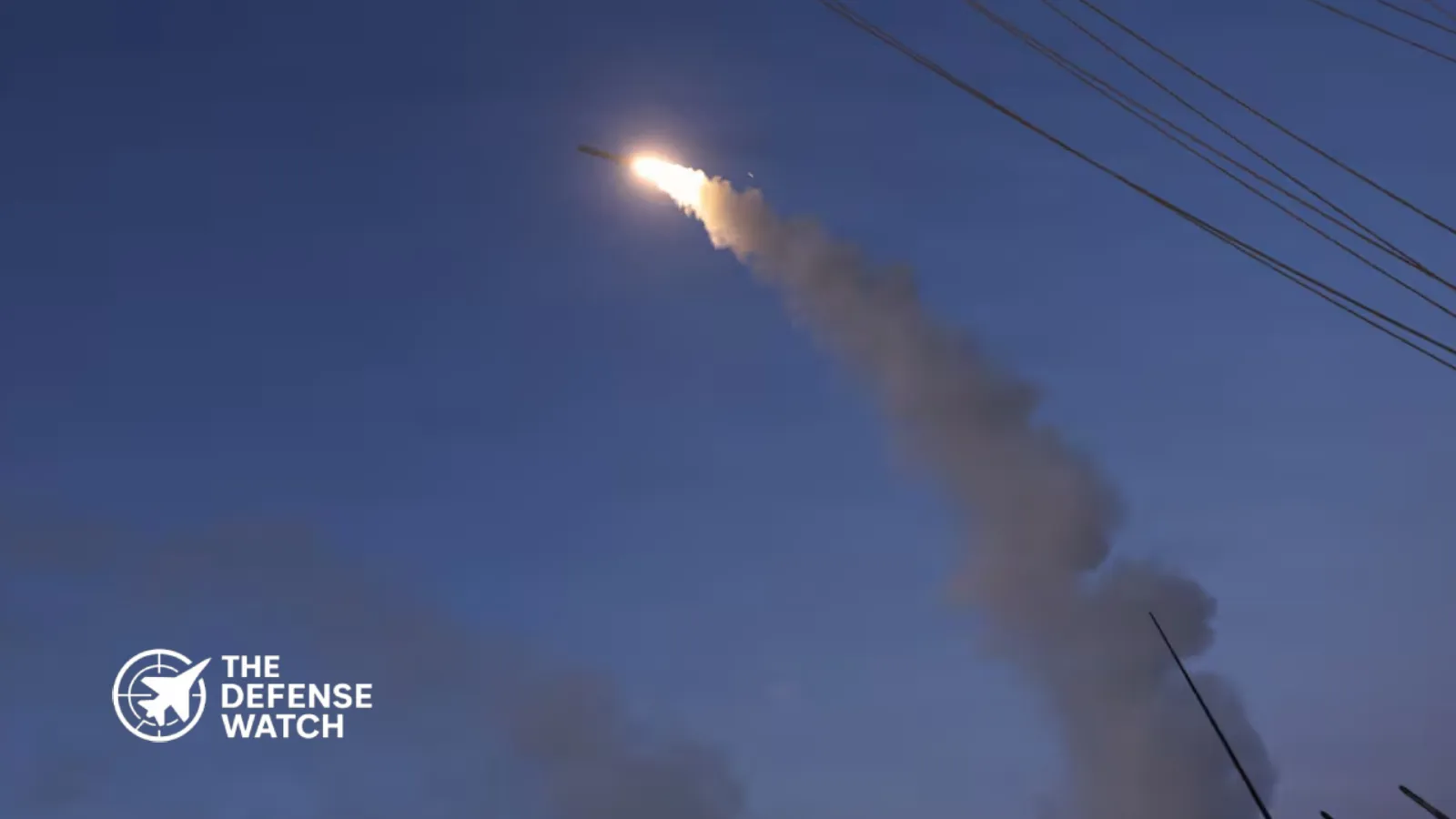
Japan has begun integrating U.S.-made Tomahawk land-attack cruise missiles into its destroyer fleet, enabling strikes at ranges exceeding 1,000 kilometers. The move reflects Tokyo’s evolving security strategy as it responds to increasing regional threats.
The Big Picture
Japan’s decision to field long-range strike weapons aligns with a broader shift in Indo-Pacific security dynamics. Regional military competition continues to intensify, particularly amid growing missile inventories and naval expansion by China and North Korea.
The United States has encouraged allies to enhance their strike capabilities to support distributed deterrence. Japan’s adoption of Tomahawk missiles fits within this framework, improving interoperability with U.S. forces while expanding its own independent options.
Tokyo’s updated National Security Strategy explicitly calls for counterstrike capabilities, signaling a departure from its traditionally defensive-only posture.
What’s Happening
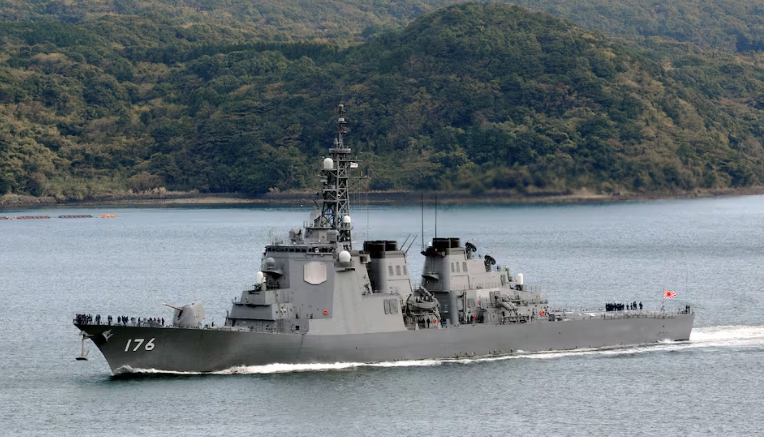
Japan is equipping select destroyers with Tomahawk cruise missiles, according to reporting from Defense News. The capability builds on existing vertical launch systems already deployed on Aegis-equipped ships.
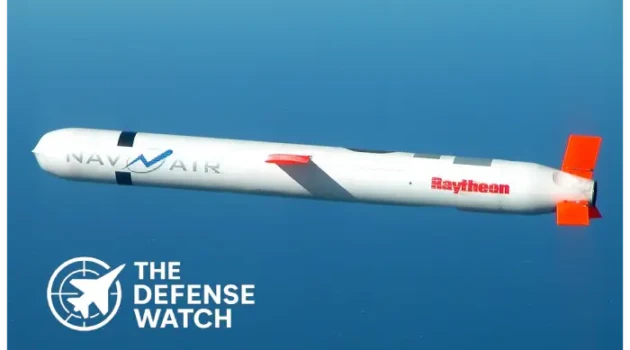
The Tomahawk is a proven, long-range, subsonic cruise missile designed for precision strikes against land targets. It uses terrain-following guidance and GPS navigation to reach targets with high accuracy.
Japan has agreed to purchase hundreds of these missiles from the United States, with deliveries expected to begin in the coming years. Initial deployment will focus on enhancing maritime strike flexibility.
The destroyers involved are expected to include Aegis-class vessels capable of integrating advanced missile systems without major structural changes.
Why It Matters
This development significantly expands Japan’s operational toolkit.
Tomahawk integration provides Japan with a credible stand-off strike capability. This allows engagement of targets without exposing ships to high-risk zones, increasing survivability in contested environments.
The move also enhances joint operations with U.S. forces. Shared systems simplify logistics, targeting coordination, and mission planning.

AFP Photo / Jiji Pres From a technological perspective, the integration demonstrates Japan’s ability to adapt existing platforms to new mission profiles, reducing the need for entirely new ship classes.
Strategic Implications
Japan’s new capability strengthens deterrence by complicating adversary planning.
Long-range strike options allow Japan to hold critical infrastructure, command centers, and missile sites at risk. This raises the cost of potential aggression.
The capability also supports distributed maritime operations. Japanese destroyers can now contribute to offensive strike missions alongside U.S. naval forces, extending the reach of allied operations across the Indo-Pacific.
At the same time, the move reinforces Japan’s role as a more proactive security actor. This shift aligns with broader efforts to balance regional power dynamics.
Competitor View
China is likely to interpret the Japanese destroyer Tomahawk capability as part of a broader containment strategy led by the United States and its allies.
Beijing has consistently criticized regional missile deployments that expand strike ranges. The addition of Tomahawks to Japan’s arsenal introduces new variables into China’s military planning, particularly regarding coastal and inland targets.
North Korea may also view the development as a direct threat to its missile infrastructure. Pyongyang’s emphasis on survivable and mobile systems reflects an effort to counter such capabilities.
Russia, while less directly affected in the Pacific context, has also raised concerns about the proliferation of long-range precision strike systems among U.S. allies.
What To Watch Next
Japan’s next steps will focus on operational integration and doctrine development.
Key milestones include:
Crew training and mission planning adaptation
Integration with targeting and intelligence networks
Coordination with U.S. Indo-Pacific Command
Expansion of missile inventory over timeObservers will also track whether Japan expands the capability to additional platforms, including future surface combatants or submarines.
Capability Gap
Japan historically lacked a long-range strike option beyond its immediate defensive perimeter.
The Japanese destroyer Tomahawk capability addresses this gap by providing a credible counterstrike option. This is particularly relevant in scenarios involving missile launches from adversary territory.
However, limitations remain.
Tomahawk missiles are subsonic and can be vulnerable to advanced air defense systems. Their effectiveness depends heavily on accurate targeting data and mission planning.
Japan must also integrate intelligence, surveillance, and reconnaissance systems to fully exploit the capability.
The Bottom Line
Japan’s adoption of Tomahawk missiles transforms its destroyers into long-range strike platforms, strengthening deterrence and reshaping its role in Indo-Pacific security.