

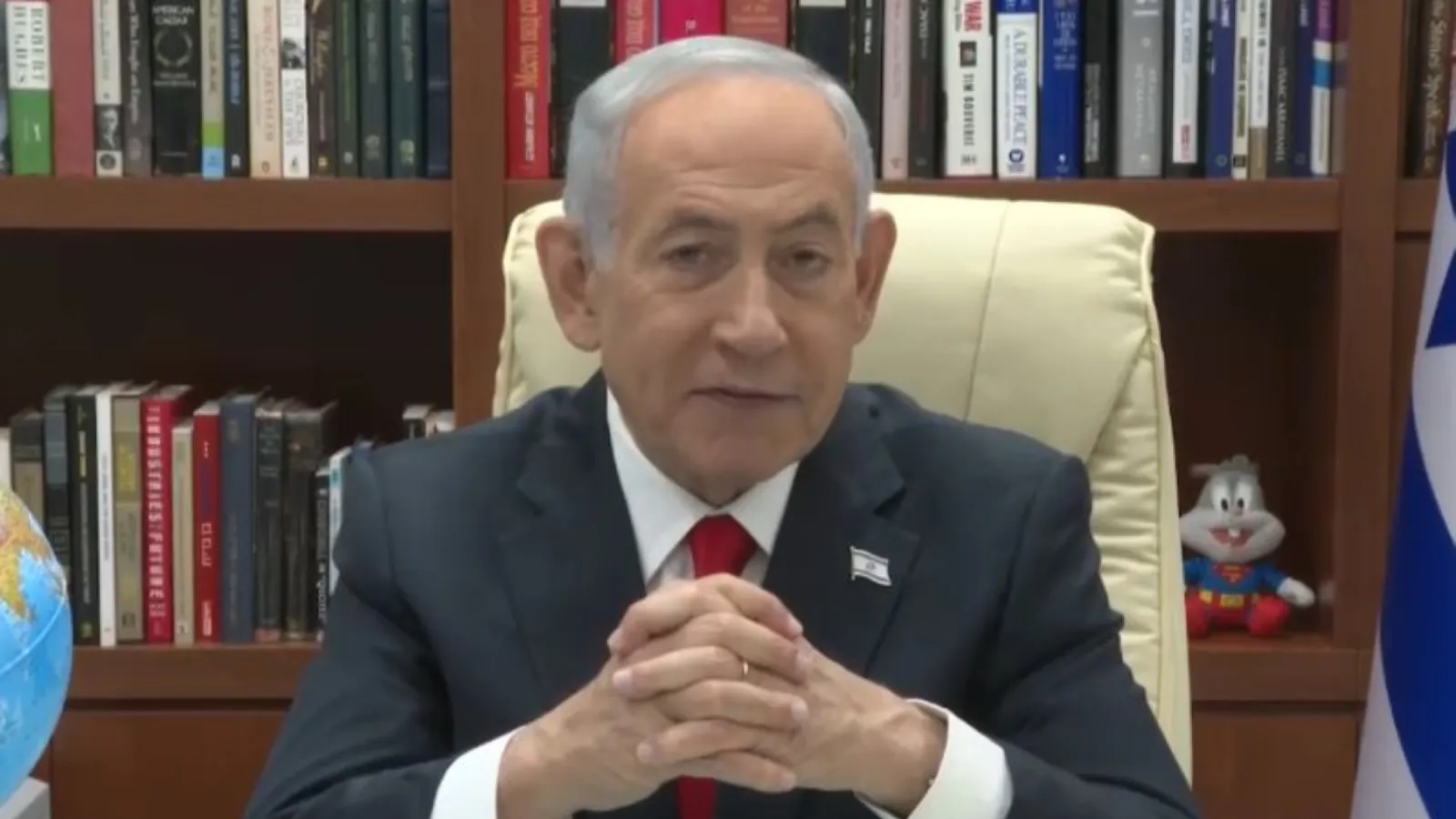
- Israel claims elimination of senior Iranian figures including Ali Larijani.
- Operations reportedly involve air power, including fighter jets and UAVs.
- Strategy aims to weaken Iran’s internal security apparatus and leadership cohesion.
- Coordination with the United States highlighted by Israeli leadership.
- Signals potential expansion of covert and overt operations beyond traditional conflict zones.
Israel Targeted Killings Strategy Expands Into Iranian Leadership
Israel’s targeted killings strategy took a sharp turn this week after Prime Minister Benjamin Netanyahu claimed the elimination of senior Iranian figures, including Ali Larijani, in a public statement outlining ongoing military operations.
Netanyahu stated that Israeli forces are conducting air operations over Iran using fighter aircraft and unmanned aerial systems, targeting key elements of the country’s security structure, including the Islamic Revolutionary Guard Corps and the Basij militia.
The Big Picture
Israel’s targeted killings strategy has historically focused on disrupting adversary leadership in regional theaters such as Syria and Gaza. Extending this approach into Iran itself, if confirmed, would represent a major escalation in both geographic scope and operational risk.
The shift aligns with Israel’s long standing doctrine of preemptive action against strategic threats, particularly those linked to Iran’s military and nuclear infrastructure. It also reflects growing coordination with the United States, especially in the context of regional deterrence and Gulf security.
What’s Happening
Netanyahu stated that Israeli forces eliminated Larijani and a Basij commander in coordinated operations. He described the targeted individuals as central figures in Iran’s internal security and repression apparatus.
The Israeli leader also confirmed:
- Use of air force jets and UAVs in operations
- Active efforts to weaken the Iranian regime internally
- Military coordination with Donald Trump and U.S. forces
- Continued direct and indirect attacks designed to increase pressure on Tehran
No independent confirmation has been provided by Iranian authorities at the time of writing.
Why It Matters
Targeted killings serve both tactical and strategic purposes. Removing senior leadership can disrupt command structures, slow decision making, and degrade operational effectiveness.
In Iran’s case, the focus on the IRGC and Basij suggests a deliberate effort to undermine internal security control mechanisms rather than conventional military forces alone.
This approach also signals a shift from containment to active destabilization. Instead of limiting Iranian influence abroad, Israel appears to be targeting the regime’s internal cohesion.
Strategic Implications
Israel’s targeted killings strategy could reshape the regional security environment in several ways.
First, it raises the threshold of direct confrontation between Israel and Iran. Strikes inside Iranian territory, especially against high level figures, increase the likelihood of retaliation.
Second, it reinforces the role of air power and long range strike capabilities. The use of UAVs and stand off munitions allows Israel to operate without sustained ground presence, reducing exposure while maintaining pressure.
Third, it strengthens U.S. Israel military coordination. Netanyahu’s reference to joint efforts suggests alignment in operational planning, particularly in the Gulf region where U.S. forces maintain a significant presence.
Competitor View
Iran is likely to interpret these actions as an attempt to trigger internal instability and weaken regime legitimacy.
From Tehran’s perspective, targeting the IRGC and Basij directly challenges the pillars of state control. This could prompt asymmetric responses, including cyber operations, proxy attacks, or maritime disruptions.
Russia and China may view the escalation as a destabilizing factor in global energy markets and regional security, particularly given the Gulf’s role in global flows.
What To Watch Next
Several indicators will shape the next phase of this development:
- Iranian confirmation or denial of leadership losses
- Potential retaliatory actions by Iran or its proxies
- U.S. military posture adjustments in the Gulf
- Increased Israeli air or covert operations beyond current scope
Sustained operations would indicate a long term campaign rather than a limited strike.
Capability Gap
Israel’s targeted killings strategy addresses a key challenge, the difficulty of countering decentralized and ideologically driven security networks.
By focusing on leadership nodes, Israel seeks to create disruption without engaging in large scale conventional warfare.
However, limitations remain. Leadership decapitation does not guarantee systemic collapse. Iran’s security apparatus is layered and resilient, with redundancy built into command structures.
The Bottom Line
Israel’s targeted killings strategy signals a deliberate escalation aimed at weakening Iran’s leadership from within while reshaping the regional balance of power.
