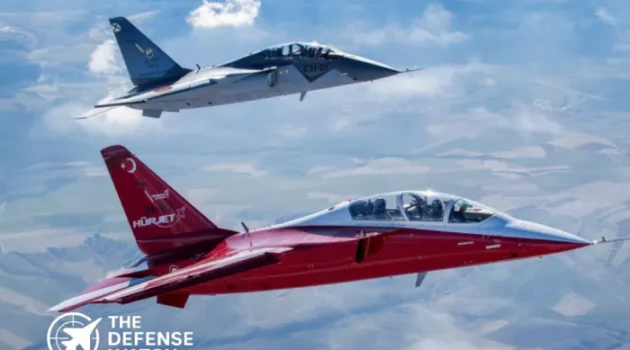

- ► HÜRJET test flights will run from February 23, 2026, through March 16, 2026, over Antalya Bay.
- ► Flights will originate from Antalya Air Base Command and extend toward Gazipaşa.
- ► The aircraft may reach supersonic speeds during certain test profiles.
- ► Sonic booms may be heard in coastal areas as a natural result of high speed testing.
- ► Authorities emphasized there is no cause for public concern during the scheduled activities.
HÜRJET Test Flights Over Antalya Bay Enter Supersonic Phase
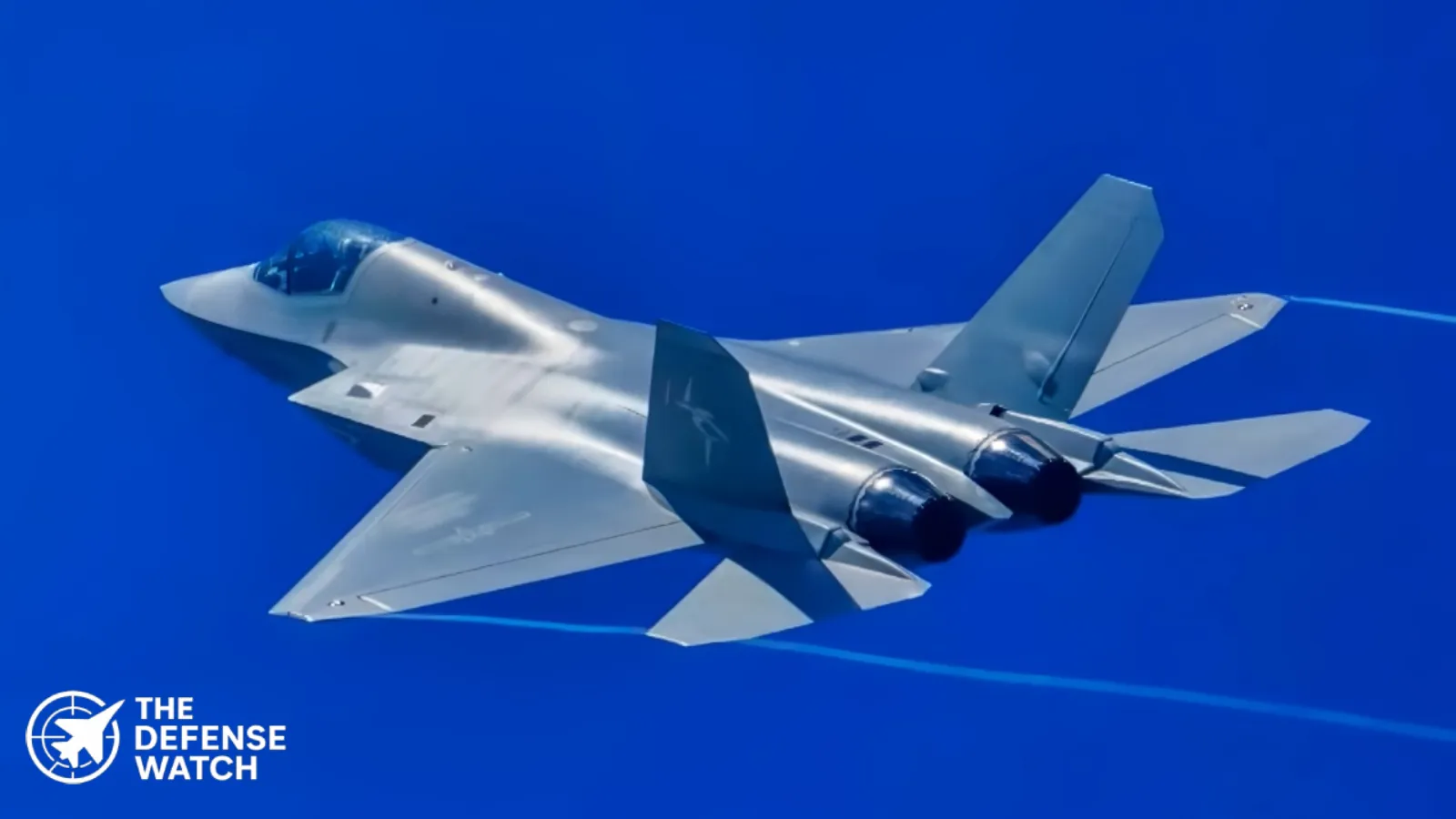
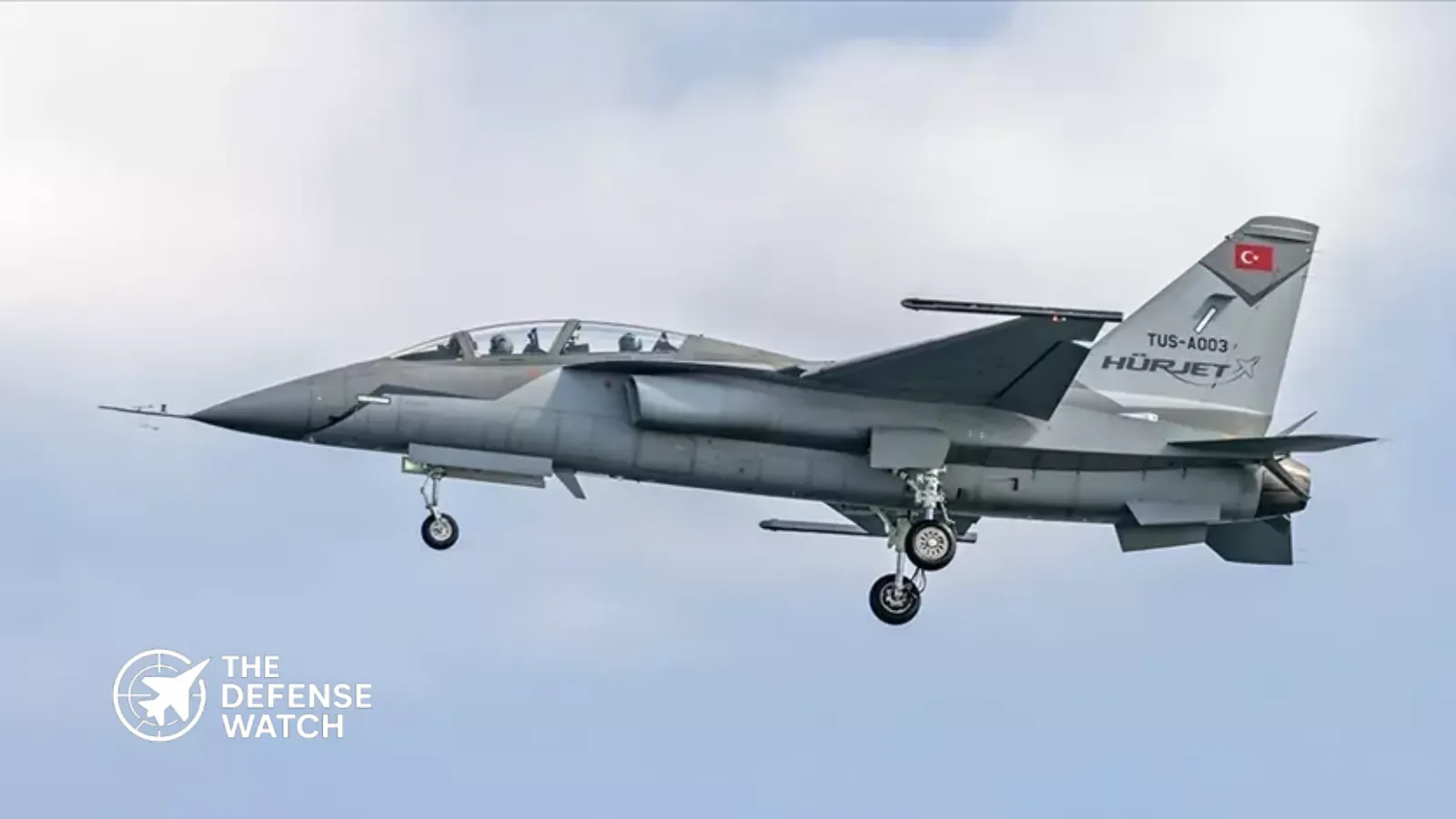
HÜRJET test flights over Antalya Bay are scheduled to continue through March 16, with Turkish authorities confirming that some sorties may include supersonic runs.
In a public notice, the Antalya Governor’s Office stated that flight tests under the HÜRJET Project will take place between February 23, 2026, and March 16, 2026. Operations will be conducted over the maritime area stretching from Antalya Bay to Gazipaşa, with aircraft departing from Antalya Air Base Command.
Officials warned that explosion like high intensity sounds could be heard along parts of the coastline. These sounds would result from the aircraft exceeding the speed of sound during specific test profiles.
Authorities stressed that such noise is a routine outcome of supersonic flight testing and urged residents not to be alarmed.
Advancing The HÜRJET Program
The HÜRJET advanced jet trainer is being developed by Turkish Aerospace Industries as part of Turkey’s broader effort to modernize pilot training and expand domestic aerospace capabilities.
Designed as a supersonic, single engine advanced trainer, HÜRJET is intended to replace aging jet trainers in Turkish service and support the transition of pilots to frontline platforms such as the F-16 Fighting Falcon and Turkey’s next generation combat aircraft programs.
According to Turkish defense officials and company disclosures in prior briefings, HÜRJET is expected to reach speeds above Mach 1, making controlled supersonic testing a key milestone in flight envelope expansion.
The Antalya maritime test zone offers a safer environment for high speed trials, minimizing risks to populated urban areas while allowing engineers to gather critical aerodynamic and structural data.
Why Supersonic Testing Matters
Supersonic trials are not symbolic. They are essential for validating airframe integrity, engine performance, flight control systems, and structural response under high stress conditions.
(adsbygoogle = window.adsbygoogle || []).push({});When an aircraft breaks the sound barrier, it generates a shock wave known as a sonic boom. Over water, these effects are easier to manage from both a safety and public relations standpoint.
For HÜRJET, expanding into supersonic regimes signals that the program is moving beyond basic flight validation toward full performance certification. This phase typically involves:
- Incremental speed increases
- Structural load assessments
- Avionics performance verification
- Stability and control evaluations
Defense aviation programs worldwide follow similar flight test methodologies before operational approval.
Strategic Implications For Turkey’s Aerospace Sector
The continued HÜRJET test flights over Antalya Bay highlight Ankara’s long term push for defense industrial autonomy.
Turkey has invested heavily in indigenous aerospace programs, seeking to reduce reliance on foreign suppliers. The HÜRJET program fits within a broader portfolio that includes unmanned systems, helicopters, and next generation fighter development.
From a policy perspective, a domestically produced supersonic trainer offers several advantages:
- Reduced foreign procurement exposure
- Export potential to allied and partner nations
- Greater control over training doctrine and upgrades
If successfully fielded, HÜRJET could position Turkey among a limited group of nations capable of designing and producing advanced jet trainers domestically.
(adsbygoogle = window.adsbygoogle || []).push({});However, sustained testing is critical. Flight envelope expansion, especially at supersonic speeds, often determines whether a program meets performance targets on schedule.
Public Communication And Transparency
The Antalya Governor’s Office decision to notify residents ahead of the HÜRJET test flights over Antalya Bay reflects standard aviation safety and civil coordination practices.
Sonic booms can cause concern among local communities unfamiliar with supersonic activity. Clear communication helps prevent misinformation and unnecessary alarm.
Similar public advisories are issued in the United States during military supersonic training over designated airspace corridors, particularly in coastal or desert regions.
(adsbygoogle = window.adsbygoogle || []).push({});By identifying the maritime corridor from Antalya Bay to Gazipaşa, authorities delineated a specific operational zone, reinforcing transparency in military flight activity.
What Comes Next
The March 16 end date does not necessarily mark the conclusion of the HÜRJET test campaign. Rather, it likely represents a defined test window for specific performance evaluations.
Future milestones may include:
- Expanded weapons integration trials
- Advanced avionics validation
- Export demonstration campaigns
For now, the focus remains on validating high speed performance and operational reliability.
The coming weeks will provide clearer insight into how rapidly the HÜRJET program progresses through its certification roadmap.