• Home
  • About
  • Defense Systems
  • Manufacturer
  • Comparisons
  • Compare 
  • Tools
TheDefenseWatch.com
  • Aerospace & Aviation
  • Military & Ordnance
  • Naval & Maritime
  • Cyber & Space Defense
  • Policy & Strategy
  • Global News
  • Tools Library
    • Smart Calculator
    • Drone Flight Time Calculator
    • Drone Range Calculator
    • Counter-Drone Jammer Effective Range Calculator
    • Counter-Battery Radar Detection Calculator
    • Artillery Fire Correction Calculator
    • Thermal Camera Detection Range Calculator
    • Missile Range & Time-of-Flight Calculator
    • Radar Detection Range Calculator
    • FPV Strike Drone Payload vs Range Calculator
    • Loitering Munition Endurance Calculator
    • Sniper Ballistic Drop & Windage Calculator
    • Bullet Drop Calculator
    • U.S. Army Combat Fitness Test (ACFT) Calculator
    • Military Pension Calculator
    • Military Retirement Calculator
    • Military Pension Calculator
    • Large Number Calculator
Font ResizerAa

TheDefenseWatch.com

The Defense Watch | U.S. & Global Defense News, Analysis & Military Updates

Search
  • Home
  • About
  • Defense Systems
  • Manufacturer
  • Comparisons
  • Compare 
  • Tools

Stay Updated

Get the latest update

Subscribe

Explore

  • Drone
  • Fighter Jets & Military Aircraft
  • Hypersonic Weapons
  • Aircraft Carriers
  • Strategic History & Missions
  • Tools Library
Home » U.S. Air Force Moves To Retain Combat Aviators With Up To $50,000 Annual Bonus As Pilot Shortage Deepens
Aerospace & AviationDefense Budgets & PolicyFighter Jets & Military Aircraft

U.S. Air Force Moves To Retain Combat Aviators With Up To $50,000 Annual Bonus As Pilot Shortage Deepens

Daniel Mercer / Defense & Aerospace Analyst
Last updated: April 9, 2026 12:04 pm
Daniel Mercer / Defense & Aerospace Analyst
Share
3 Min Read
Air Force FY26 aviation bonus
SHARE
Follow The Defense Watch on Google:

Air Force Raises the Stakes on Pilot Retention With FY26 Aviation Bonus

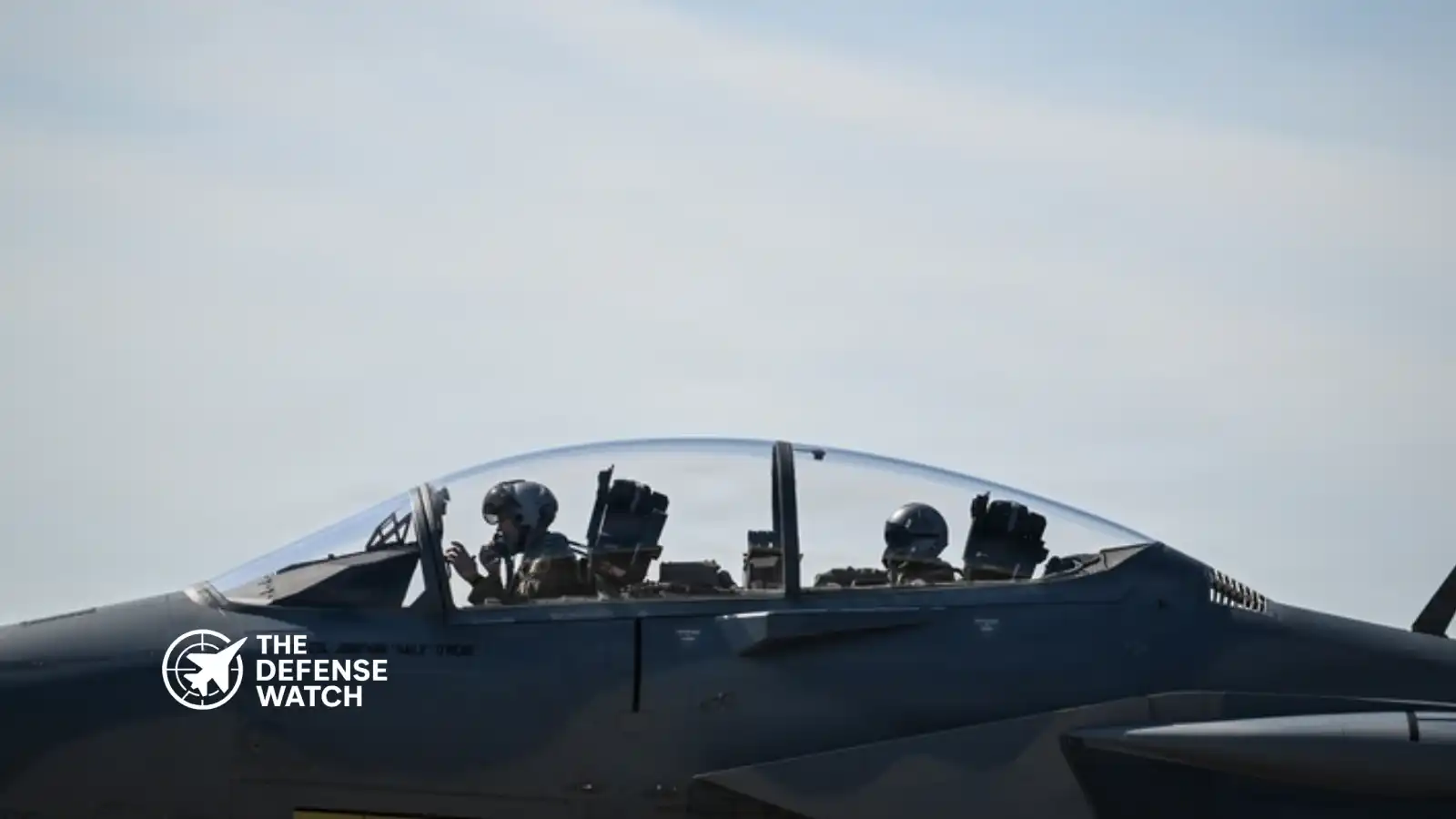
The U.S. Air Force has officially launched its FY26 Aviation Bonus (AvB) program, offering eligible active-duty aviators up to $50,000 per year in exchange for continued service commitments. The application window is open from April 1 through May 31, 2026, according to an announcement released April 8, 2026, by Secretary of the Air Force Public Affairs.

Contents
Air Force Raises the Stakes on Pilot Retention With FY26 Aviation BonusWhat’s New in FY26: Bigger Pay for Shorter CommitmentsWho Is EligiblePayment Timeline and Application ProcessA Strategic Retention Signal From the TopThe Broader Context: A Persistent Pilot ShortageAnalysis: Why This Program Matters Now
¦ KEY FACTS AT A GLANCE
  • The FY26 Aviation Bonus (AvB) application window runs from April 1 to May 31, 2026, for eligible active-duty aviators.
  • Bonus rates reach up to $50,000 per year, depending on career field and experience level.
  • Contracts range from a minimum of three years to a maximum of 12 years of additional active-duty service.
  • Key change for FY26: increased compensation for shorter contract lengths, especially in fighter, bomber, and U-2 communities.
  • Eligible career fields include pilots, remotely piloted aircraft (RPA) pilots, air battle managers, and combat systems officers.
  • The program applies to lieutenant colonels and below serving on active duty, plus select Air Reserve Component members.

The move reflects the Air Force’s intensifying effort to hold onto experienced pilots and rated personnel at a time when commercial aviation demand and a competitive private-sector job market continue to draw talent away from military service.

What’s New in FY26: Bigger Pay for Shorter Commitments

The most significant structural change in the FY26 program is a deliberate shift in how shorter-term contracts are valued. The FY26 AvB program introduces increased compensation for shorter contract lengths, particularly in fighter, bomber, and U-2 communities.

This is a notable departure from previous incentive structures that typically rewarded longer commitments with higher pay. By raising the value of three-to-five-year contracts, the Air Force is acknowledging a hard reality: many experienced aviators are unwilling to commit to a decade-plus of active duty, but may stay for a shorter, well-compensated window. Offering more competitive short-term rates reduces the binary choice between full commitment and separation.

- Advertisement -

Contracts are offered for a minimum of three years and a maximum of 12 years, with rates up to $50,000 per year depending on the aviator’s career field and experience level.

Who Is Eligible

The FY26 AvB program applies to lieutenant colonels and below who are qualified for operational flying duty and entitled to, and receiving, monthly aviation incentive pay.

Eligible career fields include pilots, remotely piloted aircraft (RPA) pilots, air battle managers, and combat systems officers.

The program also extends beyond the active component. Air Reserve Component Airmen serving in the Voluntary Limited Period of Active Duty (VLPAD) Program are also eligible to apply.

This inclusion of reserve-component aviators signals that the Air Force is treating its rated shortage as a force-wide challenge, not just an active-duty concern.

Payment Timeline and Application Process

Airmen applying for the bonus should expect to see payments within three weeks after final approval of their application and processing by the Defense Finance Accounting Service (DFAS).

Complete eligibility requirements and application instructions are available on the MyFSS website for CAC-enabled users.

The three-week payment turnaround is intended to minimize the friction between signing and receiving compensation — a practical step that may influence retention decisions for aviators weighing civilian opportunities.

- Advertisement -

A Strategic Retention Signal From the Top

Air Force Chief of Staff Gen. Ken Wilsbach framed the bonus program in direct terms tied to warfighting readiness. “Our Airmen are extremely talented, with critical skills that are highly sought after,” Wilsbach said. The aviation bonus is an incentive that helps us retain expertise and ensures we have the right mix of experienced aviators to meet warfighting demands today and into the future.”

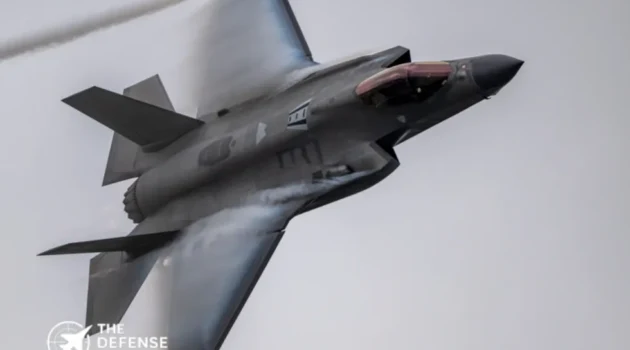
The statement carries weight beyond its immediate context. The Air Force is currently managing a generational transition in its aircraft fleet — from legacy F-15s and F-16s toward the F-35A, and eventually toward next-generation platforms including the classified Next Generation Air Dominance (NGAD) program. Retaining mid-career and senior pilots is critical to ensuring institutional knowledge transfers across that transition.

  • F-35 Lightning II Fighter Jet

    F-35 Lightning II Fighter Jet

    • Generation: 5th
    • Maximum Speed: Mach 1.6 (1,200 mph / 1,930 km/h)
    • No. of Engines: 1
    • Radar Range: ~150+ km (AN/APG-81 AESA)
    • View Details →
    8.8

    The emphasis on the fighter, bomber, and U-2 communities also reflects operational priorities. Fighter and bomber aircraft remain core to U.S. power projection in peer and near-peer conflict scenarios, while U-2 reconnaissance remains irreplaceable in contested intelligence-gathering environments.

    The Broader Context: A Persistent Pilot Shortage

    The aviation bonus program does not exist in a vacuum. The U.S. military aviation community has faced documented pilot shortages for nearly a decade. The Air Force has publicly acknowledged a shortfall of thousands of pilots across its rated workforce, driven by high operational tempo, competitive commercial salaries following post-pandemic aviation industry expansion, and quality-of-life concerns.

    The FY26 AvB is one tool within a broader retention toolkit that includes quality-of-life improvements, assignment flexibility initiatives, and investment in training pipelines. But the financial incentive remains one of the most direct levers available to personnel planners.

    Critically, the structural shift toward rewarding shorter contracts may also reflect feedback from retention surveys and exit interviews — data points suggesting that many separating pilots would have stayed for a shorter additional commitment at the right price, but were not willing to sign long-term extensions.

    Analysis: Why This Program Matters Now

    From a strategic workforce standpoint, the Air Force’s willingness to restructure bonus tiers mid-program lifecycle demonstrates institutional responsiveness. Rigid bonus structures that don’t account for individual career calculus tend to underperform. The FY26 adjustment suggests the service is applying lessons from previous cycles.

    The inclusion of RPA pilots and combat systems officers alongside traditional aviators also reflects the evolving character of air warfare. As autonomous systems and remotely piloted platforms take on a larger share of combat missions, retaining qualified operators in these career fields becomes as strategically significant as keeping manned fighter cockpits filled.

    The two-month application window — April 1 to May 31 — creates urgency without panic. Aviators considering separation will need to make a decision before the summer permanent change of station (PCS) season, which typically triggers many separation decisions.
Enjoying our coverage?

Make The Defense Watch a preferred source on Google to see more of our geopolitical and defense insights when relevant to you.


TAGGED:Air Force FY26Aviation BonusAviator Incentive PayMilitary Personnel PolicyUSAF Pilot Retention
Share This Article
Facebook Copy Link Print
ByDaniel Mercer / Defense & Aerospace Analyst
Follow:
Daniel Mercer is a defense and aerospace analyst at TheDefenseWatch.com covering military aviation, aerospace technology, unmanned systems, air warfare, and defense procurement. His reporting uses official documents, government and military statements, company announcements, and other public sources.
Leave a Comment

Leave a Reply Cancel reply

Your email address will not be published. Required fields are marked *

Search Defense Systems

Latest Defense Systems

  • Ilyushin Il-20 Coot Aircraft Ilyushin Il-20 Coot Aircraft
  • FGM-148 Javelin Anti-Tank Missile FGM-148 Javelin Anti-Tank Missile
  • F-104 Starfighter F-104 Starfighter
  • F-15J Eagle Fighter Jet F-15J Eagle Fighter Jet
  • China’s GJ-21 Stealth Drone China’s GJ-21 Stealth Drone
  • China’s GJ-11 Stealth Drone China’s GJ-11 Stealth Drone
  • F-15EX Eagle Fighter Jet F-15EX Eagle Fighter Jet
  • TRML-4D Radar TRML-4D Radar
  • F-47A Fighter Jet F-47A Fighter Jet

Recent Compares

  • J-10C vs JF-17 Thunder: Which Fighter Is More Capable? J-10C vs JF-17 Thunder: Which Fighter Is More Capable? View Comparison →
  • Tejas vs Gripen: Key Differences and Capabilities Tejas vs Gripen: Key Differences and Capabilities View Comparison →
  • Tejas vs MiG-21 Bison: How India Replaced Its Iconic Supersonic Fighter Tejas vs MiG-21 Bison: How India Replaced Its Iconic Supersonic Fighter View Comparison →
  • F-35 vs F-16: Stealth, Sensors and Combat Roles F-35 vs F-16: Stealth, Sensors and Combat Roles View Comparison →
  • Tejas Fighter Jet vs F-16 Fighting Falcon: Capability Compared Tejas Fighter Jet vs F-16 Fighting Falcon: Capability Compared View Comparison →
  • Rafale Fighter Jet vs F-16 Fighting Falcon : Which Fighter Has the Edge? Rafale Fighter Jet vs F-16 Fighting Falcon : Which Fighter Has the Edge? View Comparison →
  • Su-57 Fighter Jet vs J-20 Fighter Jet: Stealth and Air Combat Compared Su-57 Fighter Jet vs J-20 Fighter Jet: Stealth and Air Combat Compared View Comparison →
  • Mirage 2000 vs Tejas Mk1A: Legacy Combat Power vs Indigenous Modernization Mirage 2000 vs Tejas Mk1A: Legacy Combat Power vs Indigenous Modernization View Comparison →
  • Rafale Fighter Jet vs F-22 Raptor: Which Air Dominance Fighter Has the Edge? Rafale Fighter Jet vs F-22 Raptor: Which Air Dominance Fighter Has the Edge? View Comparison →
  • Tejas Fighter Jet vs. Rafale Fighter Jet: India’s Indigenous Fighter Meets France’s Proven Multirole Combat Aircraft Tejas Fighter Jet vs. Rafale Fighter Jet: India’s Indigenous Fighter Meets France’s Proven Multirole Combat Aircraft View Comparison →

Recent Posts

  • Modern Warfare Puts Command and Control at the Center of Military Operations
  • Lockheed Martin Completes Third JR3 Rocket Test for U.S. Army Training
  • Lockheed Martin Advances Robotic Welding Technology for In-Space Construction
  • Europe Seeks U.S. National Guard F-16s for Ukraine’s Drone Defense
  • U.S. Marines to Join Finland and Estonia in Baltic Sea Defense Exercise

You Might Also Like

ALQ-221 electronic warfare system upgrade
Aerospace & AviationAI & Electronic Warfare

Japan’s EC-2 Electronic Warfare Jet Completes First Flight, Expanding Standoff Jamming Capabilities

September 13, 2026
BAE Systems P-8A survivability pod
Aerospace & AviationDefense Contracts

BAE Systems Wins $104.7 Million Navy Contract to Upgrade P-8A Survivability Pod

November 19, 2026
Senate defense bill
Defense Budgets & PolicyPolicy & Strategy

Senate Democrats Move To Block $1.15 Trillion Defense Bill As Iran War Dispute Deepens

September 7, 2026
Lockheed Martin C-130J training devices
Aerospace & AviationFighter Jets & Military Aircraft

Lockheed Martin Wins Contract to Deliver Advanced C-130J Training Devices to Royal Australian Air Force

February 20, 2026

Logo

Copyright © 2026 TheDefenseWatch.com

Helpful Links

  • Home
  • About Us
  • Privacy Policy
  • Terms of Use / Disclaimer
  • U.S. Privacy Notice – CCPA Compliance

Defense Systems

  • Defense Systems
  • Comparisons 
  • Manufacturer
  • Tactical Calculators

Popuplar

Which 5 Air Forces Possess the Costliest Fighter Jet Fleets in the World
Evolving Strategic Value: Carrier Strike Groups in the Indo-Pacific’s Future Security Architecture
Autonomous Weapon Systems Spark U.S. Ethics Debate Amid Rapid Military AI Integration

We report on developments involving military forces, governments, defense companies, research organizations, and security institutions around the world. 

Welcome Back!

Sign in to your account

Username or Email Address
Password

Lost your password?

Enjoying our coverage?

Make The Defense Watch a preferred source on Google to see more insights.