

Why It Matters
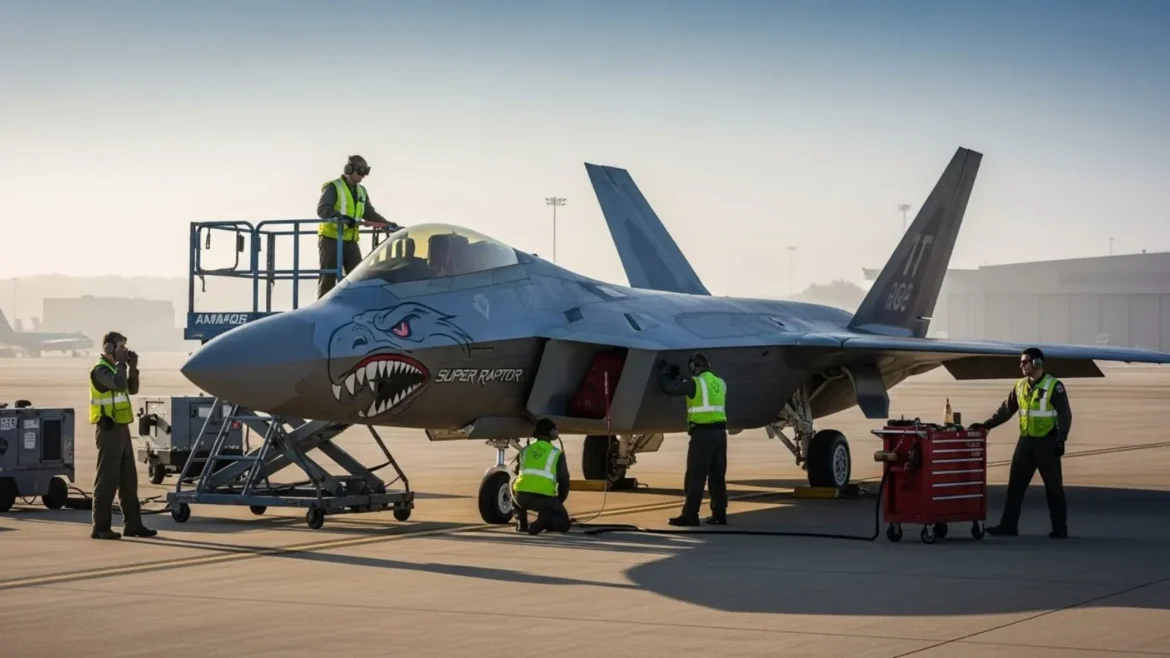
The U.S Air Force is planning a major upgrade to its F-22 fighter, often called the F-22 Super Raptor. This matters because advanced fighters shape the balance of air power among major rivals, especially the United States, China, and Russia. Keeping the F-22 fleet effective into the 2040s helps shorten gaps until next-generation jets arrive and counters the rapid improvement of peer air defenses and aircraft.
What It Is
The F-22 Raptor is the Air Force’s flagship stealth air superiority fighter, first deployed in 2005 with sensors, stealth, supercruise, and integrated avionics unmatched when built.
The F-22 Super Raptor is not a new aircraft. It is a set of upgrades to existing F-22s. These upgrades include new sensors, improved radar-absorbent coatings, advanced electronic warfare systems, and modern cockpit avionics drawn in part from future programs.
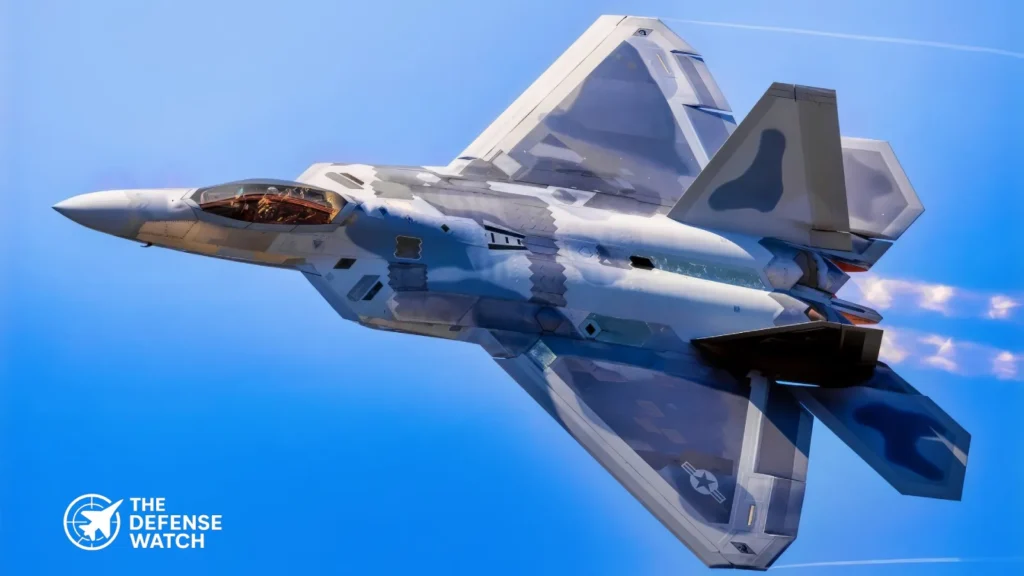
Because the Air Force can no longer build new F-22s, upgrading existing jets is the fastest way to boost capability.
How It Works
Upgrades focus on stealth and sensing. New radar-absorbent materials can keep the aircraft harder to detect. Advanced sensors and avionics help pilots see threats earlier and act faster. Enhanced electronic warfare systems let the jet jam or deceive enemy defenses.
Some upgrades under discussion also include next-generation radar backends and infrared search and track systems that boost targeting in contested airspace.
In simple terms, the F-22 Super Raptor keeps the same airframe but adds tools to fight better in modern battlefields where sensors and defenses are tougher than when the original jets were designed.
Why It Matters
The main reason this upgrade matters is strategic competition with China and Russia. Both countries are fielding advanced fighters and air defense networks that reduce the gap U.S aircraft once enjoyed. Upgrading the F-22 helps keep its advantage in stealth and situational awareness even as adversary systems improve.
Until the next generation of fighters arrives, upgraded F-22s fill a capability gap. The Air Force’s long-term successor programs like the Next Generation Air Dominance (NGAD) fighter or the new F-47 sixth-generation design will not be fielded in large numbers for years.
Some analysts warn investment in older platforms could divert money from future systems. That concern is real but it works both ways. A sudden capability drop between current and future jets would weaken deterrence if competitors see an opening.
Comparison to Other Systems
Compared to the F-35, another stealth fighter in U.S service, the F-22 excels in air-to-air combat and high-end stealth. The F-35 has broader multi-role weapons loads and sensor fusion for networked operations, but the F-22 still leads in raw air superiority capability.
Compared to Chinese J-20 or Russian Su-57, the upgraded F-22 is expected to keep an edge in stealth and sensor integration, though exact performance against those jets remains uncertain in open sources. This is a common reality in advanced military systems analysis where some capabilities are classified.
Strategic Impact
For Washington, extending the F-22’s life and capability helps assure allies and deter rivals. In the Indo-Pacific, China’s air force is expanding in size and quality. Keeping U.S fighters ahead affects how China plans its force posture and investments.

For Beijing and Moscow, it signals that the U.S intends to maintain aerial dominance even as they field new aircraft and air defenses. That can shape both offensive planning and diplomatic signaling.
For allies in Europe and Asia, a credible, upgraded U.S stealth force can anchor collective defense plans and reassure partners facing pressure from near-peer militaries.
In the long run, success will depend on how well the upgrades mesh with broader U.S strategy, including new fighters, drones, and air defense suppression tools.

Why It Matters
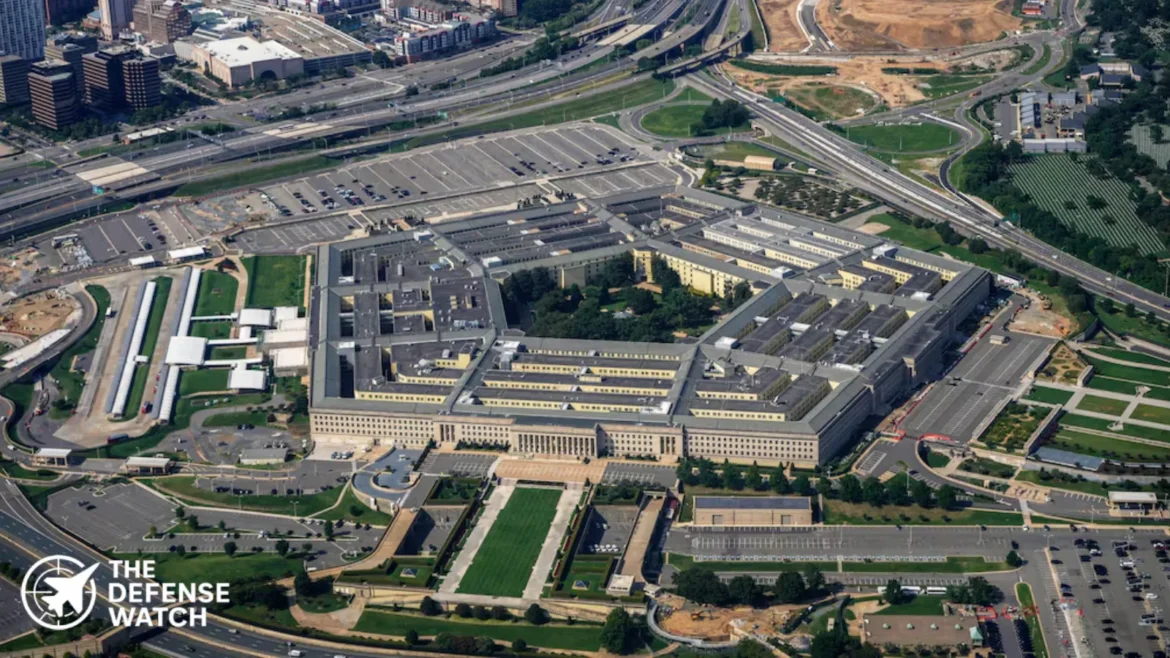
The Pentagon financial audit failure matters because it exposes long standing weaknesses in how the United States tracks and manages defense resources at a time of sustained strategic competition with China and Russia. As Washington emphasizes readiness, modernization, and alliance assurance, unresolved accounting gaps raise questions about efficiency, credibility, and long term force planning.
What Happened
The U.S. Department of Defense confirmed it failed its annual financial audit for the eighth consecutive year, according to its Agency Financial Report for fiscal year 2025. Congress has required yearly audits since 2018, yet the Pentagon remains the only one of the federal government’s 24 major agencies that has never received a clean opinion.
Auditors reported 26 material weaknesses and two significant deficiencies across the department’s financial systems. These findings indicate that large portions of defense assets and liabilities could not be fully verified or accurately valued.
Background
The Pentagon manages the largest and most complex budget in the federal government, spanning all military services, defense agencies, and global operations. For fiscal year 2025, the department reported about 4.65 trillion dollars in assets and roughly 4.7 trillion dollars in liabilities distributed across all U.S. states and more than 40 countries.
Unlike civilian agencies, the Defense Department oversees weapons programs, global supply chains, classified systems, and legacy platforms dating back decades. These factors have long complicated efforts to meet standard federal accounting requirements.
Key Audit Findings
One of the most significant issues identified in the latest audit involved the Joint Strike Fighter program. Auditors found that assets in the Global Spares Pool were omitted or inaccurately recorded. As a result, the value and existence of certain aircraft parts could not be reliably verified.
This problem reflects a broader pattern in Pentagon financial audit results, where logistics systems, property records, and inventory tracking remain fragmented across services and contractors. While not unique to the F 35 program, its scale and multinational structure make such weaknesses more visible.
How It Works
A Pentagon financial audit examines whether reported assets and liabilities can be supported by accurate records. This includes weapons systems, real estate, spare parts, and long term obligations. Auditors test data systems, internal controls, and documentation across hundreds of entities.
In practice, many defense systems were built for operational needs rather than financial reporting. Unlike commercial firms, the Pentagon historically prioritized speed and mission execution over standardized accounting. Retrofitting these systems for audit compliance has proven slow and costly.
Strategic Competition Context
From a strategic perspective, persistent audit failures intersect with broader competition among major powers. The United States is increasing defense spending to deter peer adversaries, modernize nuclear forces, and expand capabilities in space and cyber domains.
By comparison, China’s centralized defense structure allows tighter state control over industrial and military resources, though with less transparency. Russia, while spending less overall, maintains strong central authority over defense production. In this context, U.S. audit challenges do not imply reduced capability, but they do complicate long term planning and congressional oversight.
Policy and Expert Perspective
Defense officials have stated that annual audits remain a tool for improvement rather than a pass fail exercise. Department leadership has committed to continued reviews and reforms, with the stated goal of achieving an unmodified audit opinion by 2028.
Independent analysts often note that progress is measured in narrower problem areas rather than a single overall result. Reductions in material weaknesses over time suggest incremental gains, even as full compliance remains elusive.
Why It Matters Going Forward
As defense budgets face pressure from national debt and competing domestic priorities, financial transparency is increasingly tied to strategic credibility. Allies rely on U.S. sustainment and logistics networks, while lawmakers depend on accurate data to allocate resources across theaters.
In the near term, audit failures are unlikely to affect operational readiness. Over the long term, however, unresolved accounting gaps could slow modernization efforts and complicate responses to sustained global competition.
Conclusion
The Pentagon financial audit failure underscores the tension between operational scale and financial accountability. As the United States positions itself for prolonged strategic rivalry, the ability to clearly account for defense resources remains a foundational requirement for effective policy and planning.