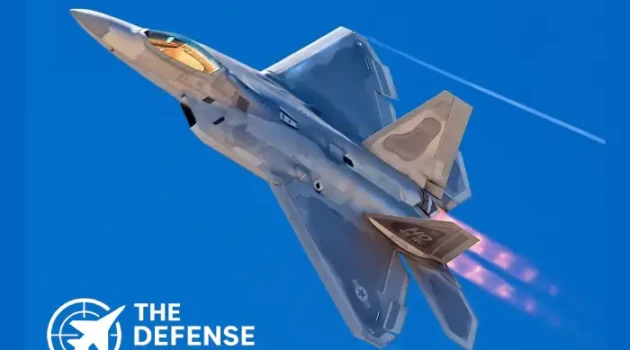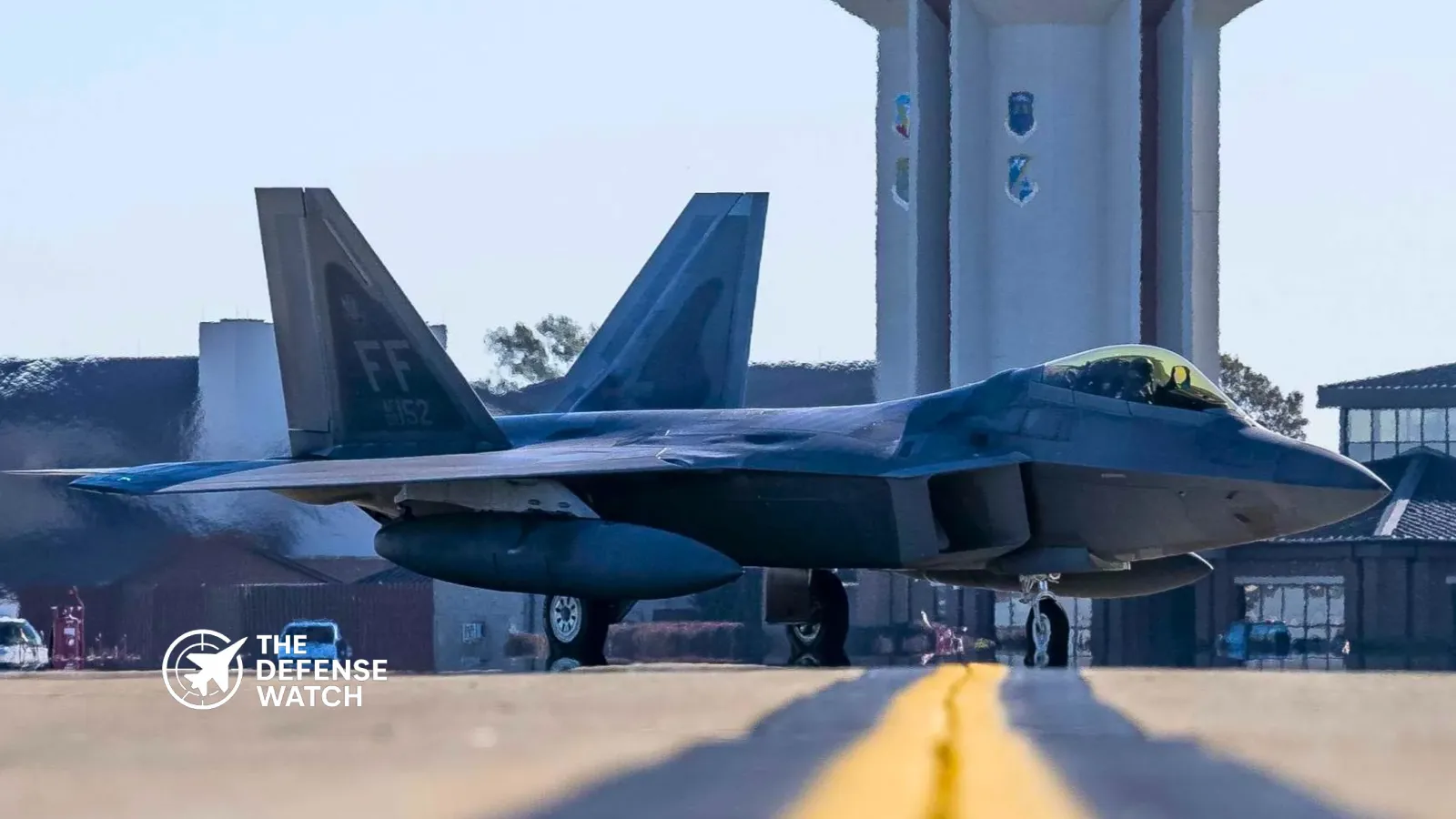
- ► US F-22 Raptors were recently sighted operating from RAF Lakenheath in the United Kingdom.
- ► The deployment comes amid ongoing U.S. force posture adjustments linked to Middle East security concerns.
- ► F-22 Raptors provide air dominance, stealth penetration, and advanced sensor fusion capabilities.
- ► The United Kingdom remains a critical forward operating hub for U.S. Air Force deployments into Europe and beyond.
- ► Movement underscores Washington’s emphasis on flexible, rapid-response airpower positioning.
US F-22 Raptors Sighted In UK Amid Middle East Force Posture Review
US F-22 Raptors operating from the United Kingdom are drawing attention as Washington reviews its Middle East airpower posture.
Recent imagery and reporting indicate that F-22 aircraft have been sighted at RAF Lakenheath, a long-standing U.S. Air Force hub in Britain. While U.S. officials have not publicly detailed the mission profile, the timing aligns with broader Pentagon adjustments to regional force deployments.
The presence of the aircraft may signal preparations for reinforcement or contingency options tied to Middle East security dynamics. The U.S. Department of Defense has repeatedly emphasized that it retains the ability to surge advanced air assets where needed.
Strategic Value Of The F-22 Raptor
The F-22 Raptor remains the U.S. Air Force’s premier air superiority fighter. Developed by Lockheed Martin, the platform combines low observability, supercruise capability, and advanced avionics.
Unlike multirole fighters, the F-22 is optimized for air dominance missions. It can penetrate contested airspace, conduct beyond-visual-range engagements, and coordinate targeting data across joint forces. Its AN APG-77 radar and sensor fusion architecture allow pilots to detect and track threats at extended distances.
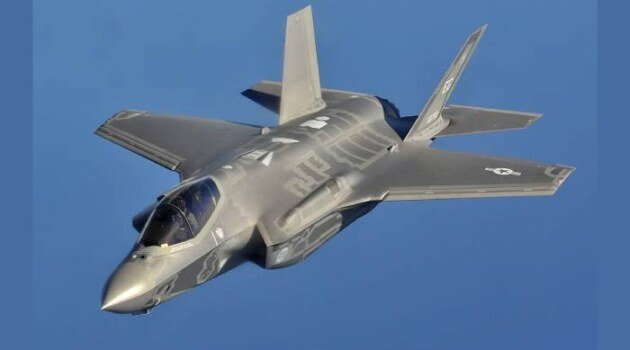
Although the aircraft is not permanently based in Europe, RAF Lakenheath frequently hosts rotational deployments. The base also supports the F-35A fleet assigned to U.S. Air Forces in Europe, making it a logical staging point for advanced fighter operations.
From a force posture standpoint, forward positioning F-22 Raptors in the UK provides geographic flexibility. Aircraft can rapidly deploy eastward toward the Middle East or operate across the European theater in support of NATO commitments.
Middle East Airpower Context
The Middle East remains a priority theater for U.S. Central Command. In recent months, Washington has adjusted air and naval deployments in response to regional tensions, threats to maritime traffic, and risks to U.S. personnel.
The U.S. Department of Defense has not formally confirmed that the F-22 Raptors sighted in the UK are earmarked specifically for Middle East operations. However, such deployments are consistent with established U.S. practice of maintaining strategic ambiguity while ensuring credible deterrence.
Historically, the F-22 has been deployed to the Middle East to counter advanced air defense systems and provide air superiority coverage. Its presence serves both operational and signaling purposes. The aircraft’s stealth profile complicates adversary planning and reinforces U.S. escalation control options.
Why The UK Matters In U.S. Force Projection
RAF Lakenheath plays a central role in U.S. transatlantic air operations. The base offers hardened infrastructure, munitions storage, and established logistics pipelines.
In practical terms, stationing F-22 Raptors in the UK reduces transit time to multiple theaters. Aircraft can move south toward the Middle East, east toward Eastern Europe, or remain in the North Atlantic area.
This flexibility aligns with the Pentagon’s shift toward dynamic force employment. Rather than maintaining large, static footprints, the U.S. military increasingly relies on rotational deployments and rapid repositioning.
For allies, visible F-22 operations reinforce collective defense commitments. For potential adversaries, they signal readiness without requiring permanent basing changes.
Operational And Strategic Implications
The sighting of US F-22 Raptors in the UK should be viewed within a broader pattern of calibrated force adjustments. It does not automatically indicate imminent military action.
Instead, it reflects layered deterrence. By moving high-end assets closer to potential flashpoints, the U.S. preserves response options while maintaining strategic depth.
There is also an interoperability dimension. Operating from the UK allows F-22 units to integrate with NATO air forces and conduct joint training. Such coordination improves readiness for both European and Middle Eastern contingencies.
At the same time, the limited fleet size of the F-22 makes each deployment notable. With fewer than 200 aircraft built and a smaller number mission-capable at any given time, any forward positioning signals deliberate planning.
Looking Ahead
As of now, U.S. officials have not announced a permanent redeployment. The situation underscores how quickly airpower assets can shift in response to evolving security conditions.
The presence of US F-22 Raptors in the UK reinforces Washington’s emphasis on flexibility, deterrence, and alliance coordination. Whether tied directly to Middle East contingencies or broader NATO considerations, the move reflects a force posture designed for rapid adaptation.
For defense planners, the key takeaway is clear. Advanced air dominance assets remain central to U.S. strategy, and their movement often speaks as loudly as formal policy statements.
Get real time update about this post category directly on your device, subscribe now.