
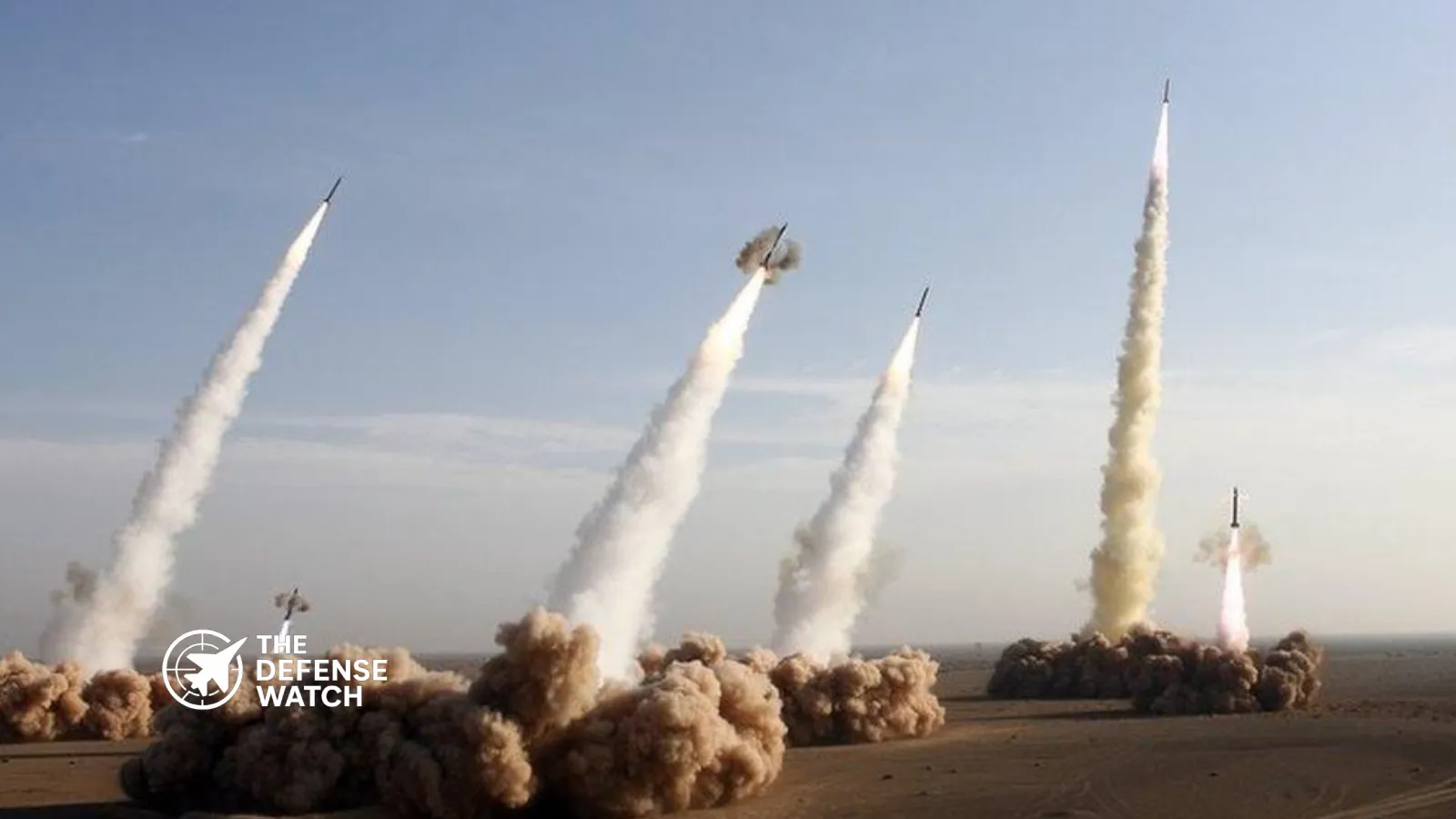
- ► United Kingdom joins European initiative focused on low cost air defence weapons.
- ► Effort aims to counter mass drone attacks and cheaper cruise missile threats.
- ► Focus on scalable, affordable interceptors rather than high cost missile systems.
- ► Supports NATO wide efforts to strengthen layered air and missile defense.
- ► Reflects lessons from Ukraine conflict on cost imbalance in modern air warfare.
UK Low Cost Air Defence Weapons Initiative Gains Momentum
The UK low cost air defence weapons initiative is moving forward as London joins a wider European effort to develop affordable interceptors against drones and missile threats.
The United Kingdom has aligned itself with a European push to accelerate development of lower cost air defense systems designed to counter mass drone swarms and saturation attacks. The move reflects growing concern across NATO about the rising use of inexpensive unmanned systems in modern conflicts.
European governments are increasingly focused on closing what defense planners describe as a cost imbalance. In recent conflicts, including the war in Ukraine, relatively cheap drones and loitering munitions have forced defenders to rely on high cost surface to air missiles to intercept them. That exchange ratio is not sustainable over time.
The UK decision signals recognition that future air defense architecture must include scalable and affordable options.
Lessons From Ukraine Drive Policy Shift
The conflict in Ukraine has reshaped air and missile defense thinking across Europe. Both Russia and Ukraine have used large numbers of drones and cruise missiles in repeated strikes against infrastructure and military targets.
Intercepting a low cost drone with a multi million dollar missile presents an obvious economic challenge. Senior NATO officials have repeatedly warned that allies need more cost effective intercept solutions to handle persistent drone campaigns.
The UK low cost air defence weapons effort is directly tied to these lessons. Rather than relying solely on advanced systems such as long range missile batteries, the focus is on adding cheaper interceptors and complementary technologies that can engage slower, smaller aerial threats.
This does not replace high end systems. Instead, it reinforces a layered defense model.
Strengthening NATO’s Layered Air Defense
NATO’s integrated air and missile defense concept depends on multiple layers. High altitude ballistic missile defense, medium range systems, and short range air defense must work together.
The European initiative aims to strengthen the lower and middle tiers of that structure. These layers are critical for countering drones, loitering munitions, and certain cruise missiles.
The UK low cost air defence weapons participation suggests closer coordination with European partners on procurement and industrial development. Shared development could reduce unit costs, increase production capacity, and improve interoperability across allied forces.
Interoperability remains central. NATO air defense systems rely on shared data links and integrated command and control networks. Any new system must plug into existing architecture.
Industrial And Strategic Implications
For the United Kingdom, joining this push carries both military and industrial significance.
The UK defense sector has deep experience in missile development and air defense technologies. Expanding into affordable intercept solutions offers opportunities for domestic industry while supporting broader alliance needs.
It also aligns with ongoing UK modernization plans. London has committed to strengthening homeland defense and supporting NATO’s eastern flank. Affordable air defense capabilities could be deployed to protect bases, critical infrastructure, and expeditionary forces.
From a strategic standpoint, this move reflects a wider European reassessment of air defense priorities. For years, many European states reduced short range air defense inventories after the Cold War. The return of high intensity conflict in Europe has reversed that trend.
Addressing The Cost Imbalance
At its core, the UK low cost air defence weapons initiative seeks to solve a simple problem. Modern warfare has made it easier and cheaper to launch aerial attacks than to stop them.
Commercially derived drones can be adapted for military use at relatively low cost. State actors can also produce cruise missiles at scale. Defenders must respond without exhausting high value missile stocks.
Affordable interceptors, rapid production lines, and complementary systems such as electronic warfare and directed energy weapons are now central to air defense planning.
The UK’s decision to join this European effort signals that London sees the issue as long term rather than temporary.
Broader European Security Context
The initiative comes amid heightened security concerns across Europe. NATO members have increased defense spending and accelerated procurement programs since 2022.
European Union efforts such as joint procurement frameworks and collaborative defense projects have aimed to streamline acquisitions and reduce duplication. Although the UK is no longer an EU member, it continues to cooperate closely with European partners on defense.
Participation in a shared low cost air defense initiative strengthens that cooperation. It also reinforces NATO’s collective deterrence posture.
Outlook
Details on specific systems, funding levels, or timelines remain limited in public reporting. However, the policy direction is clear.
The UK low cost air defence weapons effort reflects a shift toward sustainable air defense models built around layered, affordable, and scalable capabilities.
If successfully implemented, it could help address one of the most pressing operational challenges facing NATO forces today: defending against large numbers of relatively cheap aerial threats without depleting strategic missile inventories.
Get real time update about this post category directly on your device, subscribe now.
