USS New Jersey Attack Submarine Returns To Strengthen Fleet Readiness
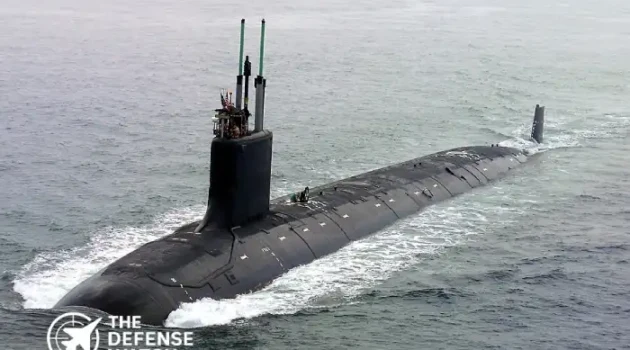
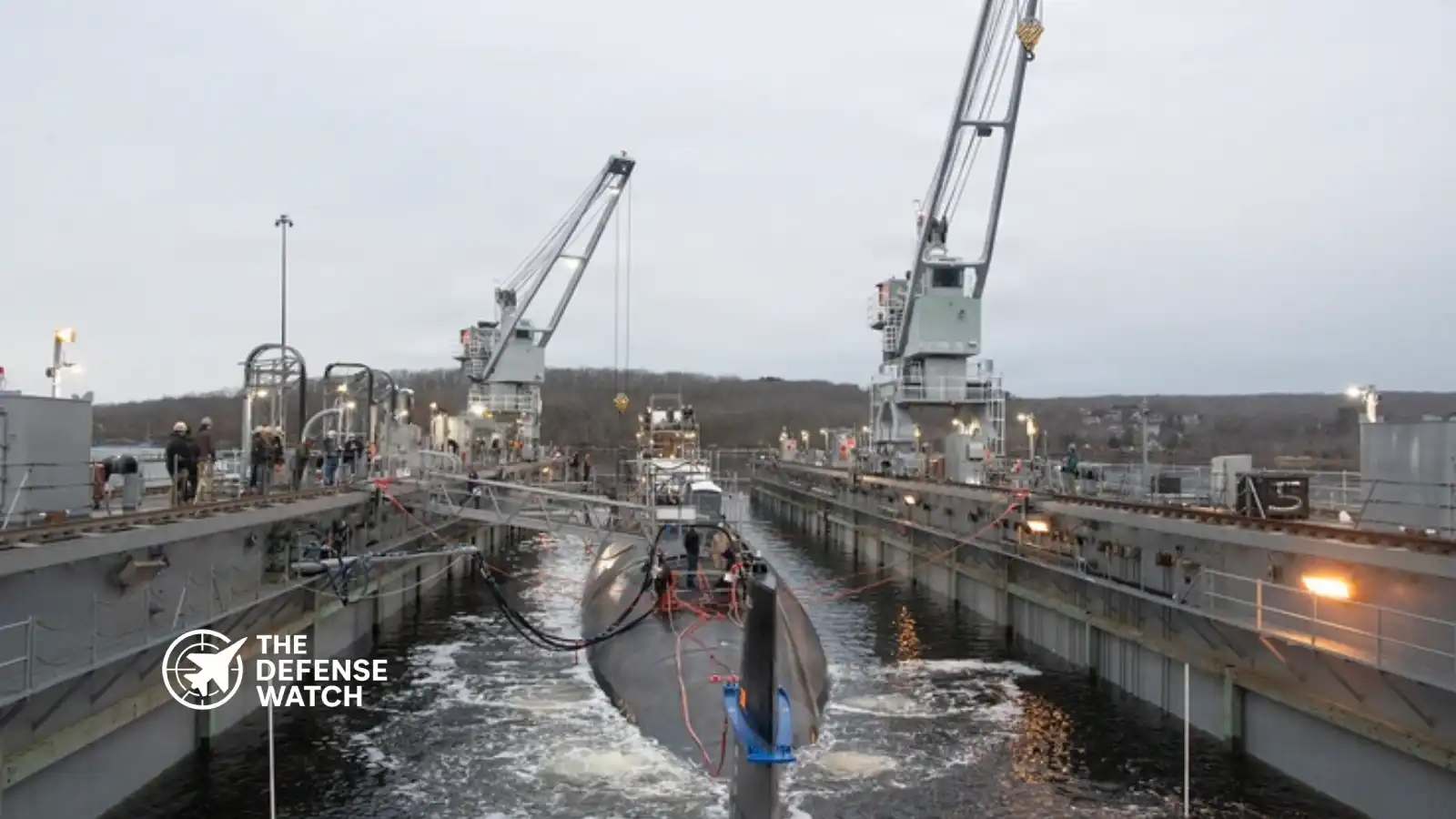
The USS New Jersey attack submarine has returned to operational service following a series of initial upgrades designed to improve sustained deployment capability. The move reflects ongoing efforts by the U.S. Navy to maintain a ready and modern undersea force amid evolving global threats.
The submarine, formally known as USS New Jersey (SSN-796), is part of the Virginia-class fleet, which forms the backbone of U.S. attack submarine operations. These platforms are tasked with intelligence gathering, anti-submarine warfare, strike missions, and special operations support.
Following its return, the vessel is expected to resume frontline duties, contributing to the Navy’s persistent undersea presence across key theaters.
- USS New Jersey has reentered service after completing initial upgrade work to improve long-term operational sustainability.
- The submarine is part of the Virginia-class, a key component of U.S. Navy undersea warfare strategy.
- Upgrades focused on maintenance readiness, system reliability, and deployment endurance.
- The move supports broader U.S. Navy efforts to maintain a high operational tempo amid global maritime competition.
- The submarine is expected to resume active fleet duties in support of forward presence and deterrence missions.
Upgrade Focus: Sustained Operations And Reliability
The recent work carried out on the USS New Jersey attack submarine focused primarily on improving long-term operational sustainability rather than introducing major new combat systems. This approach aligns with a broader trend within the Navy to prioritize readiness and availability across its fleet.
Initial upgrades included enhancements to onboard systems reliability, maintenance efficiency, and overall endurance during extended deployments. These improvements are critical for Virginia-class submarines, which are frequently deployed for prolonged missions far from home ports.
From an operational standpoint, reliability upgrades often deliver more immediate impact than new weapons integration. A submarine that can remain deployed longer with fewer maintenance interruptions directly increases mission availability and deterrence value.
Strategic Context: Sustaining Undersea Dominance
The return of the USS New Jersey attack submarine comes at a time when undersea competition is intensifying, particularly in regions such as the Indo-Pacific and North Atlantic. The U.S. Navy continues to face growing submarine fleets from near-peer competitors, placing pressure on fleet readiness rates.
Virginia-class submarines are central to maintaining undersea dominance. Their combination of stealth, advanced sensors, and strike capability makes them highly versatile assets across a wide range of missions.
However, fleet size alone does not determine effectiveness. Availability, maintenance cycles, and deployment readiness are equally decisive. By focusing on sustainment upgrades, the Navy is addressing a key vulnerability, ensuring that existing platforms remain mission capable at all times.
Operational Impact On Deployment Cycles
The reentry of the USS New Jersey attack submarine into service will contribute to easing pressure on deployment cycles. In recent years, the Navy has faced challenges related to maintenance backlogs and shipyard capacity constraints.
Each submarine returning to operational status helps distribute mission demands more evenly across the fleet. This reduces strain on other vessels and allows for more predictable deployment rotations.
In practical terms, this means improved presence in contested maritime regions, enhanced intelligence collection, and greater flexibility in responding to emerging threats.
Virginia-Class Role In Future Naval Strategy
The Virginia-class program remains one of the most important elements of U.S. naval modernization. Designed to replace older Los Angeles-class submarines, these vessels are built for multi-mission flexibility in both open ocean and littoral environments.
Future blocks of the Virginia class are expected to incorporate additional capabilities, including expanded strike capacity and enhanced sensor systems. However, maintaining the effectiveness of currently deployed submarines remains equally important.
The USS New Jersey attack submarine serves as a clear example of how incremental upgrades can extend operational value without requiring entirely new platforms.
Analysis: Readiness Over Expansion
The return of the USS New Jersey highlights a subtle but important shift in naval priorities. While procurement of new submarines continues, there is increasing emphasis on maximizing the performance of existing assets.
This reflects practical constraints, including industrial base limitations and rising costs associated with new ship construction. As a result, sustainment and modernization efforts are becoming a central pillar of naval strategy.
From a defense planning perspective, this approach offers several advantages. It delivers faster results, reduces risk, and ensures that current capabilities remain credible in the near term.
At the same time, it underscores the importance of maintenance infrastructure and workforce capacity, areas that have historically faced challenges within the U.S. naval enterprise.
Get real time update about this post category directly on your device, subscribe now.