

Takeaways
The U.S. Navy awarded General Dynamics Electric Boat a $99.29 million order for specialized parts, material and initial spares supporting Virginia-class submarines.
General Dynamics Receives $99.3 Million Virginia-Class Submarine Contract
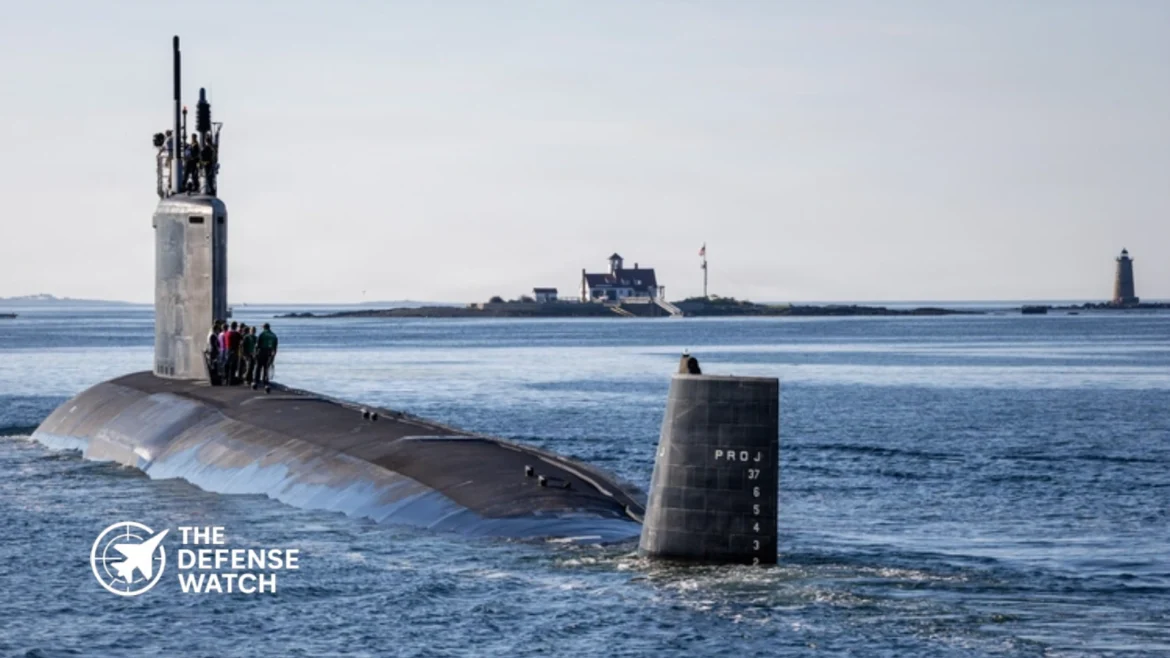
General Dynamics Electric Boat has received a $99.29 million Virginia-class submarine contract from the U.S. Navy for unique parts, specialized material and initial spares, reinforcing the supply requirements supporting the Navy’s nuclear-powered attack submarine fleet.
The not-to-exceed $99,291,152 cost-plus-fixed-fee undefinitized order was awarded September 11, 2026, against previously issued basic ordering agreement N00024-22-G-4304. Naval Sea Systems Command, Washington, D.C., is the contracting activity under order N00135-26-F-4315.
The award provides funding for material needed to support Virginia-class submarines. Work will be performed in Groton, Connecticut, and is expected to be completed by March 2029.
Contract Details
| Category | Details |
|---|---|
| Contractor | General Dynamics Electric Boat |
| Location | Groton, Connecticut |
| Contract value | Not-to-exceed $99,291,152 |
| Contract type | Cost-plus-fixed-fee undefinitized order |
| Ordering vehicle | N00024-22-G-4304 |
| Order number | N00135-26-F-4315 |
| Customer | U.S. Navy |
| Contracting activity | Naval Sea Systems Command |
| Scope | Unique parts, specialized material and initial spares |
| Award date | September 11, 2026 |
| Expected completion | March 2029 |
| Competition | Not competitively procured |
| Appropriation | Fiscal 2025 other procurement, Navy |
What the Navy Is Buying
The order is focused on material rather than the construction of an entire submarine.
According to the award description, Electric Boat will provide unique parts and specialized material, including initial spares, for Virginia-class submarines. The announcement does not identify individual components, quantities or submarine hull numbers covered by the order.
That distinction is important because Virginia-class submarines contain a large number of specialized systems and components that must be supported throughout construction, outfitting and fleet operations.
The Navy’s broader Virginia-class procurement also relies on specialized equipment and long-lead material. The Navy’s fiscal 2025 budget documentation, for example, identified funding for critical spare materials and long-lead procurement intended to support the submarine production cadence and the supplier base.
Why Initial Spares Matter to Virginia-Class Submarines
Initial spares are part of the broader logistics package required to introduce and sustain complex military platforms.
For a nuclear-powered attack submarine, parts availability has implications beyond routine maintenance. Specialized components can have limited sources, lengthy manufacturing processes, unique qualification requirements or tightly controlled technical specifications.
The Virginia class was designed with modular construction, open architecture and commercial off-the-shelf components in selected areas to support technology insertion and lifecycle modernization. The Navy says the class is intended to accommodate new systems and payloads over its operational life.
The new order therefore represents one part of the material pipeline supporting the class rather than a standalone modernization program.
Electric Boat and the Virginia-Class Production Base
General Dynamics Electric Boat is the prime shipbuilder for the Virginia class and works with Huntington Ingalls Industries’ Newport News Shipbuilding in the program’s construction arrangement.
The Navy said in April 2025 that it had 24 Virginia-class submarines delivered and another 16 under contract following an award for two additional submarines.
The Virginia class remains central to the Navy’s attack submarine force. Navy specifications describe the submarines as multi-mission platforms with capabilities for undersea warfare, surveillance, special operations and strike missions. Later Virginia-class boats equipped with the Virginia Payload Module also have substantially increased payload capacity.
The Broader Industrial Challenge
The parts order arrives against a difficult production environment for the U.S. submarine industrial base.
The Government Accountability Office has reported that demand for nuclear-powered submarines has exceeded the infrastructure and workforce capacity of Electric Boat and Newport News Shipbuilding, the two U.S. shipbuilders producing nuclear-powered submarines. GAO has also identified supplier delays and shortages of experienced workers as factors affecting Virginia-class construction.
A 2026 GAO assessment found that Virginia-class construction was proceeding at roughly one submarine per year as of June 2025, compared with the Navy’s goal of two per year. The two Virginia-class submarines delivered in 2025 were also more than three years late, according to GAO.
Those findings provide important context for material orders such as the September 2026 award. Increasing submarine output requires not only additional shipyard capacity but also dependable access to specialized components, materials and qualified suppliers.
The Importance of the Sole-Source Procurement
The Navy stated that the order was not competitively procured under 10 U.S. Code 3204(a)(1) because it determined that only one responsible source could satisfy the requirement.
This approach is not unusual for highly specialized submarine components. Previous Virginia-class material orders issued against the same basic ordering agreement have also been awarded to Electric Boat on a noncompetitive basis. For example, the Navy awarded a $243.8 million order in September 2024 for unique parts and specialized material, including initial spares, under the same BOA.
The same ordering vehicle has therefore been used repeatedly to support Virginia-class material requirements.
In practical acquisition terms, sole-source procurement can reflect the technical specificity of a component, established design ownership, qualification requirements or the need to maintain compatibility with an existing submarine design. The September 11 announcement itself does not provide a component-level explanation for why each item requires Electric Boat as the source.
Cost-Plus-Fixed-Fee and Undefinitized Order Structure
The new award is structured as a cost-plus-fixed-fee undefinitized order.
Unlike a conventional firm-fixed-price contract, a cost-plus-fixed-fee arrangement reimburses allowable costs while providing the contractor with a negotiated fixed fee. The undefinitized structure allows work to proceed before all contractual terms, specifications or prices have been fully finalized.
This structure can be useful when the government has an immediate requirement but the complete scope cannot yet be definitively established.
The award is capped at $99.29 million, and the full amount was obligated at award using fiscal 2025 other procurement, Navy funding. The funds will not expire at the end of the current fiscal year, according to the award information.
Virginia-Class Payload and Mission Context
The material order ultimately supports a submarine class designed around sustained multi-mission operations.
Current Navy information lists Virginia-class characteristics including a submerged displacement of approximately 7,800 tons for earlier configurations and approximately 10,200 tons for boats equipped with the Virginia Payload Module. The VPM adds four large payload tubes, each capable of carrying seven Tomahawk cruise missiles, for a potential addition of 28 missiles.
The larger Block V configuration reflects the evolution of the class beyond its original design.
That evolution increases the importance of a reliable industrial and logistics base because new configurations can introduce additional material requirements alongside the continuing need to support earlier boats.
The Navy’s budget documents have also identified critical spare materials and long-lead procurement as elements of the Virginia-class supply chain.
What the $99.3 Million Award Does Not Include
The award should not be interpreted as a $99.3 million contract to build a new Virginia-class submarine.
The announced scope is specifically for unique parts and specialized material, including initial spares. It does not disclose a new submarine construction award, a new weapons package or a new combat-system development program.
Likewise, the announcement does not provide quantities for the individual parts or identify the specific submarine hulls that will consume the material.
Those distinctions are important when assessing the value and purpose of the contract.
Strategic Context for the U.S. Submarine Fleet
Virginia-class submarines form an important part of the Navy’s undersea force at a time when the service is attempting to increase nuclear submarine production and sustain existing fleet availability.
The challenge is broader than shipyard assembly. Nuclear submarine production depends on a network of specialized manufacturers, skilled workers, certified processes and long-lead components.
GAO has repeatedly identified these industrial-base constraints. Its 2025 review found that the Navy’s planned production goals were exceeding the demonstrated capacity of the nuclear submarine industrial base, while its 2026 reporting continued to identify Virginia-class construction delays and material and workforce challenges.
Against that background, the September 2026 Electric Boat award represents a sustainment and supply action within the wider effort to maintain Virginia-class production and fleet support.
What Happens Next
Electric Boat is expected to perform the work in Groton through March 2029.
The Navy has not publicly disclosed the specific parts, quantities or individual submarines associated with the $99.29 million order. Further contract modifications or detailed procurement records could provide additional information as the order is definitized and executed.
For now, the award confirms continued Navy spending on the specialized material and initial spares needed to support the Virginia-class submarine program.
The contract also illustrates a less visible part of submarine modernization: maintaining the industrial and logistics infrastructure required to turn planned submarine production into deployable fleet capability.

Executive Summary:
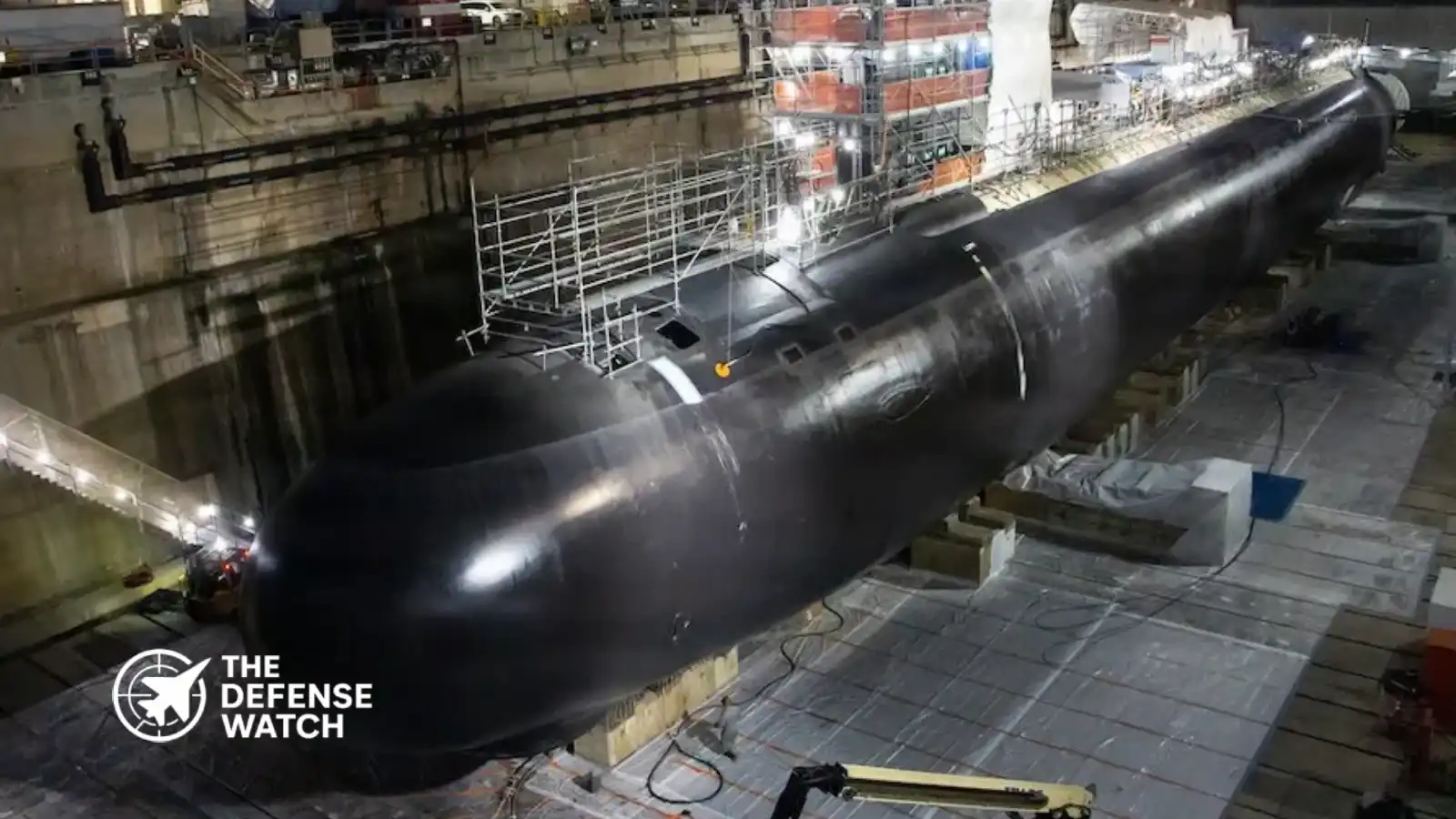
Australia has confirmed it will acquire three in-service U.S. Navy Virginia-class nuclear-powered attack submarines under a revised AUKUS acquisition framework announced on May 31, 2026. The change replaces an earlier plan that included a newly built submarine and is intended to simplify fleet management, training, maintenance requirements, and long-term sustainment while reducing program complexity.
Australia Revises AUKUS Virginia-Class Submarine Acquisition Plan
Australia will purchase three used Virginia-class submarines from the United States under a revised AUKUS pathway that reflects growing emphasis on fleet standardization and operational simplicity.
The announcement was made during the IISS Shangri-La Dialogue in Singapore, where Australian Deputy Prime Minister and Defence Minister Richard Marles outlined the updated approach alongside broader AUKUS discussions involving the United States and the United Kingdom. According to the joint trilateral statement, the revised acquisition model is intended to streamline supply chains, reduce maintenance complexity, and improve cost efficiency across the program.
Under the original AUKUS framework unveiled in 2021, Australia was expected to receive at least two used Virginia-class submarines and one newly constructed vessel from U.S. production lines. The revised plan eliminates the new-build component and instead focuses on acquiring three submarines from the same production block.
Marles described the change as a practical effort to reduce the burden of operating multiple submarine variants simultaneously.
Why Canberra Is Pursuing A Simpler Fleet Structure
A central challenge facing Australia’s submarine transition strategy has been managing overlapping generations of undersea platforms.
Without changes to the acquisition model, the Royal Australian Navy could have been required to operate:
Planned Fleet Elements Status Collins-class submarines Existing fleet undergoing life-extension Used Virginia-class submarines Transitional AUKUS capability New-build Virginia-class submarine Originally planned acquisition SSN-AUKUS submarines Future long-term fleet According to Australian officials, managing four distinct submarine categories would have significantly increased training requirements, logistics demands, maintenance planning, spare parts inventories, and workforce specialization needs.
By receiving three submarines from the same Virginia-class production block, Australia expects to standardize crew training, sustainment procedures, and maintenance infrastructure.
The decision also aligns with broader efforts to prepare Australian industry and naval personnel for eventual operation of the future SSN-AUKUS design expected to enter service during the 2040s.
Industrial Constraints Continue To Shape AUKUS Outcomes
The revised arrangement also highlights ongoing pressure on the U.S. submarine industrial base.
American shipyards have struggled for several years to increase production rates for Virginia-class attack submarines while simultaneously supporting development of the Columbia-class ballistic missile submarine program. Defense analysts have repeatedly warned that production targets remain below levels required to satisfy both U.S. Navy force structure goals and AUKUS commitments.
Several Australian defense analysts argue that industrial realities may have influenced Washington’s willingness to transfer new-build submarines.
Dr. Malcolm Davis of the Australian Strategic Policy Institute noted that the United States must still determine whether sufficient submarine numbers will be available for transfer. Other analysts suggested that retaining newer submarines for U.S. Navy requirements remains a strategic priority amid rising Indo-Pacific tensions.
The decision therefore represents both a fleet simplification effort and a reflection of the production challenges confronting the U.S. naval shipbuilding sector.
Strategic Importance Of Virginia-Class Submarines
Despite being transferred as in-service vessels, the Virginia-class remains among the world’s most capable nuclear-powered attack submarine platforms.
Key capabilities include:
- Long-endurance nuclear propulsion
- Advanced acoustic stealth features
- Intelligence, surveillance, and reconnaissance missions
- Anti-submarine warfare operations
- Anti-surface warfare missions
- Special operations support
- Long-range strike capabilities through cruise missile deployment
The class has become a cornerstone of U.S. undersea power projection across the Indo-Pacific, Atlantic, and Middle East theaters.
For Australia, the acquisition provides an opportunity to establish a sovereign nuclear-powered submarine capability decades before domestic production of SSN-AUKUS vessels becomes available.
Operational Benefits And Trade-Offs
While the revised plan simplifies fleet management, analysts note that it also introduces operational compromises.
Unlike newly constructed submarines, transferred boats will already have accumulated operational service life before entering Australian service. This could shorten the overall period they remain available compared with new-build vessels.
Some defense experts argue that newer Virginia-class variants offer enhanced capabilities and lower maintenance demands than older boats. Others contend that the benefits of standardization outweigh the drawbacks, particularly during a complex transition to nuclear-powered submarine operations.
The debate reflects a broader strategic question facing AUKUS: whether capability delivery speed and program certainty should take precedence over acquiring the most advanced possible platforms.
What This Means For The Future Of AUKUS
The submarine pathway remains the most expensive and strategically significant component of AUKUS.
Beyond submarine acquisition, the partnership encompasses advanced technologies including autonomous systems, artificial intelligence, quantum technologies, cyber capabilities, and undersea warfare systems. During the Shangri-La Dialogue, AUKUS partners also highlighted new efforts focused on underwater autonomous platforms designed to protect critical seabed infrastructure and communication networks.
The revised submarine plan demonstrates that AUKUS continues to evolve in response to industrial realities and operational requirements.
From a U.S. perspective, helping Australia field nuclear-powered attack submarines strengthens allied undersea presence across the Indo-Pacific without requiring permanent expansion of American force structure.
For Canberra, the revised acquisition offers a more predictable transition path while preserving the long-term objective of operating domestically produced SSN-AUKUS submarines.
The broader strategic significance extends beyond fleet numbers. The agreement represents one of the deepest defense technology integration efforts ever undertaken among the United States, Australia, and the United Kingdom, with undersea warfare remaining a central element of allied deterrence strategy in the Indo-Pacific.
USS Idaho Officially Joins the Fleet
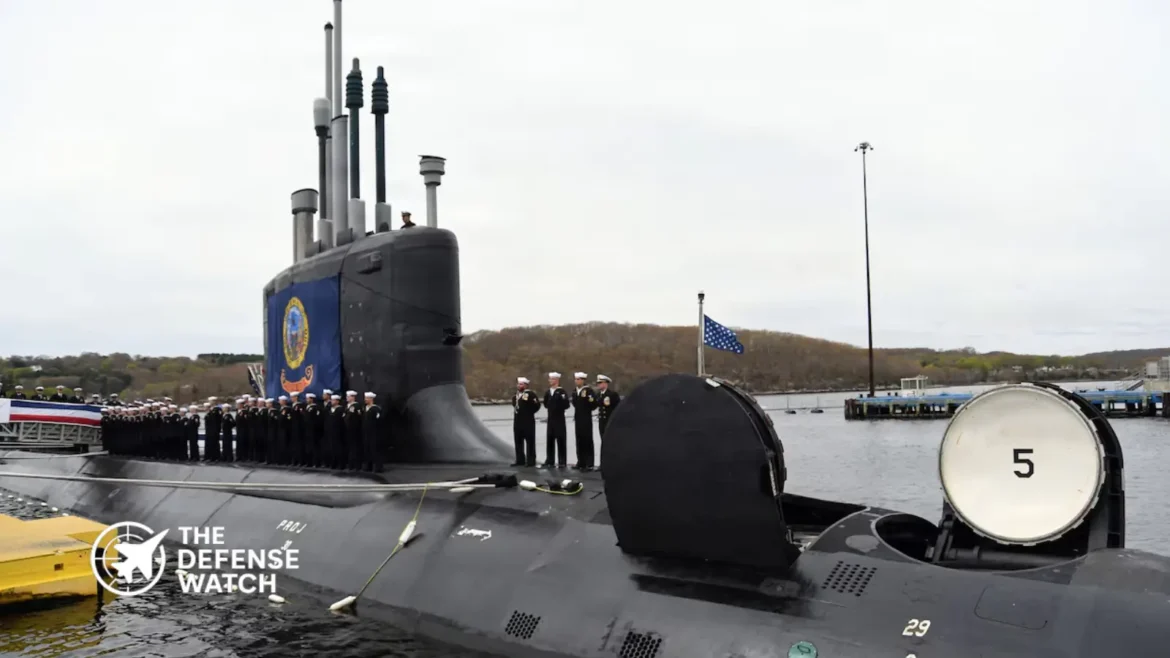
The USS Idaho submarine officially entered active U.S. Navy service during a commissioning ceremony at Naval Submarine Base New London in Groton, Connecticut, on April 25. The event marked the final step in a multi-year construction and testing process for one of America’s most important naval platforms.
USS Idaho (SSN 799) is the fifth U.S. Navy vessel to carry the name of the state of Idaho. Its predecessor was the battleship USS Idaho (BB-42), which earned seven battle stars during World War II.
- The U.S. Navy commissioned USS Idaho (SSN 799) on April 25, 2026, in Groton, Connecticut.
- USS Idaho is the 26th Virginia-class fast-attack submarine delivered to the Navy.
- The boat is the eighth submarine built to the advanced Block IV configuration.
- The submarine was jointly produced by General Dynamics Electric Boat and HII Newport News Shipbuilding.
- Virginia-class boats support anti-submarine warfare, intelligence collection, strike missions, and special operations.
The ship’s sponsor, Teresa Stackley, gave the traditional order to man our ship and bring her to life, after which the crew ceremonially boarded the submarine. Acting Secretary of the Navy Hung Cao formally placed the vessel into service.
Why USS Idaho Matters
The arrival of USS Idaho comes at a time when the United States is placing renewed emphasis on undersea deterrence and naval competition. Fast-attack submarines remain among the Navy’s most survivable and flexible assets, particularly in contested regions such as the Indo-Pacific and North Atlantic.
Virginia-class submarines are designed for multiple mission sets, including:
- Anti-submarine warfare
- Anti-surface warfare
- Intelligence, surveillance, and reconnaissance
- Land attack missions using cruise missiles
- Special operations support
That versatility gives commanders options short of deploying larger surface combatants or aircraft carriers. In modern conflict scenarios, submarines can often operate with lower visibility and greater persistence.
USS Idaho Specifications
USS Idaho is the 26th Virginia-class submarine and the eighth Block IV variant. According to the Navy, the submarine displaces about 7,800 tons, measures 377 feet long, and has a beam of 34 feet. It is powered by a nuclear reactor designed to last the planned service life of the vessel without refueling.
The Block IV design focuses heavily on reducing maintenance time and increasing deployment availability. That matters because submarine demand has consistently exceeded supply in several global theaters.
Industrial Base and Production Signal
USS Idaho was built through the long-running teaming arrangement between General Dynamics Electric Boat and HII Newport News Shipbuilding. The program remains central to sustaining the U.S. submarine industrial base while production also shifts toward the future Columbia-class ballistic missile submarine.
Commissioning another Virginia-class hull sends a wider signal that the Navy is trying to balance current readiness with long-term modernization, despite workforce and supply chain pressure across U.S. shipyards.
Strategic Outlook
The addition of USS Idaho strengthens a fleet that remains one of Washington’s most decisive military advantages. While surface fleets draw more public attention, submarines often carry the highest strategic value because of stealth, endurance, and strike reach.
As competition with China and Russia continues below the surface, new Virginia-class boats like USS Idaho are likely to remain in high demand for years ahead.
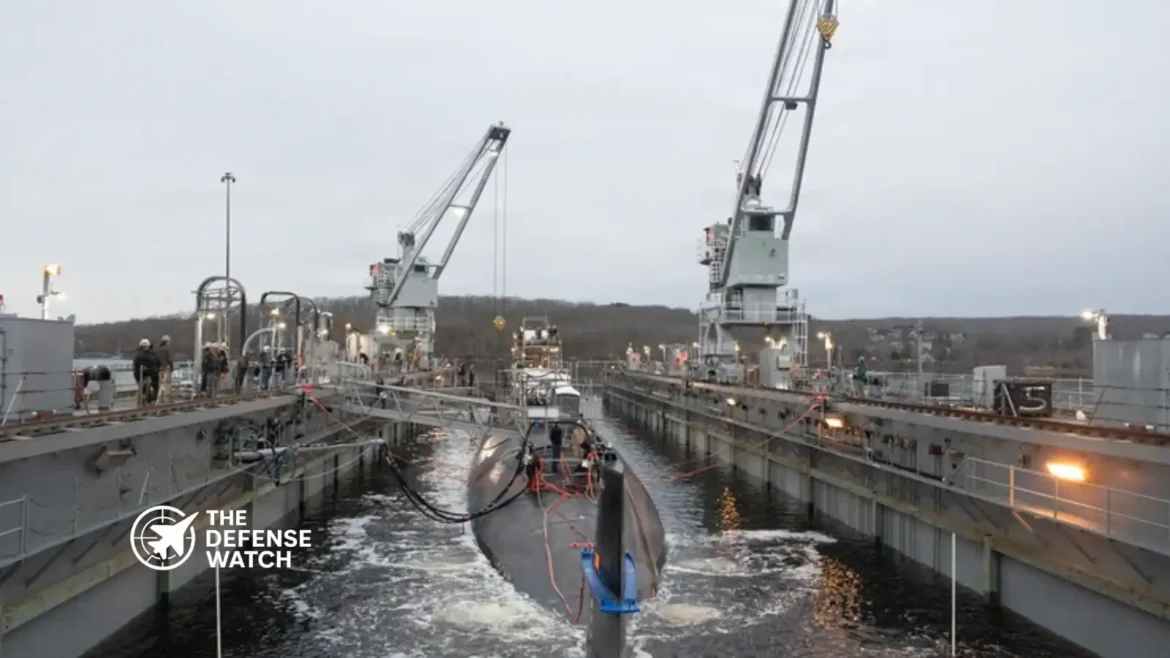
USS New Jersey Attack Submarine Returns To Strengthen Fleet Readiness
The USS New Jersey attack submarine has returned to operational service following a series of initial upgrades designed to improve sustained deployment capability. The move reflects ongoing efforts by the U.S. Navy to maintain a ready and modern undersea force amid evolving global threats.
The submarine, formally known as USS New Jersey (SSN-796), is part of the Virginia-class fleet, which forms the backbone of U.S. attack submarine operations. These platforms are tasked with intelligence gathering, anti-submarine warfare, strike missions, and special operations support.
Following its return, the vessel is expected to resume frontline duties, contributing to the Navy’s persistent undersea presence across key theaters.
- USS New Jersey has reentered service after completing initial upgrade work to improve long-term operational sustainability.
- The submarine is part of the Virginia-class, a key component of U.S. Navy undersea warfare strategy.
- Upgrades focused on maintenance readiness, system reliability, and deployment endurance.
- The move supports broader U.S. Navy efforts to maintain a high operational tempo amid global maritime competition.
- The submarine is expected to resume active fleet duties in support of forward presence and deterrence missions.
Upgrade Focus: Sustained Operations And Reliability
The recent work carried out on the USS New Jersey attack submarine focused primarily on improving long-term operational sustainability rather than introducing major new combat systems. This approach aligns with a broader trend within the Navy to prioritize readiness and availability across its fleet.
Initial upgrades included enhancements to onboard systems reliability, maintenance efficiency, and overall endurance during extended deployments. These improvements are critical for Virginia-class submarines, which are frequently deployed for prolonged missions far from home ports.
From an operational standpoint, reliability upgrades often deliver more immediate impact than new weapons integration. A submarine that can remain deployed longer with fewer maintenance interruptions directly increases mission availability and deterrence value.
Strategic Context: Sustaining Undersea Dominance
The return of the USS New Jersey attack submarine comes at a time when undersea competition is intensifying, particularly in regions such as the Indo-Pacific and North Atlantic. The U.S. Navy continues to face growing submarine fleets from near-peer competitors, placing pressure on fleet readiness rates.
Virginia-class submarines are central to maintaining undersea dominance. Their combination of stealth, advanced sensors, and strike capability makes them highly versatile assets across a wide range of missions.
However, fleet size alone does not determine effectiveness. Availability, maintenance cycles, and deployment readiness are equally decisive. By focusing on sustainment upgrades, the Navy is addressing a key vulnerability, ensuring that existing platforms remain mission capable at all times.
Operational Impact On Deployment Cycles
The reentry of the USS New Jersey attack submarine into service will contribute to easing pressure on deployment cycles. In recent years, the Navy has faced challenges related to maintenance backlogs and shipyard capacity constraints.
Each submarine returning to operational status helps distribute mission demands more evenly across the fleet. This reduces strain on other vessels and allows for more predictable deployment rotations.
In practical terms, this means improved presence in contested maritime regions, enhanced intelligence collection, and greater flexibility in responding to emerging threats.
Virginia-Class Role In Future Naval Strategy
The Virginia-class program remains one of the most important elements of U.S. naval modernization. Designed to replace older Los Angeles-class submarines, these vessels are built for multi-mission flexibility in both open ocean and littoral environments.
Future blocks of the Virginia class are expected to incorporate additional capabilities, including expanded strike capacity and enhanced sensor systems. However, maintaining the effectiveness of currently deployed submarines remains equally important.
The USS New Jersey attack submarine serves as a clear example of how incremental upgrades can extend operational value without requiring entirely new platforms.
Analysis: Readiness Over Expansion
The return of the USS New Jersey highlights a subtle but important shift in naval priorities. While procurement of new submarines continues, there is increasing emphasis on maximizing the performance of existing assets.
This reflects practical constraints, including industrial base limitations and rising costs associated with new ship construction. As a result, sustainment and modernization efforts are becoming a central pillar of naval strategy.
From a defense planning perspective, this approach offers several advantages. It delivers faster results, reduces risk, and ensures that current capabilities remain credible in the near term.
At the same time, it underscores the importance of maintenance infrastructure and workforce capacity, areas that have historically faced challenges within the U.S. naval enterprise.
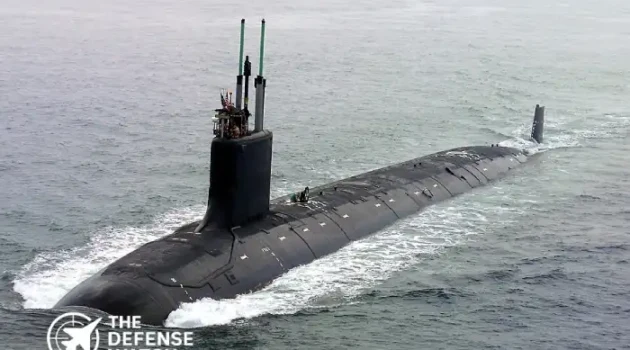
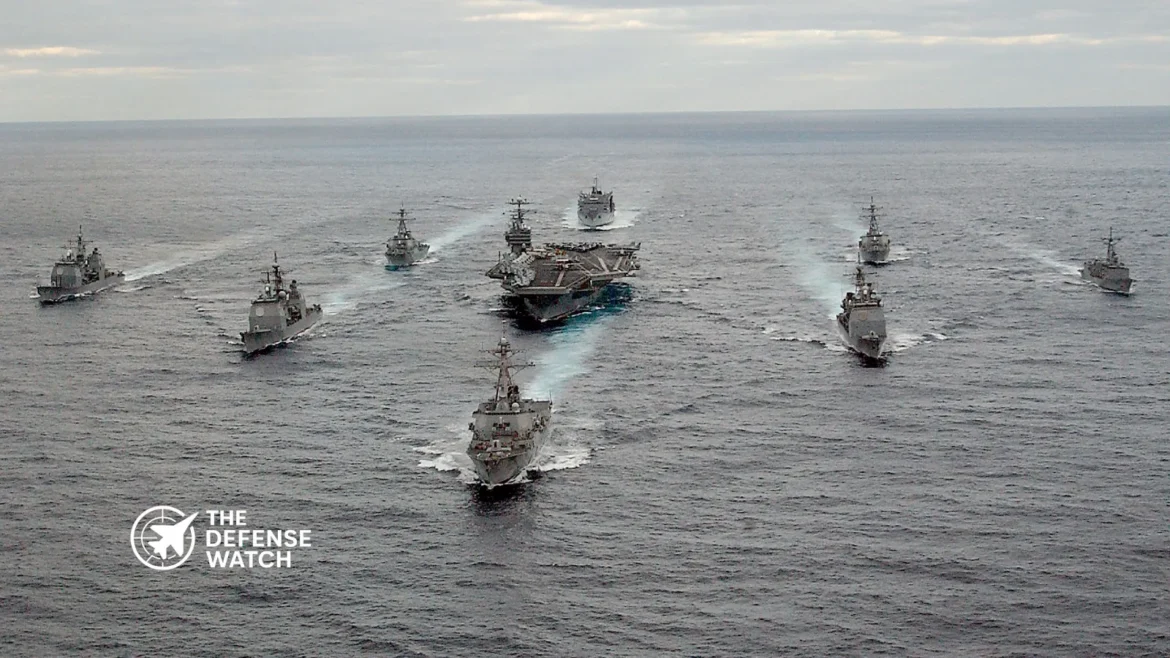
USS Idaho Virginia-Class Submarine Set For April 2026 Commissioning
The USS Idaho Virginia-Class submarine will be commissioned into the U.S. Navy in April 2026, marking another step forward in the service’s undersea modernization strategy.
(adsbygoogle = window.adsbygoogle || []).push({});According to reporting from U.S. Navy and defense industry sources, the vessel represents the eighth Block IV boat delivered under the Virginia-Class production program. The commissioning ceremony formalizes its entry into operational service following construction, sea trials, and delivery.
The Virginia-Class remains the backbone of America’s fast-attack submarine force, designed to perform a broad range of missions including anti-submarine warfare, anti-surface warfare, intelligence collection, and precision strike operations.
A Key Addition To The Virginia-Class Fleet
The future USS Idaho is part of the broader Virginia-class submarine program, which has steadily replaced aging Los Angeles-class submarines in the U.S. inventory.
Block IV submarines were specifically designed to reduce lifecycle maintenance requirements. Compared to earlier blocks, Block IV boats are built to deploy more frequently with fewer major maintenance periods over their service life. The design reduces the number of depot maintenance availabilities from four to three, increasing operational availability.
(adsbygoogle = window.adsbygoogle || []).push({});This improvement is central to the Navy’s strategy of sustaining undersea force levels as older submarines retire faster than new hulls are delivered.
Construction And Industrial Base
USS Idaho was built through the long-standing teaming arrangement between General Dynamics Electric Boat and Huntington Ingalls Industries Newport News Shipbuilding. The two shipyards jointly produce Virginia-Class submarines under a split-construction model, which distributes major modules between facilities before final assembly.
This cooperative production framework has been a cornerstone of U.S. submarine industrial capacity for decades. It also supports workforce stability and supplier networks critical to maintaining submarine output.
The Virginia program continues at a time when the industrial base faces increasing demand, including production of the forthcoming Columbia-Class ballistic missile submarines and commitments under the AUKUS security partnership.
Block IV Capabilities And Mission Set
As a Block IV submarine, USS Idaho integrates the mature combat systems and payload flexibility that define the class.
Virginia-Class submarines are equipped with advanced sonar arrays, photonics masts in place of traditional periscopes, and enhanced stealth characteristics. Their modular construction enables adaptability across multiple mission profiles.
A key capability includes the launch of the Tomahawk cruise missile, providing long-range precision strike options against land targets. The boats also deploy heavyweight torpedoes for anti-submarine and anti-surface warfare.
(adsbygoogle = window.adsbygoogle || []).push({});Additionally, Virginia-Class submarines support special operations forces through lock-in and lock-out chambers and can conduct intelligence, surveillance, and reconnaissance missions in contested maritime environments.
The Block IV design focuses less on new hardware compared to Block III and more on sustainment efficiency. The result is greater operational availability over the submarine’s projected 33-year service life.
Strategic Context: Undersea Competition Intensifies
The commissioning of USS Idaho comes amid intensifying undersea competition globally. Peer adversaries continue to modernize their submarine fleets, expand naval presence, and invest in anti-access and area denial systems.
The U.S. Navy has repeatedly emphasized the importance of maintaining a credible and survivable undersea force. Attack submarines remain among the most survivable assets in the U.S. arsenal due to their stealth and endurance.
Senior Navy leadership has stated in posture hearings and strategic guidance documents that submarine demand from combatant commanders consistently exceeds supply. The commissioning of each new Virginia-Class boat therefore carries operational significance beyond symbolic fleet growth.
Fleet Structure And Force Goals
The Navy’s long-term force structure plans call for a robust mix of attack submarines and ballistic missile submarines. However, the service faces a projected attack submarine shortfall in the coming decade as older Los Angeles-class boats retire faster than Virginia-Class replacements can be delivered.
Block IV submarines such as USS Idaho help mitigate this gap by maximizing deployable time per hull. The increased deployment ratio allows the Navy to generate more operational presence without proportionally increasing fleet size.
(adsbygoogle = window.adsbygoogle || []).push({});Future blocks, including Block V variants with the Virginia Payload Module, will further expand strike capacity. Block IV boats remain essential transitional assets bridging current force levels and next-generation enhancements.
Industrial And Budget Considerations
Submarine procurement remains one of the most resource-intensive components of the Navy’s shipbuilding budget. Maintaining steady production rates is considered critical to preserving skilled labor and supplier chains.
Congress has consistently supported Virginia-Class funding in recent defense authorization acts. Lawmakers frequently cite the program’s strategic importance and its role in maintaining U.S. technological advantage in undersea warfare.
The April 2026 commissioning of USS Idaho reflects both program continuity and the Navy’s broader modernization trajectory.
What Commissioning Means
Commissioning is the formal ceremony that places a ship or submarine into active service. Upon commissioning, the crew assumes full responsibility for operating the vessel as a commissioned unit of the fleet.
(adsbygoogle = window.adsbygoogle || []).push({});For USS Idaho, this milestone follows sea trials that validate propulsion systems, combat systems, and operational readiness.
Once commissioned, the submarine will join the active fleet and begin workups before deployment cycles under U.S. Fleet Forces or Pacific Fleet command structures, depending on assignment.
Strengthening U.S. Undersea Readiness
The addition of USS Idaho reinforces the steady expansion of the Virginia-Class force, which remains central to U.S. maritime strategy.
(adsbygoogle = window.adsbygoogle || []).push({});While individual submarine deliveries may appear incremental, each hull contributes to sustained deterrence, global presence, and operational flexibility. In a maritime environment defined by stealth competition and long-range strike capabilities, fast-attack submarines remain among the most strategically valuable assets in the U.S. arsenal.
As the Navy continues to balance modernization priorities with industrial capacity constraints, the commissioning of USS Idaho represents both continuity and commitment to maintaining undersea superiority.
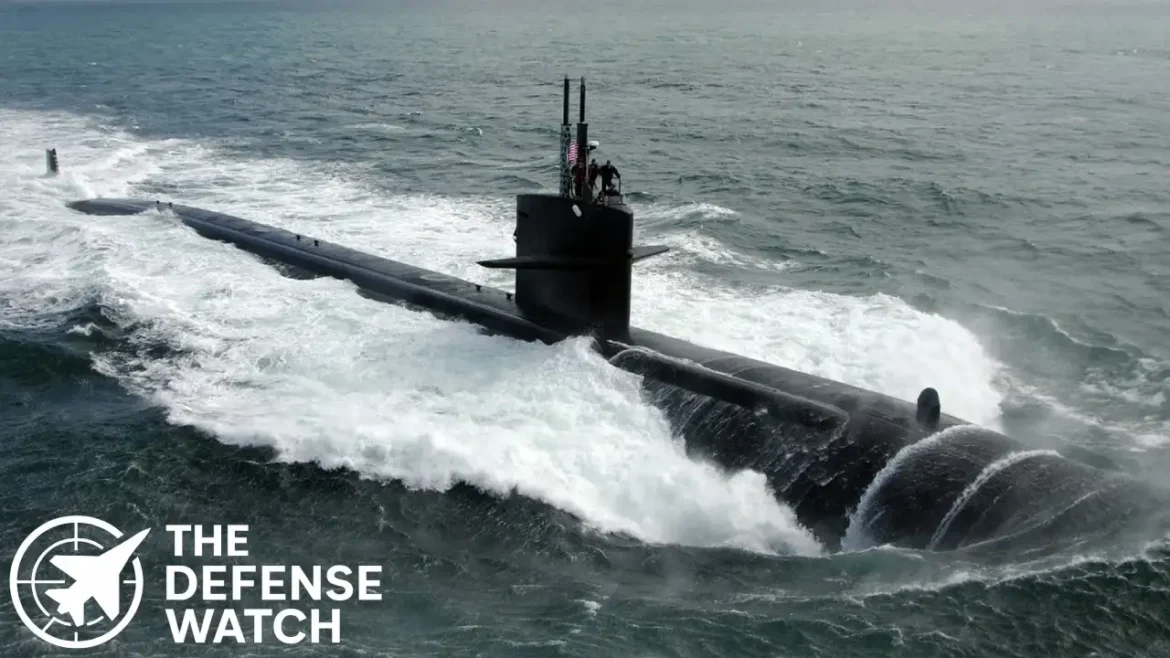
Nuclear Submarines at the Core of Naval Power
Nuclear submarines are among the most formidable assets in the U.S. Navy’s arsenal, combining stealth, endurance, and strategic firepower. These vessels operate undetected for months beneath the ocean’s surface, ensuring America’s ability to project power globally and maintain a credible deterrent. In modern naval strategy, U.S. nuclear submarines are both a shield and a sword—capable of launching nuclear strikes, gathering intelligence, and hunting adversary vessels with silent precision.
The Two Pillars: SSBNs and SSNs
The U.S. Navy operates two distinct types of nuclear-powered submarines:
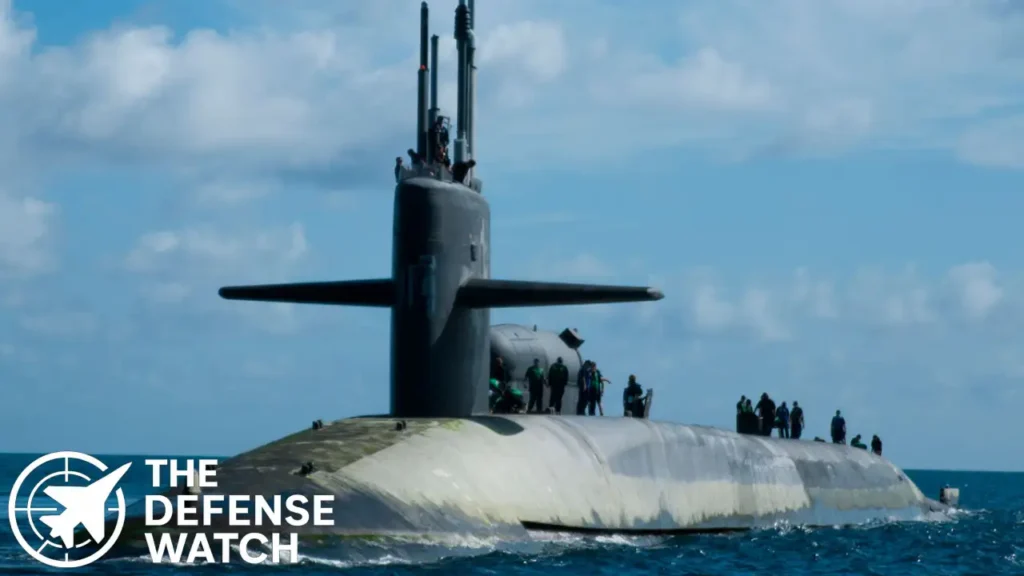
Ballistic Missile Submarines (SSBNs) – Known as “boomers,” these vessels form the undersea leg of the U.S. nuclear triad. Ohio-class SSBNs, armed with Trident II D5 ballistic missiles, ensure a survivable second-strike capability. Even if U.S. land-based silos or bombers were neutralized, SSBNs hidden deep at sea could deliver a decisive response.
Attack Submarines (SSNs) – These submarines, such as the Virginia-class and the legacy Los Angeles-class, are designed to hunt enemy ships, conduct intelligence missions, and support special operations. Nuclear propulsion gives them unmatched endurance and speed, making them a permanent presence in contested waters like the South China Sea or the Arctic.
Ohio-Class: The Backbone of Deterrence
Commissioned in the 1980s, the Ohio-class remains the cornerstone of U.S. strategic deterrence. Each carries up to 20 Trident II D5 ballistic missiles with multiple warheads, capable of striking targets thousands of miles away. Despite being over 40 years old, the class remains formidable thanks to continuous modernization. Plans are underway to gradually replace them with the Columbia-class in the early 2030s, ensuring continuity of deterrence.
Virginia-Class: The Silent Hunter
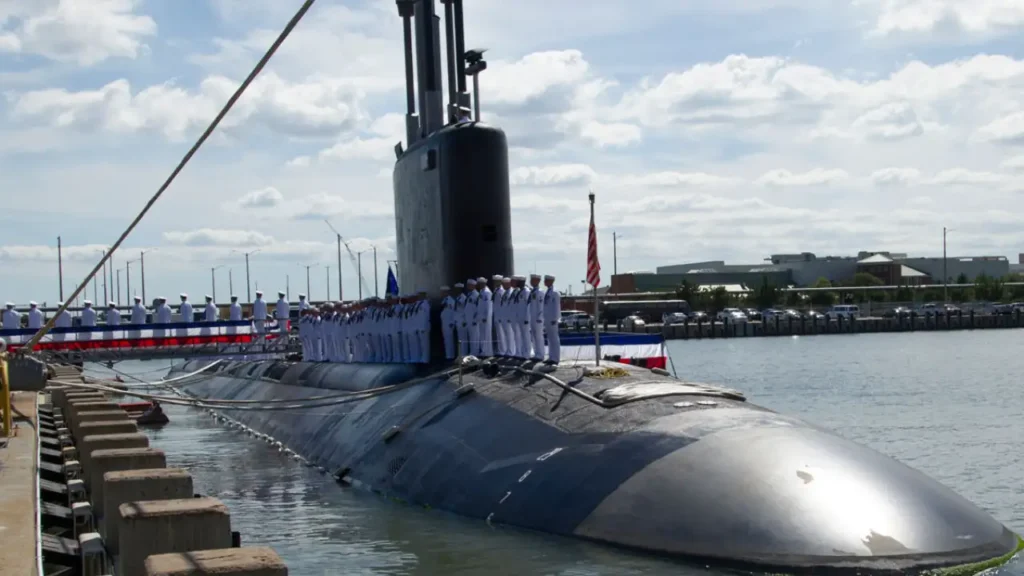
The Virginia-class represents the cutting edge of U.S. submarine technology. Equipped with advanced sonar, photonic masts (instead of traditional periscopes), and cruise missiles, these boats provide unmatched versatility. They support strike operations with Tomahawk land-attack missiles, covert surveillance, and undersea warfare. New Block V variants feature the Virginia Payload Module, expanding missile capacity to replace some of the capabilities of retiring Ohio-class guided-missile submarines (SSGNs).
Nuclear Power: The Endless Endurance Advantage
Unlike diesel-electric submarines, which require frequent surfacing to recharge batteries, nuclear-powered submarines can remain submerged indefinitely—limited only by crew endurance and food supplies. This ability allows U.S. submarines to operate undetected for months at a time, ensuring persistent presence in strategic regions without vulnerability to air or surface detection.
Global Role in Modern Strategy
Nuclear submarines are central to America’s deterrence and maritime dominance. In a potential conflict with near-peer adversaries like China or Russia, SSNs would play a critical role in countering hostile naval forces, protecting sea lanes, and denying adversaries freedom of movement. At the same time, SSBNs maintain nuclear stability by ensuring adversaries cannot risk a first strike without fear of devastating retaliation.
Analysis: Why Silent Strength Still Matters
While much attention today focuses on drones, hypersonic weapons, and space warfare, the silent presence of nuclear submarines remains unmatched. They serve as the ultimate insurance policy in U.S. defense strategy. Even as advanced sensors and anti-submarine warfare (ASW) systems evolve, the combination of stealth, endurance, and nuclear firepower makes submarines the hardest platform to neutralize.
The upcoming Columbia-class SSBN and future SSN(X) attack submarine will carry forward this legacy, ensuring that beneath the surface of the world’s oceans, U.S. silent strength remains intact well into the 21st century.
Source: U.S. Navy – Submarine Warfare Division.
FAQs
SSBNs carry nuclear ballistic missiles for deterrence, while SSNs focus on attack missions, surveillance, and support operations.
They can remain submerged for several months, limited only by crew endurance and supplies.
The Columbia-class SSBNs are scheduled to begin replacing the Ohio-class in the 2030s.
While advances in anti-submarine warfare continue, U.S. submarines remain among the stealthiest and most survivable platforms.