
What Is an Air Defense System?
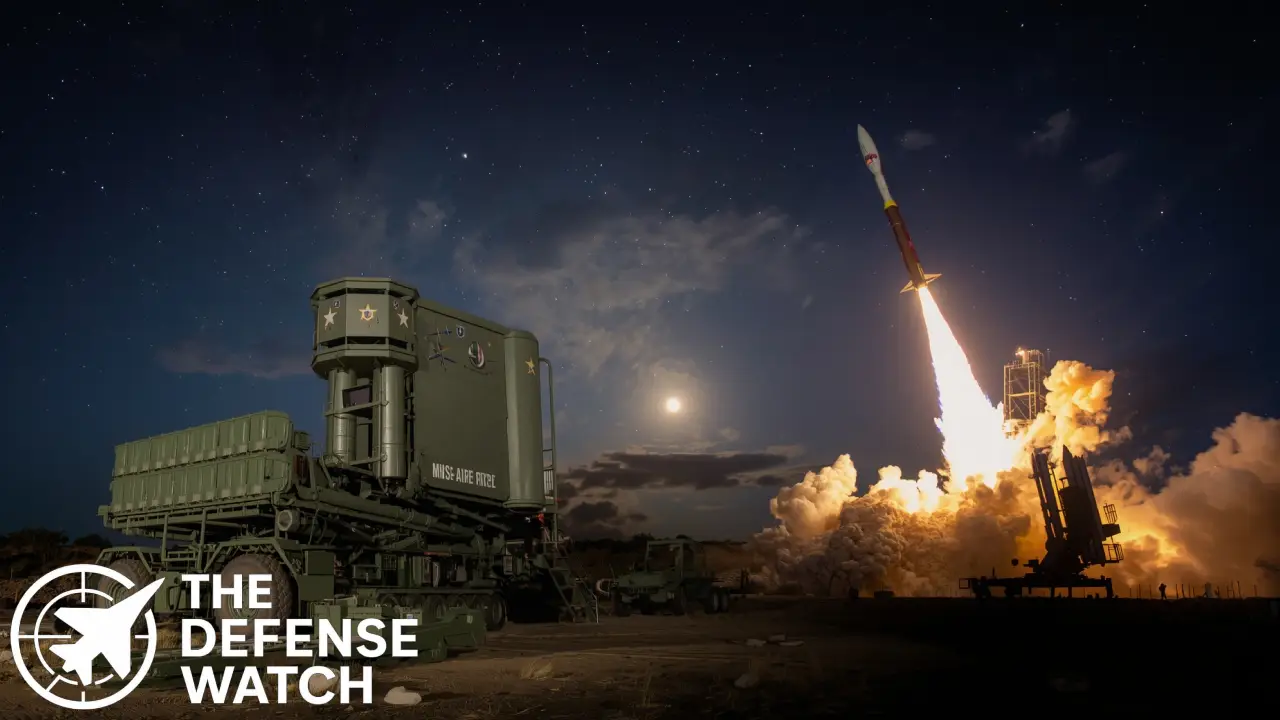
An air defense system is a network of radars, missile interceptors, anti-aircraft guns, and command centers designed to detect, track, and neutralize hostile aerial threats. These threats may include enemy aircraft, helicopters, drones, cruise missiles, or ballistic missiles. In modern warfare, air defense is no longer a secondary requirement—it is one of the primary layers of national defense.
Why Nations Need Air Defense Systems
The increasing reliance on drones, long-range missiles, and stealth aircraft has made air defense systems essential. Without them, military bases, cities, and critical infrastructure remain highly vulnerable to aerial strikes. From Ukraine’s urgent reliance on Western missile defenses to Israel’s Iron Dome protecting against rocket attacks, the strategic value of air defense has become evident in both conventional and hybrid warfare.
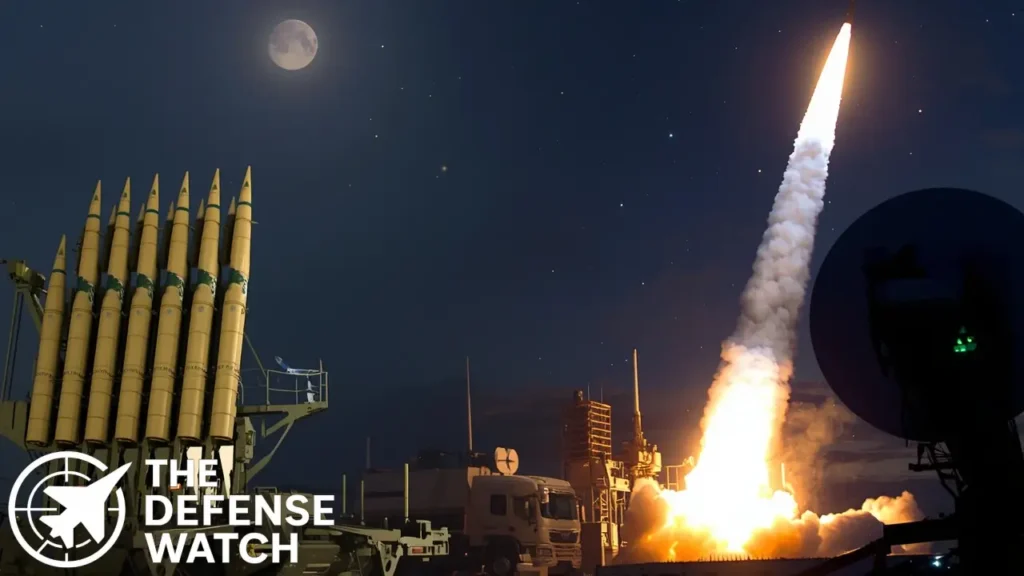
Modern conflicts highlight three key reasons why air defense is critical:
- Survivability – Protecting armed forces, command centers, and logistics.
- Deterrence – Strong air defense discourages adversaries from launching attacks.
- Strategic Depth – Ensures civilian protection and national resilience during war.
List of Major Air Defense Systems Worldwide
Several countries have developed advanced air defense technologies to protect against evolving threats. Below is a list of notable systems:
- Patriot Missile Defense System (USA) – Operated by multiple NATO members, designed to intercept aircraft, drones, and short to medium-range ballistic missiles.
- THAAD (Terminal High Altitude Area Defense, USA) – Provides high-altitude interception of ballistic missiles outside the Earth’s atmosphere.
- S-400 Triumf (Russia) – Known for its long-range detection and interception, widely deployed and exported, including to India and Turkey.
- Iron Dome (Israel) – Highly effective against short-range rockets and artillery shells, with an interception rate exceeding 90% in recent conflicts.
- HQ-9 (China) – A Chinese long-range surface-to-air missile system comparable to the Patriot, integrated with radar and command networks.
- NASAMS (Norwegian Advanced Surface-to-Air Missile System) – A joint U.S.-Norwegian system used for defending high-value assets, including in Ukraine.
- Barak-8 (India/Israel) – Medium-range defense system widely deployed by the Indian Navy and Air Force.
- Aegis Combat System (USA/Japan/South Korea) – Ship-based radar and missile defense system capable of tracking and intercepting ballistic missiles.
Modern Trends in Air Defense
Air defense systems are evolving to counter hypersonic missiles, stealth aircraft, and drone swarms. Artificial intelligence is increasingly integrated into radar and fire-control systems, enabling faster threat recognition and automated responses. Nations are also combining layered defense strategies, where long-range, medium-range, and short-range interceptors operate together for maximum coverage.
Strategic Context
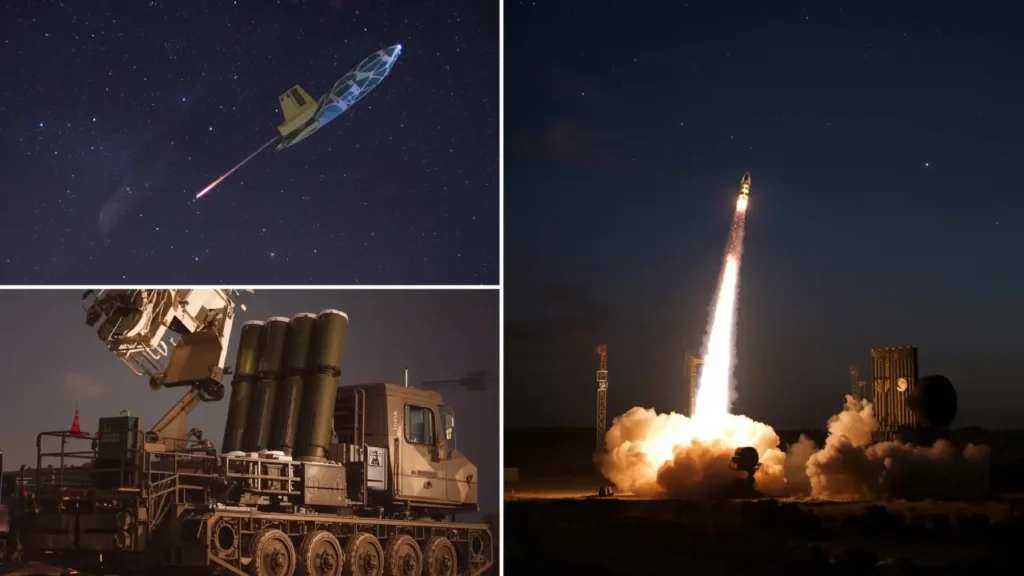
The war in Ukraine has underscored the decisive role of air defense. Russian missile barrages have tested Kyiv’s ability to maintain critical infrastructure, while Western-supplied Patriot and NASAMS systems have provided a protective shield. Similarly, in the Indo-Pacific, the deployment of THAAD in South Korea has reshaped regional security calculations.
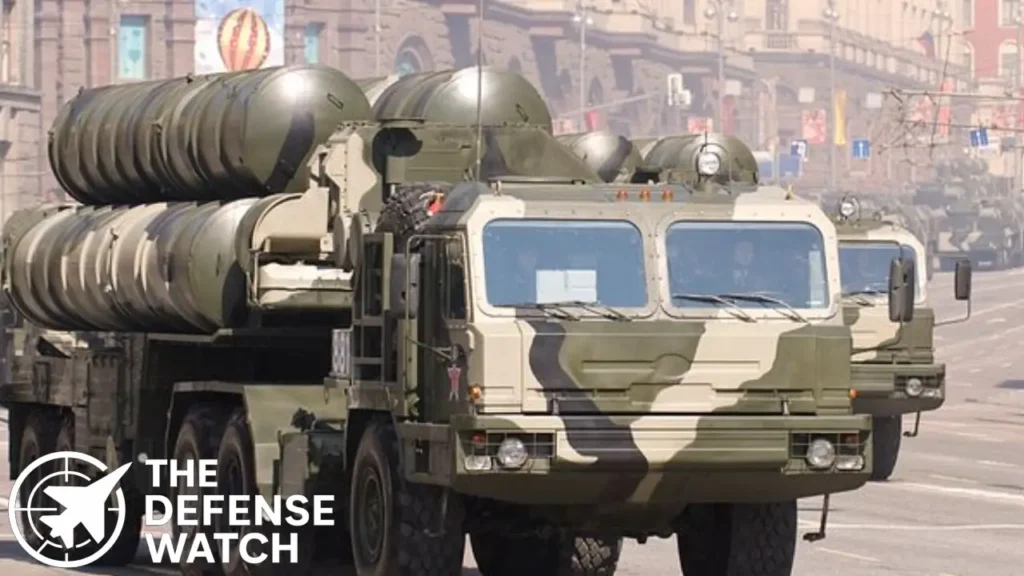
Air defense systems are no longer just military assets; they are geopolitical tools that influence alliances, defense spending, and deterrence postures.
FAQs
An air defense system is a defensive shield that uses radars, missiles, and guns to protect against enemy aircraft, drones, or missiles.
It ensures protection of cities, military bases, and critical infrastructure from aerial threats, increasing national security and deterrence.
There is no single “best” system—Patriot, S-400, THAAD, and Iron Dome each specialize in different threat environments.
At least 17 countries, including the U.S., Germany, Japan, and Saudi Arabia, operate Patriot systems.
Future systems will integrate AI, directed-energy weapons (lasers), and hypersonic missile defenses for enhanced effectiveness.
Get real time update about this post category directly on your device, subscribe now.

4 comments
[…] conditions. Rafael has described the results as “operationally significant,” signaling that the system is approaching readiness for integration with Israel’s national air defense […]
[…] prototypes and conventional kinetic interceptors. The tests, executed by the 4th Battalion, 60th Air Defense Artillery with support from the Rapid Capabilities and Critical Technologies Office (RCCTO), targeted swarms […]
[…] MoD has committed to install the system on a Type 45 destroyer by 2027, accelerating the fielding schedule by approximately five […]
[…] Martin remains the primary provider of C 130J training, sustainment, and mission systems worldwide. The company supports more than 20 international operators, many of whom rely on a mix of live, […]