PAC-3 ACE Emerges As Lower-Cost Patriot Interceptor
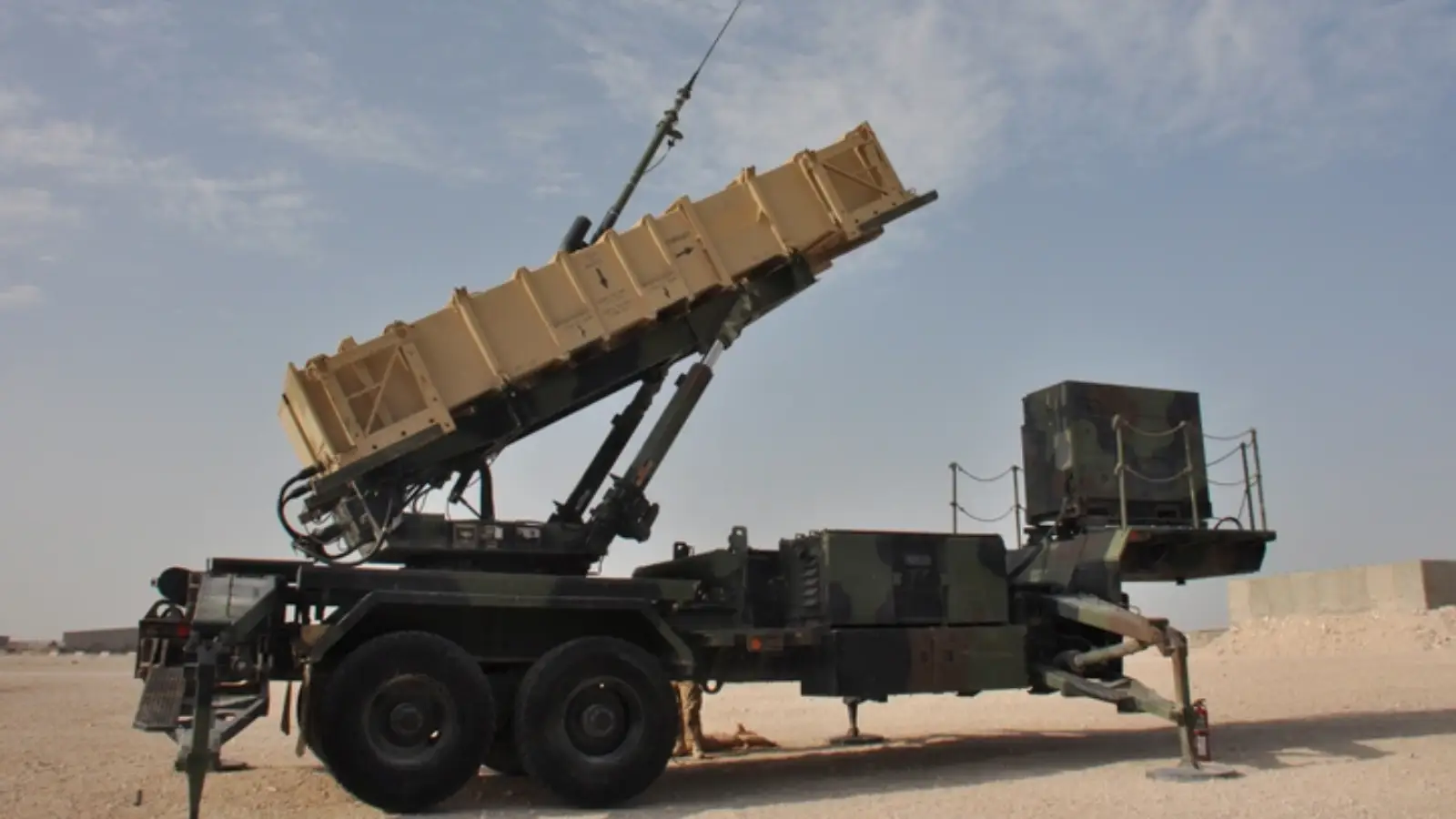
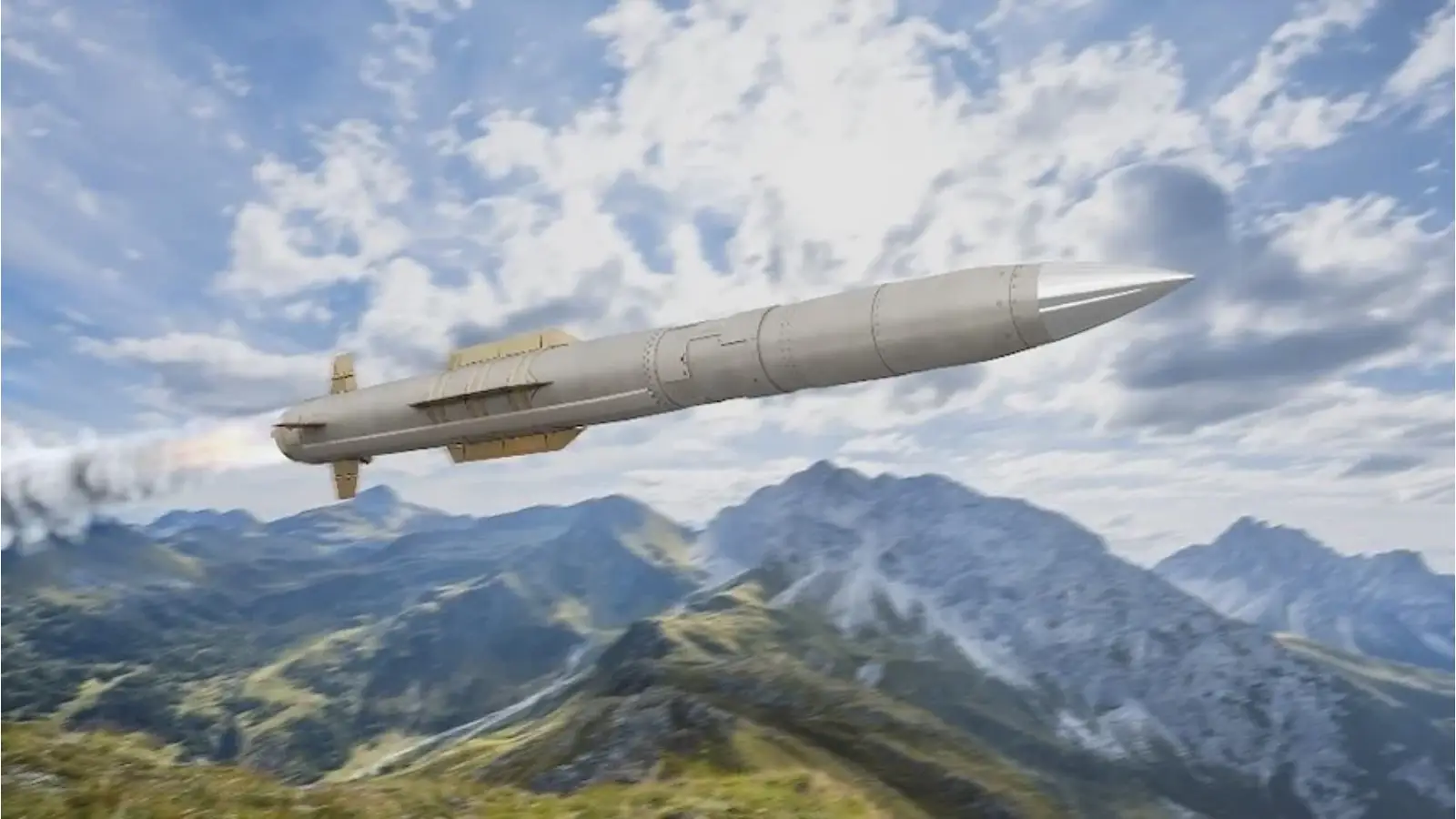
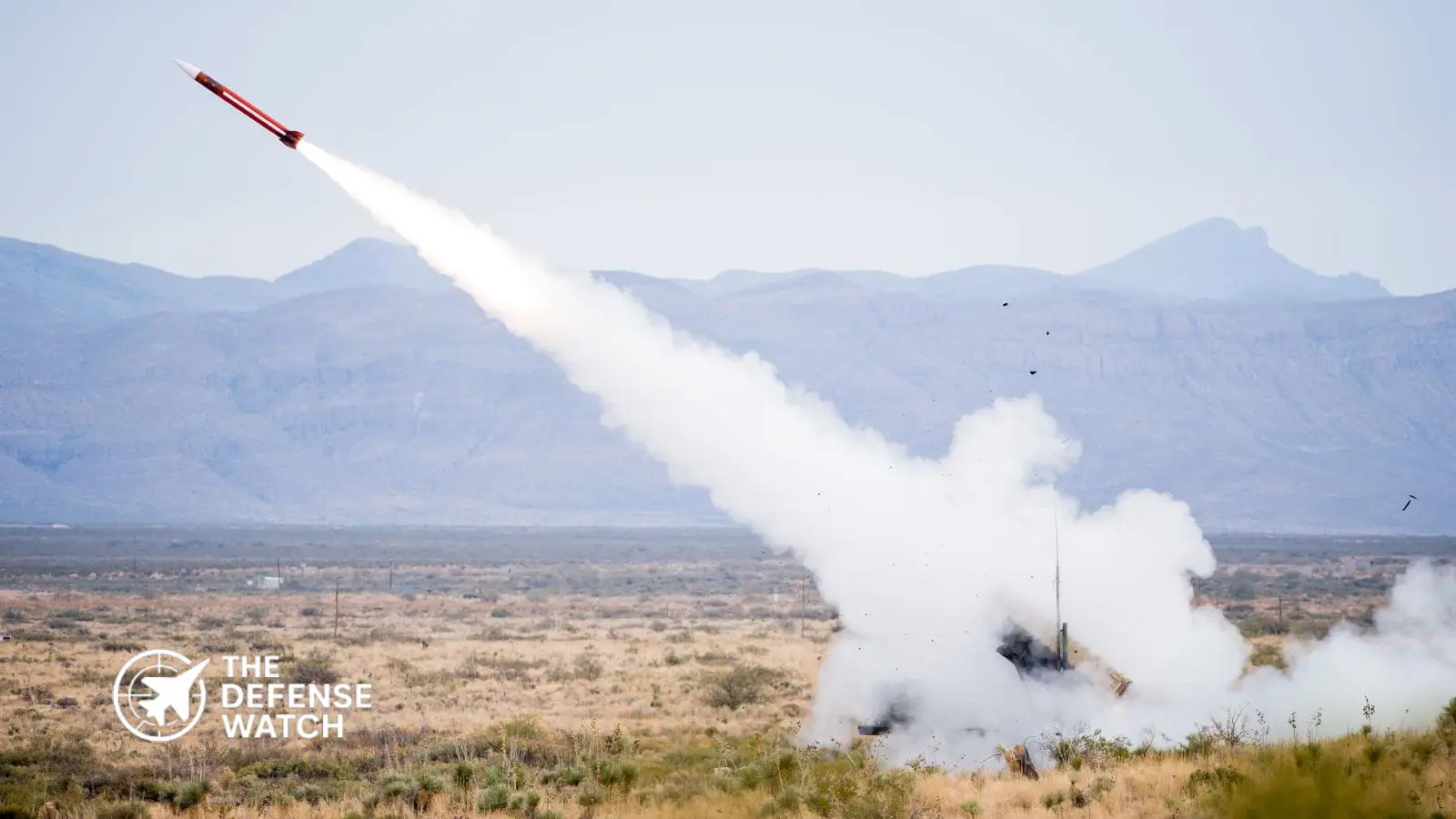
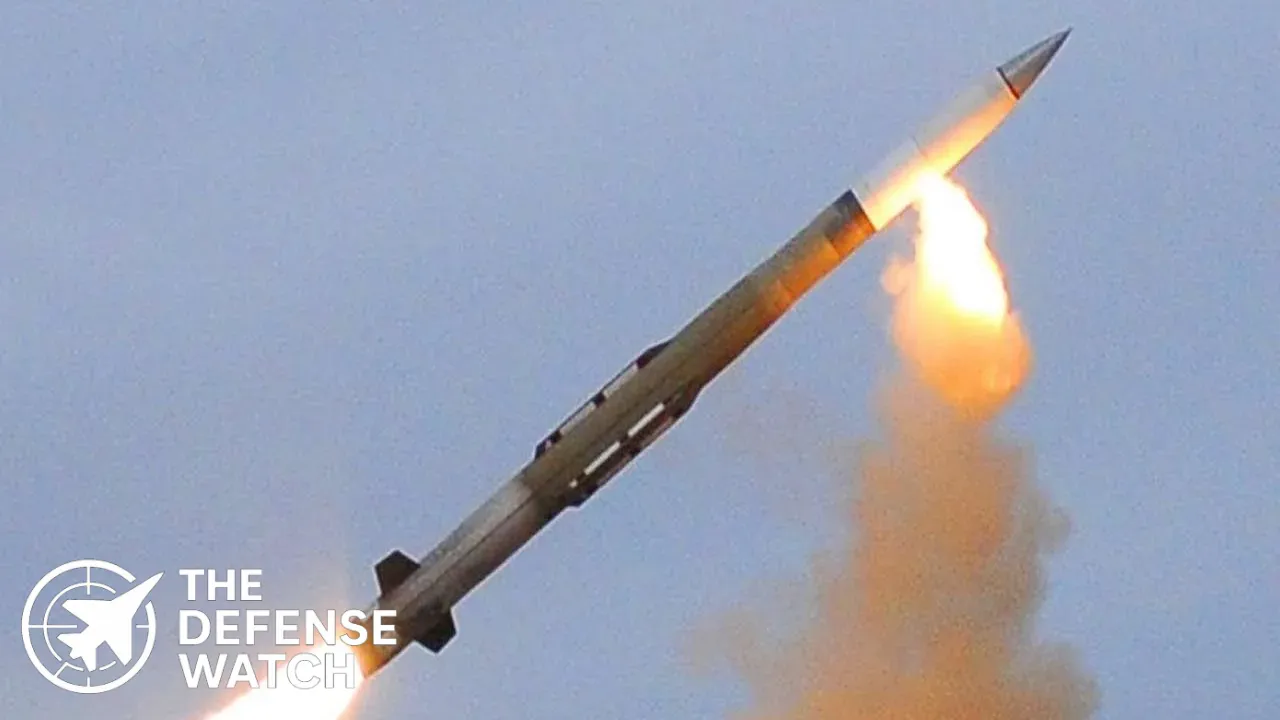
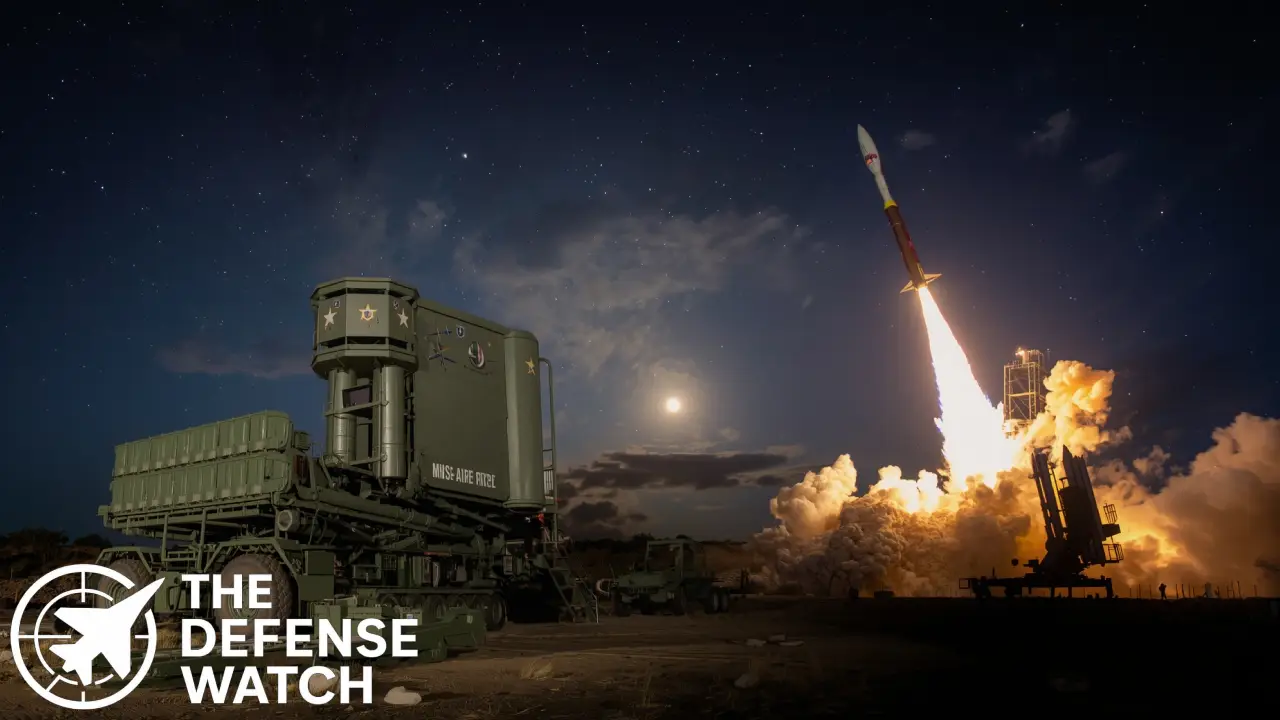
Lockheed Martin is positioning the PAC-3 ACE interceptor as a lower-cost addition to the Patriot air and missile defense family, with the company saying the weapon is ready for battlefield use against aircraft, cruise missiles and short-range ballistic threats. The announcement builds on Lockheed Martin’s July introduction of the PAC-3 Adapted Capability Effector, which the company says will cost less than half as much per unit as the PAC-3 Missile Segment Enhancement, or MSE.
Takeaways
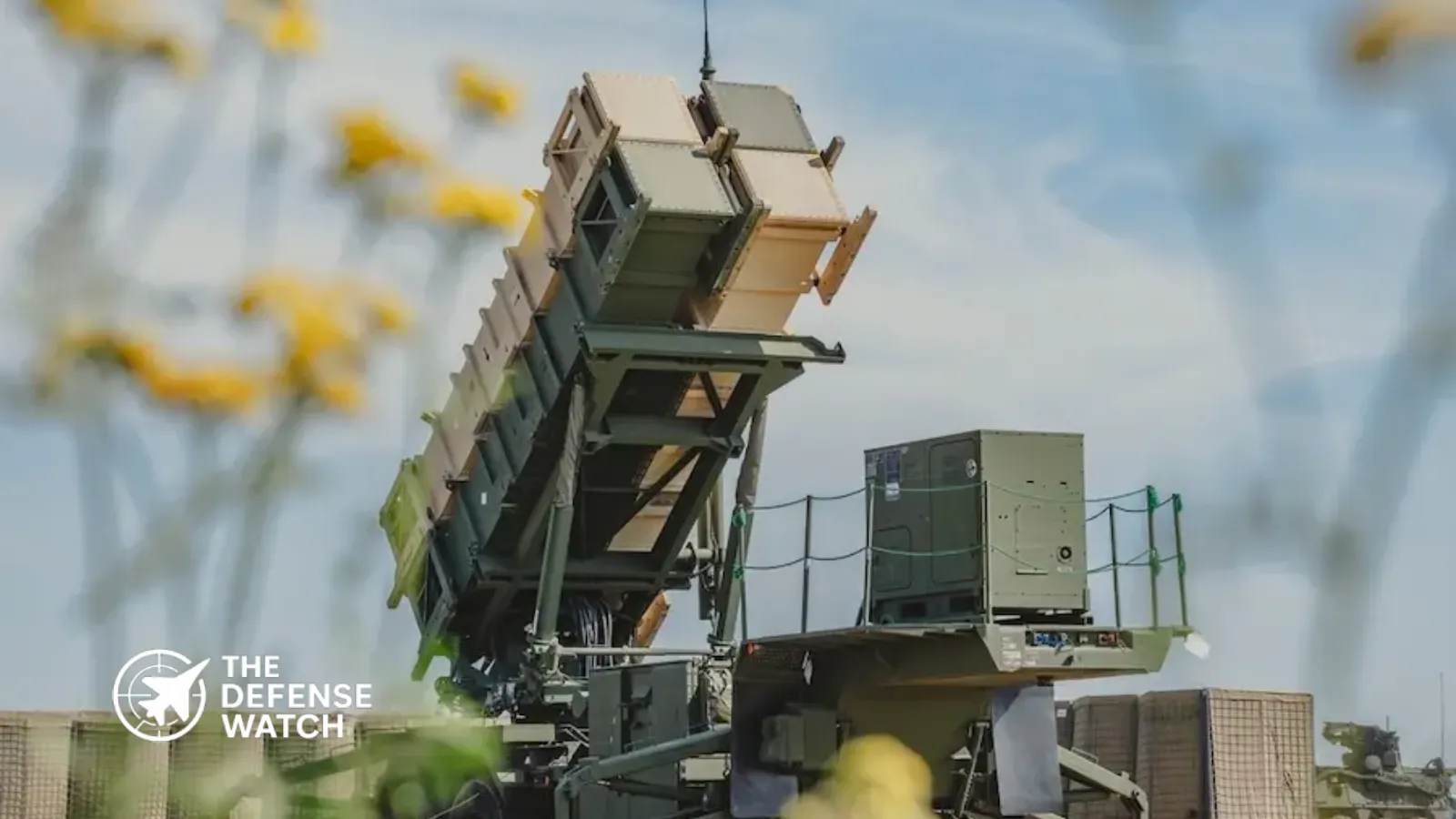
Lockheed Martin is positioning PAC-3 ACE as a lower-cost interceptor that can expand Patriot magazine depth while retaining compatibility with existing command-and-control architecture.
The latest statement came from Lockheed Martin Europe on Sept. 4, when the company described PAC-3 ACE as a lower-cost, high-performance interceptor built around the established PAC-3 family. It also emphasized compatibility with the Patriot weapon system and the U.S. Army’s Integrated Battle Command System, or IBCS.
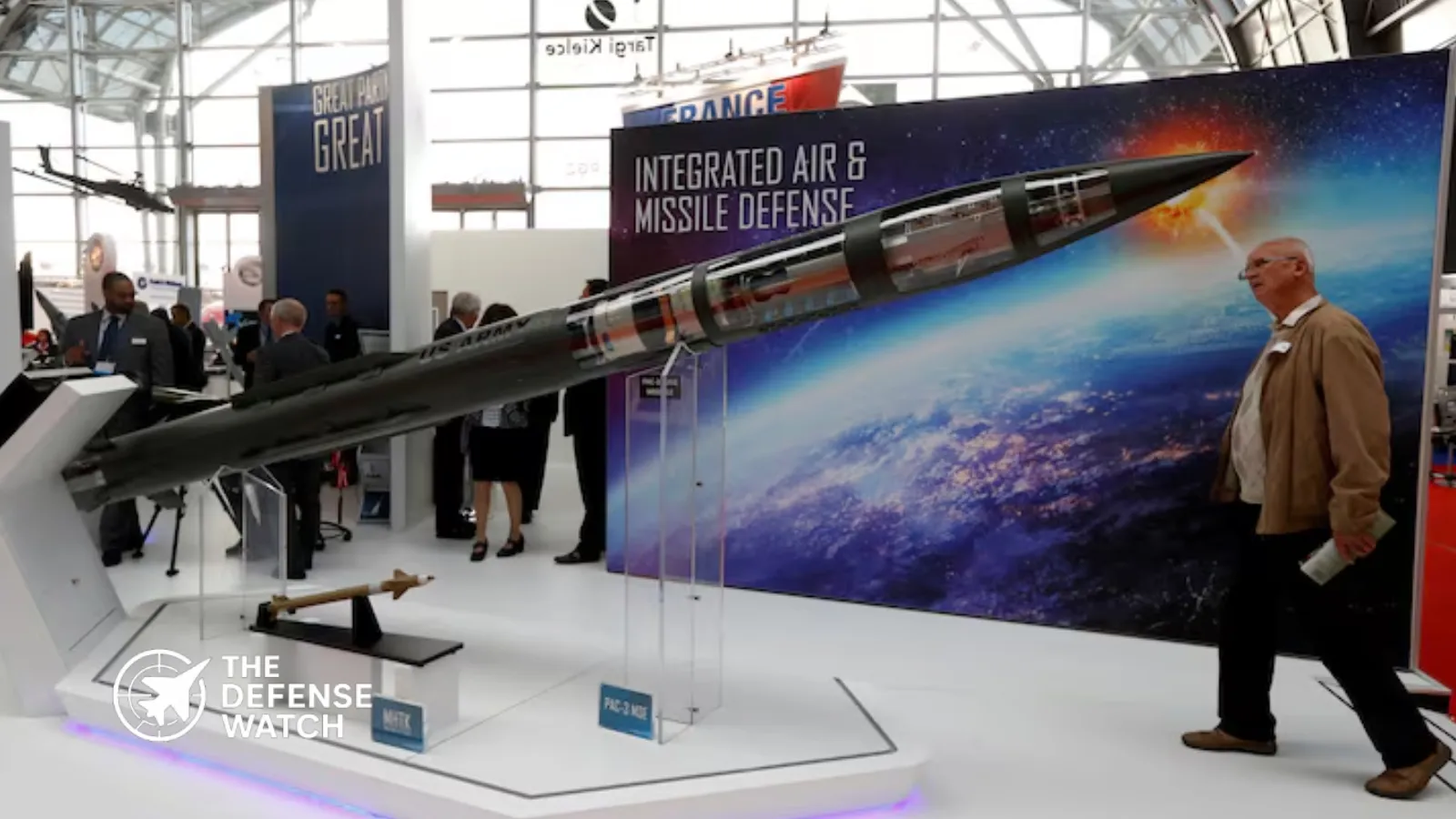
That distinction is important. PAC-3 ACE is not being presented as a replacement for PAC-3 MSE. Instead, Lockheed Martin is developing it as a complementary interceptor intended to increase the number of affordable engagements available to Patriot operators.
The U.S. Missile Defense Agency describes the operational PAC-3 system as a lower-tier component of U.S. and allied air and missile defense, capable of defending against short-range ballistic missiles, cruise missiles and air-breathing threats.
What PAC-3 ACE Is Designed To Do
Lockheed Martin says PAC-3 ACE will address four broad target categories:
Capability PAC-3 ACE Aircraft Designed to counter Cruise missiles Designed to counter Close-range ballistic missiles Designed to counter Short-range ballistic missiles Designed to counter Patriot integration Yes IBCS integration Yes Relative cost Less than half of PAC-3 MSE, according to Lockheed Martin Published unit price Not disclosed Published production quantity Not disclosed The interceptor retains the PAC-3 software and uses the existing PAC-3 fire-control architecture, according to Lockheed Martin. The company says this approach is intended to reduce development, testing and fielding time compared with creating an entirely new interceptor and associated battle-management architecture.
This could also reduce integration risk for Patriot operators. The Army has spent years developing the ability to connect Patriot interceptors with distributed sensors and battle-management systems through IBCS, including live-fire demonstrations involving PAC-3 interceptors.
How Lockheed Martin Is Cutting The Cost
The central feature of PAC-3 ACE is not simply a lower price. It is the decision to remove or simplify some of the more expensive components associated with the higher-performance PAC-3 MSE.
Janes reported after the Farnborough unveiling that Lockheed Martin replaced the PAC-3 MSE’s hit-to-kill warhead with a blast-fragmentation warhead. The ACE design also uses a simplified seeker, removes the MSE’s attitude-control motors and employs a single-pulse solid rocket motor rather than the MSE’s dual-pulse motor.
Those changes represent a deliberate tradeoff.
PAC-3 MSE is designed around a highly maneuverable hit-to-kill architecture. PAC-3 ACE instead emphasizes a less expensive configuration intended to provide effective coverage against a broader set of lower-tier or air-breathing threats without requiring every engagement to use the most expensive interceptor available.
That creates a potentially important distinction in how a Patriot battery could allocate its magazine. A high-end interceptor can be reserved for threats that require its full performance, while a cheaper round could address targets for which that capability is unnecessary.
Lockheed Martin has not published a complete performance envelope for PAC-3 ACE, so direct comparisons with PAC-3 MSE in range, altitude, maneuverability and probability of kill would be premature.
The Magazine-Depth Problem
The development of PAC-3 ACE comes as the United States and its allies are placing greater emphasis on interceptor production capacity.
In January, Lockheed Martin and the U.S. government established a framework intended to increase annual PAC-3 MSE production from approximately 600 interceptors to 2,000 under a seven-year arrangement. The U.S. government subsequently awarded Lockheed Martin a multiyear PAC-3 MSE contract valued at up to $58.62 billion, including a $53.86 billion modification announced in July.
The scale of that investment highlights both the importance and the cost of the PAC-3 family.
The Army describes PAC-3 MSE as a key component of its layered air and missile defense architecture, with the interceptor designed to counter tactical ballistic missiles, cruise missiles and aircraft.
The operational challenge is therefore not only whether an interceptor can defeat a particular target. It is whether enough interceptors can be manufactured, transported, maintained and positioned to sustain defense against repeated attacks.
That is where PAC-3 ACE could have its greatest strategic relevance if development and testing validate the advertised concept.
PAC-3 ACE Could Add Another Layer Of Magazine Capacity
Air defense economics increasingly favor having several interceptor options rather than relying on a single expensive weapon.
A defender facing a mixed raid may encounter aircraft, cruise missiles, drones and ballistic missiles at the same time. Using the highest-end interceptor against every target can rapidly reduce available magazine depth.
PAC-3 ACE is intended to address part of that problem by offering a lower-cost effector that remains inside the Patriot ecosystem.
The concept is consistent with a wider U.S. Army effort to create a networked air and missile defense architecture in which sensors and weapons can operate across a common command-and-control framework. The Army says IBCS is designed to link sensors and shooters across domains, allowing commanders to use available sensors and interceptors more flexibly.
For PAC-3 ACE, that means the value of the missile will depend on more than the interceptor itself. Its practical effectiveness will also depend on radar coverage, target discrimination, engagement authority, communications, software integration and the ability of the wider Patriot architecture to support simultaneous engagements.
PAC-3 ACE Is Not Yet The Same As An Operational PAC-3 MSE
Lockheed Martin’s battlefield-ready description should be read alongside the current development status.
The company has stated that PAC-3 ACE is designed for rapid fielding and initial production, but it has not publicly disclosed a first customer, precise production schedule or specific unit price.
That makes PAC-3 ACE fundamentally different from PAC-3 MSE, which is already operational and has undergone extensive U.S. testing and fielding.
The Army and Missile Defense Agency have demonstrated PAC-3 MSE in integrated engagements, including tests connecting Patriot and THAAD architectures. The MDA has described PAC-3 as an operationally fielded hit-to-kill capability.
PAC-3 ACE will therefore need its own flight testing, qualification and operational evaluation before its battlefield claims can be measured against an established interceptor such as PAC-3 MSE.
European Production Is Part Of The Strategy
Lockheed Martin is also linking PAC-3 ACE to a broader effort to expand European industrial participation.
The company says American and European suppliers and industry partners will participate in the interceptor’s development and production. Lockheed Martin has separately promoted a stronger European industrial footprint for the PAC-3 family as NATO members seek greater regional sustainment and missile-defense capacity.
That approach could have significance beyond manufacturing costs.
European participation can potentially shorten supply chains, increase regional industrial capacity and provide NATO operators with greater access to common interceptors. It also supports the broader goal of improving interoperability among Patriot users.
For the United States, the benefit would be greater allied capacity without requiring every country to build an independent interceptor architecture.
The Key Test Will Be Cost Versus Capability
The strongest argument for PAC-3 ACE is straightforward: a cheaper interceptor could allow Patriot operators to maintain more rounds in storage and engage more threats over a prolonged campaign.
But lower cost inevitably involves capability tradeoffs.
The simplified propulsion, guidance and terminal-control architecture reported by Janes means ACE should not be treated as a PAC-3 MSE equivalent at a lower price. It is better understood as a complementary interceptor optimized around a different cost and threat set.
The key question will be whether those tradeoffs produce an interceptor that can reliably defeat its intended targets at a sufficiently low cost and at sufficient production volume.
If testing confirms Lockheed Martin’s design goals, PAC-3 ACE could give Patriot users another option between very expensive high-performance interceptors and less capable short-range air-defense weapons.
That would make the program relevant not only to Patriot modernization, but also to the larger U.S. and allied effort to solve the magazine-depth problem in integrated air and missile defense.
What Comes Next
Lockheed Martin has established the concept, disclosed its intended mission set and announced the cost target. The next major milestones will be development testing, flight testing, integration and eventual production decisions.
Until those steps are completed, the most defensible assessment is that PAC-3 ACE represents a promising lower-cost extension of the Patriot interceptor family rather than a fielded replacement for PAC-3 MSE.
The strategic objective is clear, however. By retaining existing Patriot and IBCS integration while simplifying the interceptor itself, Lockheed Martin is attempting to increase the number of affordable defensive shots available against a growing range of aerial threats.
For U.S. and allied air-defense forces, that question of quantity is becoming almost as important as interceptor performance.
Executive Summary:
Poland has proposed hosting part of a future Patriot interceptor missile production program as part of a trilateral framework involving the United States and Ukraine. The initiative aims to strengthen NATO’s missile defense industrial capacity, improve production security, and accelerate the supply and sustainment of Patriot interceptors for allied forces.
Poland Seeks Patriot Interceptor Production Facility
Poland is positioning itself to become a major European center for Patriot interceptor production, proposing that future manufacturing activities supporting Ukraine be located on Polish territory rather than inside an active war zone.
According to statements made by Polish Deputy Defense Minister Magdalena Sobkowiak-Czarnecka following meetings at the Pentagon and the U.S. State Department, Warsaw has proposed a trilateral production arrangement involving Poland, the United States, and Ukraine. The proposal emphasizes locating manufacturing infrastructure in a secure NATO country while maintaining support for Ukraine’s long-term air defense requirements.
The discussions follow President Donald Trump’s announcement during the NATO Summit that Ukraine would receive licensing support to produce Patriot interceptors, opening negotiations on industrial cooperation, technology transfer, and sustainment.
Why Poland Is Offering To Host Production
Polish officials argue that manufacturing Patriot interceptors within NATO territory offers significant operational advantages.
Rather than placing high-value defense production facilities within range of Russian missile strikes, Poland presents itself as a geographically secure industrial location that can rapidly support Ukraine while protecting critical manufacturing infrastructure.
Warsaw also highlighted its expanding defense industrial capacity and existing cooperation with the United States on missile maintenance and sustainment programs.
Existing Patriot Industrial Cooperation
The proposal builds upon several recent initiatives involving Patriot systems across Europe.
Earlier this month, Poland joined the United States, Germany, Sweden, and the Netherlands in signing a joint agreement to establish a European maintenance center for PAC-3 Patriot missiles.
The facility is intended to provide:
| Program | Purpose |
|---|---|
| PAC-3 Maintenance Hub | Missile inspection and repair |
| Sustainment Capability | Regional recertification of interceptors |
| NATO Readiness | Faster turnaround for deployed missile inventories |
| Industrial Cooperation | Expanded European technical expertise |
The maintenance initiative represents one of the largest steps toward creating a permanent European sustainment network for Patriot systems.
Technology Transfer Would Expand European Missile Production
If approved, the proposed production effort would involve technology transfer from Lockheed Martin and cooperation between U.S. and European defense industries.
Polish Defense Minister Władysław Kosiniak-Kamysz has previously stated that Poland is among a limited number of NATO allies authorized to provide technical expertise supporting Patriot missile production and sustainment.
The proposal remains under discussion, and no final production agreement has been announced.
Strategic Importance For NATO
The proposal reflects a broader shift occurring across NATO’s defense industrial base.
Demand for Patriot interceptors has increased sharply following Russia’s invasion of Ukraine and continuing missile threats across Europe and the Middle East. Production capacity has struggled to keep pace with growing requirements, prompting allies to pursue regional manufacturing and maintenance capabilities.
For NATO, distributing production and sustainment activities across multiple allied countries offers several strategic benefits:
- Greater resilience against supply chain disruptions.
- Faster replenishment of interceptor inventories.
- Reduced transportation times for maintenance.
- Increased wartime production capacity.
- Stronger interoperability among allied missile defense forces.
These objectives align with NATO’s broader effort to strengthen Europe’s defense industrial base while reducing dependence on a limited number of production facilities.
Broader Defense Industrial Context
Poland has become one of Europe’s fastest-growing defense manufacturing hubs.
Alongside Patriot-related initiatives, Warsaw has expanded cooperation with U.S. defense companies on missile production, armored vehicles, and advanced precision weapons. Recent agreements involving companies such as Anduril and PGZ further demonstrate Poland’s ambition to become a regional center for defense manufacturing.
Meanwhile, Lockheed Martin has announced plans to deepen industrial partnerships across Europe, including expanded missile sustainment infrastructure and potential future production of lower-cost Patriot interceptors.
Analysis: Why This Matters
Poland’s proposal represents more than a manufacturing opportunity. It reflects NATO’s evolving approach to defense industrial resilience.
Since 2022, allied governments have recognized that advanced missile defense depends not only on deploying launchers and interceptors, but also on maintaining the industrial capacity to replace them during prolonged conflicts. Ukraine’s extensive use of Patriot systems has highlighted how quickly sophisticated interceptor inventories can be depleted.
Locating production inside Poland would reduce operational risk compared with manufacturing inside Ukraine while still supporting Kyiv’s long-term defense requirements. It would also create another layer of redundancy within NATO’s missile defense supply chain, making production less vulnerable to disruption.
For the United States, partnering with trusted European allies could expand manufacturing capacity without requiring all production to remain within North America. For European members, local production provides greater industrial participation, faster sustainment, and improved readiness.
Although negotiations remain ongoing, the proposal illustrates the growing importance of multinational defense production as NATO adapts to sustained high demand for advanced air and missile defense capabilities.
Executive Summary:
Lockheed Martin has announced a new lower cost Patriot interceptor, the PAC-3 Adapted Capability Effector (ACE), at the Farnborough International Airshow on July 20, 2026. The company says the missile will cost less than half the price of the current PAC-3 MSE interceptor, aiming to expand production capacity and help allied militaries counter growing missile and drone threats while rebuilding depleted inventories.
Lockheed Martin Introduces Lower Cost Patriot Interceptor
Lockheed Martin has unveiled the PAC-3 Adapted Capability Effector (ACE), a new Patriot interceptor designed to provide a more affordable option for defending against missiles and drones. The announcement was made during the 2026 Farnborough International Airshow, where defense manufacturers are showcasing systems intended to meet rapidly growing global demand for integrated air and missile defense.
According to Lockheed Martin, the new interceptor is expected to cost less than half the price of today’s PAC-3 Missile Segment Enhancement (MSE), which U.S. Army budget documents place at roughly $4 million per interceptor. Initial production is targeted within 36 months, with manufacturing planned alongside U.S. and European industrial partners.
Why Lockheed Is Developing The PAC-3 ACE
Demand for Patriot interceptors has increased sharply since Russia’s full scale invasion of Ukraine, while missile attacks across Europe and the Middle East have highlighted the importance of layered air defense.
Patriot batteries have become one of the world’s most sought after air defense systems because they are capable of intercepting ballistic missiles, cruise missiles, and advanced aerial threats. However, the high cost of each interceptor has created concerns about sustainability during prolonged conflicts involving large numbers of incoming targets.
Lockheed Martin President of Missiles and Fire Control Tim Cahill said allied forces need an interceptor that is both combat proven and affordable enough to procure in larger quantities.
PAC-3 ACE At A Glance
Feature PAC-3 ACE Developer Lockheed Martin System Compatibility Patriot Air and Missile Defense System Intended Cost Less than half the price of PAC-3 MSE Current PAC-3 MSE Cost Approximately $4 million per interceptor Planned Production Within 36 months Manufacturing U.S. and European industrial partners Primary Mission Counter ballistic missiles, cruise missiles and other aerial threats Specifications are based on information released by Lockheed Martin and reporting available on July 20, 2026.
Addressing A Cost Challenge In Modern Air Defense
The announcement reflects a broader shift in missile defense procurement.
Recent conflicts have demonstrated that defending against relatively inexpensive drones and cruise missiles with premium interceptors can quickly exhaust stockpiles and strain defense budgets. Military planners increasingly seek lower cost interceptors that can preserve advanced missiles for the highest priority threats while maintaining sufficient inventory for sustained operations.
The PAC-3 ACE appears intended to support this approach by reducing procurement costs without requiring operators to replace existing Patriot launchers or command infrastructure. If successful, it could enable nations already operating Patriot systems to purchase significantly larger interceptor inventories within existing defense budgets.
Strategic Importance For The United States And NATO
The timing of the announcement is notable.
European governments continue expanding defense spending while seeking to strengthen domestic industrial capacity following years of elevated demand created by the war in Ukraine. Lockheed’s decision to develop the interceptor with European manufacturing partners aligns with broader efforts to increase production resilience and shorten supply chains across allied nations.
For the United States, expanding interceptor production also supports broader missile defense objectives across Europe, the Indo Pacific, and the Middle East, where Patriot systems remain central to protecting military bases, critical infrastructure, and population centers.
Technical And Industrial Implications
Although Lockheed Martin has not disclosed detailed technical differences between the PAC-3 ACE and the PAC-3 MSE, the emphasis appears to be on manufacturing efficiency rather than introducing an entirely new missile architecture.
Reducing production costs while maintaining compatibility with the Patriot ecosystem could simplify logistics, accelerate deliveries, and reduce training requirements for existing operators. This approach may also allow the company to compete more effectively with emerging defense firms developing lower cost interceptors and counter drone systems.
The challenge will be balancing affordability with the high reliability required for intercepting fast moving ballistic and cruise missile threats, where failure rates carry significant operational consequences.
What Comes Next
Lockheed Martin expects initial production of the PAC-3 ACE within approximately three years, subject to customer demand and program execution. The company has not announced launch customers or procurement quantities.
If development proceeds as planned, the PAC-3 ACE could become an important addition to the Patriot family by offering allied militaries a more economical interceptor while helping rebuild missile defense inventories that have been heavily consumed in recent conflicts.
(adsbygoogle = window.adsbygoogle || []).push({});Executive Summary:
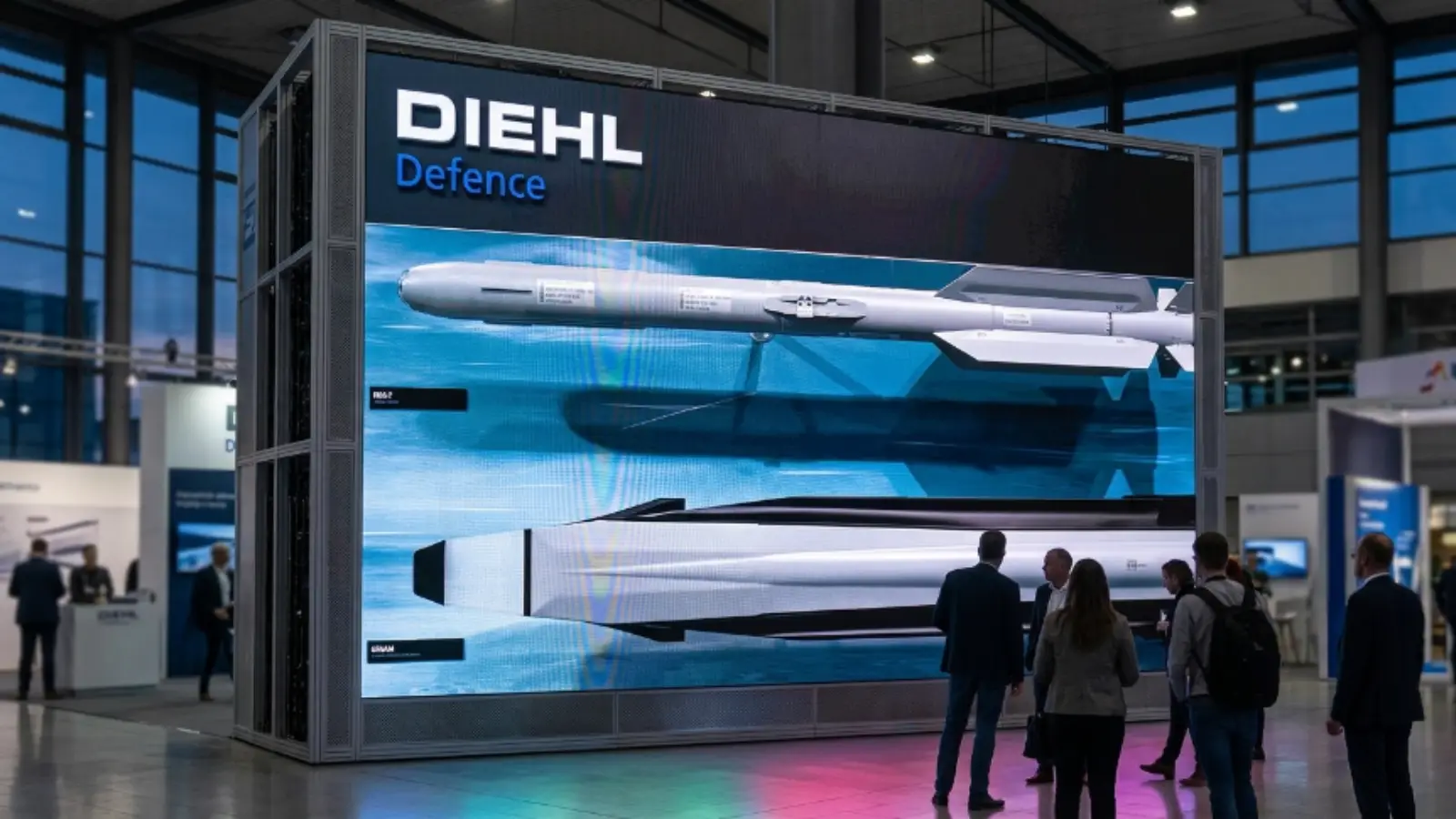
German defense manufacturer Diehl Defence says its new IRIS T SLX long range air defense system is being developed to complement existing IRIS T batteries while reducing reliance on scarce Patriot interceptor missiles. The announcement comes as European nations continue expanding integrated air and missile defense capabilities following increased demand driven by the war in Ukraine and broader regional security challenges.
Diehl Defence Advances IRIS T SLX As Demand For Air Defense Grows
German missile manufacturer Diehl Defence has announced that its next generation IRIS T SLX air defense system is being developed to help reduce dependence on the widely used Patriot missile system, whose interceptors remain in high demand worldwide.
Speaking during the company’s 2025 financial results briefing, Chief Executive Officer Helmut Rauch said the IRIS T SLX is intended to complement the existing IRIS T SLM system rather than replace it. The new variant is designed to extend engagement range while expanding Europe’s indigenous missile defense capabilities.
The announcement comes as NATO members and partner nations continue investing heavily in layered air and missile defense following Russia’s invasion of Ukraine and increasing missile and drone threats across Europe and the Middle East.
IRIS T Family Continues Expanding Across Europe
According to Diehl Defence, 21 countries have now ordered IRIS T air defense systems, with Switzerland, Sweden, and Denmark among the newest customers. Ukraine has become one of the most visible operators after receiving 20 IRIS T SLM systems to defend critical infrastructure against Russian cruise missiles, drones, and aircraft.
The company also reported that deliveries have increased dramatically since 2022, although it declined to disclose total production figures. Earlier this year, Diehl said it planned to significantly increase annual production capacity for IRIS T launch units to meet rising international demand.
(adsbygoogle = window.adsbygoogle || []).push({});What Is The IRIS T SLX?
The IRIS T SLX represents the long range evolution of the IRIS T surface launched missile family.
While Diehl has not released complete technical specifications, previous company statements indicate the system is being designed to provide substantially greater engagement range than the current IRIS T SLM while remaining compatible with the existing command, radar, and launcher architecture.
Expected Capability Comparison
| Feature | IRIS T SLM | IRIS T SLX (Development) | Patriot PAC Family |
|---|---|---|---|
| Primary Role | Medium range air defense | Extended range air defense | Long range air and missile defense |
| Intended Targets | Aircraft, cruise missiles, UAVs | Aircraft, cruise missiles, advanced aerial threats | Aircraft, cruise missiles, ballistic missiles |
| Integration | Existing IRIS architecture | Compatible with IRIS ecosystem | Patriot ecosystem |
| Operational Status | In service | Under development | Operational worldwide |
Specifications for IRIS T SLX remain subject to final development and certification.
(adsbygoogle = window.adsbygoogle || []).push({});Why Reducing Dependence On Patriot Matters
Patriot remains one of the world’s most capable air and missile defense systems, particularly against ballistic missile threats. However, growing global demand has created production bottlenecks as multiple allies seek additional interceptors amid conflicts in Europe and the Middle East.
Developing European produced alternatives offers several strategic advantages.
- Expands available interceptor inventories.
- Reduces dependence on a single supply chain.
- Strengthens NATO’s layered air defense architecture.
- Supports faster replenishment during sustained operations.
- Increases European defense industrial capacity.
Importantly, Diehl has emphasized that the IRIS T SLX is intended to complement Patriot rather than replace it. Layered air defense depends on multiple systems optimized for different ranges and threat types, with Patriot continuing to play a critical role in ballistic missile defense.
atOptions = { ‘key’ : ‘3d48d603f906e3fe9f205be3c4433835’, ‘format’ : ‘iframe’, ‘height’ : 250, ‘width’ : 300, ‘params’ : {} };Growing Interest Beyond Europe
Diehl Defence also reported increasing interest from Gulf countries following heightened regional tensions.
According to Rauch, the company has begun discussions with representatives from several Gulf states, while Saudi Arabia has remained an established customer for more than a decade. The growing demand reflects broader concerns about cruise missile, drone, and ballistic missile threats across the region.
Defense Business Continues Strong Growth
The expanding market has translated into significant business growth for Diehl Defence.
The company reported defense revenue of €2.33 billion during 2025, representing a 28 percent increase over the previous year. The defense division now accounts for approximately 43 percent of the broader Diehl Group’s total sales, underscoring the rapid expansion of Europe’s missile defense industry.
Strategic Analysis: Why The IRIS T SLX Matters
The development of the IRIS T SLX reflects a broader shift in European defense planning.
Rather than relying primarily on imported strategic air defense systems, European governments are increasingly investing in domestic production to improve resilience during prolonged crises. This trend has accelerated since 2022, when large scale missile attacks exposed the importance of maintaining sustainable interceptor inventories.
For the United States, the emergence of systems like IRIS T SLX is unlikely to diminish Patriot’s importance. Instead, it could reduce pressure on U.S. production lines by allowing European allies to assume a greater share of regional air defense requirements using indigenous capabilities.
From NATO’s perspective, a more diversified missile defense inventory improves operational flexibility. Different systems can be assigned to specific threat sets, enabling Patriot batteries to focus on higher end ballistic missile defense missions while systems such as IRIS T protect infrastructure, logistics hubs, and maneuver forces against aircraft, drones, and cruise missiles.
The long term success of the IRIS T SLX will ultimately depend on production capacity, interoperability with NATO command networks, operational testing, and sustained procurement commitments from European governments.
Executive Summary:
RTX Corporation has been awarded a $441.6 million contract modification to procure PATRIOT GEM-T interceptors for Operation Epic Fury. The program strengthens U.S. Army air and missile defense capacity against evolving aerial threats. The award reflects continued reliance on upgraded legacy systems to meet near-term operational demands.
Contract Details and Program Scope
The U.S. Army has issued a $441,600,000 modification to an existing contract (W31P4Q-23-C-0036) awarded to RTX for the production of PATRIOT Guidance Enhanced Missile-Tactical (GEM-T) interceptors.
Key details include:
- Contract value: $441.6 million
- Award date: April 30, 2026
- Completion date: September 30, 2026
- Production location: Chambersburg, Pennsylvania
- Funding source: Fiscal 2026 special funds
- Contracting authority: Army Contracting Command, Redstone Arsenal
The modification brings the total cumulative contract value to $441.6 million, indicating this action represents the full funded scope under the current agreement.
PATRIOT GEM-T: Role and Capabilities
The GEM-T interceptor is an upgraded variant of the legacy PATRIOT PAC-2 missile, optimized for enhanced performance against aircraft and certain ballistic missile threats.
Key Technical Advantages
- Improved proximity fuze for better lethality against fast-moving targets
- Enhanced guidance system for increased interception accuracy
- Greater effectiveness against cruise missiles and tactical ballistic missiles
- Cost-effective upgrade compared to newer hit-to-kill interceptors
Unlike more modern kinetic interceptors, GEM-T uses a blast-fragmentation warhead, making it particularly effective against aircraft and drone swarms.
Comparison: GEM-T vs PAC-3 Interceptors
| Feature | PATRIOT GEM-T | PAC-3 MSE |
|---|---|---|
| Range | Medium (up to ~160 km vs aircraft) | Shorter but optimized for ballistic threats |
| Payload | Blast-fragmentation warhead | Hit-to-kill kinetic interceptor |
| Status | Operational, upgraded legacy | Advanced, currently deployed |
| Key Technology | Proximity fuze, guidance upgrade | Active radar seeker, direct impact |
Strategic Context: Responding to Modern Threats
The procurement aligns with growing demand for layered air defense systems amid increasingly complex threat environments.
Operation Epic Fury is understood to support contingency planning involving:
- Cruise missile proliferation
- Unmanned aerial system (UAS) saturation attacks
- Tactical ballistic missile threats from near-peer adversaries
Recent conflicts have demonstrated that mixed interceptor inventories, combining legacy and advanced systems, provide flexibility and cost efficiency.
Why GEM-T Still Matters
- Faster production timelines compared to newer interceptors
- Lower unit cost enables bulk procurement
- Proven performance in operational environments
The continued investment suggests the U.S. Army is prioritizing inventory depth and readiness alongside modernization.
Industrial and Operational Implications
Production in Pennsylvania reinforces the domestic defense industrial base, while the rapid funding obligation indicates urgency in delivery timelines.
For RTX, the award underscores its central role in sustaining the PATRIOT ecosystem, which remains one of the most widely deployed air defense systems globally.
Outlook
As air and missile threats evolve, the U.S. Army is expected to maintain a hybrid approach, balancing next-generation systems with upgraded legacy interceptors like GEM-T.
This contract signals that even as advanced systems expand, reliable and scalable solutions remain critical to immediate defense needs.
Boeing Moves to Triple PAC-3 Seeker Output Amid Record Demand
Boeing announced during the Dubai Air Show 2025 that it will triple production of Patriot PAC-3 missile seekers, responding to accelerating demand from European NATO members and global partners replenishing stockpiles following the war in Ukraine. The expansion is anchored by a new 40,000-square-foot manufacturing facility built specifically to break long-standing supply bottlenecks in seeker production.
The move positions Boeing at the center of one of the most stressed supply chains in Western missile defense, as the Patriot PAC-3 interceptor remains the most widely deployed ballistic missile defense asset across NATO, the Middle East, and Asia-Pacific.
Background: Patriot Demand Soars After Ukraine War
The Patriot system has experienced unprecedented global demand since Russia’s full-scale invasion of Ukraine in 2022. Ukraine’s successful use of Patriot batteries to intercept Kinzhal hypersonic missiles and other ballistic threats reshaped European defense planning and triggered one of the largest missile procurement surges since the Cold War.
European nations—among them Germany, Poland, Romania, the Netherlands, Spain, Sweden, and Greece—are simultaneously:
- Supplying interceptors and batteries to Ukraine
- Rebuilding their own depleted stocks
- Preparing for potential high-intensity conflict scenarios on NATO’s eastern flank
This surge exposed a critical industrial bottleneck: insufficient production of PAC-3 seekers, the highly specialized guidance component manufactured solely by Boeing.
Inside the Expansion: Boeing’s New Seeker Production Facility
A Strategic Early Investment
Steve Parker, head of Boeing Defense, Space & Security, told reporters that Boeing anticipated the demand spike years earlier and began investing in new production capacity before customers formally placed orders.
“We saw this coming and had to build ahead of the need,” Parker said at Dubai Air Show, emphasizing that waiting for contracts would have put the entire Patriot industrial ecosystem at risk.
The result was a dedicated, state-of-the-art center in Huntsville, Alabama, focused on eliminating bottlenecks in:
- precision electronics
- micro-machining
- sensor assembly
- final integration and testing
The new capacity has already helped Boeing push production beyond 500 PAC-3 seekers in 2024, with further increases expected in 2025.
Critical Link in a Three-Company Ecosystem
The Patriot supply chain relies on a tri-partner model:
- Raytheon → ground radar and fire control
- Lockheed Martin → PAC-3 and PAC-3 MSE interceptors
- Boeing → Ka-band active radar seeker
Of these, the seeker has become the pacing item for global production. NATO officials have acknowledged that increasing missile output was impossible without expanding seeker manufacturing first.
What the PAC-3 Seeker Does—and Why It Matters
The Missile’s “Eye and Brain”
The Boeing-built seeker enables the PAC-3 interceptor’s hit-to-kill capability, distinguishing it from earlier Patriot generations that relied on semi-active homing.
Key advantages:
- Ka-band radar offers ultra-fine resolution
- Actively acquires and tracks targets in terminal flight
- Enables the missile to identify a warhead among debris or decoys
- Permits the ground radar to engage multiple threats simultaneously
This is vital against:
- maneuvering ballistic missiles
- hypersonic glide vehicles
- cruise missiles
- saturation attacks
Combat-Proven Performance
PAC-3 interceptors equipped with Boeing seekers have demonstrated real-world effectiveness in Ukraine, intercepting:
- Kinzhal hypersonic missiles
- Iskander ballistic missiles
- Shahed drones
- Russian cruise missiles
The Pentagon describes these intercepts as “operational proof” that Western missile defense systems can counter advanced Russian designs.
Industrial Strain and Labor Issues
Boeing’s expansion comes as the company grapples with a prolonged labor dispute at its St. Louis plant, where workers producing military aircraft and MQ-25 drones launched a strike after contract negotiations stalled.
Although the PAC-3 seeker line is based in Alabama, Parker said the St. Louis stoppage highlights “how thin the industrial margin for error has become” across the defense sector.
Defense analysts warn that any sustained disruption could ripple across multiple weapons programs at a time when demand for U.S. systems is at a generational peak.
Strategic and Policy Implications for NATO
1. Europe’s Missile Defense Plans Depend on U.S. Industry
NATO’s future integrated air and missile defense (IAMD) plans—especially Germany’s European Sky Shield Initiative (ESSI)—assume accelerated PAC-3 interceptor deliveries through the late 2020s.
Without Boeing’s seeker expansion, European plans would face multi-year delays.
2. U.S. Arsenal Needs Rebuilding
The United States has transferred interceptors and full Patriot batteries to Ukraine, drawing down its own stockpiles. Pentagon officials privately acknowledge that replenishing U.S. inventories will take years.
3. Rising Threat From Russia and China
Both Russia and China continue developing:
- maneuvering reentry vehicles (MaRVs)
- hypersonic glide vehicles
- stealthier cruise missiles
- electronic warfare countermeasures
Tripling PAC-3 seeker output ensures the U.S. and allies can field interceptors capable of engaging next-generation threats.
What’s Next: A Race to Restore Stockpiles
Boeing’s new seeker facility is part of a broader incentive package worth roughly $2.7 billion aimed at easing pressure on PAC-3 production lines over the next five years.
Defense officials say the first major capacity increase will become visible between 2026 and 2027, when NATO expects a noticeable rise in available interceptors.
For European allies, the metric that matters is simple: full missile canisters and ready Patriot batteries on the eastern flank.
Conclusion: A Pivotal Test for U.S. Missile Defense Industry
Boeing’s decision to triple PAC-3 seeker production marks one of the most significant industrial moves in the Western missile defense sector since the Cold War. As NATO accelerates rearmament and the U.S. refills critical inventories, the PAC-3 seeker will remain a decisive pacing factor for the Alliance’s ability to deter and defeat ballistic and hypersonic threats.
The next five years will test whether U.S. industry can expand fast enough to meet the demands of modern high-intensity warfare—while sustaining the global network of partners that rely on Patriot as their primary shield.
What Is an Air Defense System?
An air defense system is a network of radars, missile interceptors, anti-aircraft guns, and command centers designed to detect, track, and neutralize hostile aerial threats. These threats may include enemy aircraft, helicopters, drones, cruise missiles, or ballistic missiles. In modern warfare, air defense is no longer a secondary requirement—it is one of the primary layers of national defense.
Why Nations Need Air Defense Systems
The increasing reliance on drones, long-range missiles, and stealth aircraft has made air defense systems essential. Without them, military bases, cities, and critical infrastructure remain highly vulnerable to aerial strikes. From Ukraine’s urgent reliance on Western missile defenses to Israel’s Iron Dome protecting against rocket attacks, the strategic value of air defense has become evident in both conventional and hybrid warfare.

Modern conflicts highlight three key reasons why air defense is critical:
- Survivability – Protecting armed forces, command centers, and logistics.
- Deterrence – Strong air defense discourages adversaries from launching attacks.
- Strategic Depth – Ensures civilian protection and national resilience during war.
List of Major Air Defense Systems Worldwide
Several countries have developed advanced air defense technologies to protect against evolving threats. Below is a list of notable systems:
- Patriot Missile Defense System (USA) – Operated by multiple NATO members, designed to intercept aircraft, drones, and short to medium-range ballistic missiles.
- THAAD (Terminal High Altitude Area Defense, USA) – Provides high-altitude interception of ballistic missiles outside the Earth’s atmosphere.
- S-400 Triumf (Russia) – Known for its long-range detection and interception, widely deployed and exported, including to India and Turkey.
- Iron Dome (Israel) – Highly effective against short-range rockets and artillery shells, with an interception rate exceeding 90% in recent conflicts.
- HQ-9 (China) – A Chinese long-range surface-to-air missile system comparable to the Patriot, integrated with radar and command networks.
- NASAMS (Norwegian Advanced Surface-to-Air Missile System) – A joint U.S.-Norwegian system used for defending high-value assets, including in Ukraine.
- Barak-8 (India/Israel) – Medium-range defense system widely deployed by the Indian Navy and Air Force.
- Aegis Combat System (USA/Japan/South Korea) – Ship-based radar and missile defense system capable of tracking and intercepting ballistic missiles.
Modern Trends in Air Defense
Air defense systems are evolving to counter hypersonic missiles, stealth aircraft, and drone swarms. Artificial intelligence is increasingly integrated into radar and fire-control systems, enabling faster threat recognition and automated responses. Nations are also combining layered defense strategies, where long-range, medium-range, and short-range interceptors operate together for maximum coverage.

Strategic Context
The war in Ukraine has underscored the decisive role of air defense. Russian missile barrages have tested Kyiv’s ability to maintain critical infrastructure, while Western-supplied Patriot and NASAMS systems have provided a protective shield. Similarly, in the Indo-Pacific, the deployment of THAAD in South Korea has reshaped regional security calculations.

Air defense systems are no longer just military assets; they are geopolitical tools that influence alliances, defense spending, and deterrence postures.
FAQs
An air defense system is a defensive shield that uses radars, missiles, and guns to protect against enemy aircraft, drones, or missiles.
It ensures protection of cities, military bases, and critical infrastructure from aerial threats, increasing national security and deterrence.
There is no single “best” system—Patriot, S-400, THAAD, and Iron Dome each specialize in different threat environments.
At least 17 countries, including the U.S., Germany, Japan, and Saudi Arabia, operate Patriot systems.
Future systems will integrate AI, directed-energy weapons (lasers), and hypersonic missile defenses for enhanced effectiveness.