German Air Force IRIS-T SLM Marks Major Step In Air Defense Modernization
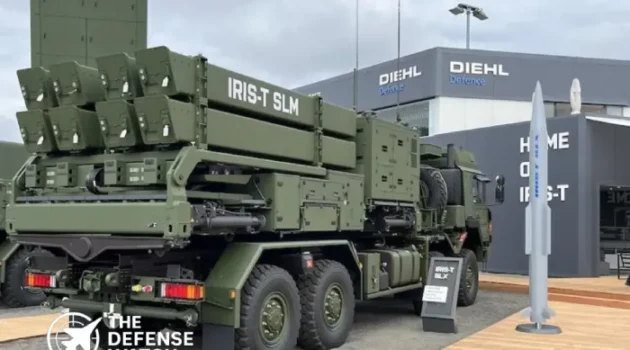
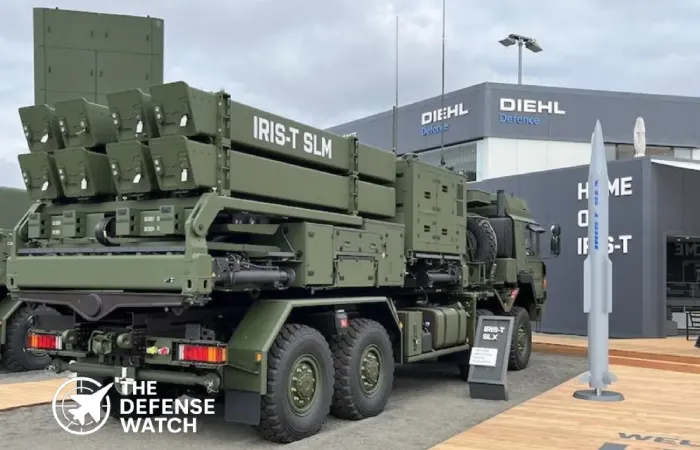
The German Air Force IRIS-T SLM air defense system has officially entered national service, marking a significant milestone in Germany’s effort to rebuild and modernize its ground-based air defense network.
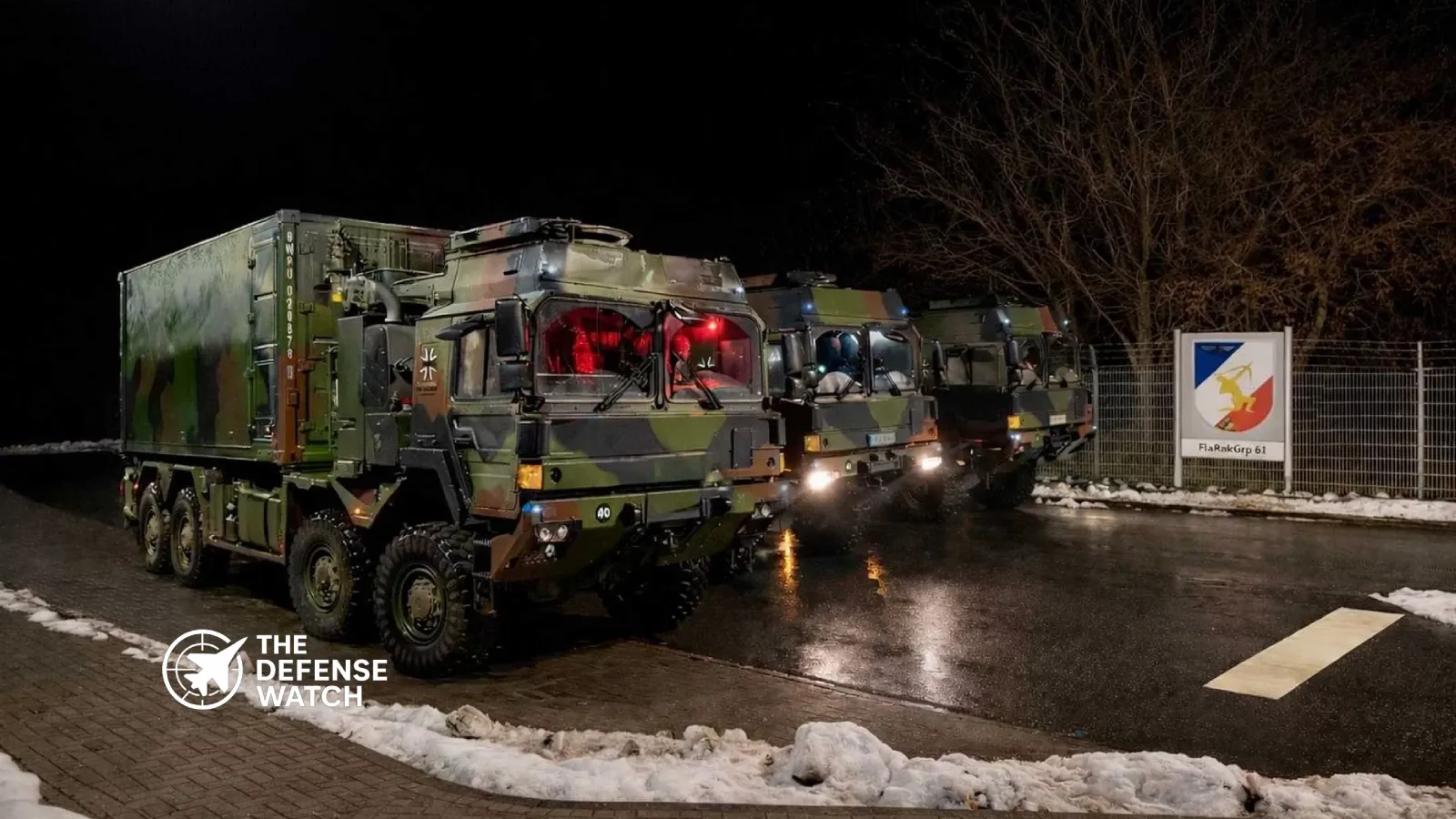
According to German Air Force announced, the Luftwaffe has received its first IRIS-T SLM system in a configuration tailored specifically for German national requirements. The delivery represents the first operational step in restoring a medium-range air defense capability that Germany had largely phased out over the past decade.
The IRIS-T SLM air defense system is designed to counter a wide spectrum of aerial threats, including combat aircraft, helicopters, cruise missiles, and unmanned aerial systems.
Rebuilding Germany Ground-Based Air Defense
The German Air Force IRIS-T SLM delivery comes amid a broader modernization push following Berlin’s 2022 strategic shift in defense policy. Germany committed significant funding to improve readiness, enhance NATO interoperability, and strengthen territorial defense.
The IRIS-T SLM system fills a critical gap in Germany’s layered air defense architecture. After retiring legacy systems in the 2010s, the Bundeswehr faced limited medium-range ground-based air defense coverage. The new system is intended to restore that capability while aligning with NATO standards.
Germany has also committed to the European Sky Shield Initiative, a multinational effort aimed at building a coordinated and integrated air and missile defense shield across Europe. The IRIS-T SLM will play a key role in that framework.
What The IRIS-T SLM Air Defense System Brings
Developed by Diehl Defence, the IRIS-T SLM air defense system is the ground-launched variant of the IRIS-T missile family, originally derived from an advanced short-range air-to-air missile program.
The SLM variant offers extended range and altitude performance compared to earlier configurations. It typically consists of:
- A vertical launch missile unit
- A multifunction radar
- A tactical operations center
- Support and logistics vehicles

The system uses an active radar-guided interceptor capable of engaging multiple targets simultaneously. Its architecture supports network-enabled operations, allowing integration with other air defense assets.
Germany’s national configuration reportedly includes adaptations tailored to Luftwaffe command-and-control structures and operational doctrines.
Operational Lessons From Ukraine
The IRIS-T SLM has drawn significant international attention following its operational deployment in Ukraine. Berlin previously supplied IRIS-T SLM systems to Kyiv as part of military assistance packages.
Ukrainian officials have publicly credited the system with high interception rates against cruise missiles and unmanned aerial threats. While independent verification of battlefield performance remains limited, the system’s combat use has provided valuable operational feedback.
For Germany, fielding the IRIS-T SLM domestically reflects both confidence in the system’s performance and a desire to accelerate air defense readiness amid evolving security conditions in Europe.
Strengthening NATO Interoperability
The German Air Force IRIS-T SLM system is designed to integrate into NATO’s Integrated Air and Missile Defence framework. Germany remains a central contributor to NATO air policing and collective defense missions.
By restoring medium-range ground-based air defense, Berlin enhances both national resilience and alliance-wide capabilities. The system’s open architecture allows potential interoperability with other European and allied sensors and command systems.
Several European countries have also expressed interest in or placed orders for IRIS-T-based systems, reflecting broader demand for mobile and adaptable air defense solutions.
Industrial And Strategic Implications
For Diehl Defence, the delivery to the German Air Force represents a major domestic validation of its flagship ground-based air defense product. The company has positioned the IRIS-T SLM as a scalable system suitable for national defense, expeditionary missions, and infrastructure protection.
Germany’s renewed investment in air defense is part of a broader modernization cycle that includes aircraft procurement, missile defense initiatives, and upgrades to digital command networks.
The IRIS-T SLM complements other European efforts focused on layered defense against increasingly complex aerial threats, including low-flying cruise missiles and small unmanned systems.
A Shift In German Defense Posture
The fielding of the German Air Force IRIS-T SLM air defense system reflects a wider strategic reassessment in Berlin. After years of reduced emphasis on territorial air defense, Germany is rebuilding capabilities aligned with high-intensity conflict scenarios.
The Luftwaffe’s acquisition signals that ground-based air defense is once again a priority within the Bundeswehr force structure. As deliveries continue, additional batteries are expected to enhance coverage and readiness.
The system’s introduction also underscores Europe’s growing focus on sovereign defense manufacturing and regional supply chains, particularly in critical areas such as air and missile defense.
What Comes Next
With the first nationally configured IRIS-T SLM air defense system now delivered, attention will shift to operational training, integration testing, and full operational capability timelines.
Future procurements and deployment locations have not been fully detailed publicly. However, Germany’s stated defense objectives indicate that expanding layered air defense will remain central to its modernization agenda.
The German Air Force IRIS-T SLM deployment represents more than a single system delivery. It marks a structural return to medium-range air defense at a time when European security dynamics continue to evolve.
Get real time update about this post category directly on your device, subscribe now.