
- UK confirms it will not directly join military operations against Iran.
- Strait of Hormuz disruption remains a major operational and economic concern.
- Rising energy and fertilizer prices highlight global economic fallout.
- Over 92,000 British nationals evacuated from the Middle East.
- UK emphasizes post-conflict diplomacy and coordinated allied maritime security.
UK Iran Conflict Policy Signals Strategic Restraint
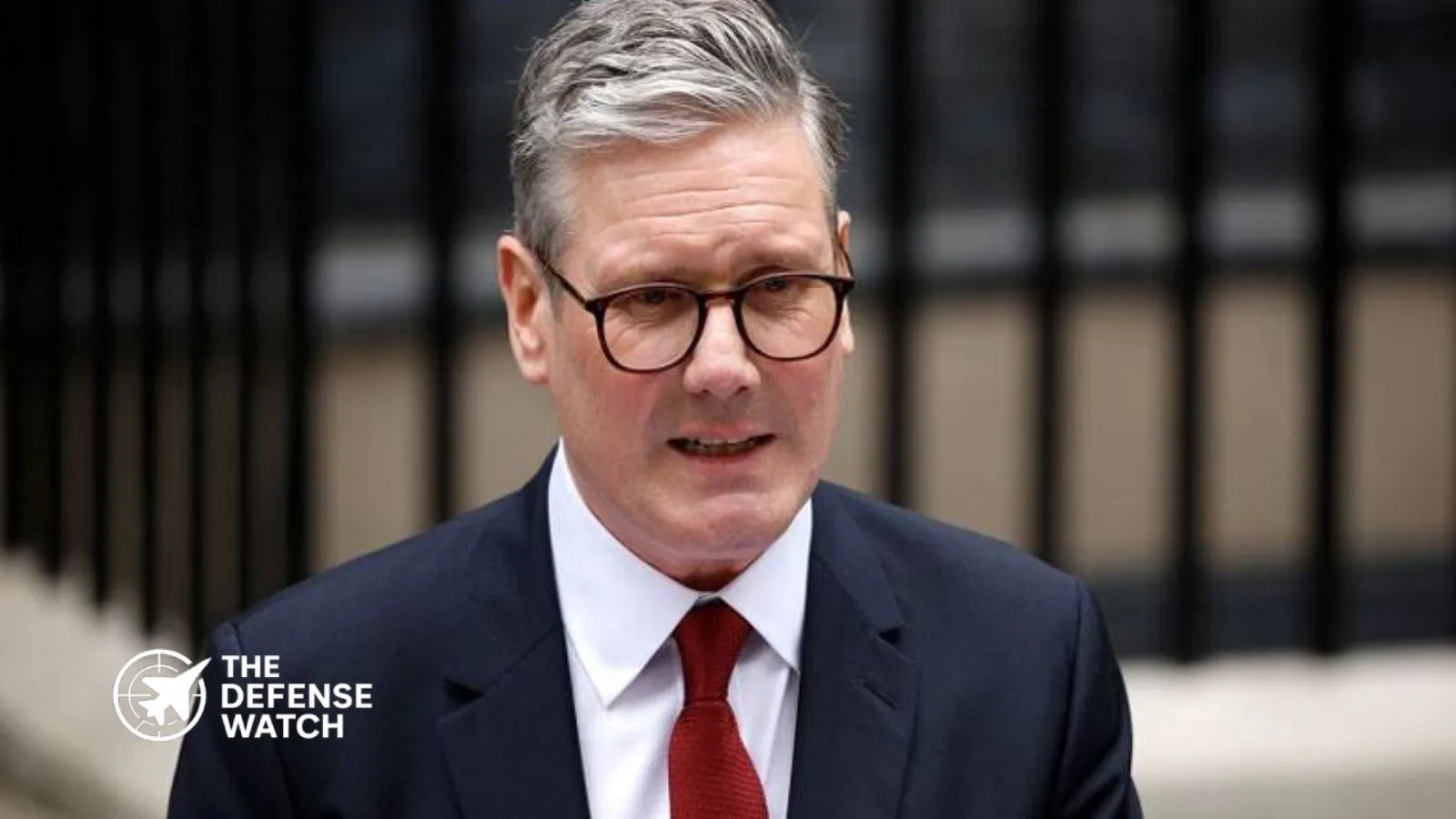
UK Iran conflict policy has taken a clear direction as Keir Starmer confirmed that Britain will not directly participate in military operations against Iran, while calling for an immediate end to hostilities in the Middle East.
Speaking during a press conference, Starmer stressed that London seeks to avoid escalation in the Gulf, citing both regional security risks and mounting economic pressures linked to the conflict.
The Big Picture
Rising tensions across the Middle East are placing renewed strain on global energy markets and maritime security, particularly around the Strait of Hormuz, a critical artery for global oil and gas shipments.
Western governments, including the United Kingdom, face a dual challenge. They must support regional stability and allied security interests while avoiding a broader war that could disrupt global supply chains and trigger economic shocks.
This approach reflects a broader NATO-aligned posture focused on deterrence without direct escalation, particularly in conflicts involving major regional powers.
What’s Happening
The UK government has formally ruled out direct military involvement in any war against Iran.
Starmer stated that Britain does not want a conflict in the Gulf and emphasized the need for immediate de-escalation. He linked the ongoing war to rising global prices for gas, oil, and fertilizers, underlining the economic dimension of the crisis.
The UK has also conducted a large-scale evacuation effort, bringing approximately 92,000 British nationals back from the region.
At the same time, London is coordinating with allies to restore maritime traffic flows, particularly in contested sea lanes affected by the conflict.
Starmer also indicated that diplomatic engagement with Iran would follow once hostilities subside, suggesting a long-term political track alongside short-term crisis management.
Why It Matters
The UK decision not to engage directly in the conflict reflects a calculated balance between alliance commitments and risk containment.
Direct military involvement could expose British forces to asymmetric threats, including missile attacks, drone strikes, and maritime disruption operations. Avoiding such exposure preserves operational flexibility while limiting escalation risks.
Energy security remains a central concern. Disruptions in the Strait of Hormuz can rapidly impact global oil supply, with downstream effects on industrial production, agriculture, and inflation.
The UK position also aligns with broader Western efforts to prevent a regional conflict from expanding into a multi-theater confrontation.
Strategic Implications
The UK Iran conflict policy reinforces a deterrence-by-presence model rather than direct combat engagement.
By supporting maritime security operations and coordinating with allies, Britain contributes to stabilizing critical sea lanes without becoming a primary combatant.
This approach preserves military readiness while avoiding resource diversion from other strategic priorities, including NATO commitments in Europe.
The emphasis on post-conflict diplomacy also signals that London views the crisis as ultimately requiring a negotiated resolution rather than a purely military outcome.
Competitor View
Russia may interpret Western restraint as an opportunity to expand diplomatic influence in the Middle East, particularly as Vladimir Putin seeks to position Moscow as an alternative mediator.
Iran is likely to view the UK stance as a signal of limited Western appetite for escalation, though continued allied maritime operations will still be seen as pressure on its regional posture.
Ukraine remains part of the broader geopolitical context, with Starmer confirming plans to engage with Volodymyr Zelenskyy, highlighting the interconnected nature of global conflicts and Western strategic priorities.
What To Watch Next
Maritime security operations in the Gulf will be a key indicator of how effectively allied forces can maintain freedom of navigation.
Diplomatic efforts toward a ceasefire or negotiated settlement will likely intensify once immediate hostilities stabilize.
Energy market volatility will continue to serve as a real-time measure of the conflict’s global impact.
Future UK defense posture adjustments may emerge depending on how the situation evolves, particularly if threats to shipping or allied assets increase.
Capability Gap
The crisis highlights a persistent gap in securing global maritime chokepoints against hybrid threats.
While Western navies maintain strong conventional capabilities, non-state and state-backed actors can disrupt shipping through drones, mines, and fast-attack craft.
The UK’s reliance on coalition operations underscores both the strength and limitation of allied maritime frameworks, effective but dependent on coordination and shared rules of engagement.
The Bottom Line
The UK is prioritizing de-escalation and maritime stability over direct intervention, signaling a cautious but strategic approach to the Iran conflict.
Get real time update about this post category directly on your device, subscribe now.
