U.S. Precision Airstrike Targets Iranian Tor-M1 System
A U.S. precision airstrike has destroyed a Russian-supplied Tor-M1 air defense system in Iranian service, marking another blow to Tehran’s short-range missile defenses during the ongoing Operation Epic Fury.
The U.S. Central Command (CENTCOM) confirmed the engagement as part of a broader campaign launched in late February 2026 to counter Iranian ballistic missile threats and degrade associated infrastructure. The Tor-M1 destruction aligns with efforts to suppress point-defense assets protecting missile launchers, command centers, and other strategic sites.
Background on the Tor-M1 in Iranian Inventory
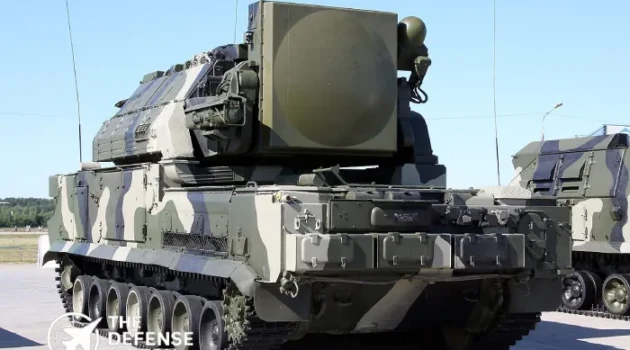
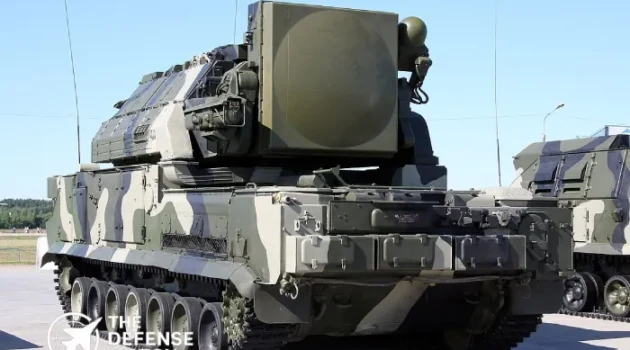
The Tor-M1, NATO-designated SA-15 Gauntlet, is a tracked, mobile short-range surface-to-air missile system developed by Russia. It features integrated target acquisition and fire-control radars, capable of engaging up to eight targets simultaneously from a suite of up to 48 tracked threats.
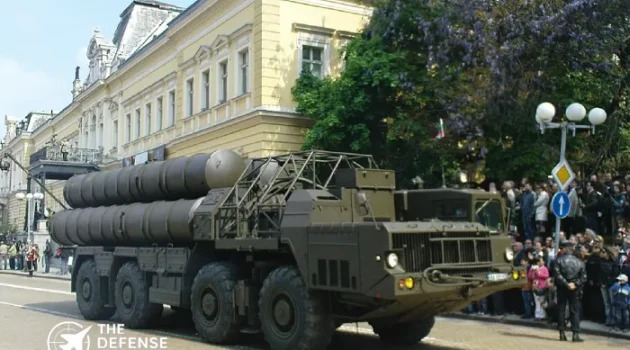
Iran acquired 29 Tor-M1 launchers and over 700 missiles from Russia under a 2005 contract, with deliveries completed between 2006 and 2007. These systems, operated primarily by Islamic Revolutionary Guard Corps (IRGC) units, form a critical inner-layer defense beneath longer-range assets like the S-300 and domestic Bavar-373.
The Tor-M1 excels in protecting high-value targets—such as nuclear facilities and command nodes—from low-altitude threats including aircraft, helicopters, cruise missiles, guided bombs, and drones. Its missiles achieve speeds over Mach 2, with engagement ranges of 12-15 km and altitudes up to 6 km. The system can operate on the move or from short halts, providing flexible “bubble” coverage.
Notably, an IRGC-operated Tor-M1 was responsible for the accidental downing of Ukraine International Airlines Flight PS752 in January 2020, highlighting both its capability and risks in high-tension environments.
As of assessments in 2025, all 29 systems remained operational, with no confirmed acquisitions of the upgraded Tor-M2 variant due to international sanctions.
Details of the Strike and Confirmation
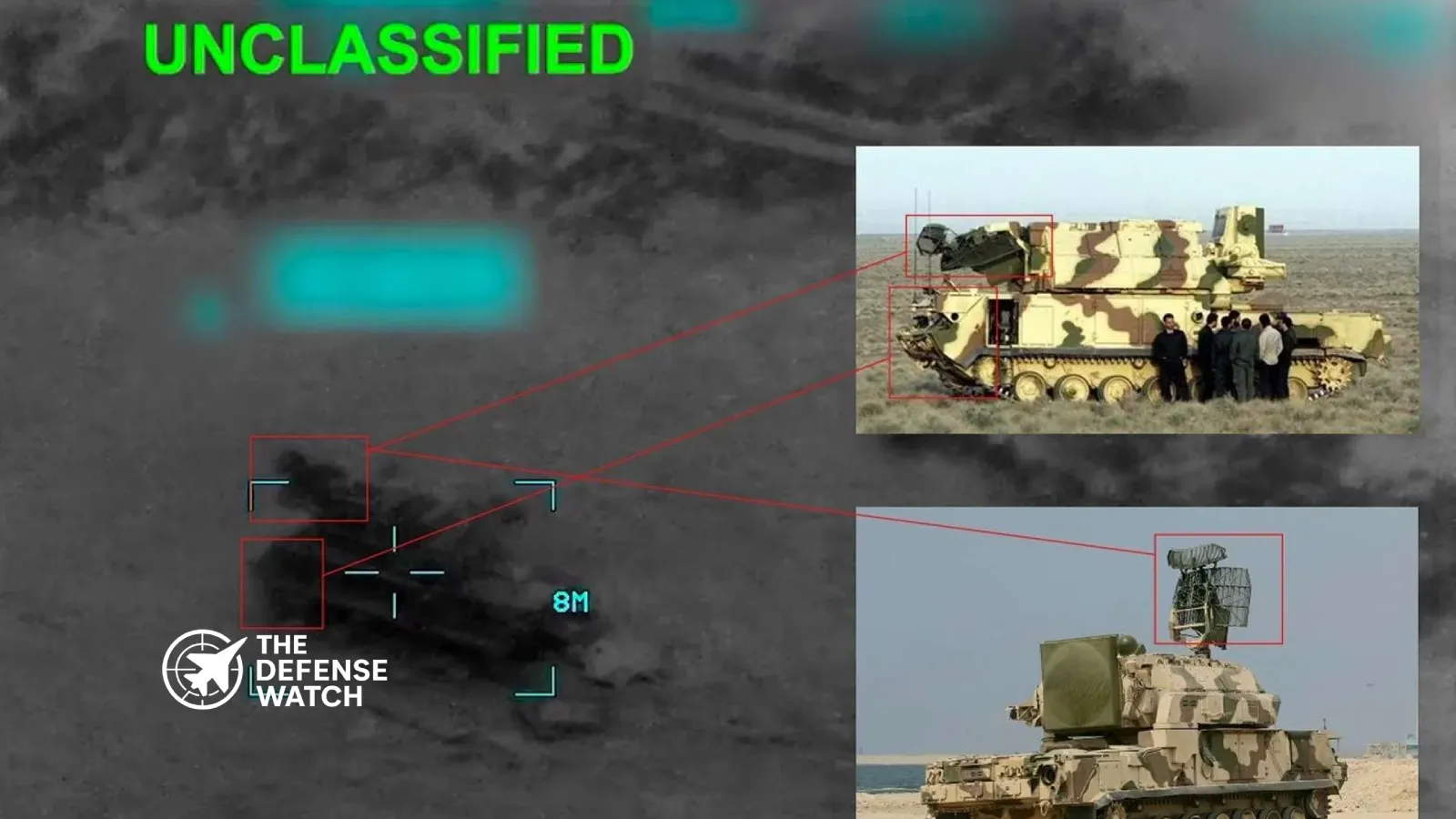
CENTCOM released official video footage on its X account showing a precision weapon striking the Tor-M1 vehicle moments after it launched a missile. The timing suggests deliberate targeting to neutralize active defenses during broader suppression operations.
The strike forms one element of Operation Epic Fury, which has involved U.S. air combat platforms, electronic warfare assets, stealth bombers like the B-2 Spirit, and ground-launched systems including the Precision Strike Missile (PrSM) and ATACMS from HIMARS. These efforts aim to dismantle Iran’s integrated air defense and missile capabilities following Tehran’s regional attacks.
Visually identified the destroyed system as a Tor-M1 based on the footage, consistent with Iran’s exclusive use of this variant.
CENTCOM statements emphasize U.S. resolve to “hunt” Iranian launch infrastructure, accusing Tehran of malicious ballistic missile use against military and civilian sites.
Strategic Implications for Iran’s Defenses
Destroying even one Tor-M1 reduces Iran’s already constrained short-range defense capacity. With only 29 launchers originally fielded and replacements hampered by sanctions, such losses widen vulnerabilities in low-altitude threat interception.
This enables greater freedom for U.S. and allied standoff munitions, drones, and manned aircraft in contested airspace. It also underscores the challenges faced by Russian-supplied systems against advanced precision targeting, a recurring theme in recent conflicts.
The incident occurs amid a high-intensity U.S.-Israeli campaign that has targeted command facilities, missile sites, and leadership elements, with significant escalation risks.
Iran’s responses have included retaliatory missile barrages against U.S. bases in the region, intercepted by systems like Patriot and THAAD.
Get real time update about this post category directly on your device, subscribe now.