
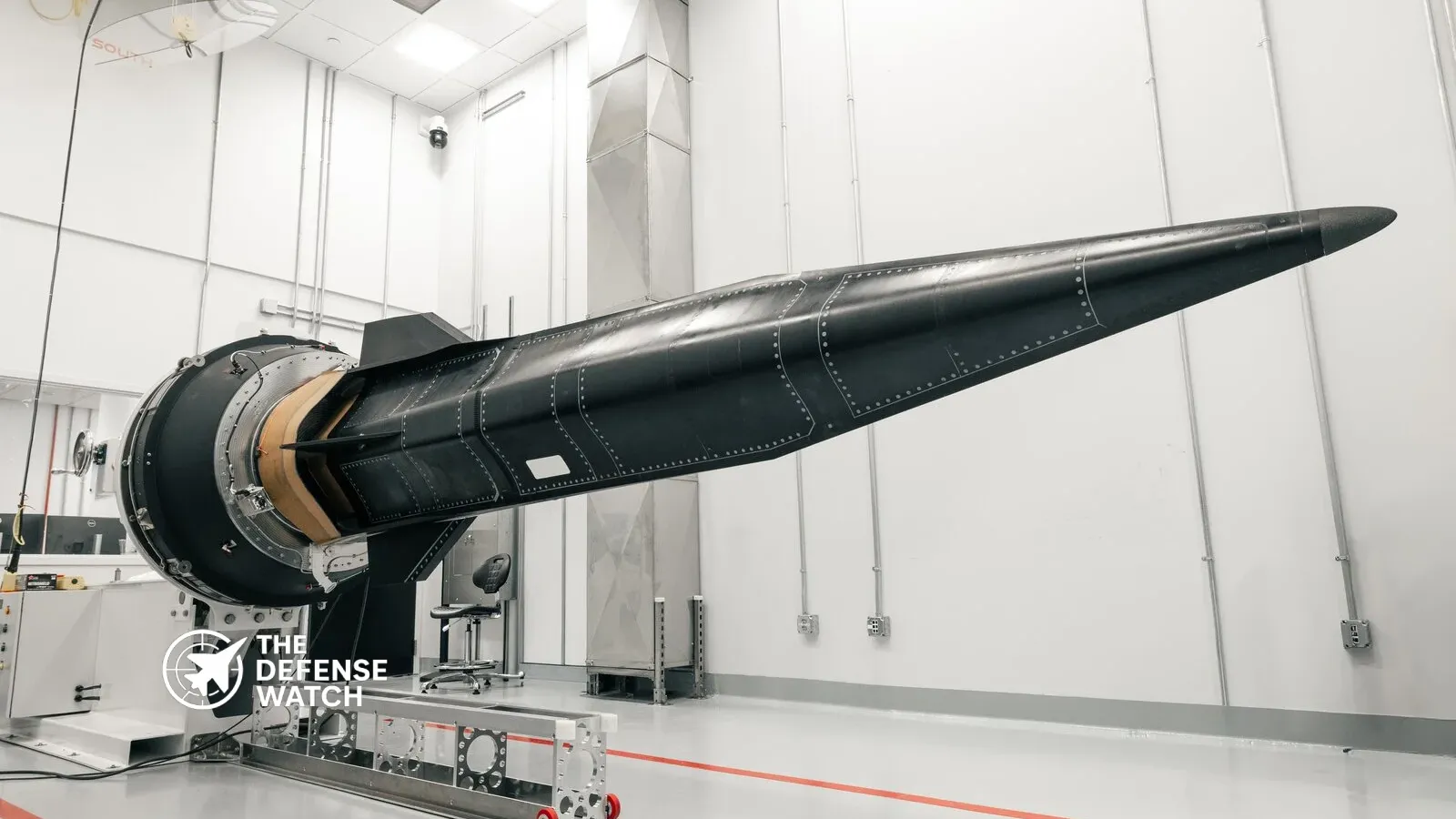
- ► Rocket Lab preparing new hypersonic test mission for U.S. Defense Innovation Unit.
- ► Mission to launch aboard Electron rocket to support rapid flight testing.
- ► Part of Pentagon effort to increase test cadence for hypersonic weapons.
- ► Commercial launch providers used to reduce cost and scheduling constraints.
- ► Reflects growing integration of private space firms into U.S. defense programs.
Rocket Lab Hypersonic Test Mission Advances U.S. Defense Testing Goals
The Rocket Lab hypersonic test mission for the Defense Innovation Unit marks another step in expanding commercial support for U.S. military hypersonic flight testing. The company confirmed it is preparing to launch its latest mission on behalf of the Defense Innovation Unit, or DIU, using its Electron rocket.
The mission is part of a broader Pentagon effort to accelerate hypersonic system development through more frequent and lower cost test opportunities. DIU has been working to tap commercial launch providers to supplement traditional government managed test programs, which often face scheduling bottlenecks and higher costs.
Rocket Lab’s role centers on providing dedicated launch services that enable rapid turnaround and tailored flight profiles, supporting the Defense Department’s push for faster experimentation cycles.
Expanding Commercial Support For Hypersonic Testing
The Rocket Lab hypersonic test mission builds on the company’s previous work with DIU to provide responsive launch services. Under DIU’s hypersonic and high speed systems portfolio, the Pentagon is seeking to increase the pace of flight testing to validate technologies such as guidance systems, thermal protection, and maneuvering capabilities at high Mach speeds.
According to Rocket Lab, the upcoming launch will use its Electron small launch vehicle, designed to place payloads into low Earth orbit but also adaptable for suborbital and specialized test missions. Electron’s dedicated launch model allows defense customers to avoid rideshare delays and gain precise control over mission timing and trajectory.
DIU has emphasized that rapid access to flight testing is critical as the United States competes with peer adversaries in the hypersonic domain. The Department of Defense has repeatedly stated that China and Russia have fielded operational hypersonic capabilities, prompting Washington to accelerate its own programs.
The use of commercial rockets aligns with the Pentagon’s broader strategy to leverage private sector innovation. The U.S. Space Force and other defense agencies have increasingly relied on firms like Rocket Lab and SpaceX to provide flexible and cost effective launch solutions.
Why Test Cadence Matters
Hypersonic weapons travel at speeds above Mach 5 and often maneuver unpredictably, placing extreme demands on propulsion, materials, and guidance systems. Unlike traditional ballistic missiles, many hypersonic glide vehicles and cruise missiles operate within the atmosphere, where thermal stress and aerodynamic forces are severe.
Frequent flight testing allows engineers to gather real world data on these stresses. It also reduces program risk by identifying integration issues early. Historically, hypersonic development programs have faced delays tied to limited range availability and scheduling constraints at government launch sites.
By using commercial launch providers, DIU aims to expand the number of available test windows. That approach supports the Pentagon’s stated goal of moving from occasional demonstration launches to a more regular testing rhythm.
The Rocket Lab hypersonic test mission therefore represents more than a single launch. It reflects a shift toward distributed, commercially enabled test infrastructure.
Strategic Context
The Department of Defense’s 2023 budget documents highlighted continued investment in hypersonic strike and defense systems. Programs such as the Army’s Long Range Hypersonic Weapon and the Navy’s Conventional Prompt Strike have advanced through successive test milestones.
At the same time, the Missile Defense Agency and other organizations are exploring counter hypersonic capabilities. Accelerating test campaigns supports both offensive and defensive research.
Industry participation has expanded accordingly. Rocket Lab’s involvement through DIU illustrates how smaller launch providers are carving out roles in national security missions that were once dominated by larger legacy contractors.
Analysts note that commercial providers offer not only cost advantages but also production agility. Electron rockets can be manufactured and prepared for flight on shorter timelines compared to traditional heavy launch vehicles.
Operational Implications
If successful, the Rocket Lab hypersonic test mission could reinforce the viability of using small launch vehicles for high speed weapon experimentation. That could open the door to more distributed test campaigns across multiple sites, increasing resilience and reducing reliance on a limited number of government ranges.
For the Defense Innovation Unit, demonstrating reliable commercial launch partnerships strengthens its mandate to bridge Silicon Valley and the Pentagon. DIU was established to speed the adoption of commercial technology for military use, and hypersonic testing is now a prominent example of that effort.
The mission also signals confidence in Electron’s performance envelope for specialized defense applications. While primarily known for deploying small satellites, the rocket’s adaptability positions it as a flexible platform for suborbital and research missions.
Broader Defense Industry Impact
The integration of companies like Rocket Lab into sensitive defense programs reflects a wider transformation in U.S. military acquisition. Commercial space firms are increasingly seen as strategic assets, not just service providers.
This trend mirrors developments in satellite communications, space domain awareness, and responsive launch. The Rocket Lab hypersonic test mission adds hypersonic experimentation to that list.
As global competition intensifies, the ability to iterate quickly and test often may prove decisive. Commercial partnerships provide one path to achieving that speed.
Get real time update about this post category directly on your device, subscribe now.
