
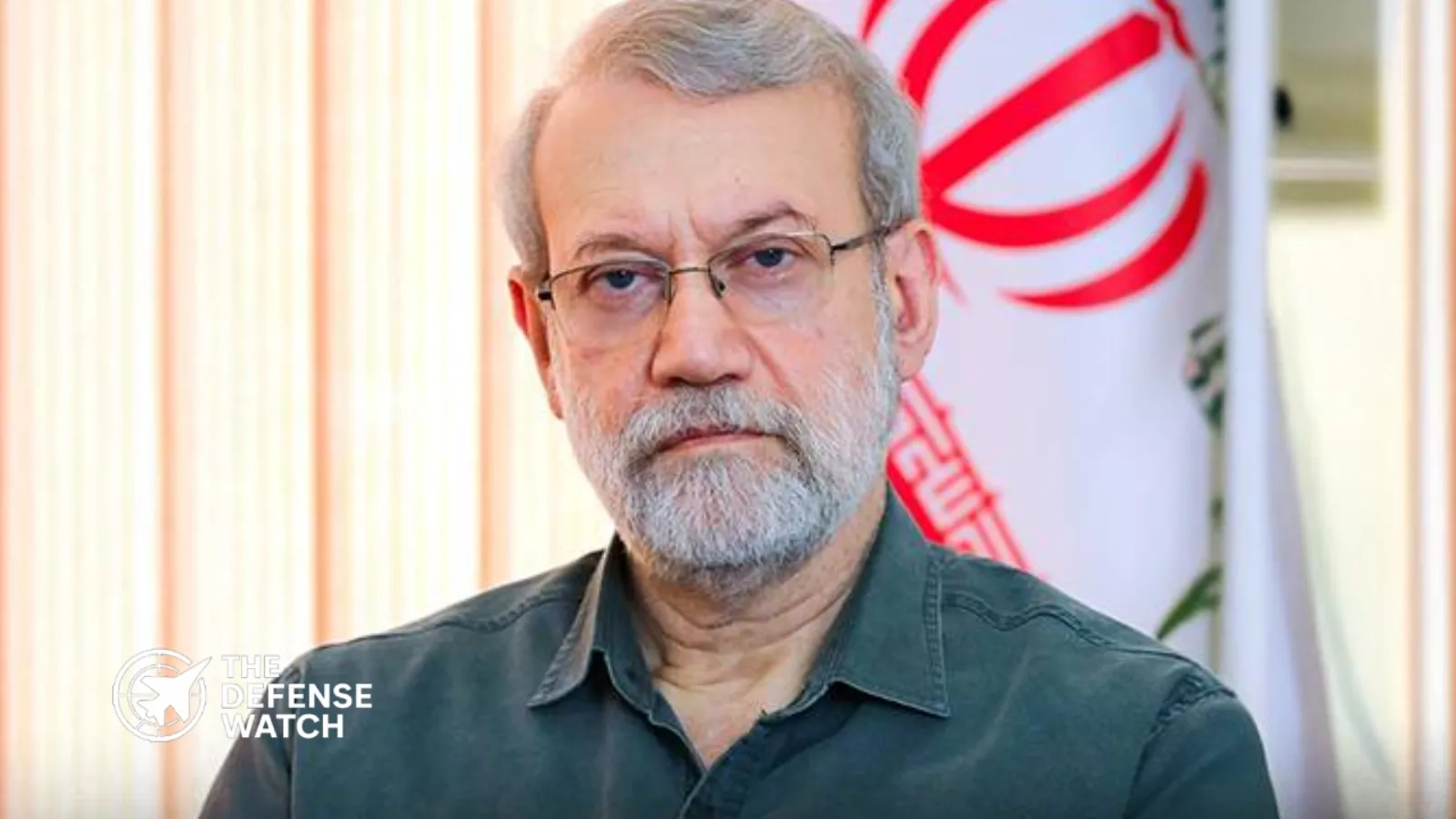
- Iran confirms death of senior security figure Ali Larijani.
- Larijani held key roles across Iran’s political and security apparatus.
- Development comes amid heightened regional military tensions involving Iran.
- Timing coincides with ongoing conflict dynamics affecting Iranian strategic posture.
- Leadership transition may impact Iran’s security coordination and decision making.
Iran Confirms Death Of Ali Larijani
Iran security chief Ali Larijani has died, according to official confirmation from Tehran, marking a significant development within the country’s political and security leadership structure.
The announcement comes at a time of heightened regional tensions, with Iran actively engaged in a complex security environment shaped by military operations, geopolitical rivalries, and internal coordination demands.
The Big Picture
Iran’s security architecture relies on a tightly interconnected network of political leaders, military commanders, and intelligence officials. Figures like Larijani often bridge civilian governance and national security decision making.
The loss of a senior figure at this level is not just symbolic. It affects institutional continuity at a time when Iran faces sustained external pressure, particularly from the United States and regional adversaries.
Iran’s strategic posture in the Middle East has become more assertive in recent years, combining conventional military capabilities with proxy networks and asymmetric warfare strategies. Leadership stability plays a key role in maintaining that posture.
What’s Happening
Iranian authorities confirmed the death of Ali Larijani, a prominent political figure who previously held senior roles including parliamentary leadership and advisory positions tied to national security.
Reports indicate that Larijani served in influential capacities connected to Iran’s broader security and political framework. His experience and access to leadership circles made him a key figure in policy coordination.
The announcement was made on March 18, 2026, though details surrounding the cause and circumstances of his death remain limited in public reporting.
Why It Matters
Leadership continuity is critical in states facing sustained external pressure. Iran’s decision making system depends on experienced figures who understand both domestic politics and strategic military considerations.
Larijani’s death removes a figure with deep institutional knowledge and long standing relationships across Iran’s political and security elite. That creates a potential gap in coordination, especially in crisis conditions.
The development also comes as Iran continues to manage military tensions in the region, including air operations, proxy engagements, and deterrence signaling. Leadership disruptions during such periods can affect response speed and policy alignment.
Strategic Implications
Iran’s military readiness depends on synchronized coordination between political leadership and organizations such as the Islamic Revolutionary Guard Corps. Senior political figures often play a quiet but critical role in aligning strategic objectives.
A leadership loss at this level may temporarily slow decision cycles or shift influence among competing factions within Iran’s power structure. That could affect how Iran calibrates its military posture in the near term.
Regional stability may also feel indirect effects. Allies and adversaries alike monitor leadership changes in Tehran closely, as these shifts can signal changes in policy direction or internal priorities.
Competitor View
The United States and its regional partners will likely assess this development through the lens of Iranian command resilience. Leadership turnover during periods of tension may be viewed as a potential vulnerability.
Russia and China, both of which maintain strategic ties with Iran, may interpret the event as a need for continuity in diplomatic and security coordination with Tehran.
Regional rivals such as Israel and Gulf states will focus on whether the leadership shift alters Iran’s operational tempo or strategic messaging.
What To Watch Next
Iran is expected to move quickly to ensure continuity in advisory and coordination roles tied to national security.
Key indicators to monitor include:
Appointments of replacement figures within Iran’s leadership structure
Changes in public messaging from Iranian officials
Any shifts in military activity or regional engagement patterns
Statements from senior leadership including Ali Khamenei
Capability Gap
Iran’s system is designed to absorb leadership losses through institutional redundancy, but individual experience still matters. Larijani’s long tenure gave him a unique understanding of both domestic politics and international strategy.
The immediate gap is not in military capability but in strategic coordination and advisory depth. Replacing that level of experience takes time, particularly during periods of active tension.
The Bottom Line
Iran confirms the death of Ali Larijani at a sensitive moment, introducing a leadership variable that could influence how Tehran manages regional security challenges.
Get real time update about this post category directly on your device, subscribe now.
