
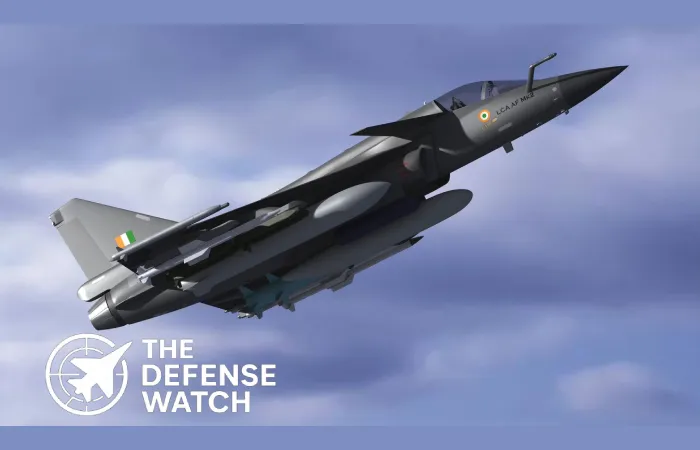
On November 21, 2025, an Indian Air Force (IAF) HAL Tejas light combat aircraft crashed during a demonstration flight at the Dubai Air Show, according to multiple media reports. The incident occurred around 2:10 PM local time at Al Maktoum International Airport, drawing onlookers as a plume of thick black smoke rose from the crash site.
The IAF confirmed the crash, stating that the pilot sustained fatal injuries. A court of inquiry has been constituted to determine the cause of the accident.
Background: The Tejas Fleet and Program
The LCA Tejas, developed by Hindustan Aeronautics Limited (HAL) in partnership with the Aeronautical Development Agency (ADA), is a lightweight, single-engine multirole fighter.
- It is central to India’s “Make in India” defense strategy, intended to reduce reliance on foreign fighters.
- Previous Tejas variants, like the Mk-1A, include upgrades such as AESA radar, advanced electronic warfare suites, and aerial refueling capability.
- In September 2025, India reportedly placed fresh orders with HAL for 97 Tejas jets, with deliveries expected to begin in 2027.
Preceding Controversy: Oil Leak Claims Debunked
Just days prior, social media circulated videos claiming a Tejas Mk-1 was leaking oil during the airshow.
- India’s Press Information Bureau (PIB) countered these claims, clarifying that the footage showed routine drainage of condensed water from the aircraft’s Environmental Control System (ECS) and On-Board Oxygen Generating System (OBOGS), especially common in humid environments.
- The Ministry of Defence described the leak narrative as “misleading” and “propaganda-driven.”
Analysis: Implications for Defense and Global Aerospace
1. Impact on India’s Aerospace Credibility
The Tejas crash during a high-profile international show is a major blow to India’s effort to market the aircraft to global customers. The incident could fuel reluctance among potential buyers, undermining export ambitions.
2. Safety and Reliability Spotlight
While the PIB dismissed earlier leak allegations as routine, the crash now raises serious questions about flight safety—especially for aerobatic maneuvers. If investigation finds design or maintenance flaws, it could trigger further scrutiny over HAL’s quality control and the Tejas’ reliability.
3. Export Strategy Risks
The Tejas is an important part of India’s defense export push. A public crash at an international trade show could erode confidence among foreign partners and delay or cancel pending deals.
4. Risk Management for International Airshows
Air show demonstration flights are inherently risky, and this accident underscores how live demonstrations expose manufacturers and air forces to reputational hazards. West-aligned defense buyers often compare such mishaps against Western platforms with proven track records.
5. Regional Security Implications
India continues to invest in the Tejas amid strategic competition with rivals like China and Pakistan. A crash raises concerns about sustainability of indigenous platforms and may pressure India to accelerate modernization or rely more on imported jets.
Conclusion: What Comes Next
India’s Tejas crash at the Dubai Air Show marks a tragic and potentially pivotal moment for its indigenous fighter program. The court of inquiry now underway will be closely watched by both domestic and international stakeholders. Depending on the outcome, this could prompt a reassessment of Tejas’s export viability, lead to engineering or training reforms, or influence India’s broader aerospace strategy.
Looking ahead, if the probe reveals systemic issues, India may need to bolster its quality assurance, pilot training, and safety protocols to reassure both its air force and prospective customers. On the other hand, a clear technical explanation and transparent findings could help mitigate reputational damage and preserve the Tejas program’s momentum.
Get real time update about this post category directly on your device, subscribe now.


1 comment
[…] Anduril says the development from clean-sheet design to first flight took just 556 days, showing a rapid development pace unusual in modern military aviation. […]