
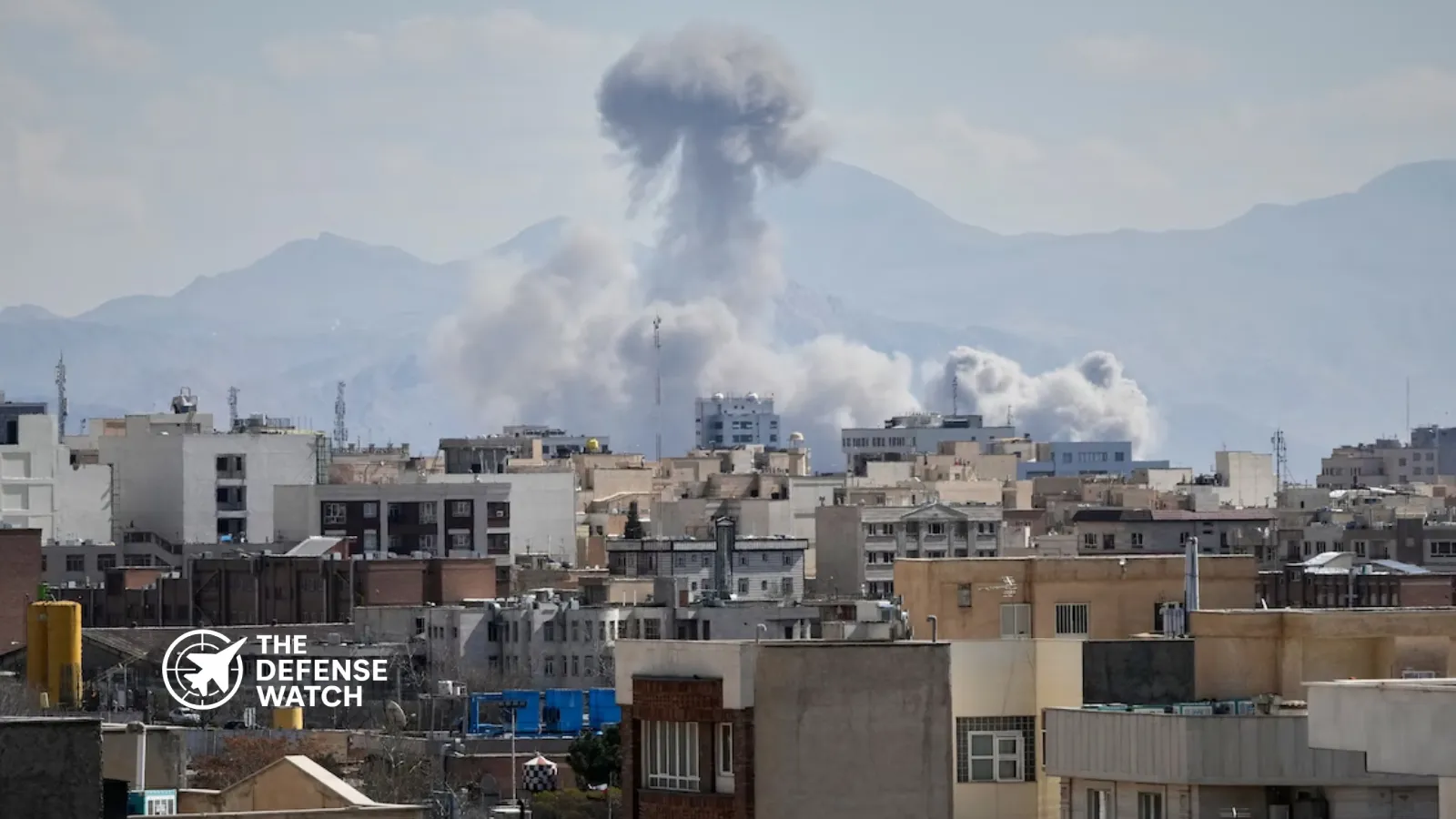
- ► The IDF says it struck more than 70 Hezbollah targets in southern Lebanon, including weapons storage and launch positions targeting forces and civilians.
- ► Israeli warnings and evacuation calls were issued ahead of strikes to reduce civilian harm.
- ► The latest action follows Hezbollah’s reported rocket and drone fire into northern Israel.
- ► Regional tensions are rising as Israel and allied forces respond to a wider escalation involving Iran and other fronts.
- ► The IDF states this operation seeks to disrupt Hezbollah’s capacity to threaten Israeli territory.
Israeli Forces Report Extensive Strikes In Southern Lebanon
Israeli Defense Forces (IDF) said early Monday they carried out a broad wave of strikes on infrastructure and positions belonging to the militant group Hezbollah in southern Lebanon and other areas after cross‑border attacks that included rocket and drone fire toward northern Israel. The IDF statement said more than 70 targets were hit, focusing on weapons storage, launch positions, and systems intended to support hostile operations against Israeli forces and civilians.
The military said it issued advance warnings and used precision munitions in combination with aerial observation assets to reduce the risk of harm to civilians before and during operations.
Context Of The Escalation
According to multiple reports, Hezbollah launched rockets and unmanned aerial systems toward Israeli territory early Monday, describing those actions as retaliation for broader regional developments. Regional media and military statements indicate that explosions were heard in Lebanese areas known to host Hezbollah infrastructure, including the southern suburbs of Beirut and the Bekaa Valley.
Israeli military leadership has characterized the latest round of strikes as part of a defensive campaign to degrade Hezbollah’s ability to attack Israeli territory. The IDF chief of staff described the operation as an offensive phase against Hezbollah that may be sustained depending on developments on the ground.
Efforts To Limit Civilian Harm
In public communications ahead of the operation, the IDF said it had taken measures to minimize civilian casualties, including issuing warnings through established channels and adjusting munitions choices to focus on precision. While such warnings have been a feature of past IDF operations in southern Lebanon, they do not eliminate risk to noncombatants in densely populated areas, particularly where militant infrastructure is embedded in civilian settings.
Broader Regional Dynamics
The strikes occur amid wider regional tensions. Recent coverage from international outlets notes that conflict dynamics have expanded beyond the Israel‑Hezbollah border into a broader confrontation involving Iran, regional partners, and third‑party states. These developments include separate air and missile exchanges and mobilization across several fronts.
Analysts state Hezbollah’s alliance with Tehran shapes its posture in Lebanon and influences both its operational reach and the risks of escalation along the northern border. The group’s array of rockets, missiles, and unmanned systems, some reportedly supplied or supported by Iran, has been a focal point of Israeli defense planning and targeting. Past reporting estimates Hezbollah’s arsenal includes both guided and unguided systems, a factor that complicates deterrence and operational planning.
What Comes Next
At the time of writing, there are no confirmed reports of a ceasefire or de‑escalation agreement. Both sides appear prepared to continue military actions unless diplomatic engagement or outside pressure alters the strategic incentives.
Get real time update about this post category directly on your device, subscribe now.
