
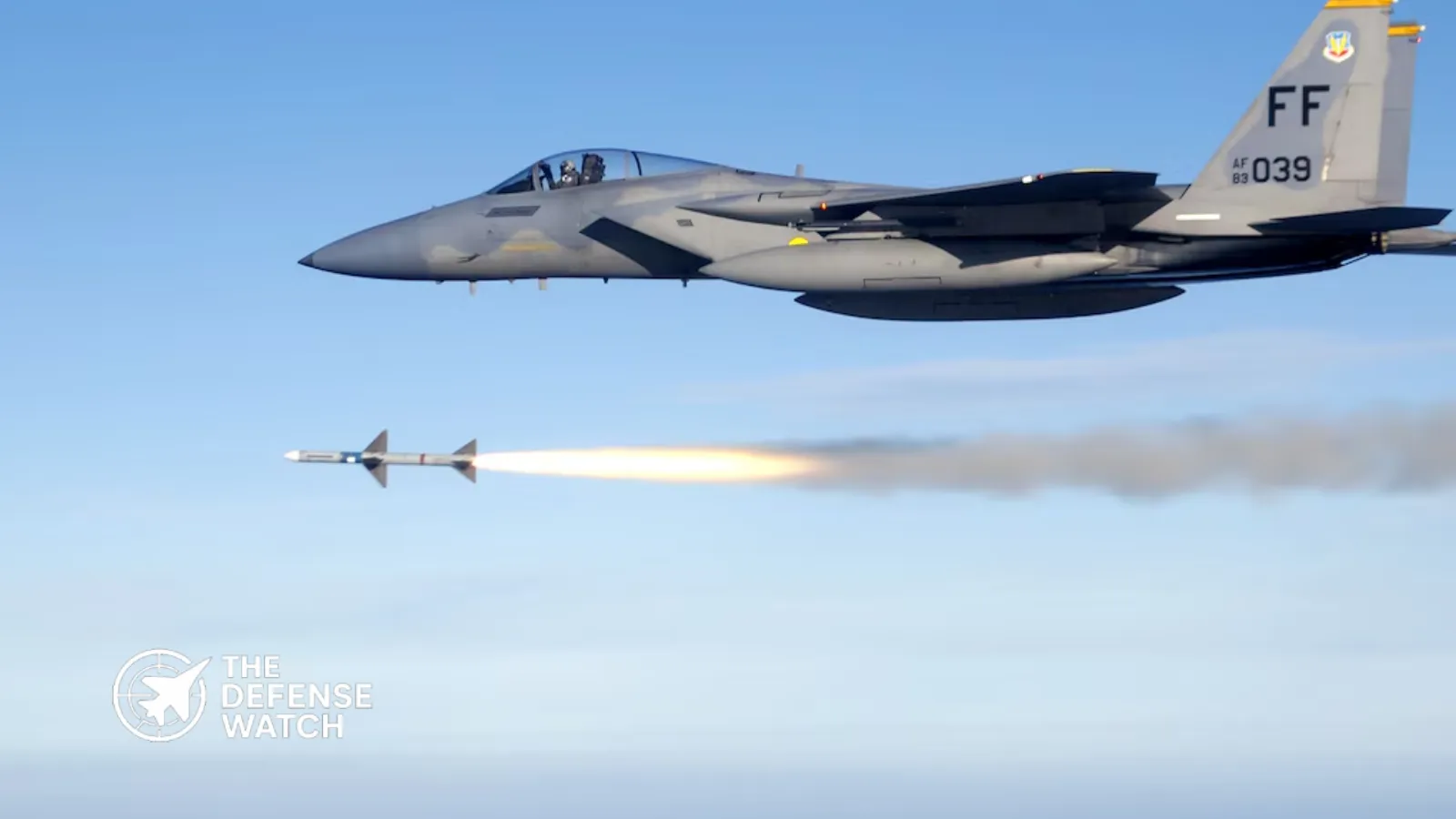
Canada Begins Delivering AIM Missiles to Ukraine to Strengthen Air Defense
Canada begins delivering AIM missiles to Ukraine as part of new air defense support, following heavy Russian air attacks that have strained Kyiv’s interceptor stocks. Canadian Defence Minister David McGuinty pledged the assistance in December 2025, and the first shipments of surplus AIM-7 and AIM-9 components are now reaching Ukrainian forces.
The delivery aims to help Ukraine refill its air defense interceptor inventory, critical for countering Russian strikes on energy infrastructure and other strategic targets.
Canadian AIM Missile Deliveries Begin
On Friday Ukrainian Defence Minister Mykhailo Fedorov announced on X that Canada has started sending AIM missiles to bolster Ukraine’s air defenses. Fedorov said the delivery addresses severe shortages of interceptors after months of relentless Russian aerial attacks.
Canada’s package includes surplus components from Canadian Armed Forces stocks, specifically AIM-7 and AIM-9 missile motors and ancillary equipment. McGuinty first outlined the aid commitment in late 2025, with deliveries slated to start in early 2026.
What Ukraine Receives
The Canadian shipment focuses on parts and components needed to support existing air defense missiles rather than complete, ready-to-fire rounds. The main elements include:
• AIM-7 Sparrow missile motors and related ancillary gear
• AIM-9 Sidewinder motors and support equipment
These components are intended to help Ukraine refurbish or remanufacture interceptors that can be used in systems like NASAMS, Patriot, or similar launchers when compatible. Canada’s contribution taps surplus inventory from its own forces.
Why Interceptors Matter Now
Ukraine’s air defense networks have been under sustained pressure as Russian forces continue to strike power grids, critical infrastructure, and logistics hubs. Interceptor missiles, which are launched to destroy incoming threats, are a key element of layered air defense.
Canada Begins Delivering AIM Missiles to Ukraine to Strengthen Air DefenseCanada begins delivering AIM missiles to Ukraine as part of new air defense support, following heavy Russian air attacks that have strained Kyiv’s interceptor stocks. Canadian Defence Minister David McGuinty pledged the assistance in December 2025, and the first shipments of surplus AIM-7 and AIM-9 components are now reaching Ukrainian forces.The delivery aims to help Ukraine refill its air defense interceptor inventory, critical for counteringRussian strikes on energy infrastructure and other strategic targets.Canadian AIM Missile Deliveries BeginOn Friday Ukrainian Defence Minister Mykhailo Fedorov announced on X that Canada has started sending AIM missiles to bolster Ukraine’s air defenses. Fedorov said the delivery addresses severe shortages of interceptors after months of relentless Russian aerial attacks.Canada’s package includes surplus components from Canadian Armed Forces stocks, specifically AIM-7 and AIM-9 missile motors and ancillary equipment. McGuinty first outlined the aid commitment in late 2025, with deliveries slated to start in early 2026.What Ukraine ReceivesThe Canadian shipment focuses on parts and components needed to support existing air defense missiles rather than complete, ready-to-fire rounds. The main elements include:• AIM-7 Sparrow missile motors and related ancillary gear • AIM-9 Sidewinder motors and support equipmentThese components are intended to help Ukraine refurbish or remanufacture interceptors that can be used in systems like NASAMS, Patriot, or similar launchers when compatible. Canada’s contribution taps surplus inventory from its own forces.Why Interceptors Matter NowUkraine’s air defense networks have been under sustained pressure as Russian forces continue to strike power grids, critical infrastructure, and logistics hubs. Interceptor missiles, which are launched to destroy incoming threats, are a key element of layered air defense.Ukrainian officials have repeatedly warned of shortages in interceptors even as Western partners provide radars, launchers, and other hardware. Without sufficient interceptors, systems cannot fire to defend against cruise missiles, drones, and aircraft. Canada’s shipment, though focused on components, aims to ease part of that shortfall.How These Missiles Fit Ukrainian NeedsThe AIM-7 Sparrow is a medium-range radar-guided air-to-air missile first introduced in the 1950s and widely exported. Though older by modern standards, stocks of its motors and parts remain useful to Ukraine when integrated into ground-based interceptors, provided the necessary guidance and launch interfaces are in place.The AIM-9 Sidewinder is a short-range infrared-guided missile widely used by NATO air forces. Sidewinder motors and components can similarly be repurposed by Ukrainian technicians to support ground-launched interceptors or hybrid systems that accommodate these round types.Ukraine has already demonstrated an ability to adapt diverse missile stocks to fill gaps in its defense network, working with partners to combine foreign components with domestically produced systems or modified launch platforms.Canadian and Allied Support ContextCanada has been a consistent supporter of Ukraine since the start of Russia’s expanded invasion in 2022. Its military aid has included armored vehicles, artillery systems, ammunition, training, and financial support alongside contributions to multinational trust funds.The AIM missile deliveries build on that record by targeting a specific and pressing shortfall in Ukraine’s air defense interceptor inventory. This move aligns with similar efforts by other NATO and partner countries to supply components, rounds, and air defense systems.In December 2025, McGuinty said Canada would donate surplus equipment including AIM-7 and AIM-9 components, tying the transfer to Ukraine’s needs and Canada’s ability to release stocks without degrading its own defenses. Deliveries were described as starting in early 2026.Ukrainian ReactionUkrainian officials welcomed the shipments as a step toward relieving interceptor shortages. Fedorov’s announcement highlighted the urgency of replenishing defensive ammunition as Russian air strikes continued. He framed Canada’s contribution as practical help at a time when every additional interceptor can make a difference in protecting cities, infrastructure, and military assets.Operational ImpactThe arrival of AIM-7 and AIM-9 components does not immediately translate into fully operational interceptors. Ukrainian air defense units will need to integrate these parts with compatible platforms and ensure effective guidance and launch solutions. Given the modular approaches Ukraine has used previously, expedited integration is possible but requires technical work and testing.Over time, these parts could allow Ukraine to refurbish older missiles or build new interceptors that work with existing fire control systems. This helps sustain longer-term air defense capability beyond what stocks of ready-to-fire interceptors alone could offer.Broader Air Defense SupportCanada’s contribution comes as Western allies coordinate to provide Ukraine with air defense systems ranging from short-range to high-altitude engagements. The United States, European NATO members, and other partners have sent systems including Patriot batteries, NASAMS, IRIS-T units, and additional support equipment in recent years. These efforts aim to create layered protection against a range of aerial threats.Each contribution, including missile components and interceptors, plugs gaps in Ukraine’s defenses and helps reduce vulnerability to attacks that degrade civilian infrastructure and military logistics.What Comes NextCanada’s delivery marks the start of what may be further shipments of missile components or systems if needs and stocks allow. Continued coordination among NATO and partner states is likely, with each country adjusting contributions based on operational priorities and inventories.For Ukraine, every shipment of interceptors, components, or systems is part of a broader push to sustain defense in the face of ongoing aerial campaigns. Integrating new stock, training operators, and managing logistics remain critical tasks even after hardware arrives.Ukrainian officials have repeatedly warned of shortages in interceptors even as Western partners provide radars, launchers, and other hardware. Without sufficient interceptors, systems cannot fire to defend against cruise missiles, drones, and aircraft. Canada’s shipment, though focused on components, aims to ease part of that shortfall.
How These Missiles Fit Ukrainian Needs
The AIM-7 Sparrow is a medium-range radar-guided air-to-air missile first introduced in the 1950s and widely exported. Though older by modern standards, stocks of its motors and parts remain useful to Ukraine when integrated into ground-based interceptors, provided the necessary guidance and launch interfaces are in place.
The AIM-9 Sidewinder is a short-range infrared-guided missile widely used by NATO air forces. Sidewinder motors and components can similarly be repurposed by Ukrainian technicians to support ground-launched interceptors or hybrid systems that accommodate these round types.
Ukraine has already demonstrated an ability to adapt diverse missile stocks to fill gaps in its defense network, working with partners to combine foreign components with domestically produced systems or modified launch platforms.
Canadian and Allied Support Context
Canada has been a consistent supporter of Ukraine since the start of Russia’s expanded invasion in 2022. Its military aid has included armored vehicles, artillery systems, ammunition, training, and financial support alongside contributions to multinational trust funds.
The AIM missile deliveries build on that record by targeting a specific and pressing shortfall in Ukraine’s air defense interceptor inventory. This move aligns with similar efforts by other NATO and partner countries to supply components, rounds, and air defense systems.
In December 2025, McGuinty said Canada would donate surplus equipment including AIM-7 and AIM-9 components, tying the transfer to Ukraine’s needs and Canada’s ability to release stocks without degrading its own defenses. Deliveries were described as starting in early 2026.
Ukrainian Reaction
Ukrainian officials welcomed the shipments as a step toward relieving interceptor shortages. Fedorov’s announcement highlighted the urgency of replenishing defensive ammunition as Russian air strikes continued. He framed Canada’s contribution as practical help at a time when every additional interceptor can make a difference in protecting cities, infrastructure, and military assets.
Operational Impact
The arrival of AIM-7 and AIM-9 components does not immediately translate into fully operational interceptors. Ukrainian air defense units will need to integrate these parts with compatible platforms and ensure effective guidance and launch solutions. Given the modular approaches Ukraine has used previously, expedited integration is possible but requires technical work and testing.
Over time, these parts could allow Ukraine to refurbish older missiles or build new interceptors that work with existing fire control systems. This helps sustain longer-term air defense capability beyond what stocks of ready-to-fire interceptors alone could offer.
Broader Air Defense Support
Canada’s contribution comes as Western allies coordinate to provide Ukraine with air defense systems ranging from short-range to high-altitude engagements. The United States, European NATO members, and other partners have sent systems including Patriot batteries, NASAMS, IRIS-T units, and additional support equipment in recent years. These efforts aim to create layered protection against a range of aerial threats.
Each contribution, including missile components and interceptors, plugs gaps in Ukraine’s defenses and helps reduce vulnerability to attacks that degrade civilian infrastructure and military logistics.
What Comes Next
Canada’s delivery marks the start of what may be further shipments of missile components or systems if needs and stocks allow. Continued coordination among NATO and partner states is likely, with each country adjusting contributions based on operational priorities and inventories.
For Ukraine, every shipment of interceptors, components, or systems is part of a broader push to sustain defense in the face of ongoing aerial campaigns. Integrating new stock, training operators, and managing logistics remain critical tasks even after hardware arrives.
Get real time update about this post category directly on your device, subscribe now.

