KEY FACTS AT A GLANCE
- The Missile Defense Agency awarded Raytheon a contract modification worth $1.36 billion for SM-3 Block IB interceptor production.
- The contract includes 23 additional SM-3 Block IB All-Up Rounds, bringing the total order to 78 interceptors.
- Funding also supports restarting the SM-3 Block IB production line after a pause in manufacturing.
- Work will take place in Tucson, Arizona and Huntsville, Alabama with completion expected by May 2030.
- The expanded contract raises the total value of the broader program to more than $3.31 billion.
SM-3 Block IB Missile Production Restarts Under Major Raytheon Contract
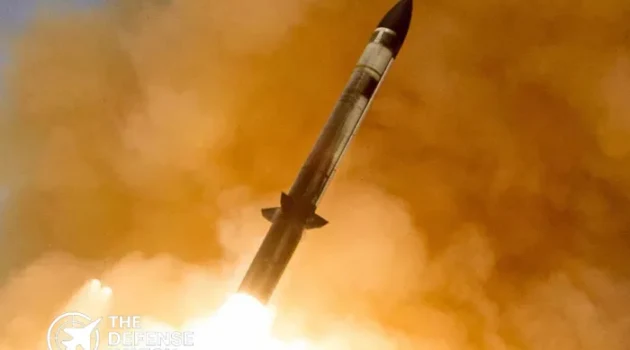
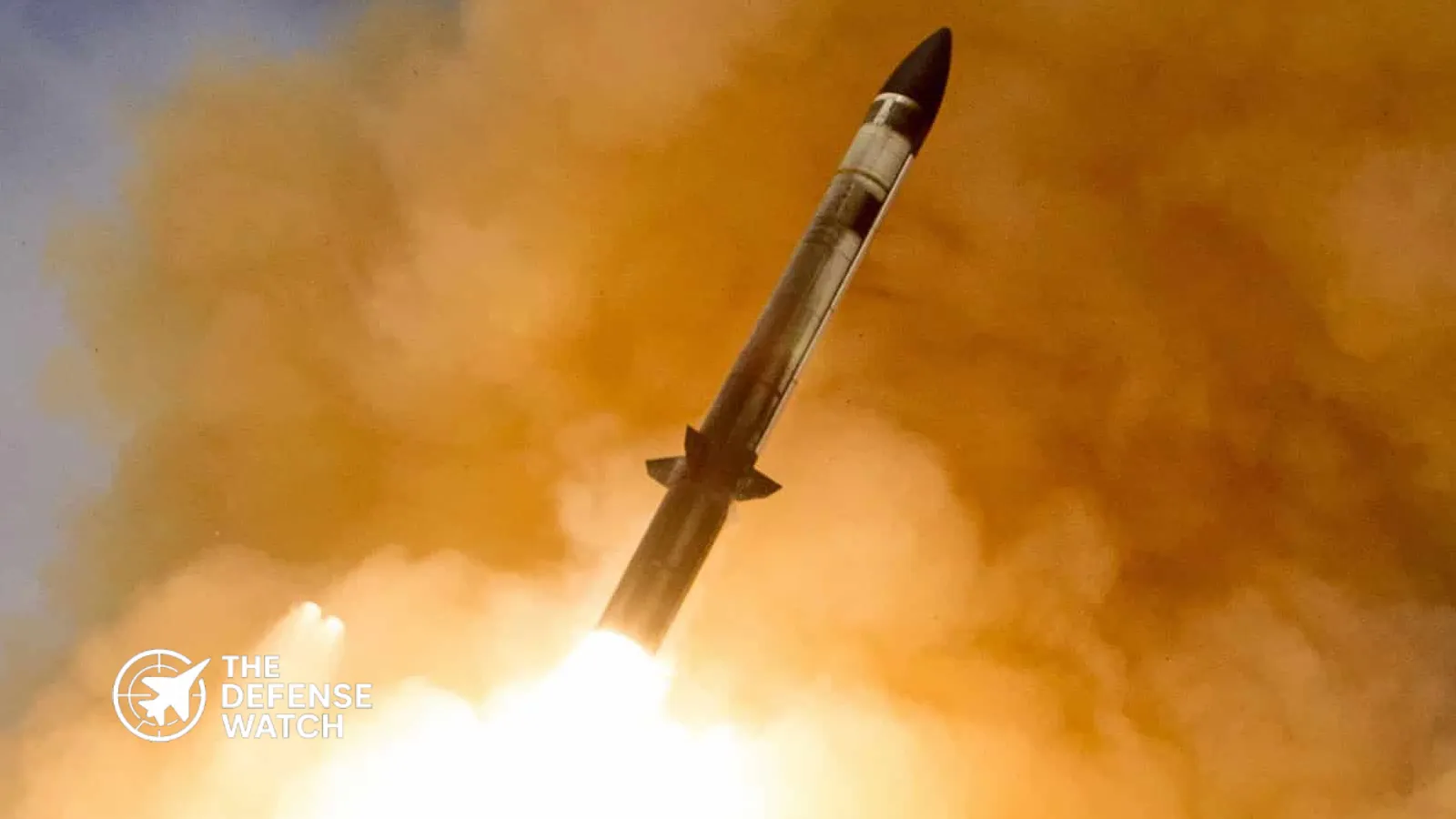
The SM-3 Block IB missile program is receiving renewed investment after the Missile Defense Agency awarded Raytheon a contract modification worth $1.36 billion to produce additional interceptors and restart a previously paused production line.
The contract modification definitizes two earlier undefinitized contract actions and funds the procurement of 23 additional Standard Missile-3 Block IB All-Up Rounds (AURs). Once delivered, the total number of interceptors under the contract will reach 78 missiles.
The award increases the total value of the broader contract to approximately $3.31 billion, according to the U.S. Department of Defense.
The Big Picture
Ballistic missile defense remains a central element of U.S. military strategy as the United States faces expanding missile threats from countries such as China, Russia, Iran, and North Korea.
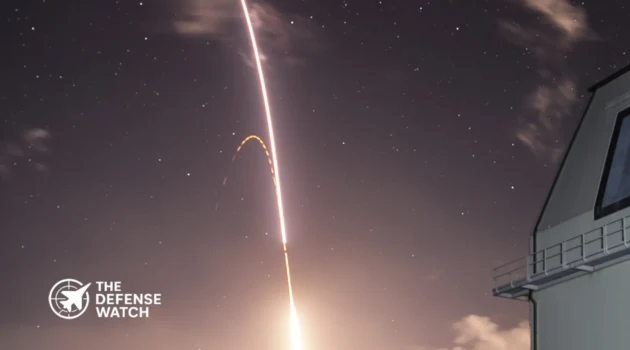
The Standard Missile-3 interceptor family forms a critical layer of the U.S. Navy’s sea-based ballistic missile defense architecture. Deployed aboard Aegis-equipped destroyers and cruisers, SM-3 interceptors destroy short- and intermediate-range ballistic missiles during the midcourse phase of flight outside the Earth’s atmosphere.
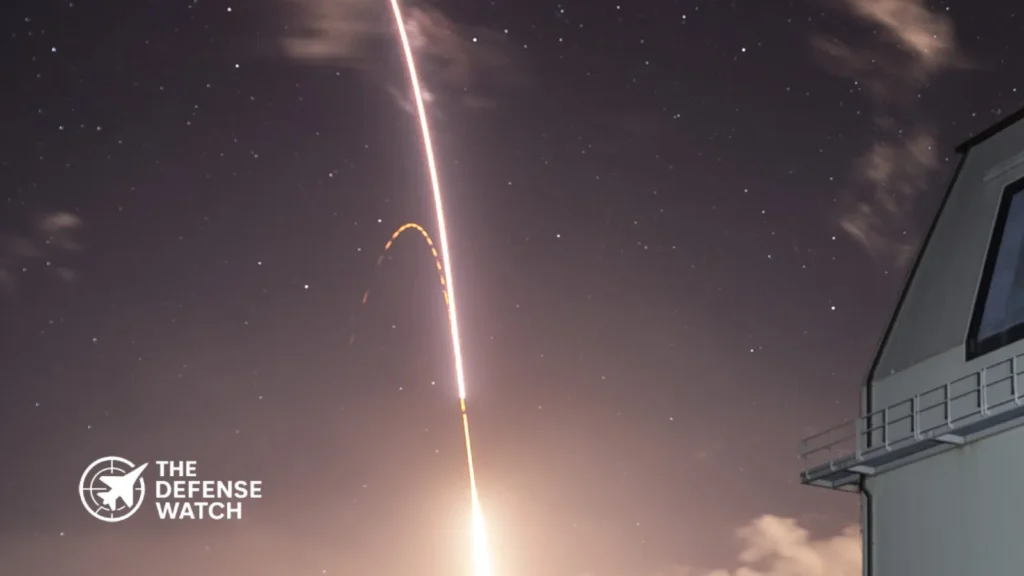
The renewed investment in the SM-3 Block IB missile comes as the United States continues expanding its integrated missile defense network, which includes naval interceptors, ground-based interceptors, and advanced radar systems.
The contract also reflects growing demand for interceptors as the Pentagon seeks to maintain sufficient stockpiles while supporting allies that operate Aegis ballistic missile defense systems.
What’s Happening
The Missile Defense Agency (MDA) awarded the contract modification to Raytheon in Tucson, Arizona, under an existing agreement for SM-3 Block IB interceptor production.
The modification definitizes two earlier contract actions and adds funding for additional missiles.
Key details include:
- Contract value of modification: $1,365,912,456
- Total contract value after modification: $3,314,625,961
- Additional interceptors: 23 SM-3 Block IB All-Up Rounds
- Total missiles under contract: 78
- Completion timeline: May 2030
The contract also includes one-time costs to restart the SM-3 Block IB production line, which had previously slowed as newer missile variants entered development.
Production work will take place in Tucson, Arizona, where Raytheon manufactures missile systems, and Huntsville, Alabama, a major U.S. missile defense engineering hub.
Funding comes from fiscal year 2024 and fiscal year 2025 procurement budgets, which fully finance the effort at the time of award.
Why It Matters
Restarting SM-3 Block IB missile production highlights a key challenge in modern missile defense: maintaining sufficient interceptor inventories while developing newer systems.
Even as the United States moves forward with advanced variants such as the SM-3 Block IIA, existing interceptors remain operationally relevant. Many naval vessels and allied missile defense networks still rely on the Block IB configuration.
Reopening a production line ensures the U.S. military can replenish interceptor stocks that may be used during testing, operational deployments, or contingency scenarios.
Missile defense planners increasingly emphasize inventory depth because ballistic missile defense interceptors are single-use weapons. Once launched, they cannot be recovered or reused.
This reality requires sustained production capacity to maintain readiness.
Strategic Implications
The SM-3 Block IB missile plays a central role in the Navy’s Aegis Ballistic Missile Defense system, which provides mobile protection against regional missile threats.
Aegis destroyers deployed in regions such as the Indo-Pacific, Europe, and the Middle East rely on SM-3 interceptors to counter potential ballistic missile attacks.
Increasing interceptor inventory strengthens several aspects of U.S. defense posture:
• Protection of forward-deployed forces
• Defense of allied territories
• Reinforcement of naval ballistic missile defense patrolsThe restart of production also reinforces the industrial base supporting missile defense systems. Maintaining manufacturing capacity for complex interceptors remains a strategic priority for the Pentagon.
Missile defense systems often require specialized components and long production timelines, making supply chain continuity essential.
Competitor View
Strategic competitors closely monitor developments in U.S. missile defense capabilities.
China and Russia have both criticized U.S. interceptor programs, arguing that expanding missile defense systems could undermine strategic deterrence by reducing the effectiveness of adversary missile forces.
Regional actors such as Iran and North Korea also track improvements to U.S. and allied missile defense networks.
While the SM-3 Block IB missile focuses primarily on regional ballistic missile threats rather than intercontinental weapons, expanded interceptor inventories complicate the planning of missile-based strike strategies.
For U.S. allies operating Aegis-equipped ships or missile defense installations, additional interceptors strengthen deterrence by increasing the likelihood that missile attacks could be intercepted.
What To Watch Next
Several developments will shape the future of the SM-3 interceptor program in the coming years.
Production ramp-up will begin as Raytheon restarts the Block IB manufacturing line. Deliveries will continue through the end of the decade, with completion scheduled for May 2030.
At the same time, the Pentagon continues deploying the more advanced SM-3 Block IIA interceptor, developed jointly with Japan.
The coexistence of multiple interceptor variants suggests the Navy will continue using a layered missile defense approach, combining different interceptor types optimized for varying threat ranges and engagement scenarios.
Missile defense planners are also studying next-generation interceptors and improvements to sensor networks that guide interceptors toward incoming targets.
Capability Gap
The restart of SM-3 Block IB missile production addresses a practical capability gap in interceptor availability.
Ballistic missile defense operations require a large number of interceptors to maintain effective coverage across multiple regions.
Operational planning often assumes that several interceptors may be required to ensure the successful interception of a single incoming missile.
Maintaining interceptor inventory therefore becomes a critical component of overall defense readiness.
At the same time, the Block IB interceptor has limitations compared with newer variants. Its engagement envelope is smaller than the SM-3 Block IIA, and it focuses primarily on short- and intermediate-range ballistic missile threats.
Despite those limits, the missile remains a reliable component of the Aegis missile defense architecture.
The Bottom Line
The United States is expanding SM-3 Block IB missile production to reinforce interceptor inventories and sustain a critical layer of sea-based ballistic missile defense.
Get real time update about this post category directly on your device, subscribe now.