Executive Summary:
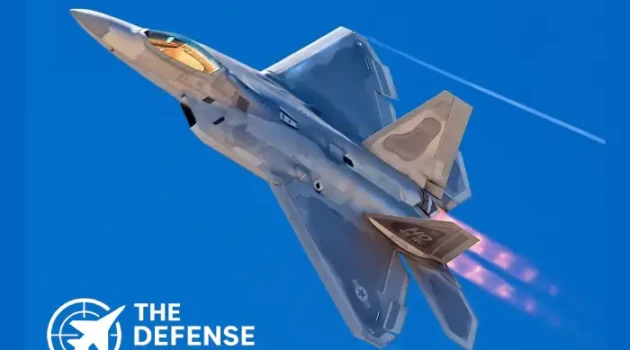
Qarbon Aerospace has returned to the U.S. Air Force’s F-22 Raptor program after securing a contract to manufacture composite structures supporting long term fleet sustainment. The award strengthens the industrial base responsible for maintaining America’s premier air superiority fighter while helping preserve aircraft availability as the Air Force continues operating the platform into the next decade.
Qarbon Aerospace Returns To F-22 Raptor Program With Composite Structures Contract
Qarbon Aerospace has secured a new contract to support the F-22 Raptor sustainment program by supplying advanced composite structures for the U.S. Air Force’s fifth generation air superiority fighter. The company announced the award as part of its renewed participation in one of the Pentagon’s highest priority aircraft sustainment efforts, reinforcing the industrial capability required to keep the stealth fleet mission ready.
- Qarbon Aerospace Returns To F-22 Raptor Program With Composite Structures Contract
- Composite Structures Remain Critical To F-22 Sustainment
- Supporting America’s Air Superiority Fleet
- Expanding Industrial Base Resilience
- Technical Challenges Of Sustaining The F-22
- Strategic Importance For The U.S. Air Force
- Analysis: Why This Contract Matters Beyond One Supplier
- Looking Ahead
According to Qarbon Aerospace, the contract marks the company’s return to the F-22 program after previously contributing composite components during earlier production phases. The latest agreement focuses on manufacturing structural composite assemblies that will support long term maintenance, repairs, and lifecycle sustainment of the operational fleet.
Composite Structures Remain Critical To F-22 Sustainment
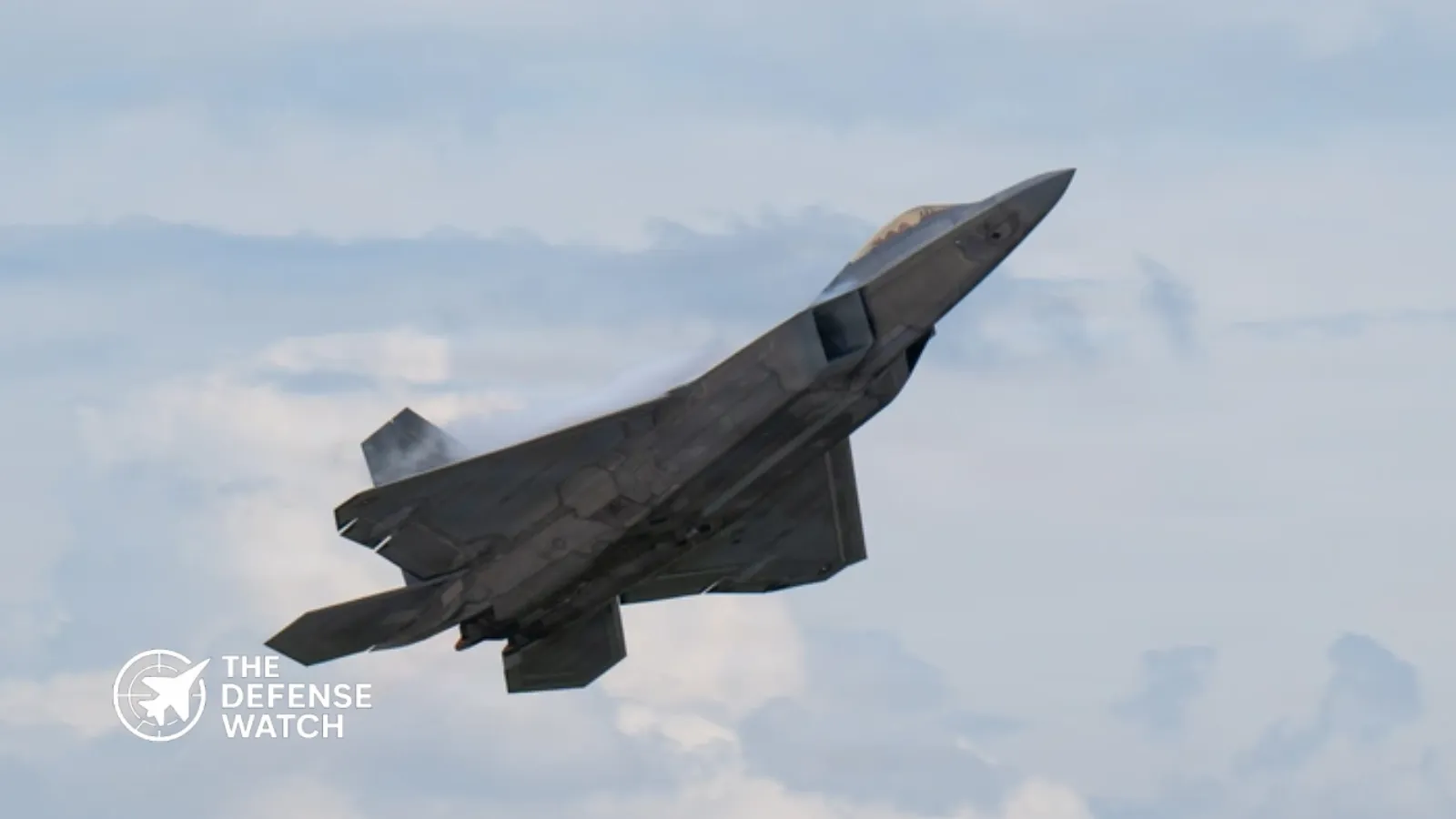
Unlike conventional aluminum airframes, the F-22 relies extensively on advanced composite materials throughout its structure. These lightweight components reduce overall aircraft weight while maintaining exceptional strength and contributing to the fighter’s low observable characteristics.
As production of new F-22 aircraft ended in 2012, sustaining the existing fleet has become increasingly dependent on a resilient domestic supply chain capable of manufacturing replacement structural components.
Under the new contract, Qarbon Aerospace will manufacture precision composite assemblies designed to meet the demanding structural and stealth requirements of the aircraft.
Why Composite Manufacturing Matters
Composite structures offer several operational advantages:
Capability Operational Benefit Reduced structural weight Improved maneuverability and fuel efficiency High strength to weight ratio Greater durability under operational stress Corrosion resistance Lower long term maintenance requirements Precision manufacturing Supports stealth shaping and aerodynamic performance Long service life Extends aircraft operational availability Maintaining these capabilities requires specialized manufacturing processes, certified materials, and highly trained technicians capable of meeting stringent military quality standards.
Supporting America’s Air Superiority Fleet
The F-22 Raptor remains the U.S. Air Force’s premier dedicated air superiority fighter despite the growing role of the F 35 Lightning II. Designed primarily to establish air dominance against advanced adversaries, the aircraft combines stealth, supercruise, advanced sensors, and exceptional maneuverability.
Although the Air Force is developing the Next Generation Air Dominance (NGAD) family of systems, the F-22 continues to serve as a cornerstone of U.S. tactical air power. Fleet sustainment therefore remains essential to preserving combat readiness during the transition toward future sixth generation capabilities.
Qarbon Aerospace’s return to the program supports this broader strategy by helping ensure critical structural components remain available throughout the aircraft’s remaining service life.
Expanding Industrial Base Resilience
One of the Pentagon’s recurring challenges has been maintaining production capacity for aircraft that are no longer in full rate manufacturing. As production lines close and suppliers leave defense programs, replacement parts can become increasingly difficult and expensive to obtain.
Reintroducing experienced suppliers into legacy aircraft programs helps reduce these risks.
Qarbon Aerospace specializes in advanced composite manufacturing across defense, aerospace, and space applications. Its experience producing complex composite assemblies positions the company to support aging fleets requiring highly specialized structural repairs.
From an industrial perspective, expanding the supplier base improves resilience against production disruptions while preserving advanced manufacturing skills considered strategically important for future defense programs.
Technical Challenges Of Sustaining The F-22
Maintaining the F-22 differs significantly from supporting legacy fourth generation fighters.
The aircraft incorporates:
- Complex carbon fiber composite structures
- Low observable surface treatments
- Tight manufacturing tolerances
- Specialized bonding techniques
- Precision structural assemblies
Any replacement component must precisely match the original design to preserve both aerodynamic performance and stealth characteristics.
This makes qualified composite manufacturers particularly valuable within the defense industrial base.
Strategic Importance For The U.S. Air Force
Beyond replacing aging components, contracts such as this help maintain operational readiness for one of America’s most capable combat aircraft.
The Air Force continues investing in F-22 modernization, including upgrades to sensors, communications, electronic warfare capabilities, and mission systems. Those improvements can only deliver operational value if sufficient aircraft remain available for training and combat operations.
Sustainment therefore represents a strategic investment rather than simply routine maintenance.
As global security competition intensifies across the Indo Pacific and Europe, preserving high readiness rates among advanced fighter fleets remains a key element of U.S. deterrence strategy.
Analysis: Why This Contract Matters Beyond One Supplier
While the financial value of the contract was not disclosed, its strategic importance extends well beyond a single manufacturing award.
First, it demonstrates the Pentagon’s continued emphasis on strengthening domestic aerospace manufacturing capacity for legacy fifth generation aircraft. Even after production has ceased, sustainment requires specialized industrial expertise that cannot be recreated quickly if suppliers exit the market.
Second, advanced composite manufacturing has become a foundational technology across virtually every modern combat aircraft, including the F 35, B 21 Raider, and future NGAD platforms. Preserving experienced suppliers today also supports tomorrow’s aircraft programs by retaining skilled labor, manufacturing processes, and quality assurance capabilities.
Finally, sustainment contracts increasingly represent a larger share of defense spending as aging fleets remain operational longer than originally planned. Rather than replacing aircraft immediately, the Department of Defense continues balancing modernization with lifecycle extension, making reliable suppliers an increasingly valuable component of national defense preparedness.
Looking Ahead
Qarbon Aerospace’s return to the F-22 Raptor program reinforces the long term sustainment strategy supporting one of the U.S. Air Force’s most advanced fighter aircraft.
As the Air Force modernizes its tactical aviation portfolio and prepares future sixth generation capabilities, maintaining a healthy industrial base capable of supporting existing fifth generation fleets remains essential. Composite manufacturing expertise will continue playing a central role in ensuring the F-22 remains combat ready throughout its planned service life.