
Table of Contents
United States Commands Largest Fighter Fleet Globally
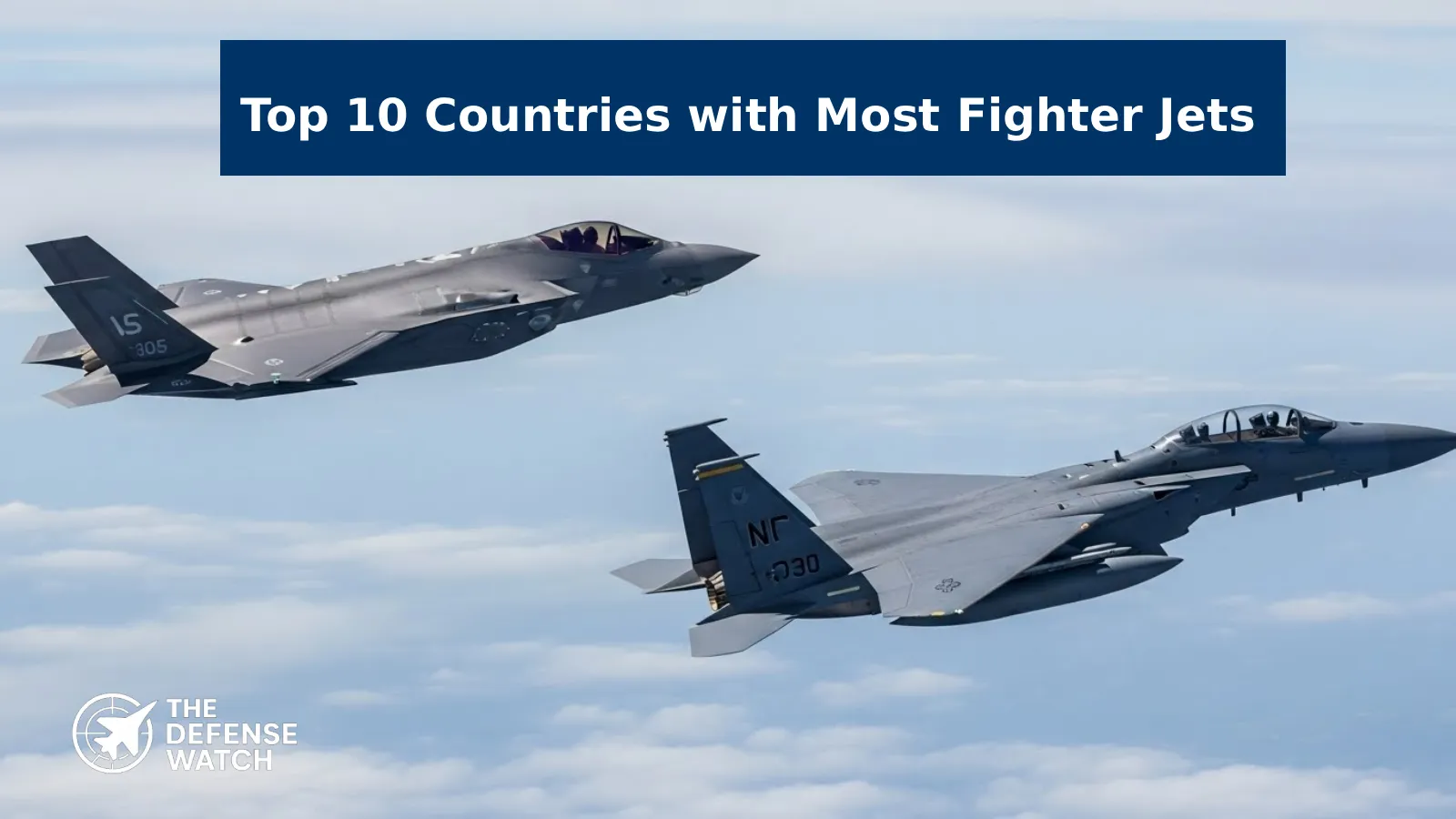
The United States maintains the world’s largest fighter fleet with 1,790 aircraft, according to Global Firepower’s 2025 rankings. This substantial numerical advantage reflects decades of sustained investment in airpower and represents more than a third larger than China’s fighter inventory. The U.S. fighter fleet spans all service branches—Air Force, Navy, and Marine Corps—creating an integrated aerial combat capability unmatched by any rival power.
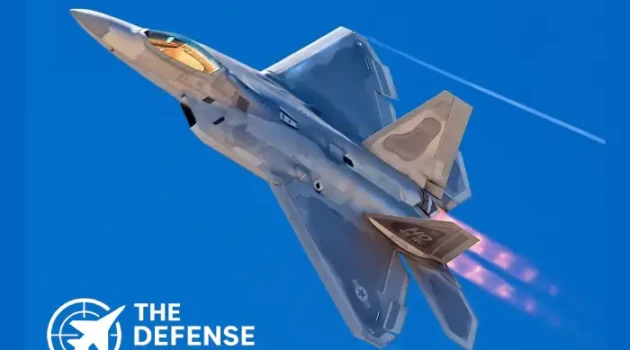
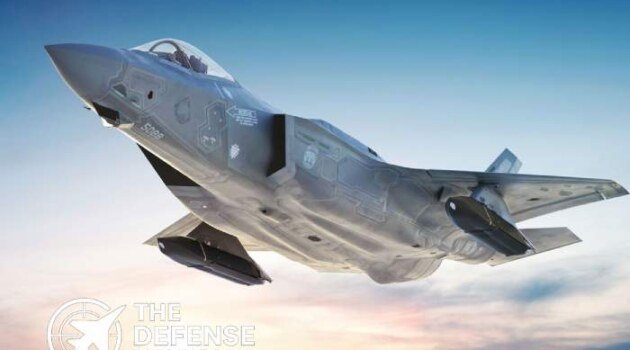
American fighter squadrons include approximately 2,651 aircraft across all services, though operational fighter numbers specifically total 1,790 when counting dedicated air superiority and multirole platforms. The U.S. Air Force operates nearly 2,000 of these jets, with the F-22 Raptor maintaining air superiority while the F-35 Lightning II has become the backbone of American tactical aviation. The Navy’s carrier-based F/A-18 Super Hornets and F-35Cs, along with the Marine Corps’ vertical-landing F-35Bs, ensure American power projection anywhere on the globe.
The technological sophistication of the U.S. fleet sets it apart from numerical competitors. While countries like China and Russia field larger overall military aircraft inventories, American fighters benefit from advanced sensors, networking systems, and stealth capabilities that multiply their effectiveness. The Next Generation Air Dominance program promises to maintain this qualitative edge well into the 2030s.
China Rapidly Closes Gap with 1,212 Fighters
China ranks second globally with 1,212 fighter aircraft, representing the People’s Liberation Army Air Force’s dramatic modernization over the past two decades. This fleet size reflects Beijing’s strategic imperative to challenge American airpower in the Indo-Pacific region and protect expanding Chinese interests worldwide.
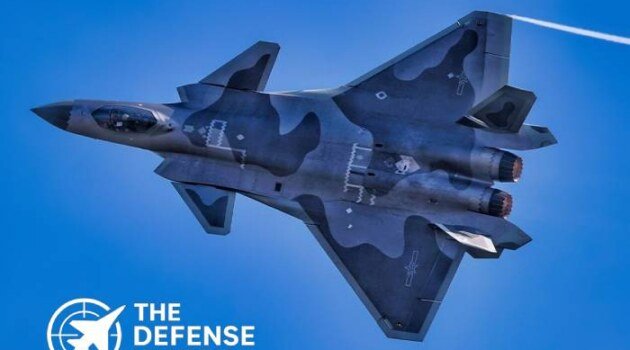
The centerpiece of China’s fleet is the J-20 Mighty Dragon, a stealth fighter often compared to the American F-22. Supporting the J-20 are domestically produced designs like the J-10, a lightweight single-engine fighter optimized for air defense missions, and the J-11 and J-16, which are derivatives of Russian Sukhoi designs manufactured under license and subsequently improved with Chinese technology.
China’s fighter production capacity has accelerated dramatically. The country now produces advanced jets at scale, with indigenous engines replacing earlier reliance on Russian powerplants. This industrial base enables the PLAAF to replace aging Soviet-era aircraft while simultaneously expanding overall fleet size. Chinese naval aviation is also expanding with carrier-capable fighters, as new carriers make China’s Navy the world’s second most capable after the United States.
Russia Maintains Third Place Despite Losses
Russia fields 833 fighter aircraft, securing third position in global rankings despite significant combat losses in Ukraine. The ongoing conflict has exposed vulnerabilities in Russian air combat doctrine and revealed maintenance challenges across an aging fleet, though Moscow still operates substantial quantities of capable fighters.
The Sukhoi Su-35, Su-30, and Su-34 make up the backbone of Russia’s modern fighter force. The Su-57 Felon, Russia’s fifth-generation stealth fighter, has entered limited production but remains rare with only a handful operational. Older platforms like the MiG-29 and Su-27 continue serving widely despite their age, while the MiG-31 Foxhound remains in service as a long-range interceptor.
Russia’s air operations in Ukraine have shown heavy losses and limited effectiveness, raising questions about actual combat readiness despite nominal fleet numbers. Parts shortages, maintenance backlogs, and training deficiencies appear more severe than previously assessed by Western intelligence agencies.
India Ranks Fourth with 513 Aircraft
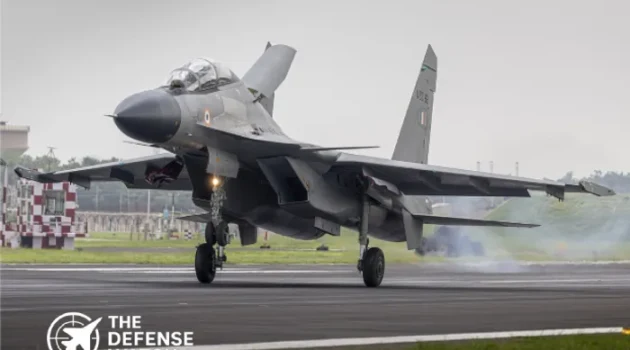
India operates 513 fighter jets, making the Indian Air Force the fourth-largest fighter operator globally. India’s fleet represents a diverse mix of Russian, French, and increasingly indigenous aircraft as New Delhi pursues strategic autonomy in defense production.
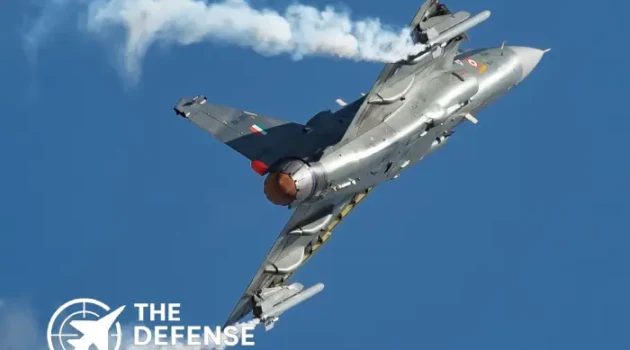
The Russian Sukhoi Su-30MKI forms the IAF’s heavy fighter backbone, with over 260 in service. The Dassault Rafale, built in France, represents the IAF’s newest and most advanced fighter. India also operates Mirage 2000s, MiG-29s, Jaguar strike aircraft, and the domestically developed HAL Tejas light fighter.
Recent border tensions and aerial clashes with Pakistan have pushed India to modernize its air force faster. The country is developing an upgraded Tejas Mark 1A, investing in a Super Sukhoi program to modernize existing jets, and considering future purchases including potentially the F-35. The retirement of the aging MiG-21 Bison in 2025 marks the end of an era and the start of a more capable, homegrown Indian Air Force.
North Korea’s Aging Fleet Holds Fifth Position
North Korea operates 368 fighter aircraft placing fifth globally by sheer numbers. However, the Korean People’s Army Air Force fleet consists largely of obsolete aircraft from the Soviet era and Chinese variants, with questionable operational readiness due to maintenance challenges and fuel shortages.
The majority of North Korean fighters are outdated MiG-21s, MiG-23s, and MiG-29s, along with Chinese-built J-7s. While numerically significant, these aircraft would face severe disadvantages against modern fighters equipped with advanced radar, missiles, and electronic warfare systems. North Korea’s fighter force serves primarily as a deterrent and point defense asset rather than an offensive capability.
Despite its size, analysts consider the North Korean air force largely ineffective in modern combat scenarios. Limited flight training hours, aging airframes, and isolation from global supply chains severely constrain operational effectiveness.
Pakistan Fields 328 Fighters in Regional Balance
Pakistan operates 328 fighter aircraft, ranking sixth worldwide. The Pakistan Air Force maintains this fleet specifically to counter Indian airpower and protect the country’s borders, with aircraft optimized for this regional strategic requirement.
Pakistan’s fleet includes American F-16 Fighting Falcons, Chinese JF-17 Thunder fighters jointly developed with Pakistan, and French Mirage III/5 aircraft. The JF-17 program represents Pakistan’s most significant indigenous aerospace achievement, with over 130 jets delivered and active export marketing to other countries.
The PAF emphasizes training and tactical proficiency to offset India’s numerical advantages. Pakistan’s fighter pilots maintain high readiness levels, and the force demonstrated its capabilities during the 2019 aerial engagement with India over Kashmir.
South Korea Deploys 315 Advanced Fighters
South Korea operates 315 fighter jets, placing seventh globally with one of the most technologically advanced air forces in Asia. The Republic of Korea Air Force has systematically modernized its fleet to counter North Korean threats while contributing to regional stability.
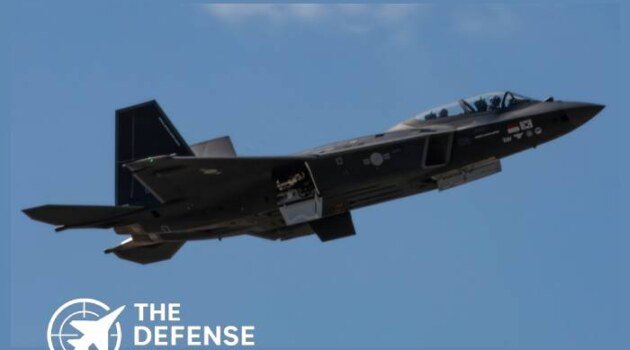
South Korea has begun replacing its aging air force with a new Korean-made aircraft, the KF-21 Boramae. The KF-21 represents Seoul’s ambition to develop indigenous defense technology and reduce dependence on foreign suppliers. The ROKAF also operates F-35A Lightning IIs, F-15K Slam Eagles, and KF-16 Fighting Falcons.
In 2024, South Korea announced that it would begin mass-producing the KF-21 to fill the vacuum created by the retirement of its older aircraft. These jets will likely be sold to other East Asian nations, including potentially the Philippines and Indonesia.
Taiwan Maintains 285 Fighters Against Chinese Pressure
Taiwan operates 285 fighter aircraft, ranking eighth globally as the Republic of China Air Force maintains a credible deterrent force despite constant pressure from Beijing. Taiwan’s fighter fleet represents one of its most critical defense assets given the island’s strategic vulnerability.
The ROCAF operates upgraded F-16V Fighting Falcons, indigenous F-CK-1 Ching-Kuo fighters, and Mirage 2000-5 aircraft. Taiwan has invested heavily in modernizing existing F-16A/B models to the advanced F-16V standard, incorporating active electronically scanned array radars and modern avionics. The island has also ordered 66 new-build F-16V aircraft from the United States, with deliveries ongoing.
Taiwan’s fighters face the daunting challenge of defending against numerically superior Chinese airpower while operating from a limited number of airbases vulnerable to missile attack. The ROCAF emphasizes quick-reaction alert postures and regular combat air patrols to intercept Chinese aircraft probing Taiwan’s air defense identification zone.
Saudi Arabia Fields 283 Fighters with Western Technology
Saudi Arabia operates 283 fighter jets, placing ninth globally with one of the best-equipped air forces in the Middle East. The Royal Saudi Air Force has invested heavily in Western fighter technology, creating a force optimized for regional power projection and coalition operations.
Saudi Arabia’s fleet centers on American F-15 Strike Eagles and F-15SA advanced variants, complemented by Eurofighter Typhoons. The kingdom maintains high operational standards with extensive training programs, often conducted in partnership with U.S. and European forces.
The Saudi fighter fleet has seen combat operations in Yemen and regional counterterrorism missions. The kingdom continues modernizing, with interest in advanced platforms including potential future acquisition of F-35s pending U.S. government approval.
Israel Rounds Out Top Ten with 240 Elite Fighters
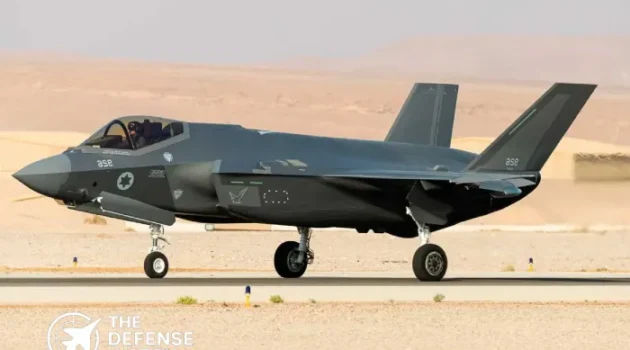
Israel operates 240 fighter aircraft completing the top ten with one of the most combat-experienced air forces globally. The Israeli Air Force emphasizes quality over quantity, fielding aircraft with advanced indigenous upgrades and maintaining aircrew proficiency through regular operations.
Israel operates F-35I Adir stealth fighters, F-15I Ra’am strike fighters, and F-16I Sufa multirole aircraft. All Israeli fighters incorporate domestically developed avionics, weapons, and electronic warfare systems, giving them capabilities distinct from export models. The IAF maintains the world’s highest operational tempo, conducting frequent strikes against threats in Syria, Lebanon, and other regional locations.
The Israeli fighter fleet has proven itself in multiple conflicts, with pilots and planners continuously incorporating lessons learned. Israel’s defense industry provides ongoing upgrades ensuring its fighters remain at the technological cutting edge despite relatively small fleet size.
Analysis: Beyond Numbers to Combat Capability
While raw fighter numbers provide a baseline for assessing airpower, actual combat effectiveness depends on numerous additional factors. Training, maintenance, logistics, sensor integration, and networking capabilities often matter more than simple aircraft counts.
The U.S. fighter advantage extends beyond its numerical lead. American pilots typically fly 180-240 hours annually—double or triple the training time available to pilots in many competing nations. U.S. fighters benefit from extensive support infrastructure including aerial refueling tankers, airborne early warning aircraft, and sophisticated command and control systems.
Technology also multiplies effectiveness. The F-22 Raptor maintains air superiority, though it is slowly being phased out in favor of next-generation aircraft being developed under the Next Generation Air Dominance program. The F-35 provides information superiority, functioning as an airborne sensor node that shares data across joint forces.
Stealth capabilities increasingly define modern air superiority. Only three countries currently field fifth-generation fighters: the United States (F-22, F-35), China (J-20), and Russia (Su-57). Three countries produce fifth-generation fighter jets: the United States with the F-35 Lightning II, China with the J-20 Mighty Dragon, and Russia with the Su-57 Felon.
The world seems set to produce over 500 and possibly 600 advanced fighter jets in 2024 with the United States and China accounting for most global production. This industrial capacity will shape future airpower balances as older aircraft retire and new capabilities enter service.
Geopolitical factors also influence fighter effectiveness. Numbers alone don’t decide modern air wars; smaller forces equipped with stealth, advanced sensors, and unmanned support can now pose serious threats to even the biggest air fleets. The integration of unmanned systems, directed energy weapons, and hypersonic missiles may transform air combat faster than fleet numbers change.
Regional contexts matter significantly. India’s 513 fighters face different challenges than Israel’s 240, operating across vastly different geographic scales against different threat arrays. Saudi Arabia’s 283 fighters serve coalition roles, while Taiwan’s 285 must defend a confined area against overwhelming nearby Chinese airpower.
The competition for air superiority continues evolving. The race for air supremacy is no longer just about how many planes a nation has, but how smartly they can fight together—crewed or uncrewed—in the skies of the future . Countries investing in advanced training, networking, and next-generation technologies may achieve decisive advantages despite smaller fleet sizes.
Looking forward, fighter fleets will continue modernizing. Lockheed expects to deliver 90-100 F-35s in 2024, and as many as 180 in 2025, potentially elevating this aircraft to become the most widely operated advanced fighter globally. China’s production lines continue accelerating, while Russia faces production constraints due to sanctions and economic pressures.
The United States retains its position as the world’s preeminent air power, but sustained investment and technological innovation remain essential to maintaining this advantage as peer competitors narrow capability gaps and numerical disparities persist.
Ranking the Top 10 Fighter Jet Fleets
Global Firepower’s 2025 assessment ranks nations by total active fighter and interceptor aircraft, drawing from open-source intelligence on operational units. The list reveals a concentration of power among major economies and regional powers, with the top five nations accounting for over 70% of the tracked global inventory.
Here is the complete top 10 in Table:
Rank Country Fighter/Interceptor Aircraft 1 United States 1,790 2 China 1,212 3 Russia 833 4 India 513 5 North Korea 368 6 Pakistan 328 7 South Korea 315 8 Taiwan 285 9 Saudi Arabia 283 10 Israel 240 FAQs
Which country has the most fighter jets in 2025?The United States has the most fighter jets with 1,790 aircraft across all military branches, according to Global Firepower 2025 rankings.
How many fighter jets does China have compared to the U.S.?China operates 1,212 fighter aircraft, making it the second-largest fighter force but still significantly behind the United States’ 1,790 fighters.
What makes a fighter jet “fifth-generation”?Fifth-generation fighters incorporate stealth technology, advanced avionics, sensor fusion, and supercruise capability. Only the U.S. F-22/F-35, Chinese J-20, and Russian Su-57 qualify.
Does having more fighter jets guarantee air superiority?No. Training, maintenance, technology, support systems, and pilot proficiency often matter more than raw numbers in determining actual combat effectiveness.
Which countries produce their own fighter jets?The United States, China, Russia, France, the United Kingdom, Sweden, South Korea, India, and Turkey all produce indigenous fighter aircraft, though at varying capability levels.
Get real time update about this post category directly on your device, subscribe now.

Privacy & Cookies PolicyThis website uses cookies to improve your experience. We'll assume you're ok with this, but you can opt-out if you wish. Accept Read More




1 comment
[…] B-1B Lancer strategic bombers from Ellsworth Air Force Base, South Dakota, and two F-15C Eagle air superiority fighters from Fresno Air National Guard Base, California. The Navy contribution includes two F/A-18E Super […]