
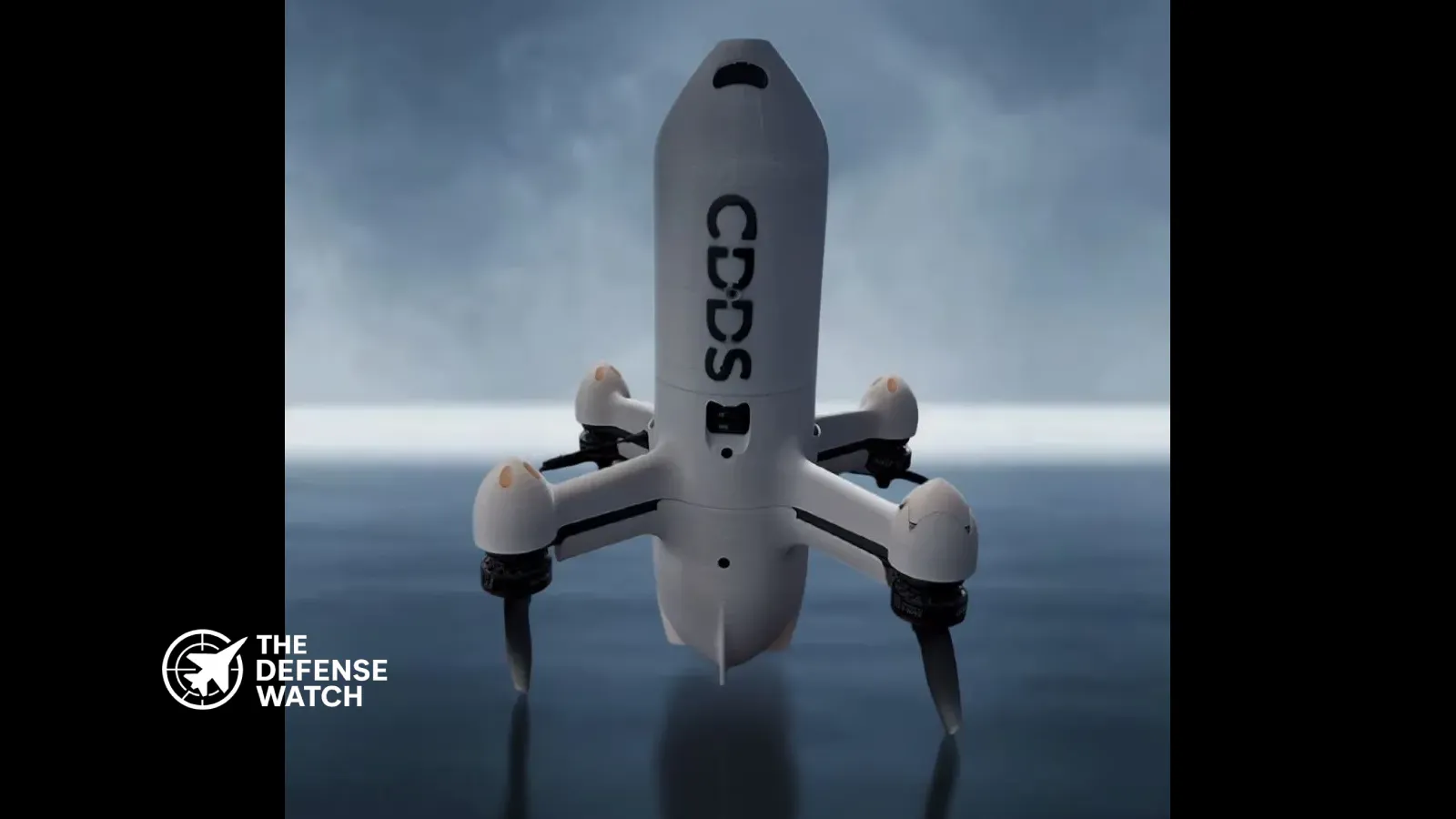
- Switzerland’s Taskforce Drones plans a new UAS technical trials campaign in autumn 2026.
- Trials will evaluate attack drones and counter-UAS technologies under challenging alpine conditions.
- Previous testing took place in December 2025 at the Hinterrhein range in Graubünden.
- Industry participants included Auterion, Counter Drone Defence Systems, and ENS Dynamics.
- The trials aim to accelerate the operational maturity of drone and counter-drone systems for future European defense needs.
Swiss UAS Technical Trials Planned For Autumn 2026
Swiss UAS technical trials planned by the government-backed Taskforce Drones will take place in autumn 2026 as part of a broader effort to accelerate the development of both attack drones and counter-drone technologies. The initiative is overseen by Switzerland’s Federal Department of Defence, Civil Protection and Sport (DDPS) and coordinated through the national armaments agency Armasuisse.
Officials say the upcoming campaign will represent the next standardized testing phase for unmanned aerial systems within the program. The trials aim to measure operational maturity, reliability, and performance of emerging drone technologies under real-world environmental conditions.
The program reflects growing international urgency around unmanned warfare and counter-drone defense as military forces adapt to lessons from recent conflicts.
The Big Picture
European defense planners increasingly view drones as a central element of modern warfare. Small unmanned aircraft now conduct reconnaissance, electronic warfare, and precision strike missions while operating at costs far lower than traditional aircraft or missile systems.
At the same time, counter-drone technologies have become a critical priority for military forces. The rapid spread of low-cost drones used by both state militaries and irregular groups has created new threats to bases, infrastructure, and deployed forces.
Switzerland’s Taskforce Drones initiative reflects a broader trend among Western militaries to accelerate experimentation cycles. Rather than relying solely on long procurement programs, defense organizations are turning to rapid trials and live testing environments to evaluate emerging technologies.
The approach mirrors innovation models seen in NATO exercises, U.S. Department of Defense drone programs, and European defense experimentation initiatives.
What’s Happening
The Taskforce Drones program plans to conduct its next UAS technical trials during autumn 2026. According to program officials, the testing will form part of a standardized evaluation campaign designed to compare the performance of multiple drone and counter-drone systems.
Earlier trials took place in December 2025 at the Hinterrhein shooting range in the canton of Graubünden. The site offers a complex testing environment that includes mountainous terrain, narrow valleys, and high-altitude conditions.
Those conditions create significant operational challenges for drone sensors and autonomous navigation systems. For example, automated camera-based recognition systems can struggle to distinguish targets against snow-covered terrain and mountainous backgrounds.
Several companies participated in the earlier trials, including:
- Auterion
- Counter Drone Defence Systems (CDDS)
- ENS Dynamics
The tests evaluated both attack drones and counter-UAS systems designed to detect, track, and intercept hostile drones.
Why It Matters
Testing unmanned systems in difficult environments provides insights that cannot be replicated in controlled laboratory conditions.
Mountainous terrain, changing weather patterns, and visual complexity challenge drone navigation systems, artificial intelligence algorithms, and sensor performance. These conditions are particularly relevant for European militaries operating in alpine or urbanized environments.
For counter-drone systems, the ability to detect small UAVs against complex backgrounds is a critical operational requirement. Small drones often fly low and slow, making them difficult to track using traditional radar or electro-optical sensors.
By conducting realistic field trials, defense agencies can identify system weaknesses early and accelerate improvements before full-scale deployment.
The Swiss testing program also offers industry participants an opportunity to demonstrate their technology in a government-supervised environment, which can support future procurement decisions.
Strategic Implications
The expansion of drone experimentation programs signals a shift in how militaries approach technology development.
Traditional procurement cycles often take years to move from concept to operational deployment. In contrast, drone warfare evolves rapidly, driven by commercial technology, artificial intelligence advances, and battlefield experimentation.
Programs like Taskforce Drones allow defense organizations to:
- Evaluate multiple competing systems quickly
- Collect operational performance data
- Identify promising technologies for future acquisition
This approach helps reduce the risk of adopting systems that perform well in controlled tests but fail under real operational conditions.
For European militaries, the effort also contributes to regional resilience against drone threats targeting infrastructure, airports, and military installations.
Competitor View
Strategic competitors closely monitor Western experimentation programs in unmanned systems.
Russia, China, and Iran have all invested heavily in drone warfare, particularly in areas such as loitering munitions, swarm tactics, and electronic warfare.
These countries may view Switzerland’s testing initiative as part of a broader Western effort to strengthen counter-drone defenses and accelerate drone innovation.
The lessons generated from European testing environments could also influence NATO doctrine, particularly in areas such as autonomous targeting, sensor fusion, and layered counter-UAS defense.
At the same time, competitors continue to explore methods designed to defeat these systems, including electronic jamming, stealthy drone designs, and coordinated swarm attacks.
Capability Gap
The Taskforce Drones program aims to address a growing operational gap between the rapid evolution of drone technology and the slower pace of traditional military procurement.
Recent conflicts have demonstrated several key vulnerabilities:
- Difficulty detecting small drones
- Limited counter-drone response times
- Challenges identifying targets in cluttered environments
Drone operators increasingly exploit terrain, urban environments, and weather conditions to evade detection.
Testing in alpine terrain directly targets these challenges by forcing drone sensors and algorithms to operate in complex visual environments where traditional detection methods often struggle.
However, limitations remain. Drone testing programs can evaluate technology performance, but operational success ultimately depends on integration with command networks, sensors, and air defense systems.
What To Watch Next
Several milestones will shape the next phase of the Swiss UAS technical trials program.
First, the autumn 2026 campaign will expand testing scenarios and may include additional industry participants.
Second, defense officials will analyze data from the trials to assess technology readiness and operational maturity.
Finally, successful systems could move toward procurement or further experimentation within European defense programs.
The trials may also provide opportunities for collaboration with NATO partners and other allied nations seeking to improve their counter-drone capabilities.
The Bottom Line
Switzerland’s upcoming UAS technical trials highlight the growing importance of rapid experimentation in drone warfare and counter-drone defense.
Get real time update about this post category directly on your device, subscribe now.
