Pentagon Requests 38 F-35A Fighters for U.S. Air Force in FY2027 Defense Budget
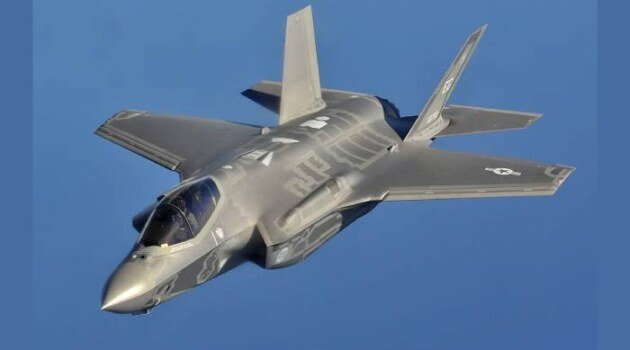
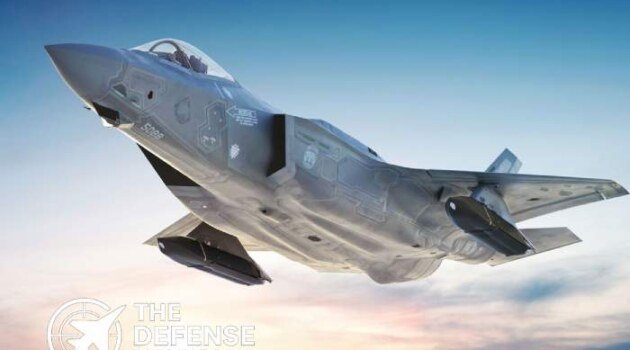
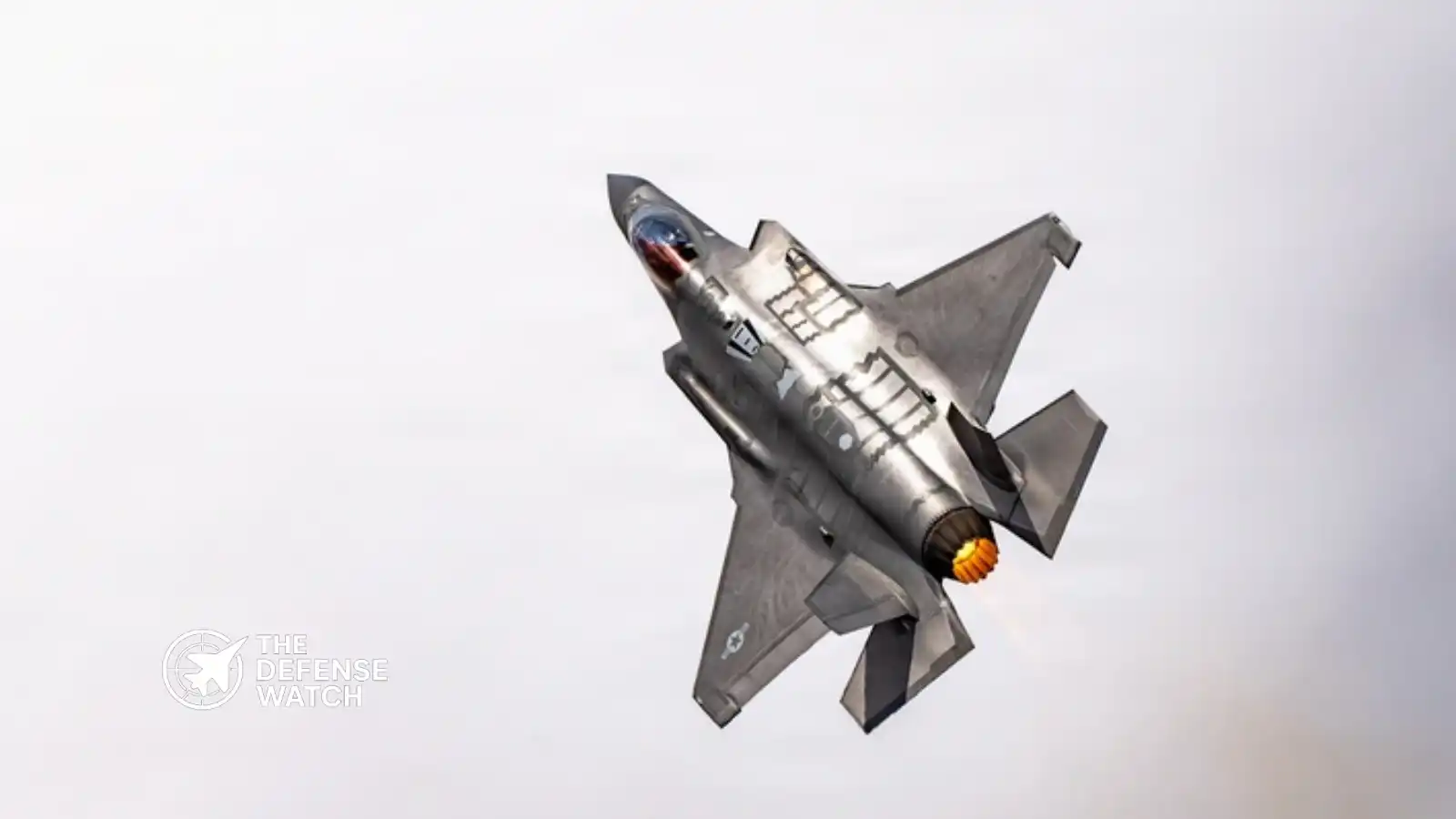
The Pentagon’s fiscal year 2027 defense budget request includes funding for 38 F-35A Lightning II fighters for the U.S. Air Force — a figure that senior defense analysts say is insufficient to address the service’s deepening fighter inventory crisis. The allocation is part of a broader request for 85 F-35s across all military branches, embedded within President Donald Trump’s record-breaking $1.5 trillion defense spending proposal unveiled on April 3, 2026.
An Office of Management and Budget official confirmed the Air Force’s allocation directly to Air & Space Forces Magazine. The number represents a modest increase over the previous year but falls well short of what Air Force leadership and independent analysts say is needed for genuine fleet recapitalization.
- The Pentagon’s FY2027 budget requests a total of 85 F-35 Lightning II fighters across all services, with 38 F-35A variants allocated to the U.S. Air Force.
- The request is part of President Trump’s record $1.5 trillion defense budget for fiscal year 2027, which allocates $30.6 billion for Air Force aircraft procurement.
- The Air Force would receive 14 more F-35As than in the previous budget year, but 10 fewer than the service itself requested in 2025.
- This marks the first time in a decade that the Air Force is set to receive less than half of the total F-35s requested by the Pentagon.
- The White House budget fact sheet prioritizes rapid development of the F-47 sixth-generation fighter, while providing limited detail on the B-21 Raider and Collaborative Combat Aircraft programs.
A Budget That Signals Priorities — And Trade-Offs
The White House budget request provides $30.6 billion for Air Force aircraft procurement, a significant increase over prior years, though it does not break down specific funding figures for key aircraft programs.
A White House fact sheet confirms that the budget prioritizes rapid development and production of the F-47 sixth-generation fighter, while making no mention of the unmanned Collaborative Combat Aircraft or the B-21 Raider stealth bomber programs.
That silence, however, does not necessarily indicate diminished investment in those platforms. Retired Lt. Gen. David A. Deptula, dean of the Mitchell Institute for Aerospace Studies and one of the nation’s foremost airpower strategists, urged caution in reading too much into the omissions.
“The absence of public F-47 and B-21 details should not be mistaken for lack of priority,” Deptula said. “Aircraft modernization is still buried in broader procurement and development accounts.”
Analysts: 38 Jets Is “Budget Triage,” Not Recapitalization
The core concern among defense experts centers on whether 38 F-35As represents a genuine commitment to rebuilding U.S. airpower or simply a stopgap measure.
Deptula described the Air Force as operating “the oldest and smallest fighter force in its history” and said that 38 aircraft fails to constitute a meaningful rebuild rate for a service at that level of depletion.
In his assessment, the number preserves production line stability at Lockheed Martin’s Fort Worth facility but does nothing to reverse structural shortfalls in tactical aviation capacity.
“It may keep the line warm, but it does not reverse the fighter inventory shortfall,” Deptula said, adding that 38 F-35As “feels more like budget triage than a true recapitalization rate.”
His critique goes deeper than the raw numbers. Deptula argued that the Air Force cannot sustain a strategy of divesting older aircraft in exchange for modernization if that modernization never keeps pace with the divestment — a cycle he characterized as structurally unsustainable given current geopolitical demands.
Historical Context: A Decade-Low Share Of Pentagon’s F-35 Request
The procurement numbers carry significant historical weight. This is the first time in the past decade that the Air Force is set to receive less than half of the total F-35 fighters requested by the Pentagon in a single budget cycle.
If approved by Congress, the Air Force would receive 14 more F-35As than it did under last year’s enacted budget, but the figure also represents 10 fewer aircraft than the service itself requested in fiscal year 2025.
The divergence between what the Air Force asks for and what it ultimately receives reflects ongoing competition for finite dollars within a defense budget that, despite its record topline, must simultaneously fund sixth-generation fighter development, nuclear modernization, munitions replenishment, and a major naval buildup.
Deptula acknowledged these competing demands directly: “This number suggests the Air Force is still being forced to balance near-term procurement against other large bills — F-47 development, B-21, Sentinel, readiness recovery, munitions, and CCA.”
Senior Leaders Have Pushed For More
The debate over F-35 procurement numbers is not new. Last July, a coalition of 16 retired Air Force four-star generals — including six former Chiefs of Staff — formally called on Congress to substantially increase F-35 purchases.
Gen. Philip M. Breedlove, former Supreme Allied Commander Europe, argued at the time that the F-35 must remain a top procurement priority because it is the most capable U.S. fighter currently in production and essential to meeting the Air Force’s “fight tonight” requirement.
Former Chief of Staff Gen. T. Michael Moseley reinforced that argument by pointing to the aircraft’s role in coalition operations. Allied nations have invested heavily in the F-35 specifically to maintain interoperability with U.S. forces — a strategic asset that procurement shortfalls could erode over time.
“Why wouldn’t we want to continue to build that airplane in larger numbers?” Moseley said.
Shipbuilding Takes Center Stage
While Air Force advocates push back on the F-35 allocation, the FY2027 budget makes its naval priorities explicit. The White House fact sheet details $65.8 billion for shipbuilding in 2027, covering procurement of 18 battle force ships and 16 non-battle force vessels.
Deptula characterized the prominent role of shipbuilding in the budget’s public messaging as a strategic communications choice rather than evidence of reduced emphasis on airpower modernization. He noted that the budget’s detailed justification materials — still awaited by Congress and independent analysts — will offer a clearer picture of how F-47, B-21, and next-generation airpower investments are structured.
The Broader Strategic Calculus
The FY2027 F-35 request lands at a particularly sensitive moment for U.S. airpower. Active military operations in the Middle East — including Operation Epic Fury against Iran — have placed sustained pressure on Air Force assets, accelerated aircraft attrition, and put a premium on combat-ready fighter capacity. Reports confirm an F-35A assigned to Nellis Air Force Base crashed on March 31, 2026, with the pilot ejecting safely, underscoring the operational tempo the fleet is currently sustaining.
Against that backdrop, the F-35A Lightning II remains the primary fifth-generation tactical platform available to the Air Force in meaningful numbers. With the F-47 years from initial operational capability, the fifth-generation bridge between today’s requirements and tomorrow’s fleet depends heavily on continued F-35 investment.
Whether 38 aircraft in a single fiscal year constitutes a credible commitment to that bridge — or simply manages decline — will likely define the central airpower debate in Congress as FY2027 budget hearings get underway.
Get real time update about this post category directly on your device, subscribe now.