<h2 id=”h-u-s-approves-potential-saudi-arabia-jdam-er-sale” class=”wp-block-heading”>U.S. Approves Potential Saudi Arabia JDAM-ER Sale
- Takeaways
- What JDAM-ER Adds To The Standard JDAM
- Why The Range Increase Matters
- A Large Expansion Of Saudi Precision Weapons
- Compatibility Could Reduce Integration Burden
- The F-15SA And Saudi Airpower
- Precision And Magazine Depth
- Separate $750 Million AGT-1500 Engine Sale
- Broader U.S. Defense Relationship With Riyadh
- What Happens Next
- Why The JDAM-ER Sale Matters
The United States has approved a potential $5 billion sale of Joint Direct Attack Munition Extended Range, or JDAM-ER, weapons to Saudi Arabia, giving the Royal Saudi Air Force a major proposed expansion of its precision air-to-ground arsenal. The State Department announced the approval on September 4, with Boeing identified as the principal contractor.
Takeaways
The proposed U.S. sale would significantly expand Saudi Arabia’s inventory of extended-range precision-guided air-to-ground weapons while deepening U.S. support for the Royal Saudi Air Force.
The proposal is a Foreign Military Sale, meaning the September 4 decision authorizes the possible transaction but does not mean a final contract has already been signed or that all weapons have been delivered.
The package would provide Saudi Arabia with more than 10,000 JDAM-family guidance kits and associated bomb bodies. Aviation Week reported that the proposed inventory includes 10,004 precision-guided weapons, including 5,004 weapons in the 500-pound class and 5,000 in the 2,000-pound class.
Proposed JDAM-ER Package At A Glance
| Item | Quantity | Role |
|---|---|---|
| KMU-572 JDAM guidance kits | 5,004 | 500-pound class weapons |
| KMU-556 JDAM guidance kits | 5,000 | 2,000-pound class weapons |
| BLU-111 bomb bodies | 5,004 | 500-pound general-purpose bomb |
| BLU-117 bomb bodies | 5,000 | 2,000-pound general-purpose bomb |
| Estimated package value | $5 billion | JDAM-ER and associated equipment |
| Principal contractor | Boeing | Weapon system |
The quantities and configuration reported for the proposed package indicate that Riyadh is seeking both lighter and heavier JDAM-ER configurations rather than concentrating on a single bomb class.
What JDAM-ER Adds To The Standard JDAM
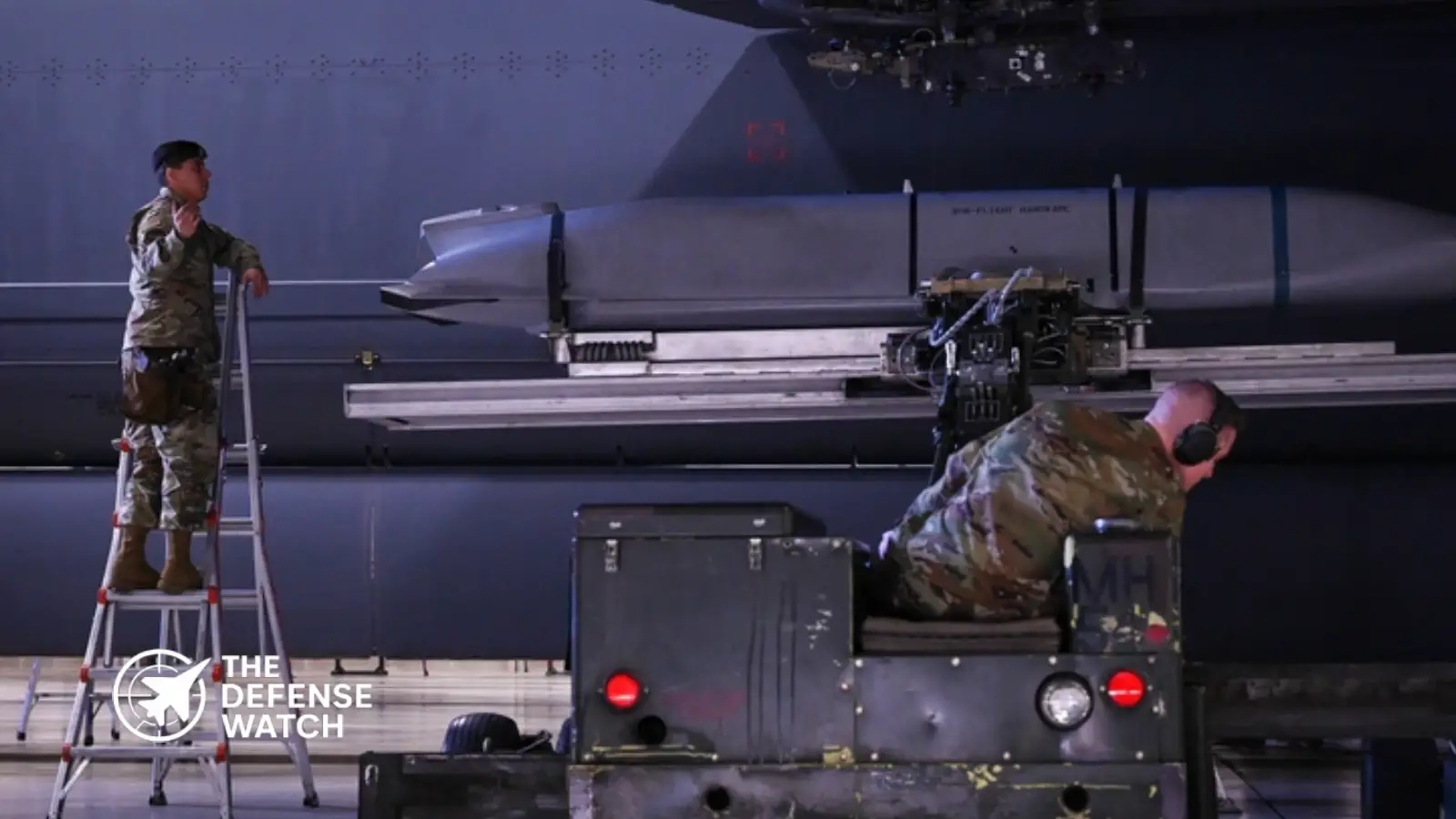
JDAM is fundamentally a guidance system rather than a completely new bomb body. The U.S. Air Force describes the system as a tail kit that converts conventional free-fall bombs into GPS-aided precision weapons using an inertial navigation system and satellite navigation.
Standard JDAM provides a relatively inexpensive way to turn existing bomb inventories into precision weapons. The conventional system has a published range of up to approximately 15 miles, depending on launch conditions and configuration.
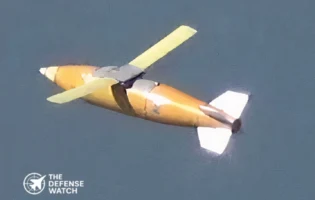
JDAM-ER adds a modular wing kit to the weapon. Boeing says the system can be fitted to existing JDAM weapons and provides more than triple the range of the conventional JDAM, with demonstrated performance exceeding 40 nautical miles.
That difference is operationally important because greater glide range allows an aircraft to release its weapon farther from the target. It does not turn JDAM-ER into a powered cruise missile, but it increases the distance between the launching aircraft and the target while retaining the basic JDAM guidance architecture.
Boeing also says the ER wing kit can be installed or removed as required, giving operators greater flexibility in configuring their weapons inventory.
Why The Range Increase Matters
The principal military value of JDAM-ER is not simply greater distance. It is the combination of precision, relatively low weapon complexity and increased release distance.
A conventional JDAM requires the launching aircraft to approach closer to the target area. Increasing the weapon’s glide range gives aircraft more options for attack geometry and can reduce the time they spend operating inside the engagement zones of some shorter-range air defense systems.
Boeing says JDAM-ER allows aircraft to attack targets farther outside the effective range of many air defenses while retaining GPS-aided guidance.
The distinction is important. JDAM-ER should not be treated as a universal solution to modern integrated air defense systems. Its effectiveness depends on factors including launch altitude, speed, target location, navigation conditions, enemy sensors and the density and reach of opposing air defenses.
Its principal advantage is therefore additional standoff rather than immunity from air defense.
A Large Expansion Of Saudi Precision Weapons
The proposed package would represent a substantial addition to Saudi Arabia’s existing inventory of U.S.-supplied precision-guided munitions.
Saudi Arabia has previously purchased JDAM-related equipment from the United States. A 2015 U.S. government notification, for example, included thousands of JDAM tail kits as part of a broader air-to-ground weapons package for the Royal Saudi Air Force.
The new proposal is considerably different in scale and configuration because it centers on the extended-range version.
The proposed 5,004 KMU-572 kits are associated with the 500-pound class, while the 5,000 KMU-556 kits support the heavier 2,000-pound class. The package therefore combines a large number of lighter weapons with an equally significant quantity of heavier weapons.
This gives Saudi planners a broader selection of weapon weight classes for different target sets without requiring a completely new aircraft weapon interface.
Compatibility Could Reduce Integration Burden
One of JDAM-ER’s more significant characteristics is its relationship with the existing JDAM architecture.
Boeing says JDAM-ER uses the existing JDAM aircraft interface and is designed to minimize aircraft software changes on platforms that already support JDAM. The company also describes the weapon as retaining the baseline JDAM logistics approach.
That matters for a large foreign military operator because introducing a new air-to-ground weapon can require aircraft software changes, weapons separation testing, training, mission-planning updates and new logistics procedures.
A system that builds on an established weapon interface can reduce some of those integration requirements, although individual aircraft configurations still require appropriate testing and certification.
For Saudi Arabia, which operates U.S.-origin combat aircraft including the F-15SA, the ability to build on an existing JDAM ecosystem could be particularly relevant. Boeing identifies the F-15 family among the aircraft associated with its broader JDAM portfolio.
The F-15SA And Saudi Airpower
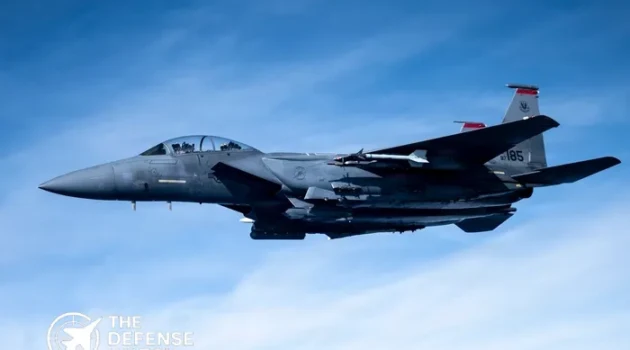
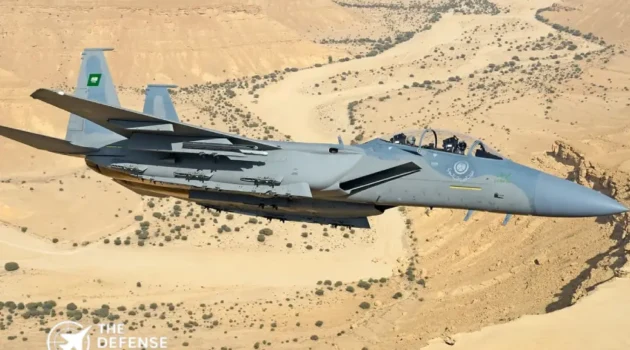
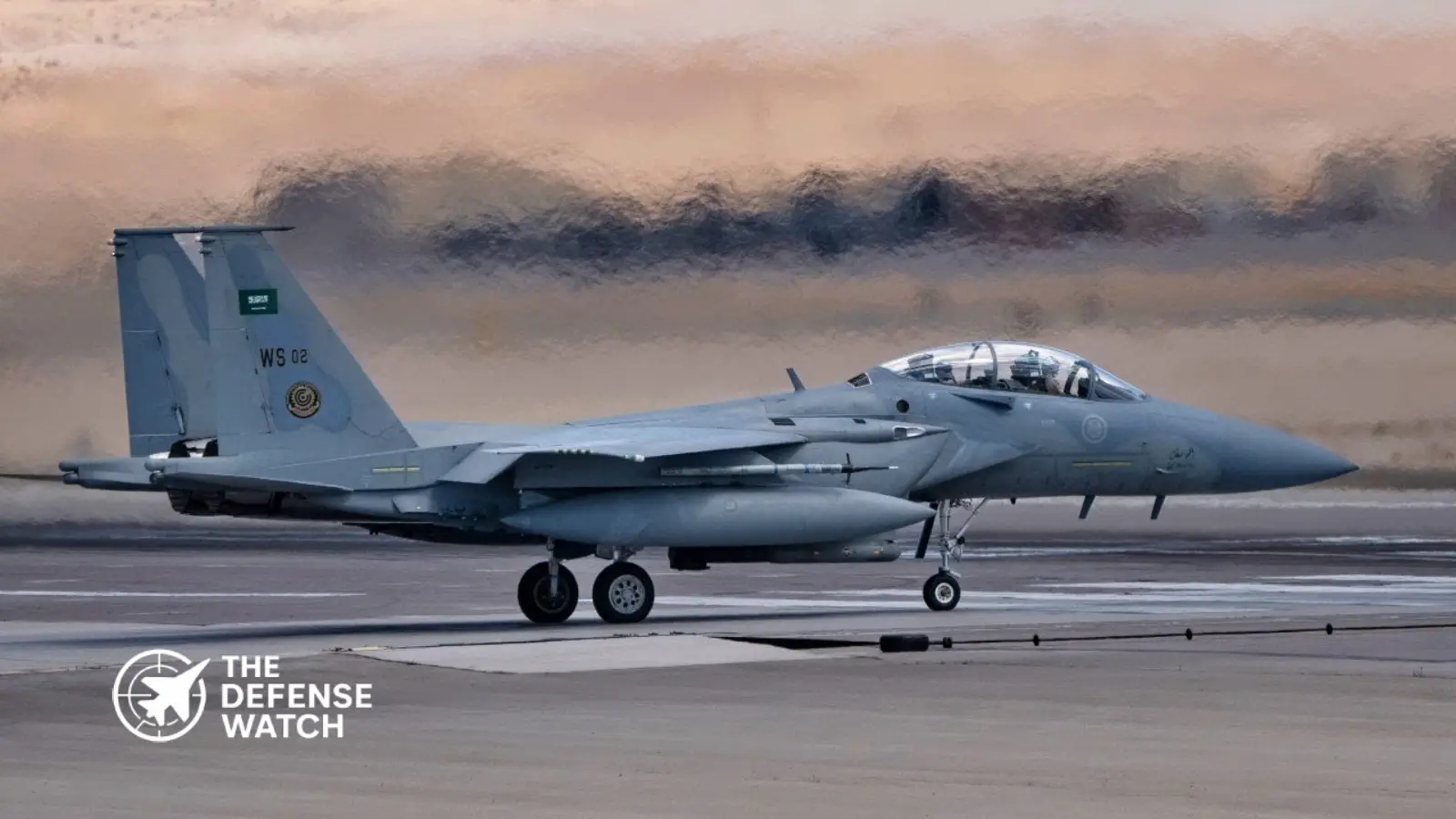
Saudi Arabia’s F-15 fleet forms a major component of its conventional airpower. The Royal Saudi Air Force operates the F-15SA, an advanced derivative of the F-15 family equipped for multirole operations.
The aircraft’s combination of payload capacity, range and modern avionics makes it suitable for carrying large numbers of precision-guided air-to-ground weapons.
The proposed JDAM-ER purchase therefore fits an existing Saudi force structure rather than requiring Riyadh to create an entirely new strike capability around a new aircraft.
This is one reason the proposed sale is strategically significant. The United States would be expanding the weapons available to an established Saudi combat aircraft fleet rather than simply transferring an isolated munition.
Precision And Magazine Depth
Another important aspect of the proposal is quantity.
Modern air warfare increasingly places pressure on precision-munition inventories because aircraft may need to attack numerous targets during sustained operations. A large inventory of guided weapons can give an air force greater ability to conduct repeated strike missions without relying exclusively on more expensive or more complex standoff missiles.
JDAM-ER occupies a useful position between conventional JDAM and longer-range powered weapons.
It provides greater reach than the basic JDAM while retaining a relatively straightforward glide-weapon design. Boeing’s broader precision-guided munitions portfolio describes JDAM and its derivatives as affordable weapons intended to provide mass and flexibility alongside more expensive systems.
That combination can be important in a prolonged campaign where the number of weapons available may be as significant as the performance of any individual munition.
Separate $750 Million AGT-1500 Engine Sale
The JDAM-ER approval was accompanied by a separate U.S. decision involving Saudi Arabia’s land forces.
The State Department approved a possible $750 million sale of AGT-1500 tank engines, with Honeywell identified as the principal contractor. Reuters reported the engine transaction separately from the $5 billion JDAM-ER package.
The AGT-1500 is the gas turbine engine used in the M1 Abrams family. U.S. government defense trade records identify the AGT-1500 as an engine for the M1 tank series.
The two proposed transactions therefore cover different parts of Saudi Arabia’s force structure: JDAM-ER would strengthen air-launched precision strike capacity, while the engine package would support the sustainment of Saudi armored forces.
Broader U.S. Defense Relationship With Riyadh
The proposed sale also illustrates the breadth of the U.S.-Saudi defense relationship.
Saudi Arabia remains a major operator of U.S.-origin combat aircraft, armored vehicles and weapons. U.S. government records show a long history of Saudi purchases involving JDAM systems, guided bombs and other air-to-ground weapons.
For Washington, continued weapons sales provide a mechanism for sustaining interoperability between U.S. and Saudi forces while supporting the readiness of a major Gulf military.
For Riyadh, access to U.S. precision weapons provides additional depth to an air force already structured around American aircraft and weapons systems.
The JDAM-ER proposal is therefore more than a single ammunition purchase. It extends an established weapons architecture and adds greater standoff capability to Saudi air operations.
What Happens Next
The September 4 announcement represents an approval for a potential Foreign Military Sale, not a completed acquisition.
The proposed transaction must proceed through the Foreign Military Sales process, including negotiations over final quantities, configuration, pricing, delivery schedules and contractual terms.
The $5 billion figure is an estimated value for the proposed package and associated support. The final value can change as the two governments negotiate the actual agreement.
The same distinction applies to the separate $750 million AGT-1500 engine proposal.
If completed, however, the JDAM-ER transaction would give Saudi Arabia more than 10,000 extended-range precision-guided weapons and substantially increase the number of targets its combat aircraft could engage while maintaining greater separation from defended areas.
Why The JDAM-ER Sale Matters
The proposed Saudi purchase highlights a broader trend in air warfare: increasing demand for precision weapons that provide standoff range without the cost and complexity of a large powered missile inventory.
JDAM-ER does not replace cruise missiles or other dedicated long-range strike weapons. Instead, it fills a different role by extending the reach of an established bomb and guidance system.
For Saudi Arabia, that means more options for using its existing combat aircraft against fixed targets while reducing the need to rely solely on shorter-range guided bombs.
For the United States, the deal would deepen an established defense relationship with a key Gulf partner and place a large quantity of U.S.-designed precision weapons into the hands of a major regional air force.
The immediate significance is therefore straightforward: if the proposed sale proceeds, Saudi Arabia will gain a much larger precision-strike magazine and a meaningful increase in the standoff range available to its JDAM-equipped aircraft.