Greece F-16V Viper Marks Major Upgrade Milestone
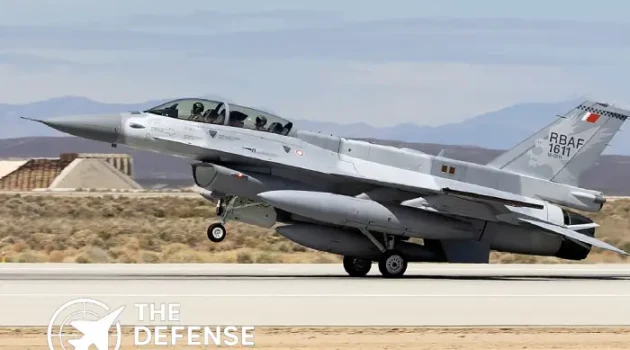
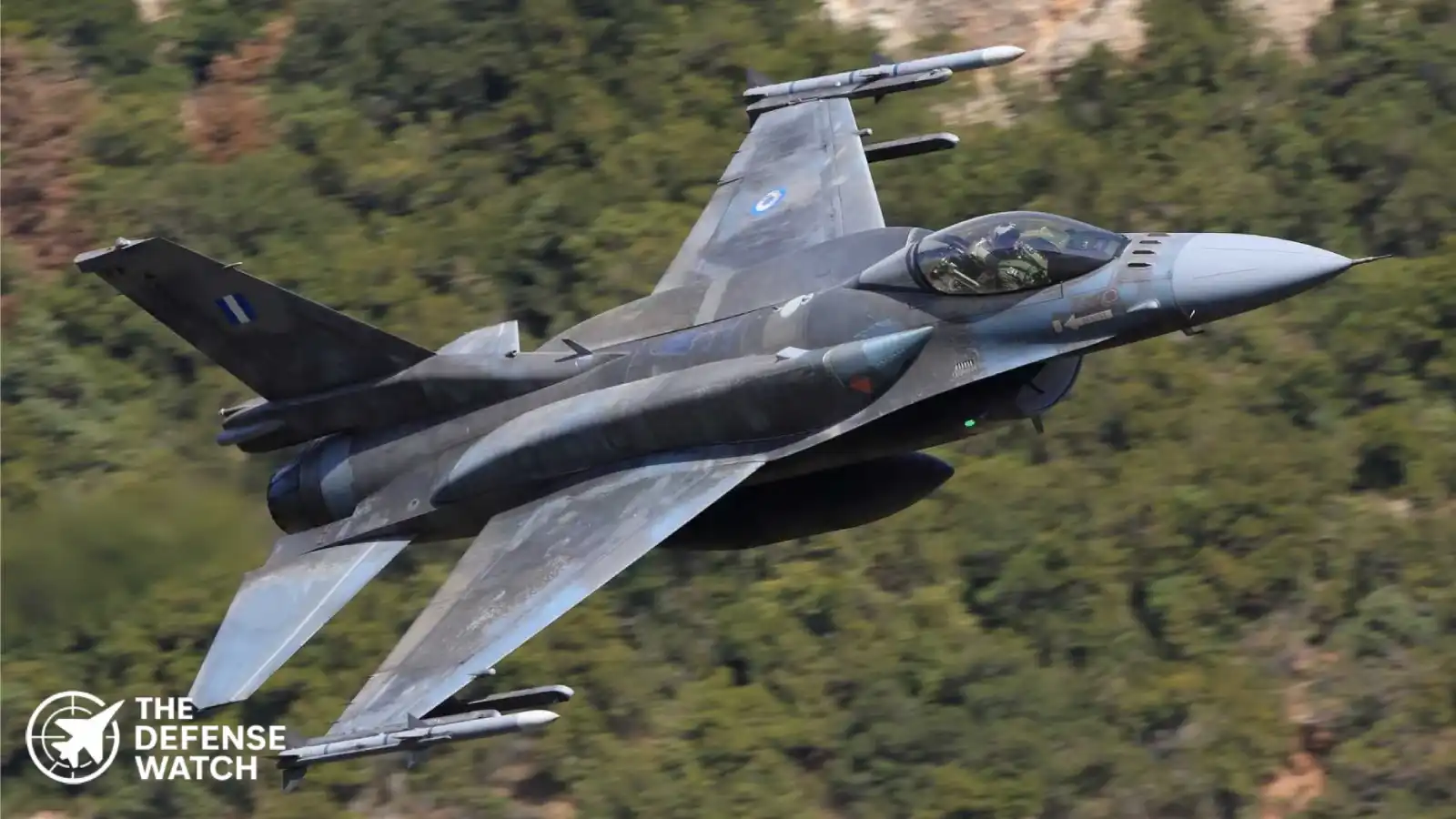
Greece F-16V Viper modernization reached a key milestone after the country received its 50th upgraded fighter jet. The delivery highlights Athens’ steady push to modernize frontline combat aviation and improve readiness across the Aegean.
The aircraft is part of a broader program to convert older Greek F-16s into the advanced Block 70/72 standard, commonly known as the Viper. The program is centered on extending fleet life while delivering next generation sensors, survivability improvements, and stronger strike capability.
- Greece has received its 50th upgraded F-16V Viper fighter aircraft.
- The F-16V adds AESA radar, modern avionics, improved targeting, and networked warfare capability.
- The milestone strengthens Greek deterrence and rapid response capacity in the Aegean region.
- Greece plans to modernize 83 aircraft under the national upgrade program.
- The upgraded fleet will operate alongside Rafale fighters and future F-35 acquisitions.
The Big Picture
Greece has spent the last several years accelerating military modernization amid persistent regional tensions, especially with neighboring Turkey over maritime boundaries, airspace management, and Eastern Mediterranean energy zones.
Air power remains central to that strategy. Fast reaction aircraft routinely intercept airspace violations, monitor maritime activity, and provide deterrence. For Greece, a modern tactical air fleet offers a relatively quick and scalable means of maintaining balance in a contested region.
Athens has therefore pursued a layered force structure built around upgraded F-16s, newly acquired French Rafale fighters, and a stated interest in acquiring the F-35 in the future.
What’s Happening
The latest delivery brings Greece to 50 completed F-16V aircraft under an upgrade effort expected to cover 83 jets. The work is led by the Hellenic Aerospace Industry in cooperation with Lockheed Martin.
The F-16V standard includes several major enhancements:
- AN/APG-83 AESA radar
- Modern mission computer
- Large center pedestal display
- Advanced datalink capability
- Improved electronic warfare systems
- Better precision strike integration
- Extended service life potential
These upgrades transform legacy fighters into platforms able to operate in dense electronic environments and engage targets faster at longer ranges.
Why It Matters
The Greece F-16V Viper program delivers capability faster than purchasing an entirely new fleet. By upgrading existing aircraft, Greece retains trained crews, support infrastructure, and proven logistics chains while gaining many features associated with newer generation fighters.
That matters operationally. In the Aegean, response times are short, distances are tight, and pilots may need to identify, track, and if required engage aircraft quickly. AESA radar and improved data fusion help crews make decisions faster.
The Viper configuration also improves survivability. Better sensors and electronic warfare systems can help aircraft detect threats sooner and operate more effectively in contested airspace.
Strategic Implications
A fleet of more than 80 upgraded fighters would significantly strengthen Greek readiness. Combined with Rafale aircraft carrying long range air to air and strike weapons, Greece gains a more credible layered deterrent posture.
For NATO, the modernization also supports alliance southern flank readiness. Greece occupies a strategically important location linking the Balkans, Eastern Mediterranean, Black Sea approaches, and Middle East transit routes.
A more capable Greek fighter force can contribute to alliance policing, maritime surveillance, and crisis response missions if required.
Competitor View
Regional military planners will likely view the Greece F-16V Viper milestone as part of a broader balance of power shift in the Eastern Mediterranean.
Turkey continues to pursue its own air modernization path through indigenous projects, drone expansion, and efforts tied to F-16 fleet upgrades. As a result, both sides are placing increasing emphasis on sensors, networking, standoff weapons, and pilot readiness rather than raw aircraft numbers alone.
That trend suggests future competition will depend as much on integration and training as on platforms themselves.
What To Watch Next
Several developments now matter most:
- Delivery pace toward the full 83 aircraft target
- Integration with Rafale fighter operations
- Weapons package expansion
- Potential Greek F-35 procurement timeline
- Sustainment funding and pilot training rates
If completed on schedule, Greece would field one of the most capable F-16 fleets in Europe.
Capability Gap
The upgrade directly addresses aging avionics and sensor limitations found in older fourth generation aircraft. Without modernization, legacy jets face declining relevance against modern radars, electronic attack systems, and long range missiles.
However, the F-16V is still not a stealth aircraft. In heavily defended environments, mission planning, electronic support, and standoff weapons remain essential.
The Bottom Line
Greece’s 50th F-16V delivery shows Athens is rapidly turning legacy fighters into a modern combat force built for deterrence and fast response in the Aegean.