

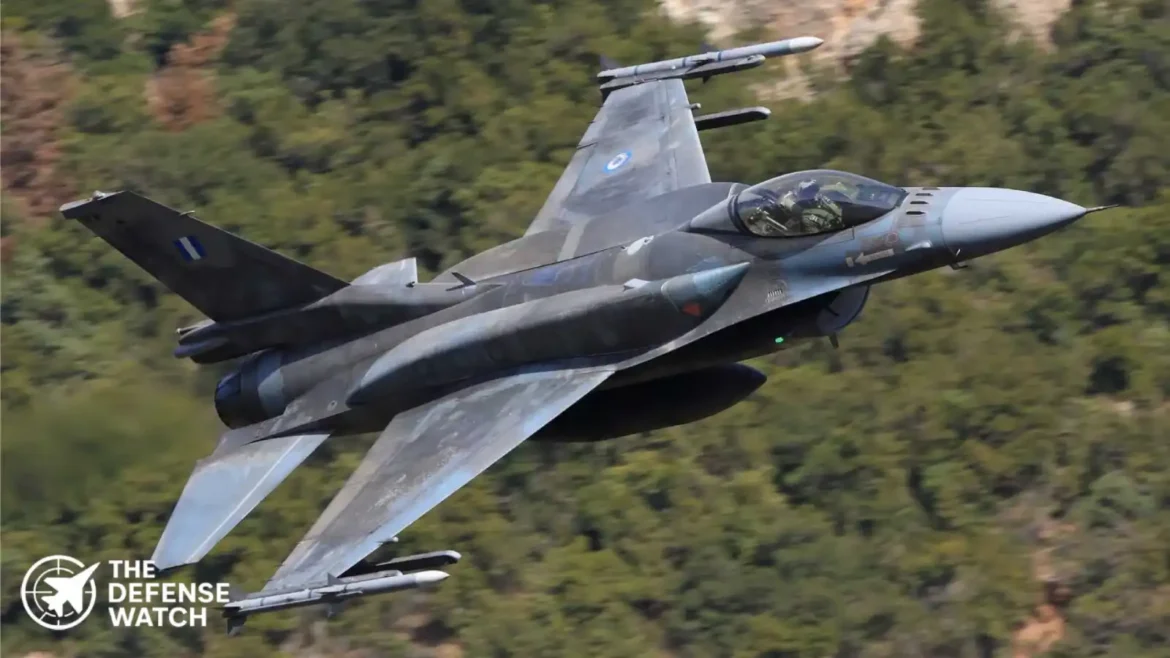
Greece F-16V Viper Marks Major Upgrade Milestone
Greece F-16V Viper modernization reached a key milestone after the country received its 50th upgraded fighter jet. The delivery highlights Athens’ steady push to modernize frontline combat aviation and improve readiness across the Aegean.
The aircraft is part of a broader program to convert older Greek F-16s into the advanced Block 70/72 standard, commonly known as the Viper. The program is centered on extending fleet life while delivering next generation sensors, survivability improvements, and stronger strike capability.
- Greece has received its 50th upgraded F-16V Viper fighter aircraft.
- The F-16V adds AESA radar, modern avionics, improved targeting, and networked warfare capability.
- The milestone strengthens Greek deterrence and rapid response capacity in the Aegean region.
- Greece plans to modernize 83 aircraft under the national upgrade program.
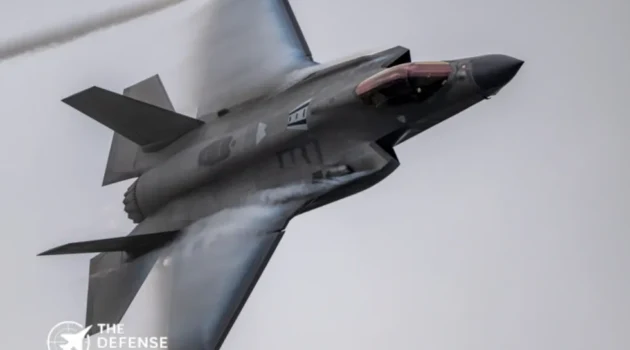
- The upgraded fleet will operate alongside Rafale fighters and future F-35 acquisitions.
The Big Picture
Greece has spent the last several years accelerating military modernization amid persistent regional tensions, especially with neighboring Turkey over maritime boundaries, airspace management, and Eastern Mediterranean energy zones.
Air power remains central to that strategy. Fast reaction aircraft routinely intercept airspace violations, monitor maritime activity, and provide deterrence. For Greece, a modern tactical air fleet offers a relatively quick and scalable means of maintaining balance in a contested region.
Athens has therefore pursued a layered force structure built around upgraded F-16s, newly acquired French Rafale fighters, and a stated interest in acquiring the F-35 in the future.
What’s Happening
The latest delivery brings Greece to 50 completed F-16V aircraft under an upgrade effort expected to cover 83 jets. The work is led by the Hellenic Aerospace Industry in cooperation with Lockheed Martin.
The F-16V standard includes several major enhancements:
- AN/APG-83 AESA radar
- Modern mission computer
- Large center pedestal display
- Advanced datalink capability
- Improved electronic warfare systems
- Better precision strike integration
- Extended service life potential
These upgrades transform legacy fighters into platforms able to operate in dense electronic environments and engage targets faster at longer ranges.
Why It Matters
The Greece F-16V Viper program delivers capability faster than purchasing an entirely new fleet. By upgrading existing aircraft, Greece retains trained crews, support infrastructure, and proven logistics chains while gaining many features associated with newer generation fighters.
That matters operationally. In the Aegean, response times are short, distances are tight, and pilots may need to identify, track, and if required engage aircraft quickly. AESA radar and improved data fusion help crews make decisions faster.
The Viper configuration also improves survivability. Better sensors and electronic warfare systems can help aircraft detect threats sooner and operate more effectively in contested airspace.
Strategic Implications
A fleet of more than 80 upgraded fighters would significantly strengthen Greek readiness. Combined with Rafale aircraft carrying long range air to air and strike weapons, Greece gains a more credible layered deterrent posture.
For NATO, the modernization also supports alliance southern flank readiness. Greece occupies a strategically important location linking the Balkans, Eastern Mediterranean, Black Sea approaches, and Middle East transit routes.
A more capable Greek fighter force can contribute to alliance policing, maritime surveillance, and crisis response missions if required.
Competitor View
Regional military planners will likely view the Greece F-16V Viper milestone as part of a broader balance of power shift in the Eastern Mediterranean.
Turkey continues to pursue its own air modernization path through indigenous projects, drone expansion, and efforts tied to F-16 fleet upgrades. As a result, both sides are placing increasing emphasis on sensors, networking, standoff weapons, and pilot readiness rather than raw aircraft numbers alone.
That trend suggests future competition will depend as much on integration and training as on platforms themselves.
What To Watch Next
Several developments now matter most:
- Delivery pace toward the full 83 aircraft target
- Integration with Rafale fighter operations
- Weapons package expansion
- Potential Greek F-35 procurement timeline
- Sustainment funding and pilot training rates
If completed on schedule, Greece would field one of the most capable F-16 fleets in Europe.
Capability Gap
The upgrade directly addresses aging avionics and sensor limitations found in older fourth generation aircraft. Without modernization, legacy jets face declining relevance against modern radars, electronic attack systems, and long range missiles.
However, the F-16V is still not a stealth aircraft. In heavily defended environments, mission planning, electronic support, and standoff weapons remain essential.
The Bottom Line
Greece’s 50th F-16V delivery shows Athens is rapidly turning legacy fighters into a modern combat force built for deterrence and fast response in the Aegean.
Lockheed Martin Speeds Up F-16 Deliveries to Taiwan
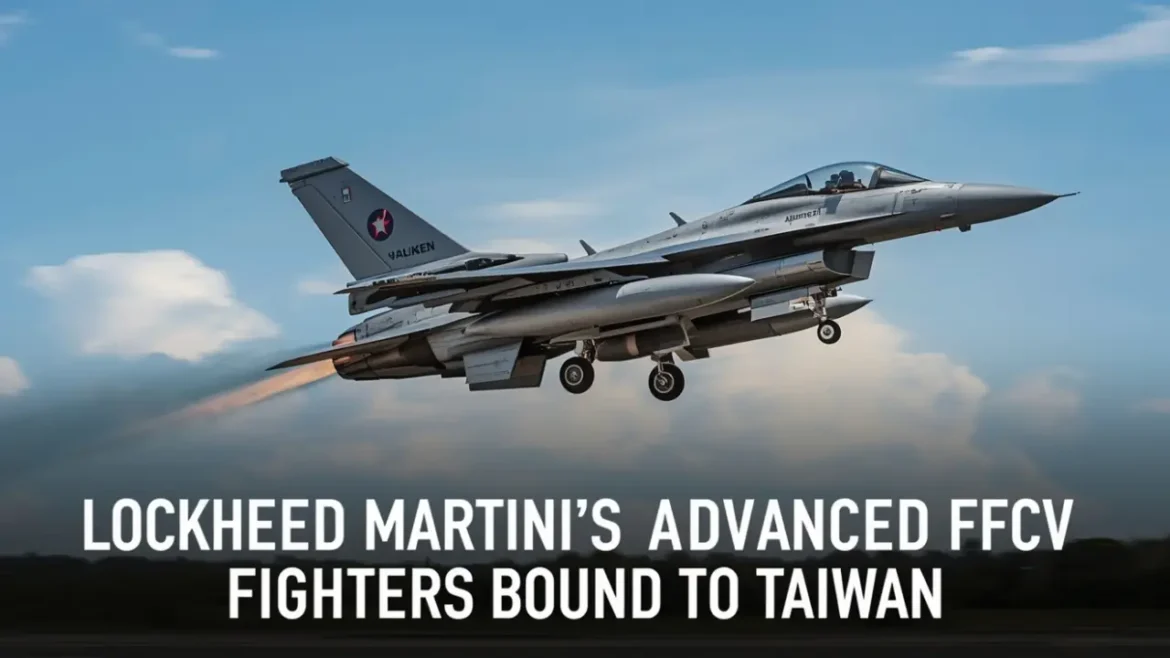
Lockheed Martin is accelerating the production and delivery of F-16V fighter jets to Taiwan, following delays caused by supply chain disruptions and parts shortages, according to a Reuters report on November 4, 2025. The move comes as Washington and Taipei intensify cooperation to enhance Taiwan’s air defense capabilities amid escalating tensions in the Taiwan Strait.
The U.S. defense contractor confirmed it is “working closely with the U.S. government” to meet revised delivery timelines for the advanced F-16 Block 70 aircraft. The jets, equipped with modern radar, avionics, and weapons systems, are intended to replace Taiwan’s aging fleet and improve its deterrence against potential Chinese military aggression.
Background: Taiwan’s Largest Fighter Jet Purchase in Decades
Taiwan signed a deal in 2019 to purchase 66 F-16V Block 70/72 aircraft from the United States for approximately $8 billion, marking the island’s largest fighter acquisition in three decades. The new variant features the APG-83 AESA radar, advanced mission computers, improved electronic warfare suites, and compatibility with U.S. precision-guided munitions.
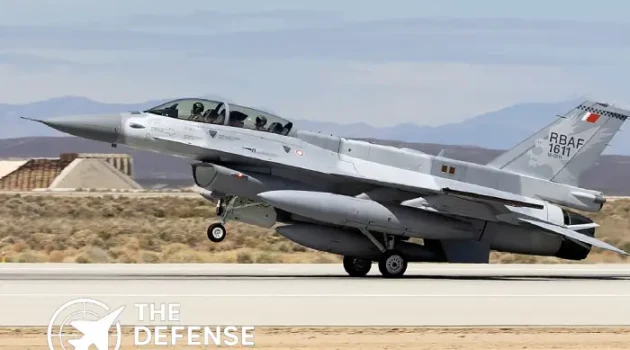
Lockheed Martin manufactures the F-16V at its Greenville, South Carolina facility — the only active F-16 production line worldwide. However, pandemic-era disruptions and global supply shortages, particularly in microelectronics and avionics components, delayed output across several international orders, including those for Bahrain, Slovakia, Bulgaria, and Taiwan.
F-16V Viper Fighter Jet – Full Specifications
- Generation: 4.5
- Maximum Speed: Mach 2.0
- No. of Engines: 1
- Radar Range: 160+ km
U.S. Support and Strategic Implications
The U.S. Department of Defense has reportedly coordinated with Lockheed Martin to streamline production bottlenecks and allocate key resources to prioritize Taiwan’s deliveries. This decision aligns with Washington’s broader Indo-Pacific defense strategy, which emphasizes strengthening the military readiness of regional partners in the face of expanding Chinese power projection.
A Pentagon spokesperson noted that “timely delivery of defense systems to Taiwan remains a top priority for maintaining stability and deterrence in the region.”
The F-16V’s integration into Taiwan’s Air Force will significantly enhance its operational flexibility. The aircraft’s data link systems allow interoperability with U.S. and allied forces, while its beyond-visual-range (BVR) missile capability extends Taiwan’s air combat reach over the Strait.
The F-16V: A Strategic Bridge Between Legacy and Stealth
The F-16V, often regarded as a 4.5-generation fighter, bridges the gap between older legacy jets and fifth-generation stealth fighters like the F-35. Though less stealthy, the F-16V’s advanced radar and targeting systems enable it to detect and engage threats earlier, making it a cost-effective and versatile asset for small and medium-sized air forces.
Compared to China’s J-10C and J-16 fighters, the F-16V offers improved radar performance and sensor fusion, though it remains outmatched by China’s J-20 stealth fighter in stealth and range. Nevertheless, analysts argue that in Taiwan’s defensive context—focused on denial rather than air superiority—the F-16V remains highly effective.
Analysis: Strengthening Taiwan’s Deterrence and U.S. Industrial Posture
Lockheed Martin’s decision to accelerate F-16V deliveries carries implications beyond Taiwan’s defense posture. It reflects Washington’s determination to maintain supply chain resilience in critical defense production and to demonstrate reliability to allies amid global competition.
This development also underscores the revitalization of the F-16 production line, which continues to generate export orders despite the global shift toward stealth platforms. For the U.S. defense industry, it highlights the balancing act between meeting international commitments and managing domestic priorities such as F-35 production and next-generation fighter programs.
For Taiwan, early receipt of the jets will bolster its readiness as Chinese air incursions near its air defense identification zone (ADIZ) become more frequent. The enhanced air fleet will improve both survivability and response speed in crisis scenarios.
Conclusion: A Critical Step in Indo-Pacific Defense Readiness
Lockheed Martin’s accelerated F-16V delivery schedule marks a pivotal moment in U.S.-Taiwan defense cooperation. Beyond addressing logistical setbacks, it sends a clear signal of Washington’s resolve to support Taipei’s defense modernization amid growing regional challenges.
As production ramps up through 2026, the delivery of these aircraft will likely strengthen Taiwan’s air deterrence and deepen U.S. industrial engagement in Indo-Pacific security. The move also reaffirms the enduring relevance of the F-16 platform in a rapidly evolving global air combat landscape.