U.S. Iran Blockade Pressure Continues During Ceasefire
The Iran blockade remains a central pillar of U.S. strategy as Washington pressures Tehran during an uneasy ceasefire. U.S. Defense Secretary Pete Hegseth said American forces are prepared to restart combat operations if negotiations fail, while also maintaining maritime restrictions aimed at Iranian trade and military-linked shipping.
Speaking at the Pentagon, Hegseth said Iran should choose wisely as diplomatic talks continue. He added that U.S. forces are rearming and positioned to strike strategic infrastructure if directed by President Donald Trump.
- Defense Secretary Pete Hegseth said U.S. forces remain ready to resume combat if talks with Iran fail.
- Washington described the naval blockade as ongoing economic and military pressure during the ceasefire.
- U.S. officials warned Iranian power and energy infrastructure could be targeted if ordered.
- The Strait of Hormuz remains central to negotiations due to its global energy importance.
- Regional stability now depends on whether temporary ceasefire talks become a broader settlement.
Why The Iran Blockade Matters Now
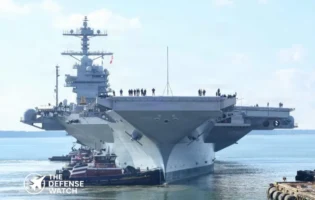
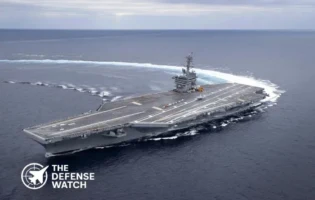
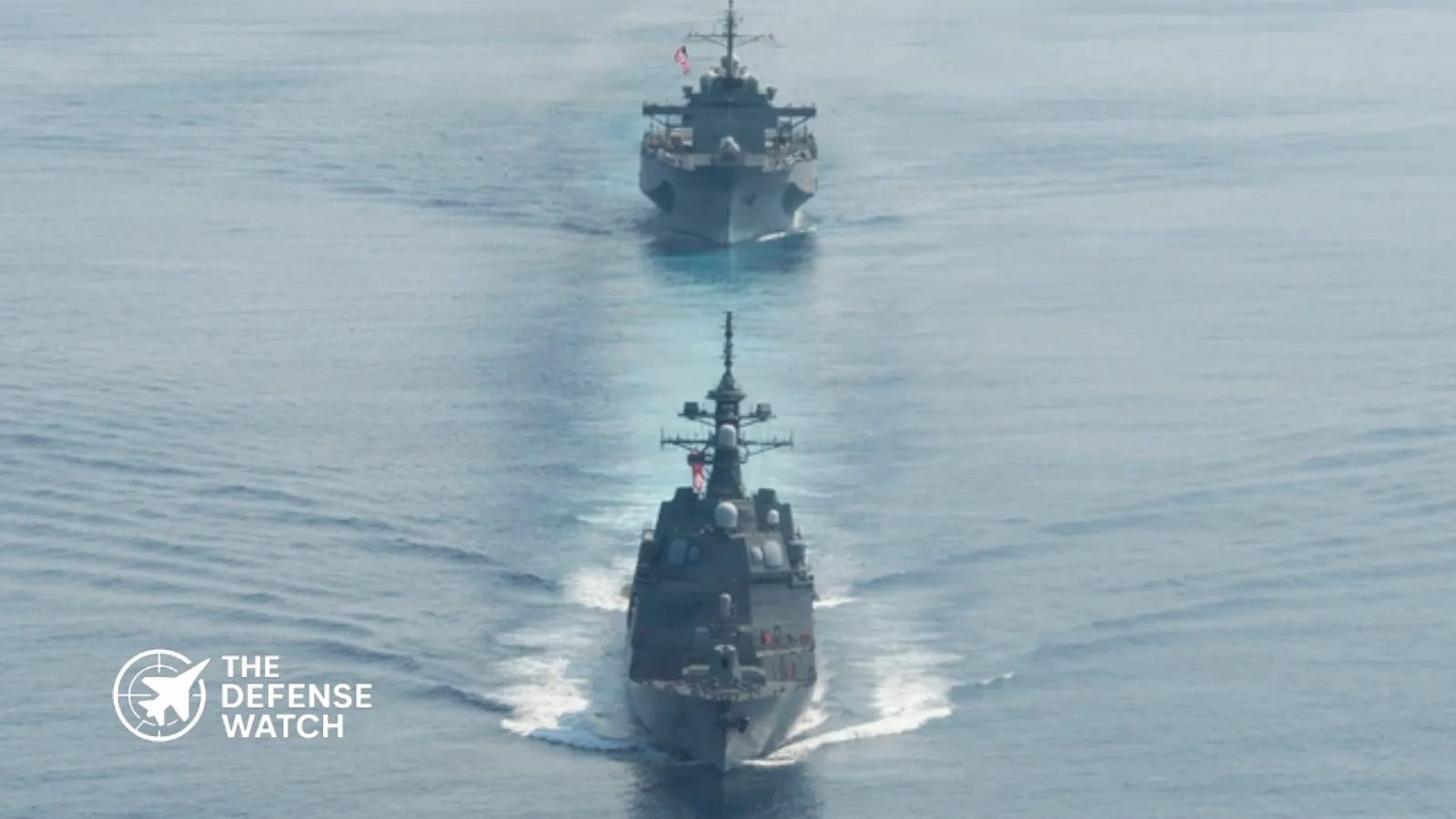
The current blockade goes beyond symbolic pressure. Reuters reported that thousands of U.S. personnel and multiple warships are involved in enforcement measures tied to Iranian maritime activity. Several vessels have reportedly turned away rather than risk interception.
That matters because Iran relies heavily on sea lanes for energy exports and imports. Sustained pressure at sea can create economic strain without immediately escalating to a broader air campaign.
From a defense planning perspective, this reflects a familiar U.S. approach, using naval dominance to shape negotiations before committing to larger kinetic action.
Strait Of Hormuz Still A Global Flashpoint
The Strait of Hormuz remains one of the most sensitive waterways in the world. A major share of global oil shipments moves through the narrow passage, making any disruption a global economic issue.
Washington has tied parts of its demands to reopening secure commercial navigation routes. Even limited uncertainty in Hormuz can move energy prices and affect allied economies.
This gives the Iran blockade strategic value beyond the immediate conflict. It is not only about Iran, it is also about preserving freedom of navigation and deterring future coercion.
Military Readiness After Operation Epic Fury
The Pentagon has also framed current force posture as a continuation of pressure following Operation Epic Fury, the recent U.S. campaign against Iranian targets. Officials say forces in theater remain ready if diplomacy collapses.
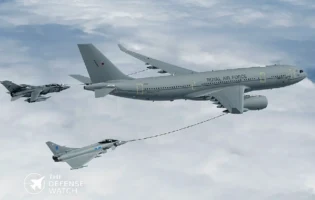
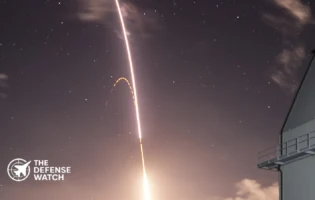
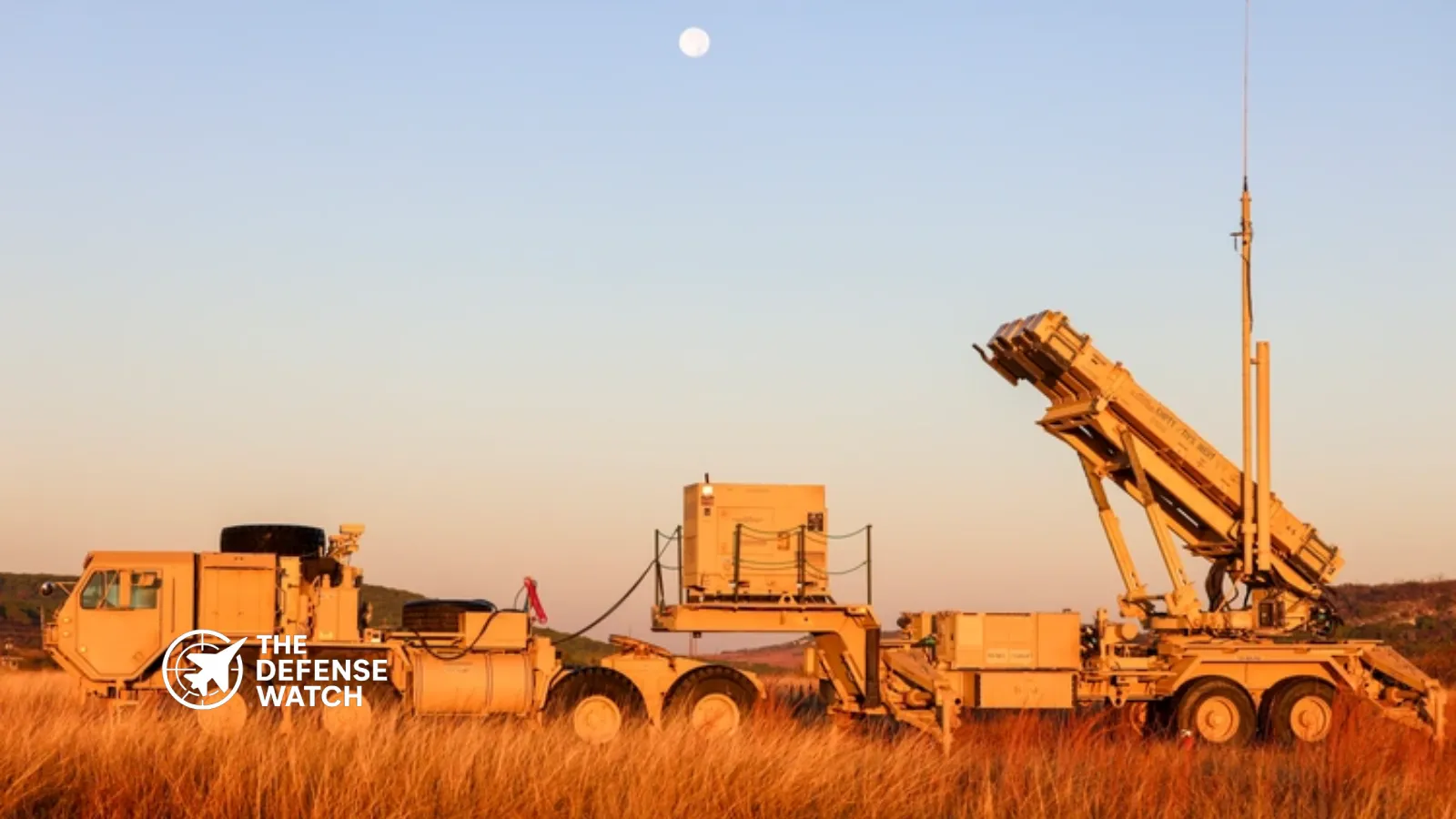
That suggests no rapid drawdown is imminent. Carrier groups, missile defense assets, and regional airpower likely remain on standby to respond to missile launches, attacks on shipping, or renewed proxy activity.
For military planners, this is a deterrence phase backed by combat-ready forces.
What Comes Next
The next few days are likely to determine whether the Iran blockade becomes leverage for a negotiated settlement or the opening stage of renewed conflict.
If talks progress, maritime restrictions could eventually ease in exchange for security guarantees. If talks fail, Washington has openly signaled that military options remain available.
Either way, the Iran blockade has become the key pressure tool shaping the next phase of the crisis.