Sweden Orders Saab Counter Drone System To Counter Evolving UAV Threats
Sweden’s decision to procure the Saab counter drone system marks a clear shift toward prioritizing protection against unmanned aerial threats, a capability gap exposed in recent conflicts. The Swedish Armed Forces have selected Saab’s Loke system to strengthen short-range air defense against small and low-cost drones.
The system is designed to detect, identify, and neutralize drones through a combination of sensors and electronic warfare tools. The move reflects a broader trend across Europe, where militaries are adapting rapidly to the proliferation of UAVs on the battlefield.
- Sweden has ordered Saab’s Loke counter drone system to strengthen protection against UAV threats.
- The system is designed to detect, track, and neutralize small drones using electronic warfare tools.
- Loke integrates sensors, command systems, and effectors for rapid battlefield deployment.
- The procurement reflects growing concern over drone use in Ukraine and other conflict zones.
- Saab continues to expand its counter UAS portfolio amid rising global demand.
A Modular Counter-UAS Approach
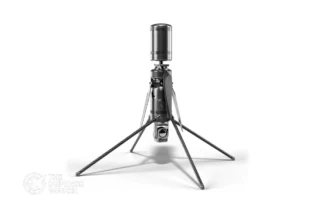
The Saab counter drone system, known as Loke, is built around a modular architecture. It combines radar and other sensors with command-and-control software and electronic attack capabilities.
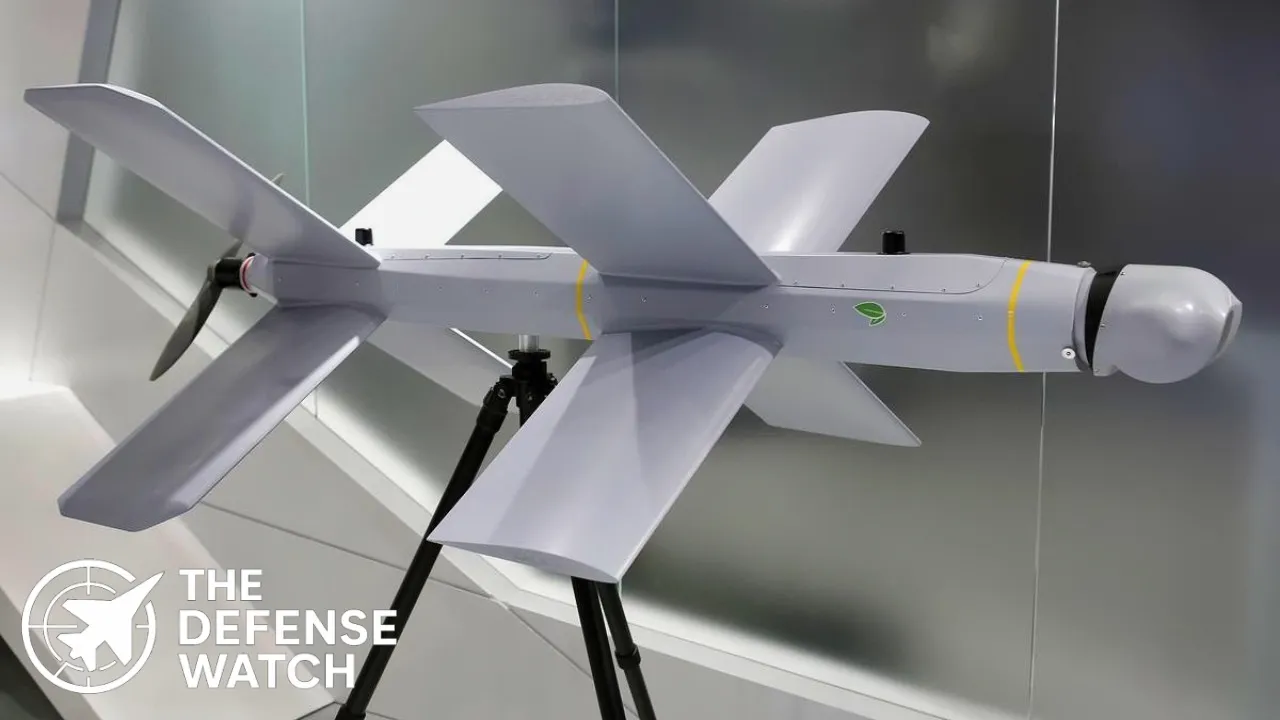
This integration allows operators to track multiple targets and respond quickly, a critical requirement given the speed and scale at which drones are now deployed. Small UAVs, often used for reconnaissance or as loitering munitions, have proven difficult to counter using traditional air defense systems.
Saab has emphasized that Loke is designed for mobility and rapid deployment, making it suitable for both fixed-site protection and maneuver units. This flexibility aligns with Sweden’s defense posture, which increasingly focuses on dispersed operations and resilience.
Lessons From Ukraine Driving Procurement
Sweden’s investment in a Saab counter drone system comes as drone warfare continues to reshape military operations, particularly in Ukraine. Both Russian and Ukrainian forces have relied heavily on small UAVs for surveillance, targeting, and strike missions.
These systems are inexpensive, widely available, and capable of overwhelming conventional defenses. As a result, counter-UAS technologies have become a priority across NATO and partner nations.
Sweden, which formally joined NATO in 2024, is aligning its procurement strategy with alliance priorities. Countering drones is now seen as essential not only for battlefield effectiveness but also for protecting critical infrastructure and population centers.
Electronic Warfare At The Core
A key feature of the Saab counter drone system is its reliance on electronic warfare rather than kinetic interception. By jamming or disrupting drone communications and navigation signals, the system can neutralize threats without the need for missiles or guns.
This approach offers several advantages. It reduces the risk of collateral damage, lowers operating costs, and allows for sustained engagement against large numbers of drones.
However, electronic warfare solutions also face challenges. Adversaries are increasingly developing drones with autonomous capabilities or hardened communications links, which can limit the effectiveness of jamming.
Saab’s design attempts to address this by integrating multiple detection and response options, providing layered defense against evolving threats.
Strategic Implications For Sweden And Europe
The procurement of the Saab counter drone system highlights a broader shift in European defense planning. Countries are moving away from a sole focus on high-end platforms toward more balanced force structures that include counter-drone capabilities.
For Sweden, this investment supports its transition into NATO and strengthens its role in regional security, particularly in the Baltic Sea area. The ability to counter drones is increasingly seen as a baseline requirement for modern armed forces.
From an industrial perspective, the order reinforces Saab’s position in the growing global market for counter-UAS systems. Demand is expected to rise as more countries seek solutions to address drone threats in both military and civilian contexts.
Closing The Capability Gap
The Saab counter drone system aims to close a critical gap between traditional air defense systems and the emerging reality of drone warfare. While advanced missile systems remain essential for high-end threats, they are not always effective or cost-efficient against small UAVs.
By investing in specialized counter-UAS technology, Sweden is addressing a vulnerability that has been widely observed in recent conflicts. The move signals a pragmatic approach to defense modernization, focused on real-world operational needs.