U.S. Navy Maritime Industrial Base Faces a Structural Crisis as War and Attrition Collide
The U.S. Navy’s maritime industrial base is under mounting pressure, and a newly published think tank report argues that America’s shipbuilding shortfall has grown too severe to fix alone. Released April 11, 2026, the Center for Maritime Strategy’s Pier Review report calls on Washington to leverage allied shipbuilding networks — particularly those of South Korea, Italy, Canada, Sweden, and the United Kingdom — to help reconstitute a fleet that is shrinking faster than it is being built.
- U.S. Navy Maritime Industrial Base Faces a Structural Crisis as War and Attrition Collide
- The Big Picture: A Fleet in Decline Against Rising Demands
- What’s Happening: The Report and Its Recommendations
- Why It Matters: Operational Strain Is Already Real
- Strategic Implications: Industrial Capacity as a Deterrence Variable
- Competitor View: How Beijing and Tehran Read the Report
- What To Watch Next
- Capability Gap: The Core Problem This Policy Aims to Solve
- The Bottom Line
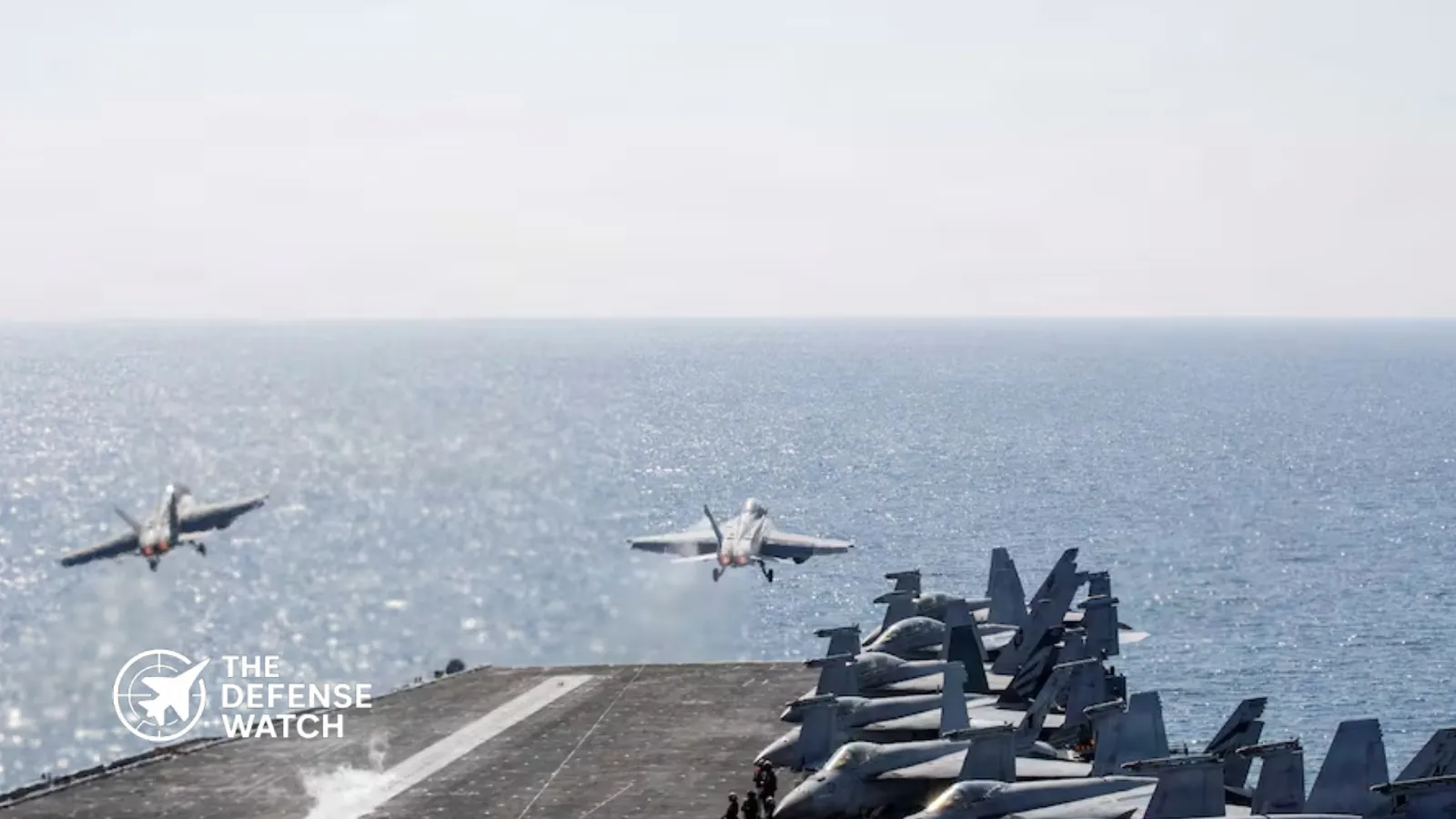
The report lands at a critical moment. The Navy is actively engaged in the U.S.-Iran conflict, enforcing a blockade of the Strait of Hormuz and surging additional assets to the Middle East. That operational tempo is straining a force already stretched by years of underfunding and deferred maintenance.
- The Center for Maritime Strategy released a report on April 11, 2026 calling for a fundamental overhaul of the U.S. maritime industrial base.
- The U.S. Navy currently operates approximately 295 ships — well below its stated goal of 381 battle force ships over the next 30 years.
- President Trump’s FY2027 budget requests $65.8 billion for shipbuilding — enough to fund 18 battle force ships and 16 nonbattle force ships.
- The report specifically names South Korea, Italy, Canada, Sweden, and the United Kingdom as priority allied partners to support U.S. shipbuilding recovery.
- Navy amphibious assault ship readiness dropped to 41% in 2025, compounding operational strain during the ongoing U.S.-Iran conflict.
The Big Picture: A Fleet in Decline Against Rising Demands
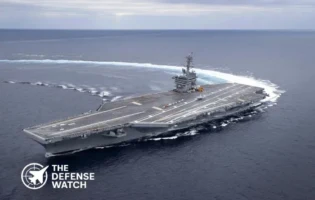
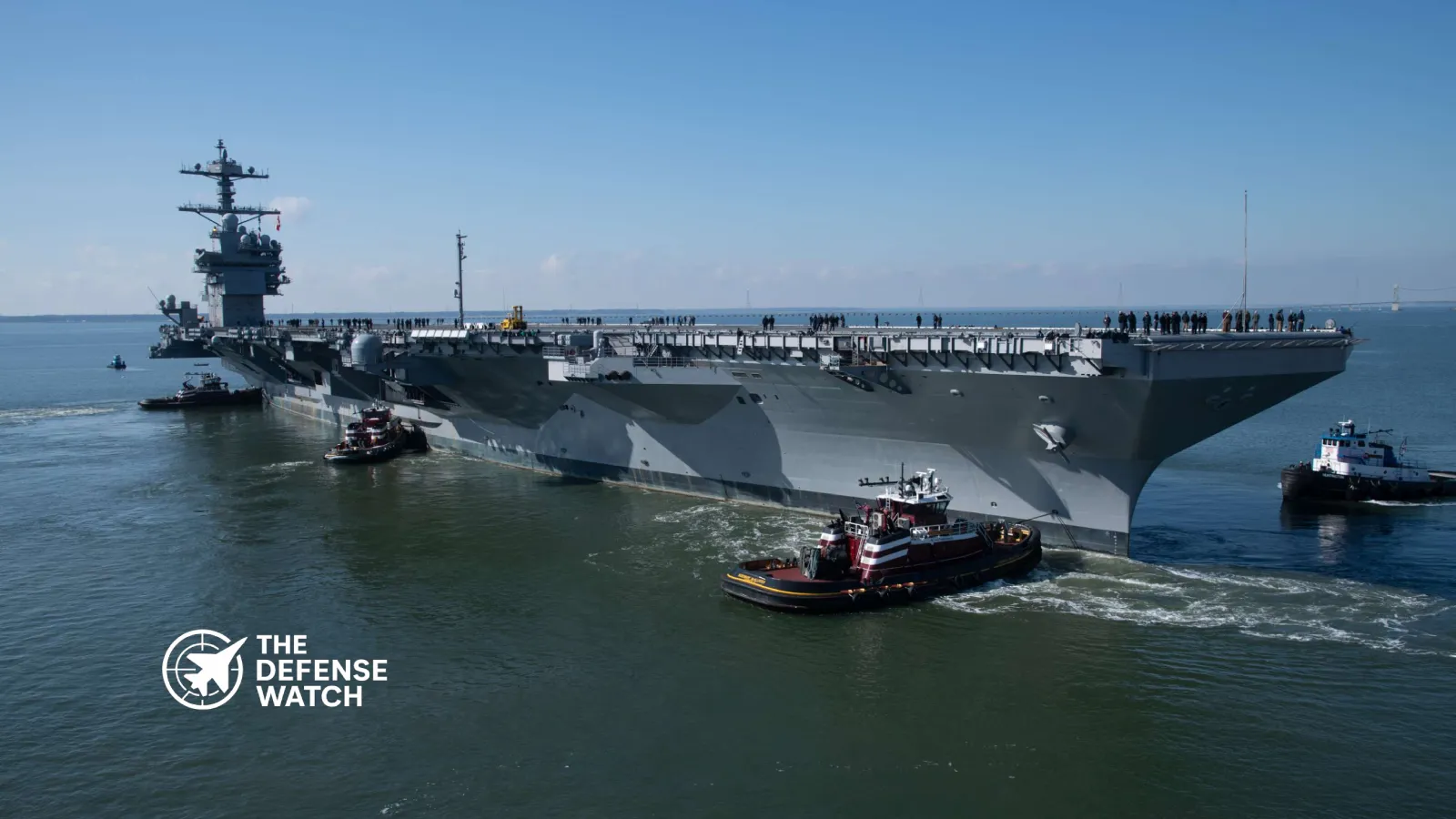
The U.S. Navy has not met its shipbuilding goals in well over a decade. The service currently operates approximately 295 ships, with that number expected to decrease as it retires more vessels than it commissions. The Navy’s own long-range planning calls for a fleet of 381 ships over the next 30 years to counter global threats — a gap that represents not just a numerical deficit but a deep structural problem in American industrial capacity.
Shipyard workforce shortages, rising construction costs, and the growing complexity of modern naval platforms have all compounded the problem. As Marine Commandant Gen. Eric Smith noted at the WEST Conference in February 2026, the challenge is fundamentally a people problem. “Everything costs what it costs,” Smith said. “I don’t want to pay $4 billion for a ship, neither does my shipmate [CNO Adm.] Daryl Caudle. But that’s what it costs to have pipefitters, steamfitters, welders, electricians build the ship.”
That candid acknowledgment underscores a reality that no procurement budget increase alone can solve: the American maritime industrial workforce has eroded over decades, and rebuilding it will take years regardless of funding levels.
Also Read: North Korea Tests Cruise Anti-Ship Missiles To Expand Naval Strike Capability
What’s Happening: The Report and Its Recommendations
The Center for Maritime Strategy, a nonprofit and nonpartisan think tank focused on U.S. maritime issues and their broader national security implications, argues that amid an “atrophy” of the maritime industrial base, the U.S. should utilize its partnerships with naval allies to boost its shipbuilding, technological, and strategic capabilities.
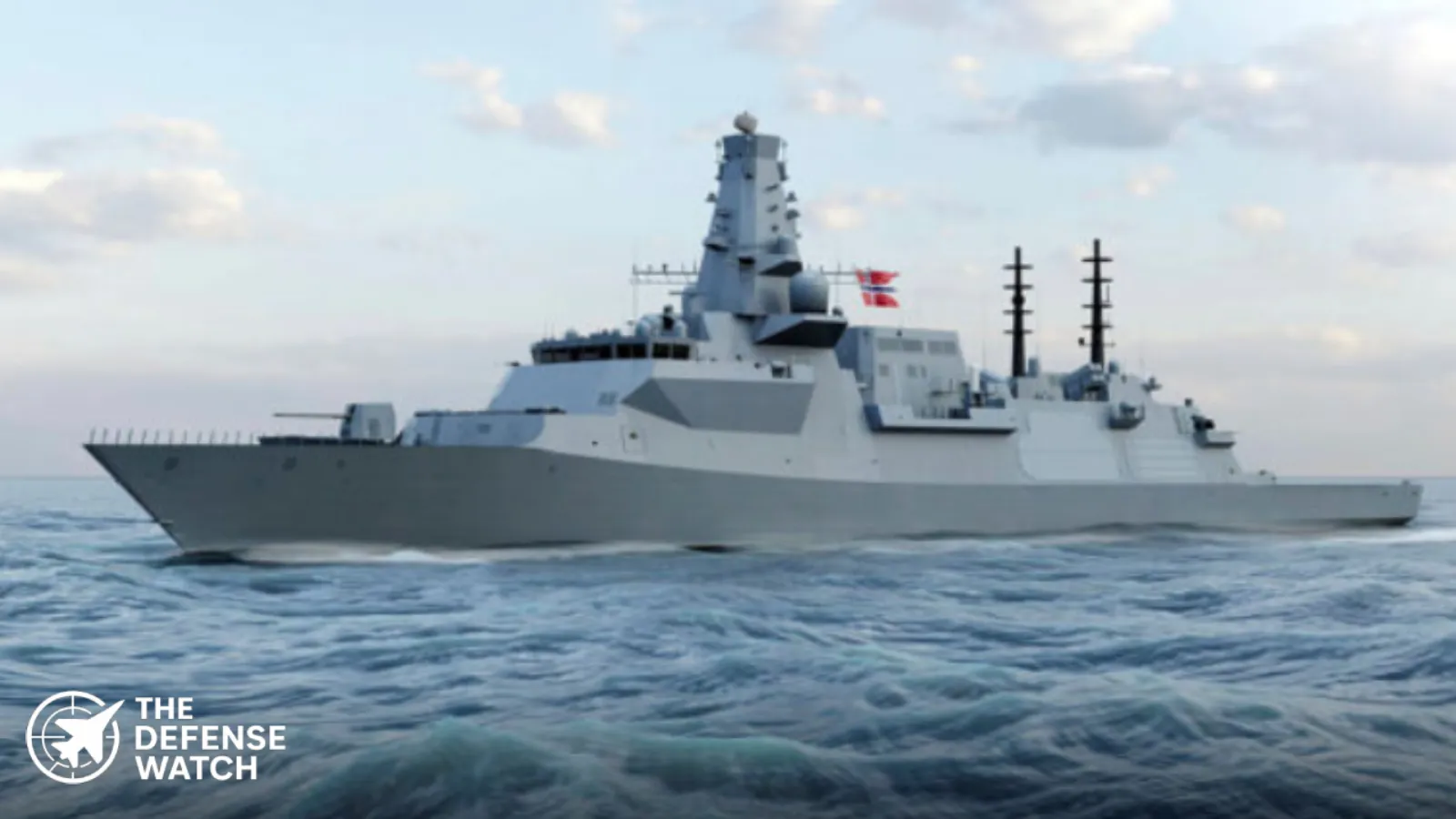
The report outlines seven objectives for reform. These include redesigning the ship design process, embracing modern manufacturing technologies, and — most prominently — deepening reliance on allied industrial capacity. The report emphasizes involvement of South Korea, Italy, Canada, Sweden, and the United Kingdom to model existing frameworks, use allied ports, and supplement the domestic shipbuilding labor pool with skilled migrants from those nations.
Former Navy Secretary Kenneth Braithwaite, the 77th to hold that post, wrote in the report’s foreword: “For the Navy to meet the challenges it faces in the coming decades, the United States must take advantage of its strong partnerships with naval allies to support a collective revitalization of the allied maritime industrial base.”
Trump’s FY2027 budget request allots $65.8 billion for shipbuilding to produce 18 battle force ships and 16 nonbattle force ships, doubling the number of ships produced in fiscal year 2026. The administration is deliberately prioritizing vessels that are simpler and faster to construct — those without nuclear propulsion or advanced radar integration — to accelerate throughput in an overstressed industrial system.
Why It Matters: Operational Strain Is Already Real
The abstract problem of industrial base atrophy has become concrete during the Iran conflict. The Navy has deployed the Tripoli Amphibious Ready Group and its connected Maritime Expeditionary Unit to the Middle East, including 5,000 personnel and warships such as the USS Tripoli, USS New Orleans, and USS San Diego.
That deployment follows a documented collapse in readiness. A 2025 report revealed that the Navy’s amphibious assault ship readiness rate dropped to 41% as sustained operations in Latin America and the Caribbean to combat drug cartels compounded existing maintenance backlogs. Deploying additional ships to a new theater under those conditions represents a significant operational risk.
The broader implication is stark: the Navy is being asked to fight a major regional war with a shrinking, underbuilt fleet while simultaneously managing global deterrence commitments in the Indo-Pacific and Europe. Without urgent industrial reform, the gap between commitments and capability will only widen.
Strategic Implications: Industrial Capacity as a Deterrence Variable
Analysts have long recognized that deterrence is not solely a function of deployed forces — it also reflects an adversary’s assessment of a nation’s ability to regenerate and sustain military power over time. A visibly constrained maritime industrial base sends a signal that the United States may struggle to replace combat losses at scale in a protracted conflict.
That calculation matters most in the context of a potential large-scale conflict in the Indo-Pacific. China’s shipbuilding output has surpassed that of the United States by a wide margin. Beijing currently operates one of the world’s largest naval construction programs, producing submarines, destroyers, and aircraft carriers at a pace American yards cannot currently match. A U.S. Navy reliant on a limited domestic industrial base — and with readiness rates already degraded — provides far less deterrent mass than raw hull counts suggest.
The Center for Maritime Strategy’s recommendation to integrate allied shipyards represents an acknowledgment that industrial capacity, like military basing, must be distributed and resilient. South Korea in particular operates world-class commercial and naval shipyards with established production capacity. Italy and the UK bring advanced systems integration expertise. Using these allies as surge capacity or specialized production nodes would give the U.S. industrial ecosystem both depth and redundancy.
Also Read: United States Expands South China Sea Presence With Second Trilateral Drills In 2026
Competitor View: How Beijing and Tehran Read the Report
Beijing watches U.S. industrial capacity closely. Chinese military planners assess American staying power not just through force structure but through logistical and industrial sustainability. A publicly released report confirming that the U.S. maritime industrial base has “atrophied” — and that the Navy cannot independently rebuild it in time — reinforces Chinese calculations that a prolonged naval conflict with the United States could eventually favor the side with greater production endurance.
Iran, currently under direct U.S. military pressure in the Strait of Hormuz, may draw a different lesson: that the United States, while capable of short-term power projection, faces structural limits that constrain long-term operational escalation. Tehran’s strategy has historically involved attrition and delay rather than direct confrontation. A constrained U.S. shipbuilding base marginally strengthens that calculus.
Russia, already observing the U.S. consumed by two regional engagements, is likely tracking American naval readiness data with interest — particularly as NATO allies are being asked to contribute to maritime industrial reconstitution rather than purely to forward defense commitments.
What To Watch Next
The immediate legislative test is whether Congress approves the FY2027 $65.8 billion shipbuilding request in full. Previous budget cycles have seen shipbuilding accounts cut or restructured under cost pressure, and the current war expenditures in Iran will add competing demands on the defense topline.
On the allied integration front, watch for formal agreements or memoranda of understanding with South Korea and the United Kingdom, both of which have indicated interest in deeper defense industrial cooperation with Washington. Seoul’s shipbuilders — including Hyundai Heavy Industries and Hanwha Ocean — have the capacity and quality control standards to produce naval auxiliaries and logistics vessels that the U.S. fleet urgently needs.
The Center for Maritime Strategy’s workforce migration recommendation will also face political scrutiny. Importing skilled tradespeople from allied nations to supplement American shipyard labor pools is operationally sensible but politically contentious in the current domestic environment.
Capability Gap: The Core Problem This Policy Aims to Solve
The fundamental gap is time. American shipyards cannot rapidly expand domestic capacity because the workforce pipeline — pipefitters, welders, nuclear-qualified engineers — takes years to build. Facilities require capital investment on decade-long timelines. Attempting a purely domestic fix to a near-term strategic problem would produce results too slowly to matter in the current threat environment.
Allied integration is, in this context, not an idealistic multilateral gesture but a pragmatic stopgap that buys time for domestic reconstitution. The realistic limitation is interoperability: allied-built vessels must meet U.S. Navy specifications, classification standards, and cybersecurity requirements. That alignment process takes time and adds cost, though it is manageable within existing allied frameworks like AUKUS and Five Eyes industrial cooperation structures.
The Bottom Line
The U.S. Navy’s maritime industrial base can no longer sustain America’s global naval commitments alone — and the Center for Maritime Strategy’s call to leverage allied shipyards is less a policy preference than an operational necessity driven by decades of underinvestment, an active war, and a shrinking fleet.