NORAD F-35 Defense Role Reassessed Amid Evolving Threats
The NORAD F-35 defense role is not considered essential to protecting North America, according to a senior commander, who emphasized that continental defense depends on a broader, layered architecture rather than any single aircraft platform.
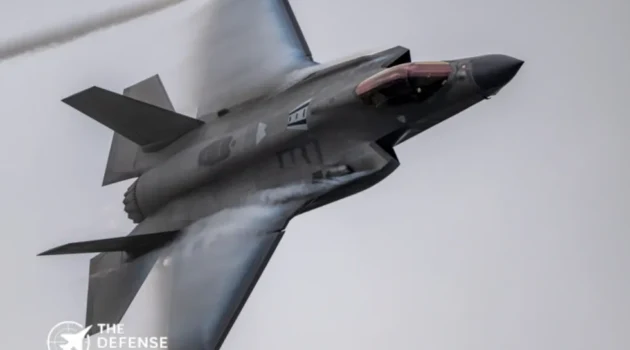
The North American Aerospace Defense Command (NORAD) official clarified that while the F-35 remains a highly capable fifth-generation fighter, it is not a critical requirement for homeland defense missions across the United States and Canada.
Instead, NORAD’s strategy prioritizes integrated detection, tracking, and response systems designed to counter a wide range of modern threats, including cruise missiles, hypersonic weapons, and long-range bombers.
- NORAD commander stated that the F-35 is not essential for defending North America.
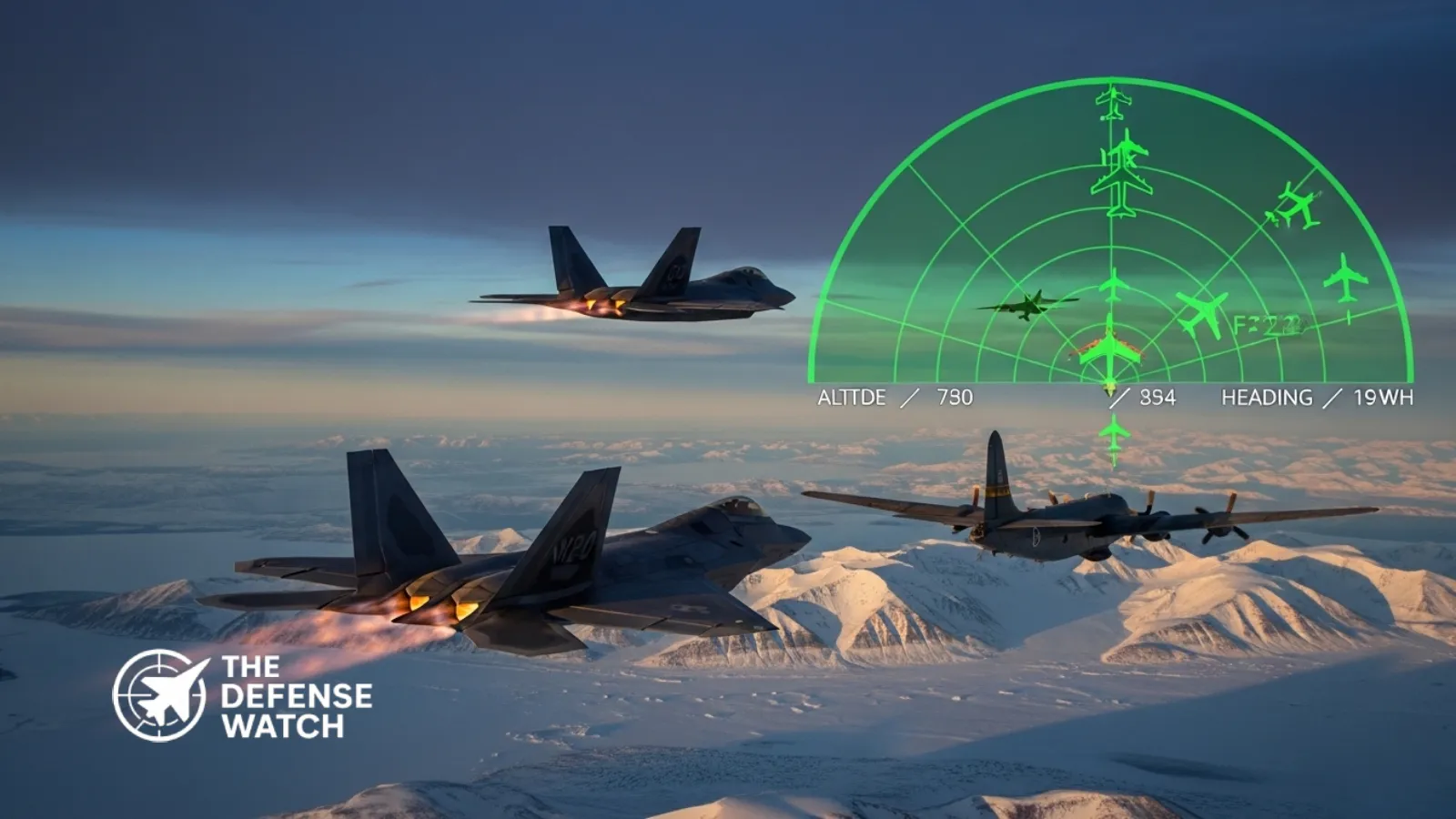
- Air defense relies on a layered system including radar networks, satellites, and interceptor aircraft.
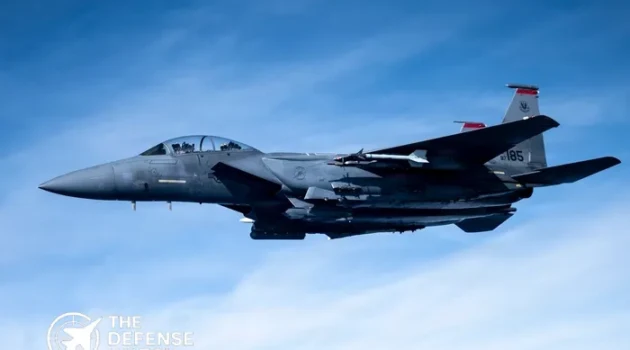
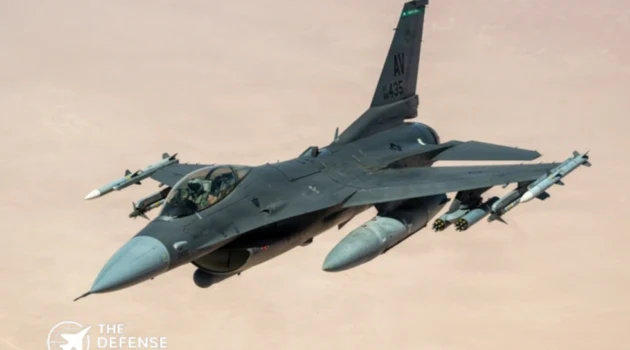
- Existing fighter fleets such as F-15 and F-16 continue to play a critical role in homeland defense missions.
- Modern threats include cruise missiles, hypersonic weapons, and long-range bombers.
- NORAD modernization focuses on early warning systems and domain awareness rather than stealth fighters alone.
Layered Defense Still Central To North American Security
At the core of NORAD’s approach is a layered defense network that combines multiple capabilities across air, space, and ground domains.
This includes early warning radars, satellite-based surveillance, and interceptor aircraft operating in coordination. Legacy fighter platforms such as the F-15 and F-16 continue to perform air sovereignty missions effectively, particularly in intercepting unidentified aircraft approaching North American airspace.
The commander’s remarks reinforce a long-standing principle in air defense planning: detection and response speed matter more than platform sophistication alone.
From an operational perspective, stealth fighters like the F-35 are optimized for penetrating contested airspace and conducting offensive missions. In contrast, NORAD’s primary mission involves detecting and intercepting threats before they reach critical infrastructure or population centers.
Why The F-35 Is Not Central To NORAD Missions
The NORAD F-35 defense role is shaped by mission requirements that differ significantly from expeditionary warfare.
F-35 aircraft are designed for multi-role operations in contested environments, including suppression of enemy air defenses and precision strikes. However, North American defense missions typically involve identifying and intercepting aircraft or missiles approaching from long distances.
In these scenarios, sensor networks and command-and-control systems play a more decisive role than stealth characteristics.
Additionally, NORAD operations often rely on rapid-response alert fighters stationed across the continent. These aircraft must be cost-effective, readily available, and capable of sustained operations, factors that do not necessarily require fifth-generation capabilities.
Rising Threats Driving NORAD Modernization
Despite downplaying the necessity of the F-35, NORAD leadership acknowledges that the threat environment is becoming more complex.
Adversaries such as Russia and China have invested heavily in long-range strike systems, including advanced cruise missiles and hypersonic glide vehicles. These weapons can approach North America at high speeds and low altitudes, making detection more challenging.
As a result, modernization efforts are focused on improving early warning systems, expanding radar coverage in the Arctic, and enhancing data integration across multiple domains.
Programs such as the North Warning System upgrade and investments in over-the-horizon radar technologies are central to this effort. These systems aim to close detection gaps and provide more time for decision-making and response.
Strategic Implications For US And Canadian Defense Policy
The assessment of the NORAD F-35 defense role has broader implications for defense procurement and policy decisions in both the United States and Canada.
While the U.S. continues to expand its F-35 fleet for global operations, Canada has committed to acquiring the aircraft as part of its fighter modernization program. However, the NORAD commander’s comments suggest that such acquisitions are driven more by alliance commitments and expeditionary requirements than by homeland defense needs.
This distinction is important for policymakers evaluating future investments in air defense. It underscores the need to balance high-end combat capabilities with investments in infrastructure, sensors, and command systems that directly support continental defense.
Analysis: A Shift Toward Systems Over Platforms
The evolving NORAD F-35 defense role reflects a broader shift in military thinking, where integrated systems take precedence over individual platforms.
Modern air defense is increasingly defined by networked capabilities that enable faster detection, better situational awareness, and coordinated responses. In this context, the effectiveness of a defense system depends less on the performance of a single aircraft and more on how well different components work together.
This approach aligns with emerging concepts such as Joint All-Domain Command and Control (JADC2), which aim to connect sensors and shooters across services and domains.
By focusing on systems integration, NORAD is adapting to a threat environment where speed, coordination, and resilience are critical.