U.S. Approves AIM-260A Missile Sale To Strengthen Australia’s Airpower
The AIM-260A missile Australia approval marks a significant step in strengthening allied air combat capability in the Indo-Pacific, as Washington clears the transfer of up to 450 next-generation air-to-air missiles to Canberra.
According to defense reporting and regional security sources, the approval centers on the AIM-260A Joint Advanced Tactical Missile, a program led by the U.S. Air Force to address emerging capability gaps against near-peer adversaries.
The missile is intended to replace the widely used AIM-120 AMRAAM, offering greater range and improved resistance to jamming in contested environments.
- The United States has approved the potential sale of up to 450 AIM-260A long-range air-to-air missiles to Australia.
- The AIM-260A, also known as the Joint Advanced Tactical Missile, is designed to replace the AIM-120 AMRAAM.
- The missile offers extended range and improved survivability against advanced electronic warfare environments.
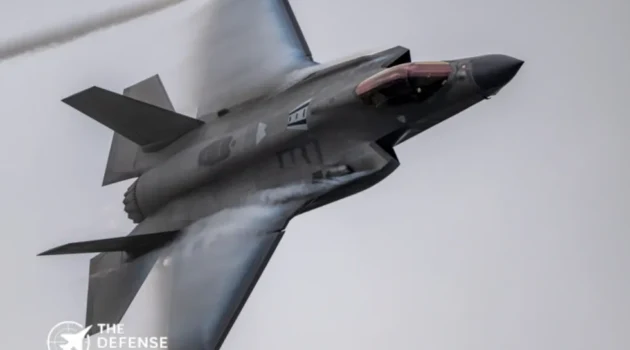
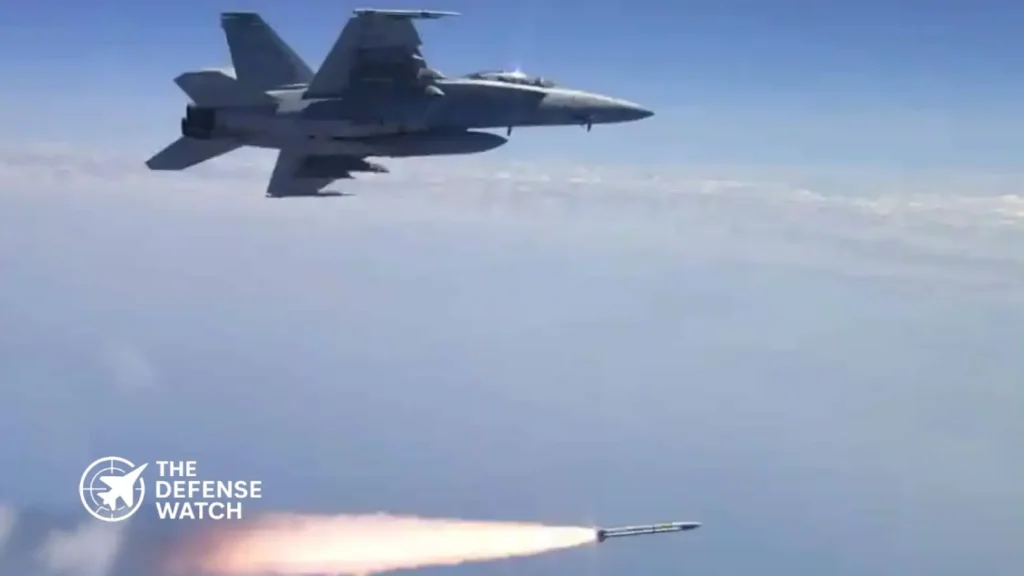
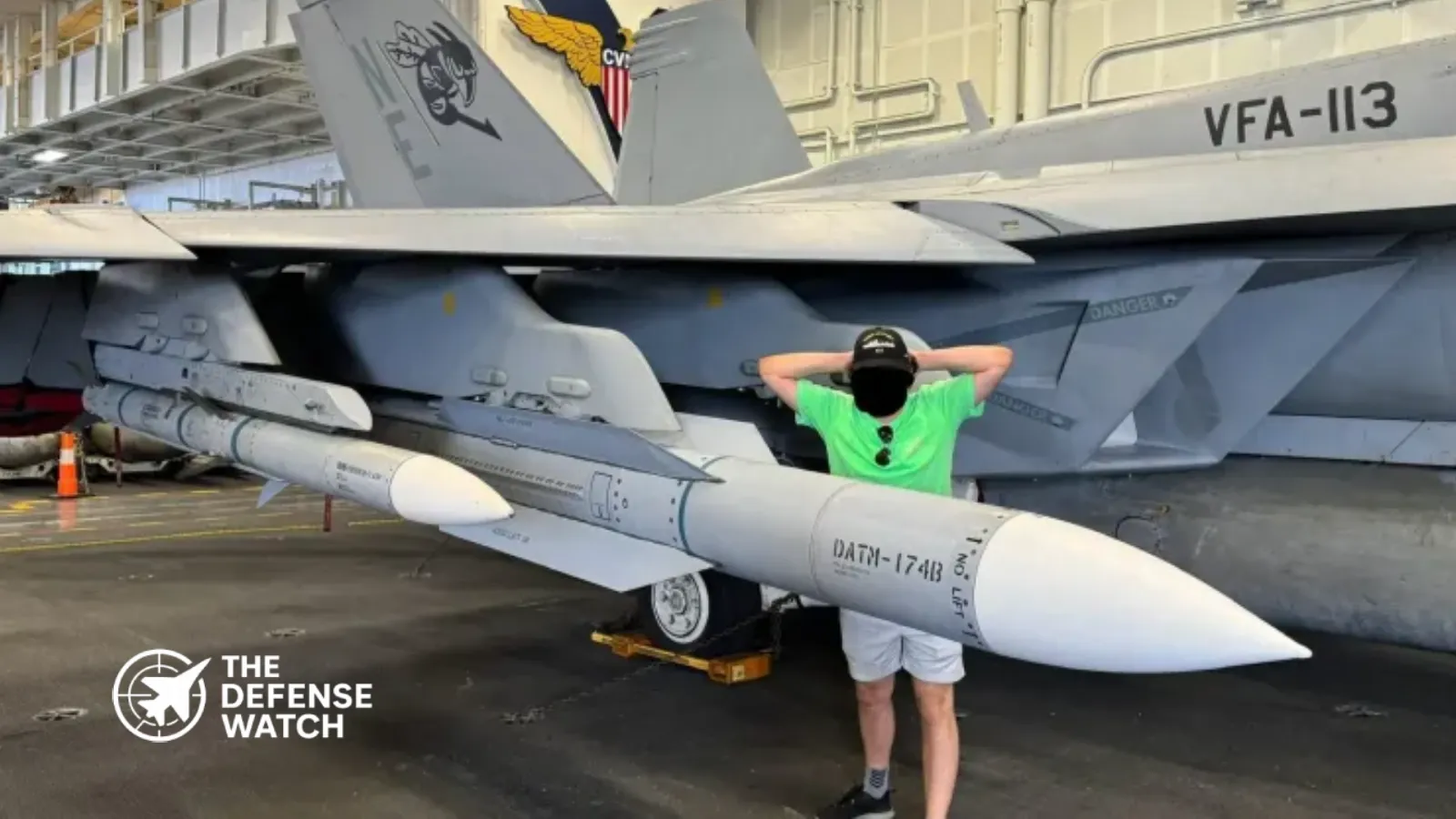
- The acquisition supports Royal Australian Air Force platforms including F-35A and F/A-18F fighters.
- The move reflects growing U.S.-Australia defense cooperation amid rising Indo-Pacific tensions.
A Next-Generation Air Combat Capability
The AIM-260A missile Australia package is expected to provide a step change in beyond-visual-range engagement capability for the Royal Australian Air Force.
While official specifications remain classified, U.S. defense officials have indicated that the AIM-260A is designed to outperform current air-to-air systems in both range and survivability. Analysts widely assess that the missile was developed in response to advanced Chinese long-range air-to-air systems such as the PL-15.
The integration of the missile with platforms like the F-35A Lightning II and F/A-18F Super Hornet will allow Australian forces to engage threats at longer distances, reducing exposure to enemy air defenses.
This shift is critical in modern air warfare, where detection and engagement ranges increasingly determine combat outcomes.
Strategic Context In The Indo-Pacific
The AIM-260A missile Australia approval comes amid rising strategic competition across the Indo-Pacific region.
The United States has been accelerating efforts to strengthen allied capabilities as part of a broader deterrence strategy. Australia, as a key partner under frameworks such as AUKUS and long-standing bilateral defense agreements, plays a central role in this posture.
From a strategic standpoint, long-range air-to-air missiles are becoming a decisive factor in potential high-end conflict scenarios. Control of the air domain depends not only on stealth and sensors, but also on the ability to strike first at extended distances.

AIM-260A Joint Advanced Tactical Missile By equipping Australia with the AIM-260A, Washington is effectively extending its own air combat network, enabling greater interoperability and shared operational reach.
Closing The Capability Gap
One of the primary drivers behind the AIM-260A missile Australia decision is the need to close a growing capability gap.
Regional competitors have invested heavily in long-range missile technology, supported by advanced radar systems and electronic warfare capabilities. This has raised concerns within U.S. defense circles about the effectiveness of legacy systems like the AIM-120 in future conflicts.
The AIM-260A addresses these concerns by offering:
- Increased engagement range
- Enhanced resistance to electronic countermeasures
- Compatibility with fifth-generation aircraft
- Improved lethality against high-speed and maneuvering targets
This aligns with Pentagon modernization priorities, which emphasize survivability and lethality in contested environments.
Operational Impact For Australia
For Australia, the acquisition significantly enhances its ability to project airpower across vast distances.
The Royal Australian Air Force operates in one of the largest areas of responsibility in the world, covering expansive maritime and airspace regions. Longer-range missiles reduce the need for forward basing and allow aircraft to operate from safer distances.
This also improves Australia’s contribution to coalition operations, particularly in scenarios involving joint U.S. and allied forces.
In practical terms, the AIM-260A missile Australia deployment will allow Australian pilots to engage adversary aircraft before entering contested zones, increasing survivability and mission success rates.
Industrial And Defense Cooperation
The approval further reinforces defense industrial ties between the United States and Australia.
Although the AIM-260A program remains tightly controlled, the sale highlights Washington’s willingness to share advanced capabilities with trusted allies. This is consistent with recent trends in U.S. defense exports, where interoperability and alliance integration are prioritized.
The deal also signals confidence in Australia’s role as a long-term security partner in the Indo-Pacific.
Broader Implications
Beyond immediate military benefits, the AIM-260A missile Australia decision carries broader geopolitical implications.
It sends a clear signal about U.S. commitment to maintaining a favorable balance of power in the region. At the same time, it underscores the accelerating pace of military modernization among Indo-Pacific nations.
As air combat evolves, missiles like the AIM-260A are likely to play a central role in shaping future engagements.
The focus is no longer just on aircraft performance, but on the entire kill chain, including sensors, data links, and long-range precision weapons.